
An electric kalburo-style lamp can serve as a striking, rustic accent on a bedside table in a small bedroom, but its suitability depends entirely on its design, size, and electrical configuration. If you are considering a traditional, chemical-burning calcium carbide (kalburo) lamp, it is highly dangerous and entirely unsuitable for indoor residential use due to open flames, intense heat, and gas emissions. For modern electric replicas that mimic this vintage aesthetic, however, the decision comes down to physical proportions, light diffusion, and electrical safety. Evaluating these factors systematically ensures your bedside lighting remains functional, safe, and visually balanced without cluttering your limited space.
Checking Physical Fit and Proportions for Small Spaces
In compact bedrooms, space is often at a premium, requiring careful planning for every piece of furniture and decor. Bedside tables or small nightstands are frequently squeezed between the bed frame and the wall or wardrobe, leaving very little flat surface area. A kalburo-style lamp, which often features a heavy metal base made of brass, copper, or cast iron, can have a surprisingly wide footprint. Before purchasing, it is essential to measure the exact width and depth of your bedside table to ensure the lamp base can sit securely without hanging over the edges.
A good rule of thumb is to choose a lamp whose base occupies no more than one-third of the available tabletop surface. This leaves sufficient room for other nighttime essentials, such as a glass of water, a phone, reading glasses, or a book, without creating a cluttered and stressful environment. If the lamp base is too wide, you risk knocking it over when reaching for items in the dark, which can be particularly hazardous with heavy metal and glass fixtures.
Products mentioned in this guide
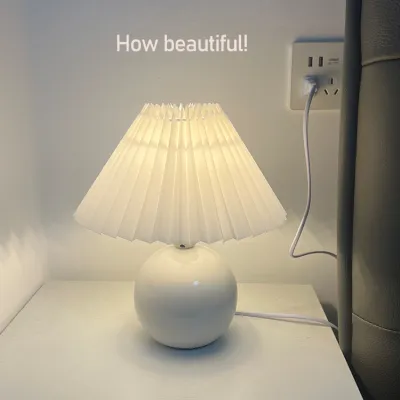
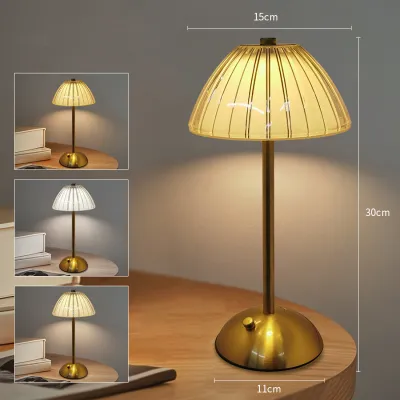
Prices are valid at publication and may change. Please refer to the product page for the latest price.
Height is another critical dimension to evaluate when placing a lamp next to your bed. Ideally, the bottom of the lampshade or the light source should align roughly with your eye level when you are sitting up in bed reading. If the lamp is too tall, the bulb will shine directly into your eyes, causing discomfort and eye strain. Conversely, if the lamp is too short, the light cast will be too narrow to be useful for reading or navigating the room.
Finally, consider the visual weight of the lamp within your overall room design. Industrial-style fixtures with dark metals, thick glass chambers, and heavy piping can look visually dominant, which may make a small bedroom feel even more cramped. To maintain an airy and open feel, look for electric kalburo-style lamps that feature slender frames, lighter metallic finishes, or minimalist designs that do not overwhelm the limited visual space of your room.
Evaluating Light Quality and Nighttime Functionality
The primary function of a bedside lamp is to help you wind down and prepare for sleep, which requires soft, warm, and non-glaring illumination. When selecting an electric kalburo-style lamp, check the socket specifications—usually a standard E27 or E14 base—to ensure you can install a low-wattage LED bulb. A bulb with a wattage equivalent of 2 to 5 watts is generally sufficient for bedside reading and ambient lighting without being overly bright or disruptive to your sleep cycle.

Color temperature plays a vital role in regulating your body’s natural sleep hormones. For a cozy and relaxing bedroom atmosphere, look for bulbs with a warm color temperature between 2200K and 2700K, often labeled as warm white or extra warm white. Avoid cool white or daylight bulbs, which typically range from 5000K to 6500K, as the blue light they emit mimics natural daylight and can interfere with your body’s melatonin production, making it harder to fall asleep.
Many decorative kalburo-style lamps feature exposed filament Edison-style bulbs inside clear glass enclosures. While this design offers a beautiful vintage aesthetic, an exposed bulb can create harsh, direct glare that is uncomfortable to look at when lying down. If the lamp does not have a built-in fabric or frosted glass shade to diffuse the light, consider using a frosted LED bulb or positioning the lamp slightly behind your line of sight to minimize direct eye contact with the glowing filament.
Adjustability is another feature that enhances nighttime functionality in a small bedroom. Look for lamps that feature built-in dimming capabilities, such as an inline rotary dimmer switch on the power cord. This allows you to easily lower the brightness to a soft glow for late-night navigation or raise it slightly when you need to read. If the lamp lacks a built-in dimmer, verify if it is compatible with external plug-in dimmers or smart bulbs that offer brightness control via an app or remote.
Verifying Electrical Safety and Cord Management
In a compact bedroom, managing electrical cords safely is crucial to prevent tripping hazards and electrical risks. Measure the distance from your bedside table to the nearest wall outlet before setting up your lamp. The power cord should reach the outlet comfortably with a bit of slack; it should never be stretched tight across walkways or dangling loosely where it can be caught by your feet, bedding, or pets.
Electrical safety is particularly important in tropical climates where high humidity can affect electrical connections over time. Ensure the lamp is rated for the standard local voltage of 220V at 60Hz to prevent overheating or electrical shorts. Look for official safety certification marks on the product packaging or label, such as the Philippine Standard (PS) mark or the Import Commodity Clearance (ICC) sticker, which indicate the fixture has undergone rigorous safety testing.
Heat emission is another factor to consider, especially when using vintage-style metal fixtures that can conduct heat. Even energy-efficient LED bulbs generate some warmth, and the metal housing of a kalburo-style lamp can become warm to the touch over prolonged use. Maintain a safe clearance of at least 10 to 15 centimeters between the lamp and flammable materials such as curtains, mosquito nets, books, or wooden headboards to eliminate any potential fire hazards.
Proper cord routing can also protect your wiring from wear and tear. Avoid running the lamp cord under heavy furniture legs or rugs, as this can compress the insulation and lead to silent electrical hazards over time. Instead, use adhesive cord clips to secure the cable along the back of your bedside table or the baseboard of your wall, keeping the pathway clean, organized, and safe from accidental damage.
Deciding Your Next Step: Keep, Adjust, or Switch
If you already own an electric kalburo-style lamp or have one in mind, use a simple decision framework to determine if it is the right fit for your bedroom. If the lamp fits comfortably on your nightstand, provides soft and warm light without glare, and features certified, undamaged wiring that reaches the outlet safely, you can confidently keep and enjoy it. It will serve as a unique, character-rich focal point in your personal space.
If the lamp has minor drawbacks, you can easily adjust your setup to make it work. For instance, if the light is too bright or glaring, swap the bulb for a lower-wattage, warm-toned LED or a frosted filament bulb. If the cord is slightly too short to reach the outlet safely, use a high-quality, surge-protected extension cord secured neatly along the wall rather than stretching the original cable.
However, if the lamp is fundamentally too heavy, bulky, or visually overwhelming for your small bedside table, it is best to switch to a different lighting style. Wall-mounted sconces or clip-on reading lights are excellent space-saving alternatives that free up your entire tabletop surface. Alternatively, you can look for minimalist table lamps with slim metal bases and fabric shades, which offer a much lighter visual footprint while still providing excellent ambient light.
Frequently Asked Questions (FAQ)
Can I use a smart bulb with a kalburo lamp for better bedside control?
Yes, you can use a smart bulb in an electric kalburo-style lamp, provided the bulb’s base matches the lamp’s socket (typically E27) and the bulb fits physically inside the glass enclosure. Before installing, ensure the lamp does not use a physical rotary dimmer switch, as traditional dimmers can damage the internal electronics of a smart bulb. If the lamp has a standard on/off switch, a smart bulb is an excellent way to add dimming, color temperature adjustment, and scheduling features to your bedside setup.
How do I clean and maintain the lamp shade without damaging it?
To clean your lamp safely, always turn it off and unplug it from the wall outlet first, allowing the bulb and fixture to cool completely. For glass enclosures or metal parts, use a dry, soft microfiber cloth to gently wipe away dust and fingerprints. Avoid using harsh chemical cleaners, abrasive pads, or excessive moisture, as these can strip away protective lacquers or corrode the metal finish over time. Always consult the manufacturer’s care label for specific maintenance instructions.

Community discussion
Share your experience or ask a question. Comments are reviewed before publication.