
Integrating Japanese design into your home brings a sense of tranquility, balance, and refined simplicity. In the Philippines, where urban living spaces can often feel fast-paced and crowded, creating a peaceful sanctuary at home has become a priority for many. Japanese-style floor lamps, with their soft diffusion and organic materials, offer an ideal way to soften the atmosphere of living rooms and cozy reading corners. However, selecting the perfect lamp requires more than just choosing an appealing silhouette; you must also consider the tropical climate, local electrical standards, and spatial constraints. By understanding the core design principles and technical requirements of these fixtures, you can make an informed decision that enhances both your interior decor and your daily comfort.
Defining the Japanese Aesthetic in Floor Lighting
To choose a lamp that truly embodies the Japanese aesthetic, it helps to understand the materials and philosophies that define this style. Traditional Japanese lighting relies heavily on natural, sustainable materials that reflect the beauty of the outdoor world. Shoji paper, historically known as washi, is perhaps the most iconic element. This fibrous, translucent paper is prized for its unique ability to scatter light evenly, transforming a harsh glare into a warm, ambient glow. Bamboo and natural woods, such as cedar, pine, or oak, form the structural framework of these lamps, showcasing clean lines and visible wood grains. Linen and other coarse fabrics are also common modern alternatives, offering a similar organic texture while providing slightly more durability in humid environments.
These materials are deeply tied to Japanese design philosophies, particularly minimalism and wabi-sabi. Minimalism focuses on stripping away unnecessary ornamentation, leaving only clean geometric shapes, low-profile silhouettes, and functional forms. Wabi-sabi, on the other hand, celebrates the beauty of imperfection, natural aging, and simplicity. A Japanese-style floor lamp is rarely flashy; instead, it commands attention through its quiet presence, balanced proportions, and the gentle way it interacts with the surrounding space.
Products mentioned in this guide
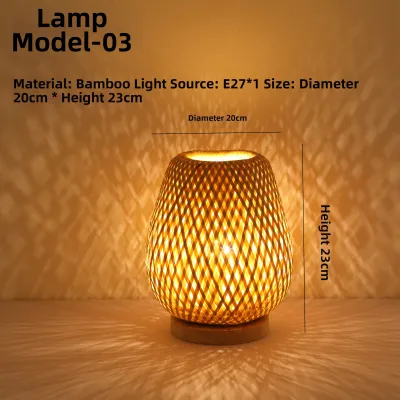
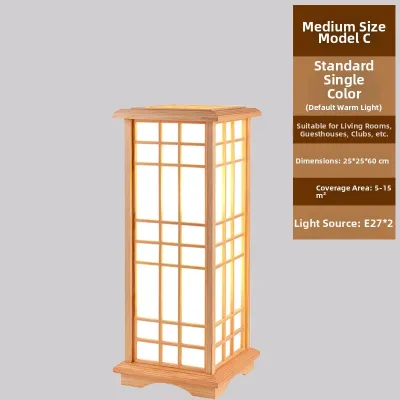
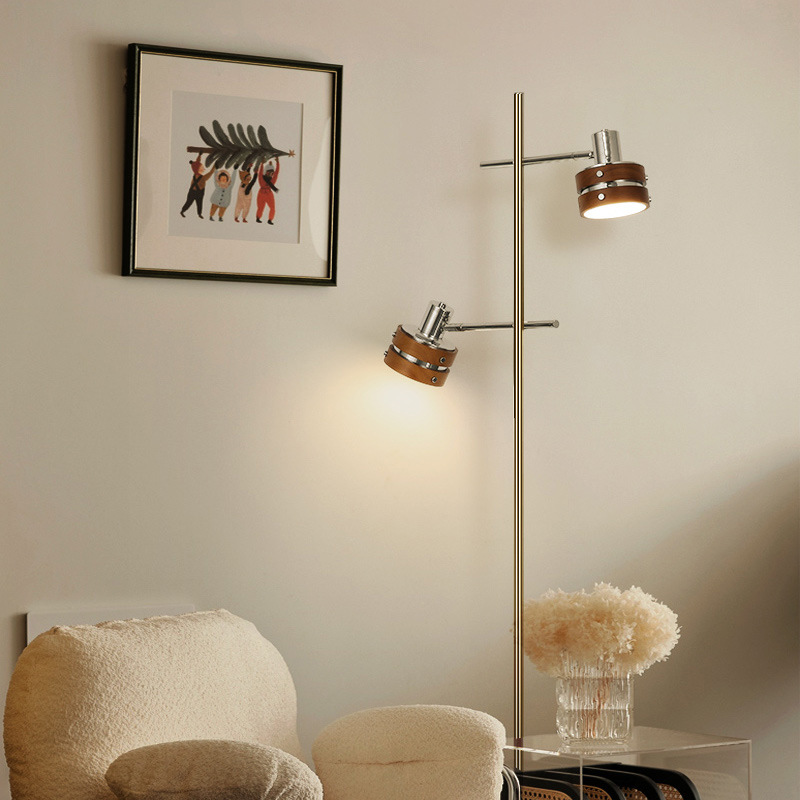
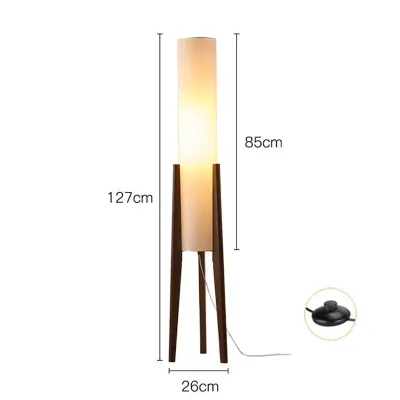
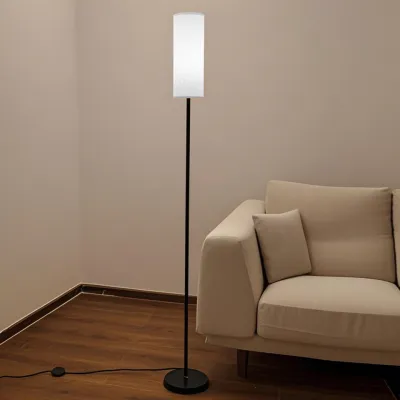
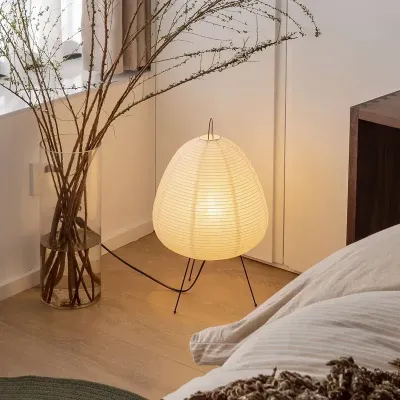
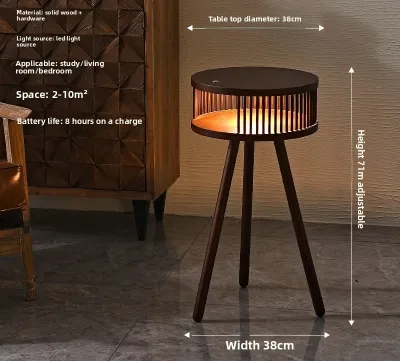
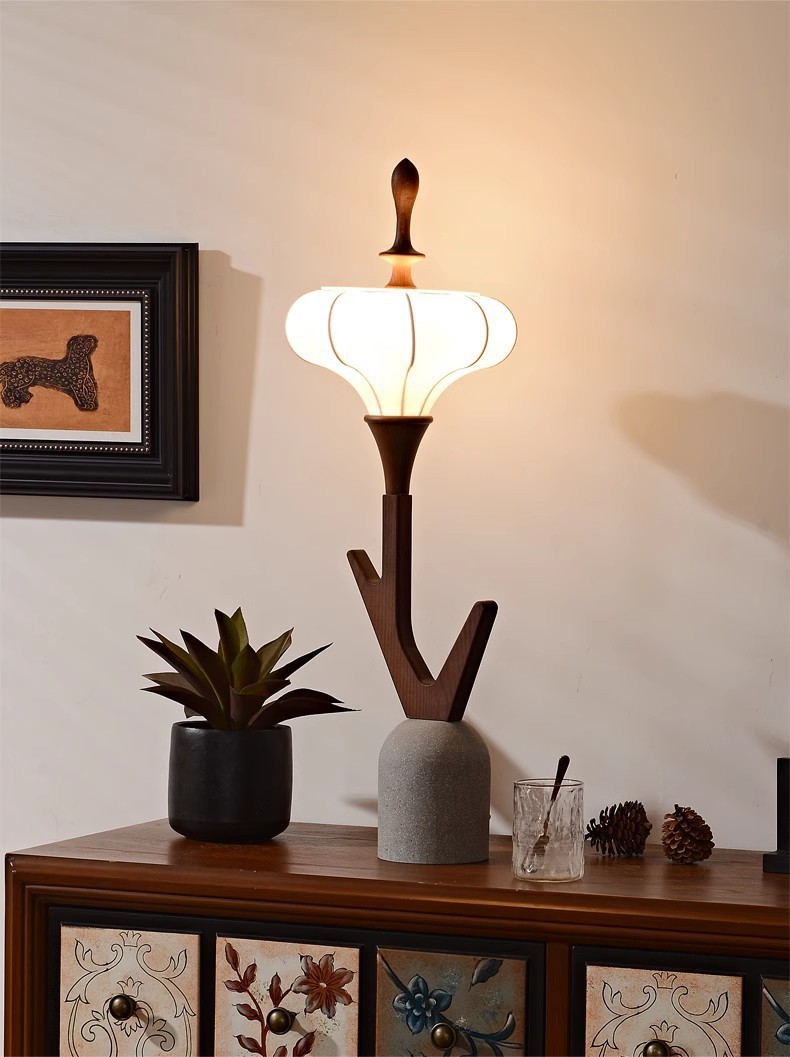
Prices are valid at publication and may change. Please refer to the product page for the latest price.
Distinguishing an authentic Japanese-style lamp from a generic minimalist fixture comes down to these subtle details. Generic modern lamps often utilize cold metals, stark white plastics, or perfectly uniform synthetic fabrics that lack character. In contrast, a Japanese-inspired lamp features warm-toned wooden frames, intricate lattice patterns reminiscent of traditional kumiko woodwork, and shades that showcase natural imperfections in the fiber. When evaluating options, look for designs that prioritize these organic textures and structural details, as they are what create the signature soothing atmosphere associated with Japanese interiors.
Matching Light Quality and Dimensions to Your Space
Selecting the right floor lamp requires a clear understanding of how the fixture will be used and where it will stand. A living room and a reading corner serve very different purposes, and your lighting choices should reflect these distinct functional needs.

For a living room, the primary goal is usually to create a warm, inviting ambiance. Tall column lamps or large lantern-style fixtures work exceptionally well in these shared spaces. Because these designs feature enclosed shades that diffuse light in all directions, they help eliminate dark corners and soften the shadows cast by overhead ceiling lights. When placing a lamp in the living room, consider its height relative to your seating. A lamp that stands between 120 to 150 centimeters tall is generally ideal, as it remains visually balanced next to standard sofas and armchairs without overpowering the room.
In contrast, a reading corner demands more focused, functional illumination. While a fully diffused paper lantern can create a relaxing mood, it may not provide enough direct light for comfortable reading, which can lead to eye strain. For these dedicated nooks, look for Japanese-style lamps that feature adjustable wooden arms, cantilever designs, or open-top shades that direct a portion of the light downward. This allows you to position the light source directly over your book or tablet while still enjoying the warm, glare-free aesthetic of a paper or fabric shade.
Color temperature is another critical factor in matching light quality to your space. For both living rooms and reading corners, warm white light is highly recommended. Look for bulbs with a color temperature between 2700K and 3000K. This range mimics the gentle glow of candlelight or sunset, reinforcing the cozy, serene vibe of Japanese design. Avoid cool white or daylight bulbs (5000K and above), as their blue-toned light can make natural wood look dull and strip the paper shade of its characteristic warmth.
Finally, careful space planning is essential, especially in typical Philippine homes where floor space may be limited. Before making a purchase, measure the exact footprint where the lamp will stand. Ensure there is adequate clearance around the shade so that it does not brush against curtains, furniture, or high-traffic walkways. Delicate paper shades are easily punctured, so placing them in protected corners or behind low-profile side tables is an excellent way to keep them safe while maximizing your room’s layout.
Electrical Compatibility and Safety Checks
Because many Japanese-style floor lamps are imported or sourced from international manufacturers, verifying their electrical specifications is a vital safety step before plugging them into your home outlets.
The standard electrical system in the Philippines operates at 220 volts (V) at a frequency of 60 hertz (Hz). However, many lamps designed for the Japanese domestic market are rated for 110V. Connecting a 110V fixture directly to a 220V outlet without a step-down transformer can cause immediate damage to the wiring, ruin the socket, or even present a serious fire hazard. Always read the product specifications carefully to ensure the lamp is rated for 220V compatibility. If the product description is unclear, contact the seller to verify the voltage rating before finalizing your purchase.
Plug types are another practical consideration. Standard outlets in the Philippines typically accommodate Type A (two flat parallel pins) or Type B (two flat pins with a round grounding pin) plugs. Imported lamps may feature different plug configurations, such as Type C or Type G. While simple plug adapters can bridge this gap, ensure the adapter is sturdy and rated for the appropriate wattage. If you encounter a high-quality vintage or imported lamp with incompatible or degraded wiring, it is highly recommended to have a qualified electrician inspect and rewire the fixture to meet local safety standards.
You must also verify the bulb base and maximum wattage limits. Most light fixtures in the Philippines use E27 screw-in bases, which are widely available in local hardware stores. Some imported lamps, however, utilize E26 bases. While E26 and E27 are highly similar and often interchangeable, using the correct bulb base ensures a secure electrical contact and prevents arcing. Furthermore, always adhere to the manufacturer’s maximum wattage rating. Traditional paper and wood lamps are highly sensitive to heat. Using a bulb with a wattage that exceeds the lamp’s limit can cause the shade to scorch, discolor, or ignite. Opting for low-wattage, high-efficiency LED bulbs is an excellent way to keep heat output to a minimum while achieving the desired brightness.
Lastly, assess the physical stability of the lamp. Tall, lightweight column lamps made of paper and thin wood frames are beautiful, but they can be top-heavy or easily tipped over by pets, children, or household drafts. Look for models that feature a weighted metal or solid wood base to ensure they remain upright. If you choose an ultra-lightweight design, place it in a secure corner where it is shielded from accidental bumps and high-traffic movement.
Building Your Shortlist on Online Shopping Platforms
Finding the perfect Japanese-style floor lamp often involves browsing online marketplaces and e-commerce platforms. Because you cannot physically inspect the items before they arrive, a strategic approach to searching and filtering is essential to finding high-quality pieces.
Start by refining your search terms to bypass generic, low-quality plastic lamps. Instead of searching for broad terms like “minimalist lamp,” try using highly specific keywords such as “washi paper floor lamp,” “shoji floor lantern,” “solid wood tripod lamp,” or “zen wooden floor light.” These targeted terms are more likely to lead you to specialty importers, artisanal workshops, and sellers who focus on authentic materials rather than mass-produced synthetic alternatives.
Once you find potential candidates, read the product descriptions with a critical eye. Pay close attention to assembly requirements. Many authentic paper lamps are shipped flat-packed to protect the delicate shades during transit. Ensure you are comfortable with the assembly process, which may involve carefully stretching paper shades over a wire frame. Additionally, check whether the bulb is included in the purchase. If it is not, make a note of the required base type so you can source a compatible 220V LED bulb locally.
Evaluating the seller’s reputation is equally important when buying fragile home decor online. Look for shops with high positive feedback ratings and read through customer reviews, paying specific attention to those that include real-life photos. These photos offer a more accurate representation of the lamp’s true color, wood finish, and light quality than polished promotional images. Furthermore, check the seller’s return and refund policies. Because paper, bamboo, and glass are highly susceptible to damage during shipping, ensure the seller offers robust packaging guarantees and a clear process for resolving items damaged in transit.
Frequently Asked Questions (FAQ)
How do I clean and maintain paper or fabric lampshades?
Delicate materials like shoji paper and natural linen require gentle care to preserve their appearance and structural integrity. To remove everyday dust, use a soft feather duster, a clean makeup brush, or a dry microfiber cloth, wiping with very light pressure to avoid tearing or denting the shade. Never use water, liquid cleaners, or damp cloths on paper shades, as moisture will cause the paper to warp, stain, or dissolve. Additionally, keep your lamp away from direct sunlight to prevent the wood and paper from yellowing prematurely, and avoid placing it in high-humidity areas like kitchens or bathrooms where moisture can degrade the materials. If you are unsure about the material’s limits, always consult the manufacturer’s specific care instructions.
Can I use smart bulbs in a Japanese-style floor lamp?
Yes, you can easily integrate smart bulbs into a Japanese-style floor lamp, provided you verify a few compatibility details. First, ensure the smart bulb matches the lamp’s socket type, which is typically an E27 base in the Philippines. You should also check the physical dimensions of the smart bulb, as some models are bulkier than standard LEDs and must not touch the delicate paper or fabric shade. To maintain the lamp’s smart functionality, the physical switch on the lamp’s cord or base must remain turned on at all times, allowing you to control the light via your smartphone or voice assistant. Finally, look for smart bulbs that offer adjustable color temperatures, allowing you to set the light to a warm, soft amber (around 2200K to 2700K) to perfectly complement the serene, traditional aesthetic of your space.

Community discussion
Share your experience or ask a question. Comments are reviewed before publication.