
To create a comfortable reading corner, selecting the right floor lamp is just as important as choosing a supportive armchair. The ideal reading lamp does not simply flood a room with light; instead, it delivers focused, glare-free illumination directly onto your pages while keeping the rest of the space calm and shadow-free. By balancing adjustable physical design, proper light diffusion, and local electrical safety standards, you can protect your eyes from strain and enjoy your favorite books for hours on end.
Essential Lighting Features for Eye Comfort
When setting up a reading nook, the quality of light is your primary defense against eye fatigue. Color temperature plays a significant role in how comfortable your eyes feel during extended reading sessions. Warm white light, typically ranging between 2700K and 3000K, is highly recommended for evening reading because it mimics the relaxing glow of traditional incandescent bulbs and does not disrupt your natural sleep cycle. If you frequently read highly detailed texts or textbooks, a slightly cooler neutral white light around 4000K can improve contrast and make small print easier to distinguish.
Lumen output, which measures the actual brightness of the bulb, must be carefully balanced with the existing ambient light in your room. If your reading corner is situated in a dark, poorly lit room, a floor lamp with a higher output of 450 to 800 lumens is necessary to prevent your eyes from straining against deep shadows. However, if the room already has adequate overhead or accent lighting, a lower lumen output is preferable to avoid creating a harsh, overly bright hotspot on your book.
Products mentioned in this guide
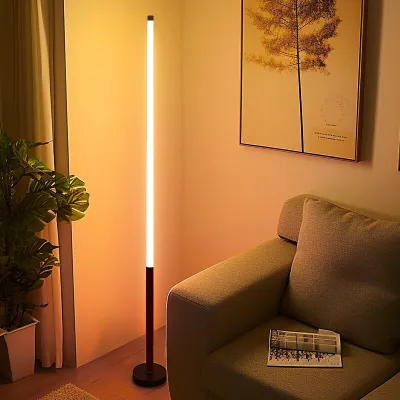
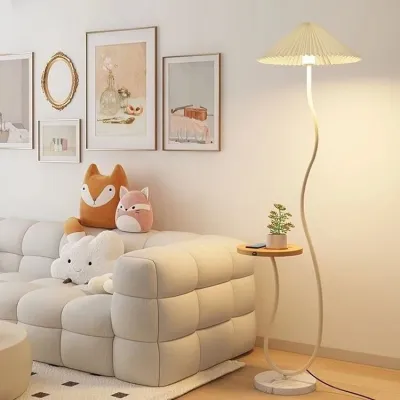
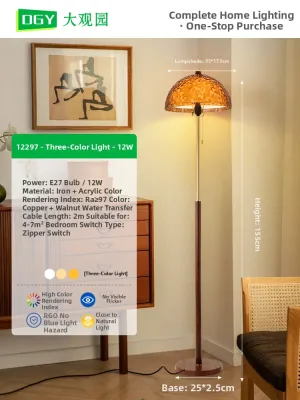
Prices are valid at publication and may change. Please refer to the product page for the latest price.
The design and material of the lamp shade are critical for controlling glare and directing light precisely where you need it. Opaque shades made of metal or dense fabric concentrate the light into a downward beam, which is perfect for isolating the light to your reading material without disturbing others in the room. If you prefer a softer, more ambient glow, look for semi-translucent fabric or frosted glass shades that diffuse light evenly. Additionally, check the inner lining of the shade; a white or reflective silver interior lining helps maximize the efficiency of your bulb, ensuring you get bright, clear light without needing to install a high-wattage, heat-generating bulb.
Adjustability and Beam Control
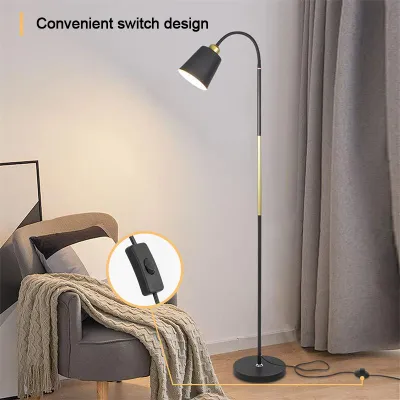
A high-quality reading floor lamp should adapt to your seating position rather than forcing you to adjust how you sit. Articulated arms and swing-arm designs use mechanical joints to let you pull the light source closer for fine print or push it away when you want a broader, softer wash of light. Gooseneck lamps offer a highly flexible, continuous bend, allowing you to twist and angle the lamp head with precision, which is especially useful if your reading chair has a high back or an unusual shape. Fixed-head lamps, while often visually striking, offer very little beam control and can easily cast unwanted shadows of your head or shoulders onto your book.

When shopping for an adjustable lamp, pay close attention to the build quality of the joints and adjustment mechanisms. Over time, weak tension screws or low-quality springs can cause the lamp head to droop, which not only disrupts your reading but can also pose a safety hazard if a hot shade comes into contact with your furniture. Look for models with robust, manual locking knobs or heavy-duty counterweights that maintain their position securely even after years of daily adjustments.
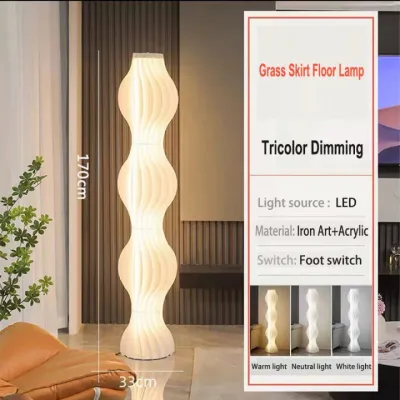
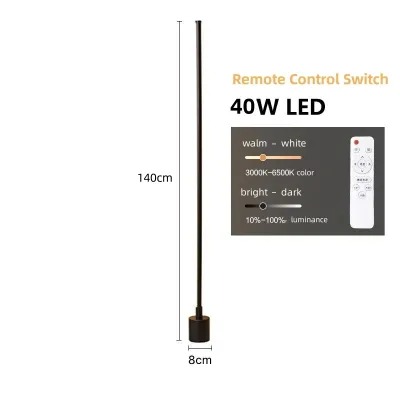
Convenience is another key factor in maintaining a relaxing reading environment. Having the power switch or brightness controls within easy reach prevents you from having to stand up and disrupt your comfort. Floor lamps equipped with built-in rotary dimmers, touch-sensitive poles, or remote controls allow you to fine-tune the brightness levels seamlessly as daylight fades. If the lamp only features a foot-pedal switch, ensure the cord is long enough to position the pedal right next to your chair without creating a tangled mess on the floor.
Space Integration and Physical Stability
Reading corners are often tucked into tight spaces, making physical stability a crucial safety consideration. A floor lamp must have a heavily weighted base to prevent it from tipping over if it is accidentally bumped by a passing pet, a child, or a misplaced foot. The base should be heavy enough to offset the weight of an extended swing arm, particularly when placed on plush rugs, carpeted floors, or slightly uneven tile surfaces common in tropical homes.
The overall height of the lamp should be carefully matched to your specific seating. If you prefer a low, deep lounge chair, a shorter lamp or one with a highly adjustable arm is necessary to keep the light source below your eye level. For standard sofas or high-backed armchairs, a taller pole ensures the shade can clear the back of the furniture and cast light downward without casting a shadow of your head onto the book.
Managing the power cord is both an aesthetic and safety consideration. In tight corner spaces, a loose cord can easily catch on the feet of your chair or pose a tripping hazard. Look for lamps with integrated cord clips along the pole, or use low-profile cord covers to secure the cable flat against the floor or baseboard, keeping your reading sanctuary neat and safe.
Electrical Safety and Compatibility Checks
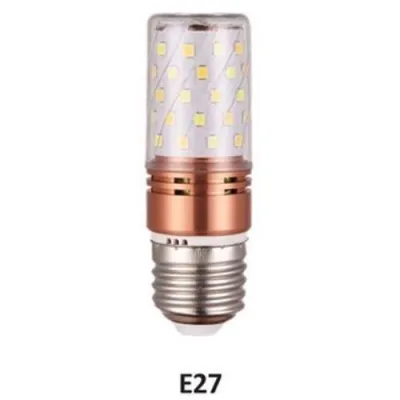
Before finalizing your purchase, always verify the manufacturer’s label for the maximum wattage rating and the specific bulb base type, such as E27 or E14. Exceeding the recommended wattage can cause excessive heat buildup inside the shade, which poses a fire hazard and can damage the lamp’s internal wiring. Using energy-efficient LED bulbs is highly recommended, as they produce minimal heat compared to traditional halogen or incandescent bulbs, keeping your reading corner cool and comfortable in humid tropical weather.
In the Philippines, electrical appliances must meet strict safety standards to ensure they are safe for home use. Look for the Philippine Standard (PS) quality mark or the Import Commodity Clearance (ICC) sticker on the lamp’s packaging or electrical cord. These certifications verify that the product has undergone rigorous testing for insulation quality, wiring safety, and structural integrity under local electrical conditions.
Standard household electricity in the Philippines operates at 220V at 60Hz. Ensure the lamp’s built-in wiring and any included bulbs are rated for this voltage to prevent short circuits or premature bulb failure. Additionally, check that the plug type matches your wall outlets—typically Type A or Type B flat-prong plugs—so you can connect the lamp directly to the wall without relying on loose, unsafe adapters or daisy-chained extension cords.
Frequently Asked Questions (FAQ)
How high should a reading floor lamp be?
To prevent glare and eye strain, the bottom of the lamp shade should ideally align with your eye level or sit slightly below it when you are seated in your reading chair. For most standard armchairs and sofas, this means the light source should be positioned between 115 to 135 centimeters from the floor. If the shade is too high, the exposed bulb will shine directly into your eyes, causing discomfort; if it is too low, the light beam will be too narrow to illuminate your book properly.
Can I use a smart bulb in a standard reading floor lamp?
Yes, you can use a smart bulb in most standard floor lamps, provided the bulb’s base matches the lamp socket and the wattage does not exceed the fixture’s limit. However, if your floor lamp has a built-in physical dimmer switch, using a standard smart bulb can cause flickering, buzzing, or damage to the bulb’s internal electronics. To avoid these issues, ensure the lamp’s physical switch is kept at full power, or choose a lamp with a simple on/off switch and control the dimming exclusively through your smart home app or remote.

Community discussion
Share your experience or ask a question. Comments are reviewed before publication.