
Creating a dedicated reading corner requires more than just a comfortable chair; it demands a lighting setup that prevents eye strain and complements your living space. The ideal floor lamp stand must balance physical stability with precise light control, ensuring that your pages are perfectly illuminated without casting harsh shadows or creating uncomfortable glare. By focusing on key features such as adjustability, shade design, and base weight, you can transform any quiet corner into an inviting sanctuary for late-night reading.
Matching the Lamp to Your Seating and Space
Seating Height and Light Alignment
The height of your reading chair dictates where the light source should sit. A deep, low-slung sofa requires a different lamp height than a structured, high-back wing chair. If the light source is too high, it can shine directly into your eyes; if it is too low, your own head and shoulders may cast shadows over your book. Choosing a lamp that aligns with your specific seating ensures the beam targets your reading material rather than your eyes.
Base Footprint and Floor Space Constraints
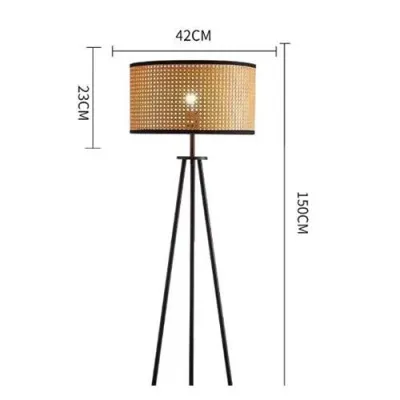
A sturdy floor lamp stand relies on its base to remain upright, but the style of this base must match your floor layout. Compact, heavily weighted circular bases are excellent for tight corners where space is limited. Alternatively, flat, low-profile bases can slide directly under the edge of a sofa or armchair, allowing you to position the light source closer to your reading position without sacrificing valuable floor space.
Products mentioned in this guide

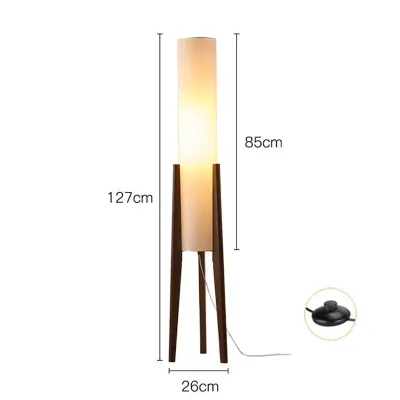
Prices are valid at publication and may change. Please refer to the product page for the latest price.
Navigating Room Obstacles
Before choosing a stand, observe the surrounding environment for potential obstructions. Side tables, indoor plants, and nearby walkways can limit where a lamp can safely stand. In homes where electric fans or air conditioning units circulate air, a lamp placed too close to high-traffic paths or air currents must have a highly stable footprint to prevent accidental tipping.
Evaluating Light Quality and Glare Control
Brightness Levels and Dimming Capabilities
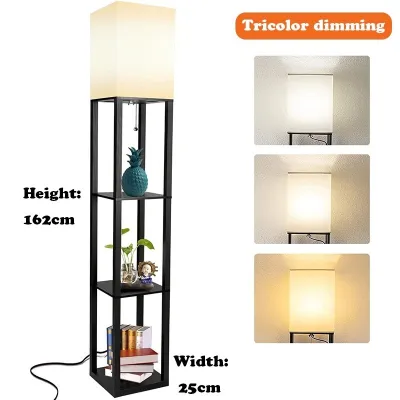
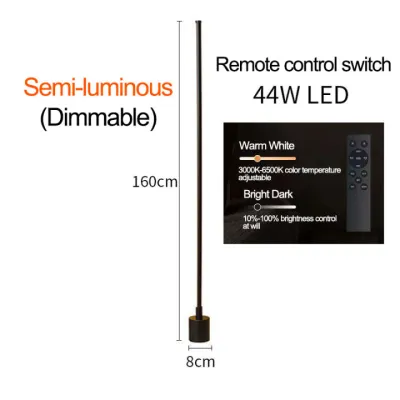
Reading comfort changes depending on the time of day and the natural light available in your room. A lamp with dimmable settings allows you to transition from a bright, focused task light during gloomy afternoons to a softer, warmer glow for late-night reading. Look for step-dimming or continuous dimming features that let you adjust the output to match your visual comfort.

Shade Materials and Light Direction
The material of the lamp shade determines how light is distributed across your reading area. Opaque metal or thick plastic shades concentrate the light downward in a direct beam, which is ideal for focusing on fine print. Fabric or paper shades diffuse light outward, creating a softer ambient glow that reduces the harsh contrast between the illuminated page and the rest of the darkened room.
Glare Prevention and Heat Management
Direct glare from an exposed bulb can quickly cause eye fatigue and headaches. Choosing a lamp with an adjustable shade angle or an integrated diffuser helps shield your eyes from the direct glare of the light source. Additionally, in tropical climates, heat management is essential; selecting energy-efficient LED bulbs or lamps with ventilated shades prevents the reading corner from becoming uncomfortably warm during long reading sessions.
Checking Adjustability and Floor Lamp Stand Stability
Fixed Poles versus Articulating Arms
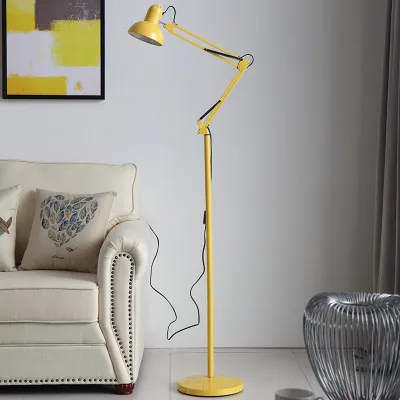
A standard fixed-pole floor lamp stand offers a clean, minimalist look but limits your ability to direct light. If you frequently change your reading posture or share the space with family members of different heights, an articulating arm or a gooseneck design is highly beneficial. These adjustable options allow you to pull the light closer to your page or push it away when you need more ambient illumination.
Base Weight and Counterbalance Physics
When a floor lamp stand features an arched or cantilevered arm, the physical laws of leverage come into play. The further the lamp head extends from the center pole, the heavier the base must be to prevent the unit from toppling over. Always check the manufacturer’s specifications regarding base weight, especially if you plan to extend the adjustable arm to its maximum reach over your seating area.
Joint Locking Mechanisms
The adjustability of a lamp is only as good as its locking mechanisms. Over time, loose joints can cause the lamp head to droop or sag under its own weight. Look for stands equipped with robust tension knobs, locking screws, or heavy-duty friction joints that can be easily tightened by hand to keep the light securely positioned at your preferred angle.
Choosing Controls and Dual-Purpose Features
Switch Accessibility and Placement
Convenience is key when you are settled into a comfortable reading position. A foot pedal switch on the power cord is highly practical for tiled or wooden floors, allowing you to turn the lamp on and off with a simple tap. For carpeted areas or deep seating, a touch-sensitive pole or an inline switch located closer to the lamp head ensures you do not have to stretch or stand up to adjust the light.
Cord Management and Safety
A loose power cord trailing across a room is both an eyesore and a tripping hazard. Look for floor lamp stands that feature built-in cord clips or hollow poles that route the wire internally from the head to the base. Keeping the cord taut and neatly routed along the baseboards helps maintain a clean aesthetic and prevents accidental tugs that could pull the lamp over.
Dual-Source Lighting and Ambient Balance
Some modern floor lamps offer a dual-purpose design featuring a primary upward-facing light and a secondary, adjustable reading arm. This combination is highly effective for reading corners because the upward light bounces off the ceiling to provide gentle ambient illumination, while the lower arm delivers the focused task light needed for reading, minimizing the strain caused by extreme light contrasts.
Final Measurement and Compatibility Checklist
Outlet Proximity and Cord Reach
Before finalizing your purchase, measure the distance from your preferred reading chair to the nearest electrical outlet. Most floor lamps come with standard cord lengths, but if the outlet is far away, you may need to plan for safe cord routing. Avoid stretching cords tightly across walkways or relying heavily on extension wires, which can pose safety risks.
Height Alignment and Eye Level
Sit in your reading chair and measure the height from the floor to your shoulder and eye level. Ideally, the bottom of the lamp shade should align near your shoulder height when seated, directing the light onto your book while keeping the bulb itself hidden from your direct line of sight. This simple measurement ensures you select a stand with the correct height range.
Electrical Specifications and Bulb Types
Always verify the electrical compatibility of the lamp with your home’s power supply. In the Philippines, standard household voltage is 220V, so ensure the lamp and its included driver or bulb are rated for this voltage. Check the product label for the maximum wattage limit to prevent overheating, and confirm whether the fixture uses standard replaceable bulbs, such as standard E27 screw bases, or integrated LED modules that cannot be easily replaced.

Community discussion
Share your experience or ask a question. Comments are reviewed before publication.