
Transforming a modern living space into a cozy sanctuary often comes down to how you manage your lighting. Sunset mood lamps, including popular options like the vegeta lamp, have become essential tools for creating a warm, relaxing atmosphere in urban condos and homes. These specialized projection devices mimic the soft, golden hues of a natural sunset, instantly softening harsh room angles and providing a soothing backdrop for winding down after a busy day.
However, not all ambient projection lamps are built the same. To find a model that delivers a clean, immersive glow without frustrating technical flaws, you must look closely at specific hardware features. Evaluating the optical design, light control options, coverage capabilities, and electrical safety standards before making a purchase ensures your new light source functions beautifully and safely in your home.
Projection Quality and Optical Design
The overall visual appeal of a sunset lamp depends heavily on its optical components. The lens is the most critical element, as it determines how the light is shaped and projected onto your walls. High-quality models typically feature thick, optical-grade glass lenses that project a clear, vibrant halo with a smooth color gradient. In contrast, cheaper plastic lenses can cause the light to look blurry, distorted, or unevenly distributed, and they are highly susceptible to scratching and heat degradation over time.
Products mentioned in this guide
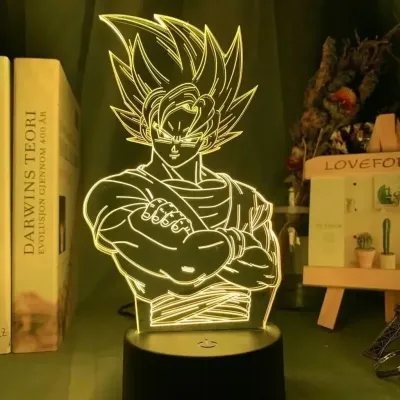
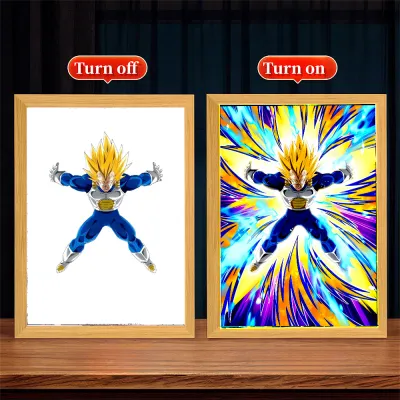
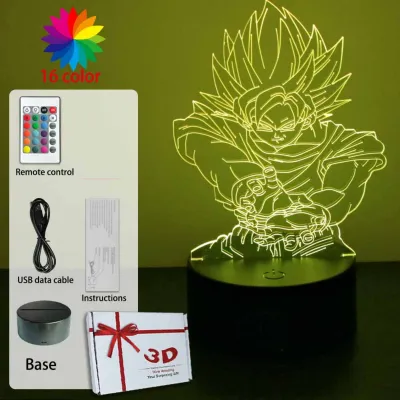
Prices are valid at publication and may change. Please refer to the product page for the latest price.
When comparing different models, check if the lamp offers an adjustable focus mechanism. Some projection lamps allow you to rotate the lens head or adjust the barrel distance to customize the edge of the sunset circle. This feature lets you choose between a crisp, defined solar disk and a soft, blended wash of color that fades seamlessly into the surrounding darkness.
Additionally, pay close attention to the construction of the lamp housing. Poorly manufactured casings often suffer from light leaks, where bright white or blue light escapes from the seams of the head or the back of the unit. This stray light can ruin the ambient effect in a darkened room. Look for a tightly sealed, solid housing design that keeps all light directed strictly through the primary lens.
Brightness, Dimming, and Color Modes
Matching the lamp’s light output to your specific room environment requires a versatile control system. Sunset lamps generally fall into two categories: fixed-color models that project a single, classic warm orange hue, and multi-color RGB models that offer a spectrum of colors, including deep violets, forest greens, and soft pinks. If you want a highly realistic sunset effect, a dedicated single-color lamp often provides richer, more authentic warm tones. If you prefer versatility for photography or changing moods, a multi-color model is highly adaptable.

Control methods also vary significantly across different brands. Basic models rely on a simple inline physical switch, while advanced options feature remote controls or dedicated smartphone applications. If you choose an app-controlled model, verify the connection requirements—such as Bluetooth or 2.4 GHz Wi-Fi—to ensure compatibility with your home setup.
Dimming capabilities are equally important for daily usability. A lamp with a wide dimming range can serve multiple purposes, functioning as a vibrant backdrop for evening gatherings or a subtle, low-intensity nightlight for sleeping. Check the product specifications to see if the dimming is step-less or limited to a few fixed brightness levels, as step-less dimming offers much finer control over the room’s atmosphere.
Coverage Angle and Throw Distance
Understanding how a sunset lamp projects light across a physical space is key to planning its placement. The size and intensity of the projected halo are directly determined by the throw distance, which is the physical space between the lamp lens and the wall or ceiling. As you move the lamp further away from the surface, the projection grows larger but naturally loses some of its brightness and color saturation.
The beam angle of the lens dictates the shape of this projection. A narrow beam angle creates a tight, concentrated circle of light that mimics a distant sun, making it ideal for highlighting specific decor elements or creating a dramatic focal point. A wide beam angle, on the other hand, produces a broad, soft wash of color that can cover an entire wall, which is perfect for general ambient relaxation.
Before purchasing, consider your room layout and ceiling height. If you live in a compact condo with limited floor space, you may need to place the lamp very close to the wall. In such setups, a lamp with a wide beam angle or a highly flexible, 360-degree rotating neck is essential, as it allows you to angle the projection upward or sideways to maximize the visual impact within a tight footprint.
Power Supply, Heat, and Installation Safety
Electrical safety and compatibility should never be overlooked when introducing new lighting to your home. In the Philippines, standard household outlets operate at 220V at 60Hz. Many modern sunset lamps are powered via a 5V USB interface, which offers great flexibility but requires a reliable USB wall adapter. Always check the manufacturer’s specifications to verify the required amperage—usually 1A or 2A—and use a certified, high-quality adapter to prevent flickering or overheating.
Because these lamps utilize high-intensity LEDs packed into compact heads, heat dissipation is a critical safety factor. Look for models constructed with aluminum or heat-resistant polycarbonate housings that feature built-in ventilation slots. Metal housings are generally superior at drawing heat away from the internal components, extending the lifespan of the LEDs and keeping the outer casing safe to touch during adjustment.
Finally, follow safe placement guidelines to protect your living space. Position the lamp on a stable, flat surface where it cannot be easily knocked over by pets or foot traffic. Keep the unit away from high-humidity zones, such as open bathrooms or kitchen prep areas, unless it carries an explicit moisture-resistance rating. Always isolate the power supply by unplugging the device before adjusting the physical hardware or performing any maintenance.
Frequently Asked Questions (FAQ)
Can a sunset mood lamp be used as a primary light source?
No, sunset mood lamps are designed exclusively for accent and ambient lighting. They do not provide the balanced, high-lumen output or color rendering index required for general household illumination, reading, or detailed task work. Using them as a primary light source can cause eye strain.
How do I clean the lens of a vegeta lamp without damaging it?
To clean the lens safely, first unplug the lamp and allow it to cool down completely. Gently wipe the surface of the lens with a dry, clean microfiber cloth to remove dust and fingerprints. If there are stubborn smudges, use a slightly damp microfiber cloth with water only; avoid harsh chemical cleaners, alcohol, or abrasive materials that can scratch or strip the optical coatings. Always refer to the manufacturer’s user manual for specific care instructions.

Community discussion
Share your experience or ask a question. Comments are reviewed before publication.