
Designing home lighting involves more than choosing stylish fixtures. The brightness and color of your lights directly affect daily comfort, eye health, and room utility. If you are planning to install LED ceiling spot lights, balancing light output and color appearance is key to creating a functional, inviting space. To get the best results, look at two primary technical specifications: lumens (brightness) and Kelvin (color temperature). Task-oriented areas like kitchens generally need brighter, cooler light (around 300 to 450 lumens per fixture at 4000K to 5000K) to ensure high visibility. In contrast, relaxation zones like bedrooms require softer, warmer light (150 to 250 lumens per fixture at 2700K to 3000K) to help you wind down. Selecting the right led lights for house ceiling requires matching these specific metrics to the unique activities performed in each room.
Decoding Lumens and Color Temperature on LED Labels
For decades, homeowners relied on wattage as the primary indicator of how bright a light bulb would be. However, wattage only measures the amount of electrical power a bulb consumes, not the amount of light it emits. Because modern LED technology is highly energy-efficient, it produces significantly more light using a fraction of the power of older incandescent or halogen bulbs. To make an accurate choice for your ceiling spot lights, you must shift your focus from watts to lumens.
Lumens (lm) measure the total quantity of visible light emitted by a source. When dealing with spot lights, the concept of brightness is highly focused compared to standard bulbs. Because spot lights use internal reflectors or lenses to concentrate light into a directional beam, the perceived brightness within that beam is much higher than that of an omnidirectional bulb with the same lumen rating. Therefore, a 350-lumen spot light will feel intensely bright when pointed directly at a surface, whereas a 350-lumen standard bulb will gently scatter light across an entire corner.
Products mentioned in this guide
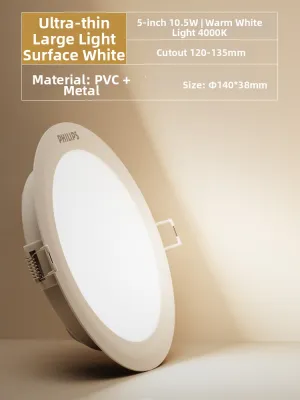
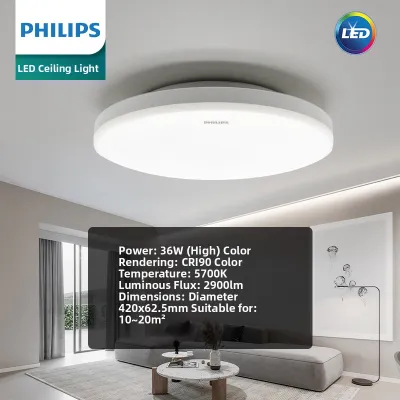

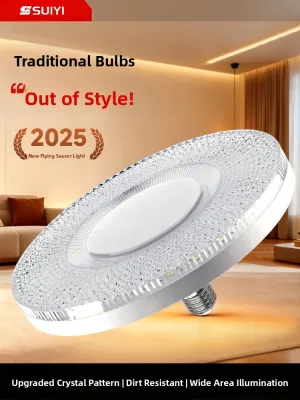
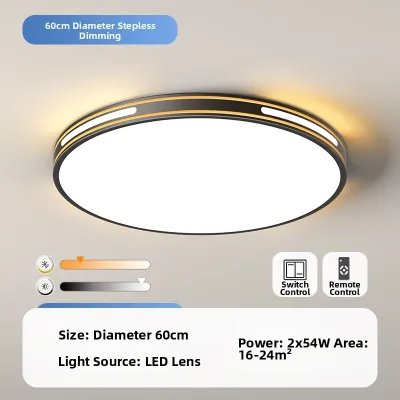
Prices are valid at publication and may change. Please refer to the product page for the latest price.
Color temperature describes the color appearance of the light and is measured on the Kelvin (K) scale. Lower Kelvin numbers, such as 2700K to 3000K, represent “warm white” light, which has a cozy, yellowish-amber hue. As the Kelvin rating increases to 4000K, the light shifts to a “neutral white” that mimics natural afternoon light. When you reach 5000K to 6500K, the light becomes “cool white” or “daylight,” displaying a crisp, bluish-white tone that promotes alertness.
Before purchasing any fixtures, always locate the lighting facts label on the product packaging or the specifications sheet on online marketplaces. This label lists the exact lumen output, the color temperature in Kelvin, and the power consumption in watts. Checking these details ensures you do not accidentally buy a cool daylight bulb when you intended to create a warm, relaxing atmosphere.
Matching Brightness and Light Color to Room Functions
Every room in your home serves a different purpose, meaning a single lighting style cannot work universally. By tailoring both the brightness and color temperature to the specific tasks performed in each zone, you can maximize both utility and comfort.

Kitchen and Task-Heavy Areas
Kitchens are highly active spaces where safety and precision are paramount. Activities like chopping vegetables, reading recipes, and operating appliances require clear, shadow-free visibility. To achieve this, kitchen spot lights should deliver a higher light output, typically between 300 and 450 lumens per fixture. This level of brightness ensures that work surfaces are thoroughly illuminated, reducing eye strain and preventing accidents.
For the color temperature in a kitchen, neutral white (4000K) or cool white (5000K) is highly recommended. These cooler tones stimulate focus and make colors appear sharp and clean. Cool light also helps you spot dirt or spills on countertops easily, making cleanup more efficient.
To avoid harsh shadows, do not rely solely on ceiling-mounted spot lights. When you stand at a counter, your body can block the overhead light, casting a shadow over your hands. To prevent this, layer your lighting by combining ceiling spot lights with under-cabinet LED strip lights. This combination ensures that your primary task surfaces remain perfectly illuminated regardless of where you stand.
Bedroom and Relaxation Zones
The bedroom is a sanctuary meant for rest, recovery, and winding down at the end of the day. High-intensity, cool blue light in this space can disrupt your circadian rhythm by suppressing melatonin production, making it harder to fall asleep. Consequently, bedroom lighting should focus on soft, low-glare illumination.
For bedroom spot lights, aim for a lower output of 150 to 250 lumens per fixture. This subtle brightness is sufficient for moving around safely and finding items without shocking your eyes with intense glare. Pair this lower brightness with a warm white color temperature of 2700K to 3000K. The warm, amber undertones mimic the sunset, signaling your brain that it is time to relax.
To enhance the calming effect, pay close attention to fixture placement. Avoid placing spot lights directly over the bed pointing straight down, as this creates uncomfortable glare when you are lying down. Instead, position the fixtures closer to the walls and angle the beams toward the plaster or wardrobe doors. This technique, known as wall washing, creates a soft, indirect bounce of light that fills the room with a gentle glow. If possible, install dimmable fixtures so you can lower the light levels further as bedtime approaches.
Hallways, Living Rooms, and Accent Lighting
Transition spaces and social areas require a balanced approach to lighting that can adapt to different times of day and various activities. Hallways, for instance, are narrow corridors that only require moderate illumination. A range of 200 to 300 lumens per spot light is ideal here, providing enough light for safe navigation through the home without creating a harsh tunnel-of-light effect.
Living rooms are highly versatile spaces used for hosting guests, watching television, reading, or relaxing. Because the room’s function shifts constantly, the lighting should be equally flexible. A color temperature of 3000K (warm-neutral) is often the sweet spot, offering a welcoming atmosphere while still providing enough clarity for social gatherings. If you use your living room for detailed hobbies or reading, you might prefer a slightly crisper 4000K neutral white.
Spot lights are also exceptionally well-suited for accent lighting, allowing you to highlight specific features like framed artwork, architectural details, or indoor tropical plants such as monstera or palms. When using spot lights for accents, adjust the brightness based on the surrounding ambient light. The accent light should be roughly three times brighter than the room’s general background lighting to draw the eye, but not so bright that it washes out the colors of a painting or creates a harsh glare on glass frames.
Beyond the Basics: Beam Angle, CRI, and Dimmability
While lumens and color temperature form the foundation of your lighting plan, several secondary technical specifications play a massive role in the final visual outcome of your installation.
The beam angle determines how wide or narrow the light spreads from the fixture. Spot lights with a narrow beam angle (15 to 24 degrees) concentrate their output into a tight, intense column of light. This is perfect for dramatic accent lighting, such as highlighting a sculpture or a specific architectural column. Medium to wide beam angles (36 to 60 degrees) spread the light over a larger area, making them far better suited for general room illumination or creating a soft wash of light across a wall.
Another critical metric is the Color Rendering Index (CRI), which measures how accurately a light source reveals the true colors of objects compared to natural sunlight. CRI is rated on a scale up to 100. For areas where color accuracy is vital—such as the kitchen (for judging the freshness of food), vanity areas (for applying makeup), or art displays—look for LED spot lights with a CRI of 90 or higher. Low-CRI lights can make spaces look dull, gray, or unnaturally tinted.
Dimmability is a feature that adds immense value to living rooms and bedrooms, but it requires careful coordination. Not all LED spot lights are designed to be dimmed. If you plan to use a dimmer, you must verify that the LED fixture is explicitly labeled as “dimmable.” Furthermore, traditional dimmer switches built for older incandescent bulbs often cause LEDs to flicker, buzz, or drop out. You must pair dimmable LEDs with a compatible modern dimmer switch designed specifically for LED loads.
Finally, keep in mind that some technical specifications are less critical for standard dry indoor ceilings. For example, high Ingress Protection (IP) ratings, which indicate resistance to dust and water, are unnecessary for living rooms, hallways, and bedrooms. A standard IP20-rated fixture is perfectly adequate for these dry areas, allowing you to focus your budget on light quality rather than unnecessary weatherproofing. Save high IP ratings (such as IP44 or IP65) strictly for bathrooms or outdoor eaves where moisture is a constant factor.
Electrical Compatibility and Safe Installation Boundaries
Before purchasing any new LED spot lights, you must verify that the fixtures are physically and electrically compatible with your home’s existing infrastructure to prevent safety hazards or wasted investments.
First, verify the electrical specifications. In the Philippines, the standard residential power supply is 220V to 240V at a frequency of 60Hz. Many imported LED lights sold on online marketplaces are designed for 110V or 50Hz systems. Installing an incompatible voltage fixture can lead to immediate driver failure, overheating, or even electrical fires. Always read the product label to confirm that the voltage and frequency match local standards, and look for safety certifications like the Philippine Standard (PS) mark or Import Commodity Clearance (ICC) sticker.
Next, check physical compatibility. Spot lights come in various form factors, including track-mounted fixtures and recessed downlights. For recessed spots, you must measure the cut-out hole diameter in your ceiling and the available cavity depth behind the drywall or gypsum board. You also need to identify the base type—common options include GU10 (a twist-and-lock base running on mains voltage) and MR16 (which often requires a separate low-voltage transformer). Standard GU10 LED bulbs typically range from ₱100 to ₱300, while high-CRI integrated fixtures can cost ₱500 to ₱1,500 or more.
Heat dissipation is another crucial safety factor. Although LEDs produce far less heat than older halogen bulbs, their delicate electronic drivers still generate heat that must escape. If you are installing recessed spot lights into a ceiling cavity that contains thermal insulation, you must use fixtures rated as “IC” (Insulation Contact), which are safe to be in direct contact with insulation. Non-IC rated fixtures require a safety clearance of at least 3 inches of free air space around the fixture to prevent heat buildup and potential fire risks.
Always prioritize safety when handling electrical installations. Before inspecting an existing fixture, changing a bulb, or measuring a cut-out, isolate the electrical circuit by turning off the main breaker at your home’s distribution panel. Never rely solely on the wall switch. If your project involves modifying fixed ceiling wiring, running new electrical lines, upgrading track light rails, or dealing with exposed wires, stop immediately. These tasks fall outside the scope of DIY maintenance. Always hire a licensed professional electrician to complete the work in compliance with the Philippine Electrical Code (PEC) to ensure your home remains safe and secure.
Frequently Asked Questions (FAQ)
Can I mix different color temperatures in the same room?
In almost all cases, mixing different color temperatures in the same room is highly discouraged. Having a cool 5000K spot light next to a warm 3000K light creates a visually chaotic, uncoordinated environment that can cause eye strain and make the room look poorly designed. For a cohesive look, maintain a consistent color temperature for all general and ambient lighting within a single space. The only exception is if you have a highly isolated, dedicated accent zone—such as a specific piece of artwork or a display cabinet—where a cooler spot light is used strictly to make the display pop against a warmer room background.
Do LED spot lights need special dimmer switches?
Yes, LED spot lights generally require specialized dimmer switches. Traditional analog dimmers function by slicing the electrical current, which works well for resistive incandescent bulbs but causes electronic LED drivers to flicker, hum, or fail prematurely. To ensure smooth, flicker-free dimming from 100% down to low levels, always verify that your spot lights are explicitly labeled as dimmable and pair them with a modern trailing-edge dimmer switch that is certified for LED loads.
How do I clean and maintain recessed or track spot lights?
To clean your spot lights safely, always turn off the power at the wall switch and allow the fixtures to cool completely to avoid burns or electrical shocks. Use a dry, clean microfiber cloth or a soft-bristled static brush to gently wipe away accumulated dust and cobwebs from the outer trim, the track rail, and the lens. Avoid using liquid sprays, wet cloths, chemical solvents, or abrasive scrubbing pads, as moisture can seep into the electronic drivers and cause a short circuit, while abrasive materials can scratch the optical lens and distort the light beam.

Community discussion
Share your experience or ask a question. Comments are reviewed before publication.