
Choosing the right LED flat light requires moving past old lighting habits and focusing on three core specifications: lumens, wattage, and color temperature. Lumens measure the actual brightness of the fixture, wattage indicates how much electricity it consumes, and color temperature determines the warmth or coolness of the light. Understanding how these metrics interact allows you to select energy-efficient fixtures that match your room’s functional needs, physical layout, and electrical requirements.
Transitioning to modern LED panel lights from older fluorescent tubes or incandescent bulbs can be confusing if you rely solely on wattage to judge brightness. By learning how to read product labels and verify physical compatibility, you can avoid common installation mistakes and ensure your new lighting system operates safely and efficiently.
Lumens vs. Wattage: How to Judge Brightness and Efficiency
To choose the right LED flat light, you must first separate the concept of power consumption from light output. Wattage measures the amount of electrical energy a fixture draws from your electrical system. In contrast, lumens measure the total amount of visible light emitted by the source.
Products mentioned in this guide
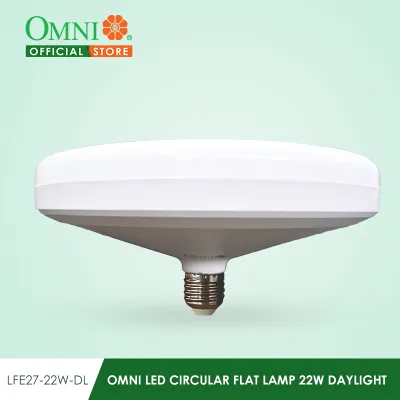
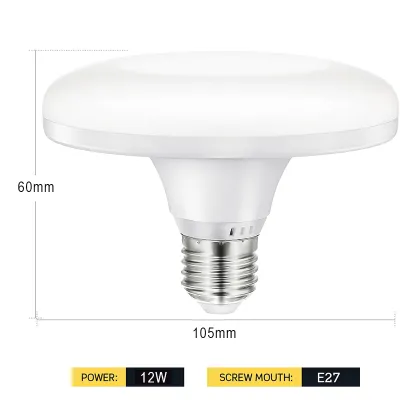
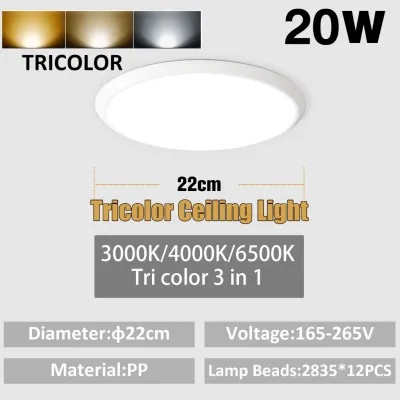
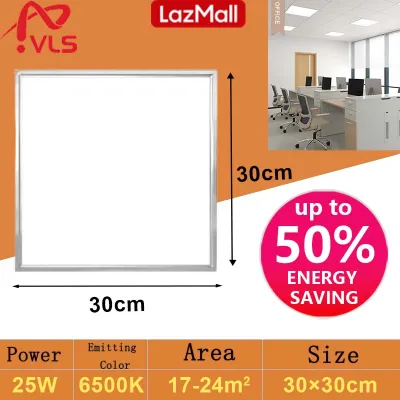
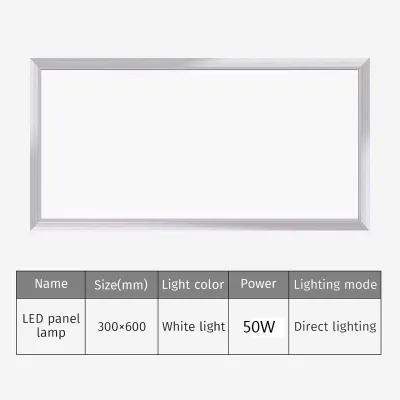
Prices are valid at publication and may change. Please refer to the product page for the latest price.
Because LED technology is highly efficient, these fixtures require far less power to produce the same amount of light as older technologies. For example, a traditional fluorescent ceiling fixture might draw a high wattage to illuminate a room, whereas a modern LED flat light can achieve the exact same brightness while consuming a fraction of the electricity. Consequently, relying on wattage as a shorthand for brightness will lead to purchasing fixtures that are either too bright or insufficiently lit for your space.
When comparing different LED flat lights on an online marketplace or at a local home improvement store, always use the lumen rating as your primary guide for brightness. To evaluate energy efficiency, look at the luminous efficacy, which is calculated by dividing the total lumens by the wattage (lumens per watt). A higher lumen-to-watt ratio means the fixture delivers more light for every peso spent on your monthly electricity bill. Always check the product packaging or spec sheet for these verified ratings rather than relying on vague marketing claims.
Color Temperature: Choosing the Right Kelvin for Your Space
Color temperature describes the visual appearance of the light emitted by the fixture, measured on the Kelvin (K) scale. Lower Kelvin numbers represent warm, yellowish light, while higher Kelvin numbers represent cool, bluish-white light. Selecting the correct color temperature is essential because it directly influences the mood, visual comfort, and functionality of a room.

In residential and commercial spaces, color temperatures generally fall into three main categories:
- Warm White (2700K to 3000K): This range creates a cozy, relaxing, and intimate atmosphere. It is highly suitable for bedrooms, living rooms, and dining areas where comfort is the priority.
- Neutral White (4000K): Offering a clean, balanced light that mimics natural daylight without being overly harsh, neutral white is ideal for general visibility in hallways, kitchens, and bathrooms.
- Cool Daylight (6000K to 6500K): This range provides a bright, crisp, and stimulating light that enhances focus and reduces eye strain during detailed tasks. It is best suited for home offices, study areas, laundry rooms, and utility spaces.
In tropical climates like the Philippines, cool daylight is exceptionally popular because it creates a visually clean, refreshing environment that feels cool under hot weather conditions. However, you should avoid relying on subjective terms like “daylight” or “cool white” printed on the box, as different manufacturers define these terms differently. Always verify the exact Kelvin number on the product label to ensure that all fixtures installed in the same room match perfectly.
Building Your Specification Checklist for LED Flat Lights
Before purchasing an LED flat light, compile a practical checklist that covers both performance specifications and physical installation requirements. This ensures the fixture fits your ceiling structure and operates safely within your home’s electrical system.
First, match the lumen output and color temperature to the specific room size and function. A large kitchen requires higher total lumens in a neutral or cool temperature, while a small hallway needs fewer lumens.
Second, perform critical physical and electrical checks:
- Ceiling Cut-Out Dimensions: For recessed LED flat lights, measure the cut-out diameter or dimensions in your gypsum or acoustic ceiling. The fixture's rear housing must fit securely within this opening, while the outer trim covers the edges.
- Fixture Depth and Clearance: Measure the depth of your ceiling plenum—the space between your drop ceiling and the concrete slab or roof. Ensure there is sufficient clearance for the fixture housing and its external LED driver, allowing enough air space to prevent heat buildup.
- Voltage Compatibility: Verify that the fixture or its driver is rated for the standard local voltage of 220V at 60Hz. Installing a fixture designed solely for 110V will cause immediate electrical damage and safety hazards.
- IP Rating for Damp Areas: If you are installing the light in a bathroom, dirty kitchen, or outdoor eaves where humidity is high, verify that the fixture has an appropriate Ingress Protection (IP) rating to resist moisture.
Because installing fixed ceiling fixtures involves working with live electrical wiring and working at heights, safety must be your top priority. Always isolate the power at the main circuit breaker before attempting any installation or maintenance. If you are unsure about wiring configurations, ceiling load capacities, or modifying your ceiling structure, always hire a qualified professional electrician to complete the installation.
Finally, check for dimmability. If you plan to connect your LED flat light to a dimmer switch to adjust the ambiance, you must verify that the fixture is explicitly labeled as “dimmable.” Standard LED drivers are not compatible with dimmers and will malfunction if connected to one.
Frequently Asked Questions (FAQ)
What is CRI and does it matter for LED flat lights?
CRI, or Color Rendering Index, measures how accurately a light source reveals the true colors of objects compared to natural sunlight, using a scale from 0 to 100. For standard residential spaces, a CRI of 80 or above is perfectly adequate. However, in areas where precise color distinction is important—such as above kitchen countertops, vanity mirrors, or art workspaces—look for LED flat lights with a CRI of 90 or higher to prevent colors from appearing dull, gray, or distorted.
Can I use a dimmer switch with any LED flat light?
No, you cannot use a standard dimmer switch with just any LED flat light. You must purchase a fixture that is explicitly marked as dimmable by the manufacturer. Additionally, you must ensure that your dimmer switch is compatible with LED technology. Older dimmers designed for incandescent bulbs often cause LED lights to flicker, buzz, or fail prematurely. Always consult the manufacturer’s documentation to match the LED driver with a compatible dimmer model.

Community discussion
Share your experience or ask a question. Comments are reviewed before publication.