
Selecting the right lighting for a modern condominium unit in the Philippines often presents a unique spatial challenge. With typical condo ceiling heights ranging from 2.4 to 2.7 meters, bulky hanging fixtures can make rooms feel cramped and visually cluttered. Installing pin lights led for ceiling mounted applications offers a practical, streamlined solution that maximizes vertical clearance while providing clean, modern illumination. This guide outlines the critical spatial, optical, and electrical factors you must evaluate to build a reliable shortlist of LED flush mount pin lights for your low-ceiling condo.
Understanding Flush Mount Pin Lights for Low Ceilings
To make an informed choice, it is essential to understand the structural differences between surface-mounted flush lights and recessed pin lights. Surface-mounted fixtures are installed directly onto the ceiling surface, extending slightly downward. They are highly versatile because they do not require a ceiling cavity, making them the primary choice for solid concrete ceilings. In contrast, recessed pin lights are installed inside a ceiling cavity, sitting flush with the plasterboard or gypsum surface for a completely seamless look.
The spatial benefits of these low-profile fixtures are particularly evident in compact condo layouts. By keeping the light source close to or within the ceiling plane, you maintain an unobstructed line of sight across the room, which visually expands the living space. This open feel is difficult to achieve with traditional pendant lights or flush mount domes that protrude significantly into the room.
Products mentioned in this guide
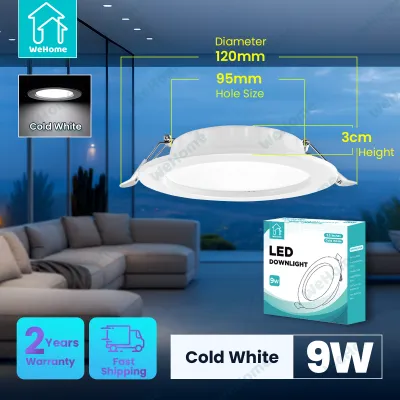
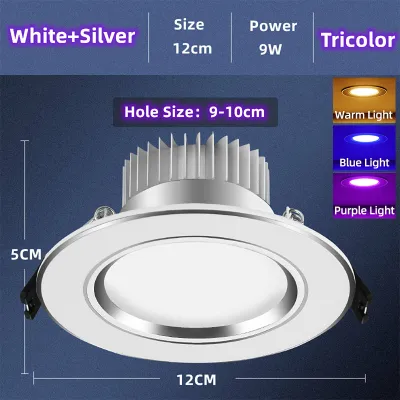
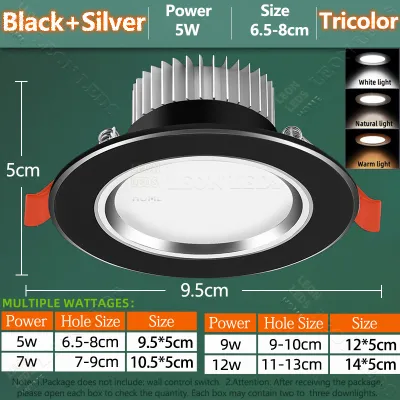
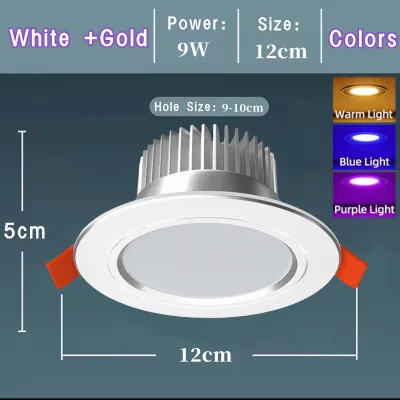
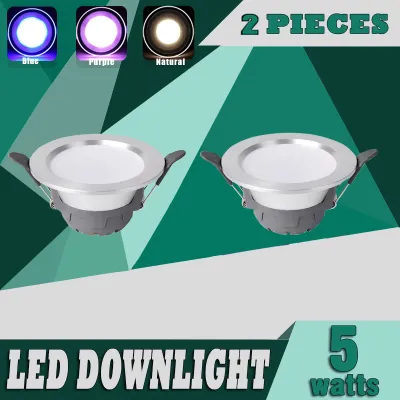
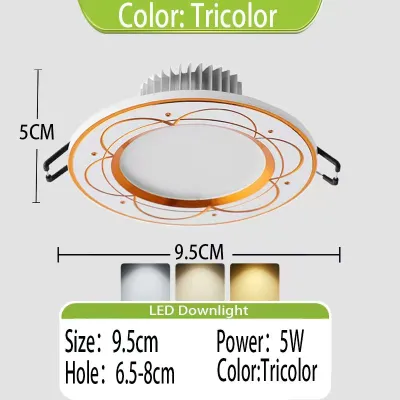
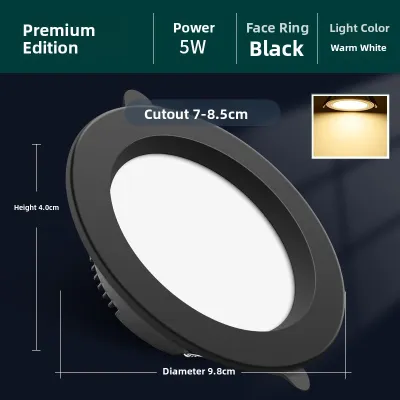
Prices are valid at publication and may change. Please refer to the product page for the latest price.
You must also choose between fixed downlights and adjustable, or gimbal, pin light designs. Fixed pin lights cast a steady beam straight down, providing uniform ambient light across a room. Adjustable pin lights feature a swiveling inner ring, allowing you to tilt the light beam to highlight specific features, such as artwork, shelving, or kitchen work zones, without moving the entire fixture.
Key Selection Criteria for Condo Lighting
Evaluating the physical and optical specifications of LED pin lights ensures they perform well in your specific condo layout. The first physical dimension to check is the profile depth of the fixture housing. For recessed installations, measure the depth of your ceiling cavity to ensure the fixture can fit without hitting structural beams or utility pipes. For surface-mounted options, check the overall height of the fixture to ensure it does not protrude excessively.

Matching light output to room function is another critical step. Instead of relying on wattage, which only measures energy consumption, look at the lumen rating on the product label. In low-ceiling environments, installing excessively bright lights can create a harsh, uncomfortable atmosphere. A moderate lumen output per fixture, combined with strategic spacing, provides balanced illumination without overloading the space or generating excessive heat in enclosed ceiling cavities.
Color temperature is a conditional preference that should align with how you use each room. Warm white light, typically ranging from 2700K to 3000K, creates a cozy, inviting atmosphere suitable for bedrooms and living areas. Neutral white light, around 4000K, mimics natural daylight and is highly effective for task-oriented spaces like kitchens and study areas. Cool white light, from 6000K to 6500K, offers high-contrast illumination but can feel clinical, so it is best reserved for utility areas or specific task lighting.
Beam angle and glare control are vital for maintaining visual comfort when ceilings are low. A narrow beam angle concentrates light in a tight spot, while a wide beam angle spreads light evenly across a larger area. Because the light fixtures are closer to your eye line in a low-ceiling condo, look for pin lights designed with deep-recessed LED chips or anti-glare baffles. These design features shield the light source from direct view, reducing eye strain and harsh glare.
Electrical and Installation Requirements
Before purchasing any ceiling-mounted LED fixtures, you must verify that they are compatible with your condo’s electrical system. The standard residential voltage in the Philippines is 220V at 60Hz. Ensure that the integrated LED driver or bulb is rated for this voltage. Choosing fixtures with wide-voltage drivers can help protect the electronics from the voltage fluctuations that occasionally occur in local power grids.
The material of your ceiling dictates the installation method and the type of hardware required. Solid concrete slab ceilings, common in many Philippine condo developments, cannot accommodate recessed fixtures without major structural alterations, which are typically prohibited by building administrations. For concrete ceilings, you must use surface-mounted pin lights secured with masonry anchors. If your condo has a suspended gypsum board or plasterboard ceiling, you can install recessed pin lights, ensuring the board is sturdy enough to support the spring clips.
If you want the ability to dim your lights, you must verify the dimming method and compatibility. Standard wall dimmers designed for older incandescent bulbs often cause LED lights to flicker, buzz, or fail. Ensure the pin lights you select are explicitly labeled as dimmable, and pair them with compatible trailing-edge or electronic low-voltage dimmers. Checking these specifications beforehand prevents costly compatibility issues after installation.
Electrical safety must always be your top priority. Before inspecting existing wiring, mounting fixtures, or making any electrical connections, turn off the main circuit breaker at your condo’s panel board. Never rely solely on the wall switch to isolate the power. If you encounter complex wiring configurations, lack the proper tools, or need to run new electrical conduits, stop immediately and hire a licensed electrician to complete the work safely and in compliance with the Philippine Electrical Code.
Evaluating Product Specifications and Labels
To build a reliable shortlist of LED pin lights, you must learn to read and verify the technical specifications on product packaging. Look for the Color Rendering Index (CRI), which measures how accurately the light reveals the true colors of objects. A CRI of 80 or higher is recommended for residential spaces to ensure your home decor and food look natural. For fixtures installed in high-humidity areas like bathrooms or near kitchen sinks, check the Ingress Protection (IP) rating. An IP44 rating or higher is necessary to protect the internal electronics from moisture and dust.
In the Philippine market, verifying safety compliance is crucial for preventing electrical hazards. Look for recognized certification marks, such as the Philippine Standard (PS) quality mark or the Import Commodity Clearance (ICC) sticker, on the product packaging. These marks indicate that the fixture has passed local safety and performance standards, offering peace of mind regarding fire safety and electrical insulation.
Examine the manufacturer’s documentation for details on thermal management and warranty terms. High-quality LED pin lights feature aluminum heat sinks that efficiently dissipate heat away from the LED chips, extending their operational lifespan. Be cautious of products that claim an exceptionally long lifespan but feature thin, all-plastic housings with no visible thermal management. A reputable manufacturer will back their product with a clear warranty, typically ranging from one to three years, which serves as a good indicator of build quality.
By systematically comparing these verified specifications—such as physical dimensions, voltage compatibility, CRI, IP ratings, and safety certifications—you can create a personalized shortlist. This method ensures you select fixtures that are not only aesthetically pleasing but also structurally compatible and safe for your specific condo environment.
Routine Maintenance and Cleaning
Keeping your flush mount pin lights clean ensures they continue to operate at peak efficiency. Dust, insect debris, and cooking grease can accumulate on the diffusers over time, dimming the light output. To clean the fixtures safely, turn off the power at the breaker and allow the lights to cool completely. Wipe the acrylic, polycarbonate, or glass diffusers gently with a dry, lint-free microfiber cloth. For tougher grime, use a slightly damp cloth, but ensure no moisture enters the housing or contacts the electrical terminals.
Regularly inspect your fixtures for observable signs of wear or electrical issues. If you notice persistent flickering, a change in color temperature, or a significant drop in brightness, the LED driver or chip may be nearing the end of its lifespan. Any warping, discoloration, or melting of the plastic housing is a clear sign of overheating, which requires immediate power isolation and inspection by a qualified professional.
Avoid using harsh chemical solvents, abrasive pads, or alcohol-based cleaners on your fixtures. These substances can degrade plastic lenses, strip protective coatings, and damage the seals that protect the internal electronics from the high humidity typical of the Philippine climate.
Frequently Asked Questions (FAQ)
Can I install flush mount pin lights on a concrete condo ceiling?
Yes, but you must use surface-mounted flush pin lights rather than recessed ones. Recessed pin lights require a hollow ceiling cavity to house the fixture body and wiring, which is physically impossible with a solid concrete slab unless you construct a secondary suspended ceiling. Surface-mounted pin lights are designed to screw directly into the concrete slab using masonry plugs, with the wiring neatly enclosed within the fixture’s own shallow housing. Before undertaking any installation that involves drilling into your ceiling, always consult your condominium’s building administration rules to ensure you comply with structural guidelines and drilling depth limits.
Do LED flush mount lights get hot in enclosed ceiling spaces?
While the light beam emitted by an LED is cool to the touch, the electronic components at the base of the LED chip and driver generate heat during operation. In enclosed ceiling spaces with limited airflow, this heat can accumulate rapidly if it is not properly dissipated. If a fixture lacks a robust aluminum heat sink or is installed in a tight cavity without adequate clearance, the elevated temperatures will degrade the LED driver and chips, leading to premature failure, flickering, or color shifting. Always check the manufacturer’s specifications to verify if the fixture is rated for enclosed installations and ensure there is sufficient clearance around the housing.
Are smart LED flush mount pin lights worth the upgrade?
Smart LED pin lights offer excellent flexibility for multi-purpose condo spaces, allowing you to adjust brightness and color temperature via a smartphone app or voice commands. This is highly convenient in a single-room studio where you might need bright, neutral light for working during the day and dim, warm light for relaxing in the evening. However, smart fixtures rely on a stable wireless network. In concrete condo units, Wi-Fi signals can sometimes be weak or obstructed, which may lead to connectivity issues. Before upgrading, ensure your wireless router provides adequate coverage to your ceiling areas and verify if the fixtures require a dedicated smart hub or are compatible with your existing smart home system.

Community discussion
Share your experience or ask a question. Comments are reviewed before publication.