
Selecting the right circular LED panel light—often searched for as an LED light circle—requires looking beyond the physical shape to understand the technical specifications printed on the box. Because these fixtures are designed to be semi-permanent additions to your ceiling, choosing the wrong specifications can lead to poor lighting, high energy bills, or installation headaches.
By evaluating key metrics like lumens, color temperature, physical dimensions, and electrical compatibility, you can ensure your new fixture perfectly matches your space’s functional and aesthetic needs. Taking the time to verify these details before purchasing prevents compatibility issues and ensures a safe, long-lasting installation.
Understanding Brightness and Power (Lumens vs. Wattage)
In the past, many people bought light bulbs based solely on wattage because they associated higher power consumption with brighter light. With modern LED technology, this relationship is no longer direct. Wattage only measures how much electricity the fixture consumes, not how much light it produces.
Products mentioned in this guide
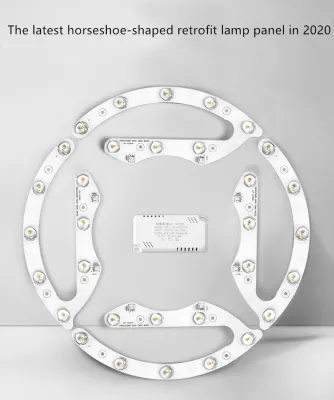
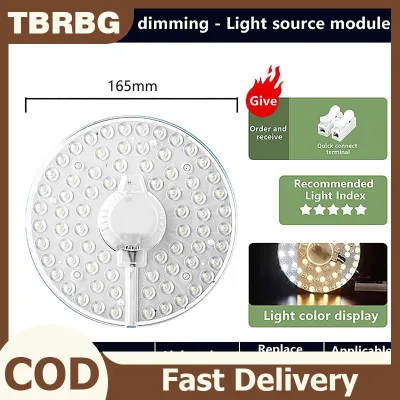
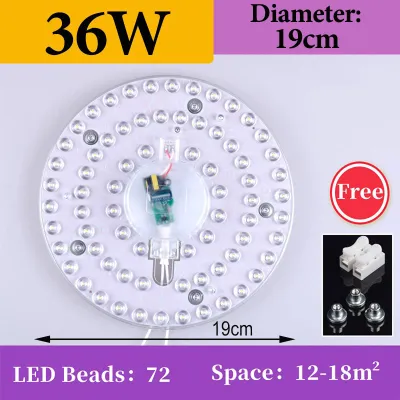
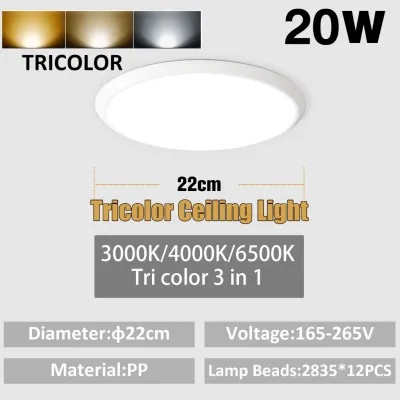
Prices are valid at publication and may change. Please refer to the product page for the latest price.
To determine actual brightness, you must look at the lumen rating. Lumens measure the total amount of visible light emitted by the fixture. A higher lumen count means a brighter light, regardless of the wattage consumed by the panel.
When comparing different fixtures, pay attention to luminous efficacy, which is expressed as lumens per watt. A higher efficacy rating indicates a more energy-efficient fixture that delivers maximum brightness while keeping your electricity bills low.
To estimate the required lumens for your space, consider the room’s dimensions and ceiling height. General living areas typically require fewer lumens per square meter, while task-oriented spaces like kitchens or home offices demand higher light levels to ensure comfortable visibility.
Choosing the Right Color Temperature and CRI
Correlated Color Temperature, measured in Kelvin, determines the color appearance of the light emitted by your panel. Choosing the right color temperature is a matter of personal preference and room function, as it directly influences the mood of a space.

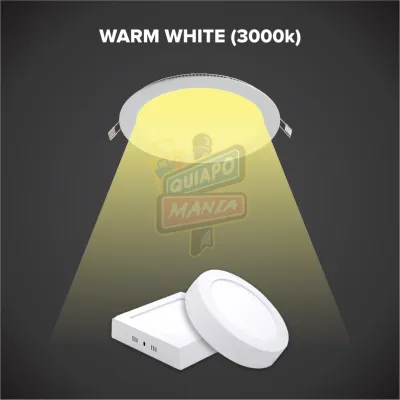
Warm white tones range from 2700K to 3000K, creating a cozy and inviting atmosphere that is ideal for bedrooms and living areas. Neutral white, around 4000K, mimics natural daylight and works well in study areas, home offices, and kitchens where clarity is needed.
Cool white tones, ranging from 6000K to 6500K, provide a bright, bluish-white light. This high-contrast light is excellent for utility rooms, garages, and commercial spaces where maximum visibility and focus are required.
Color Rendering Index measures how accurately a light source reveals the true colors of objects compared to natural sunlight. Rated on a scale up to 100, a higher CRI is essential for tasks requiring precise color perception, such as cooking, applying makeup, or painting.
For general residential areas, a CRI of 80 or above is standard. However, for task-heavy environments like kitchens or vanity areas, selecting a circular panel with a CRI of 90 or higher ensures that colors look rich, natural, and true to life.
Checking Physical and Electrical Compatibility
Before purchasing a circular LED panel, you must determine whether you need a recessed or surface-mounted model. Recessed models sit flush with the ceiling and require you to measure the cutout diameter of the existing hole rather than the outer trim of the fixture.
If the cutout diameter of the fixture does not match your ceiling hole, you will face difficult structural modifications. For surface-mounted options, measure the overall fixture diameter and depth to ensure it fits comfortably within your ceiling space without obstructing other fixtures.
Electrical compatibility is critical for safety and performance. In the Philippines, the standard residential electrical supply operates at 220V to 240V with a frequency of 60Hz. Always verify that the integrated LED driver is rated for these exact specifications to prevent premature driver failure.
If you plan to install the panel in a moisture-prone area, check the Ingress Protection rating. An IP20 rating is suitable for dry bedrooms and living rooms, but bathrooms, kitchens, or outdoor eaves exposed to high humidity require an IP44 or IP65 rating to protect the internal electronics.
Working with fixed electrical wiring carries inherent risks of shock and fire. Always isolate the power at the main circuit breaker before attempting any installation, follow the manufacturer’s instructions carefully, and consult a qualified professional electrician for any complex wiring or structural modifications.
Evaluating Beam Angle and Dimming Capabilities
Beam angle determines how wide the light spreads from the fixture. Circular LED panel lights typically feature a wide beam angle, often between 110 and 120 degrees, which provides soft, diffused illumination across a broad area.
This wide distribution is excellent for general ambient lighting because it minimizes harsh shadows and dark corners. However, if you want to highlight specific architectural features or artwork, a fixture with a narrower beam angle would be more appropriate.
If you want the flexibility to adjust your room’s brightness, you must verify that both the LED panel and its driver are explicitly labeled as dimmable. Connecting a non-dimmable LED panel to a dimmer switch can cause permanent damage to the fixture.
Even with a dimmable panel, compatibility with your dimmer switch is crucial. Using an incompatible dimmer or transformer can lead to annoying flickering, audible buzzing, or a significantly reduced lifespan for the LED driver. Always check the manufacturer’s compatibility guidelines before finalizing your setup.
Frequently Asked Questions (FAQ)
Does a higher wattage always mean a brighter LED light circle?
No, a higher wattage does not guarantee a brighter light. Wattage only measures energy consumption, whereas lumens measure actual brightness. Due to advancements in LED efficiency, a modern 12-watt circular panel can produce the same or greater light output as an older, less efficient 18-watt model.
What is the ideal CRI for a circular LED panel light in a kitchen?
For a kitchen, look for a circular LED panel light with a CRI of 90 or higher. This high color rendering index ensures that food ingredients, fresh produce, and countertops appear in their true, natural colors, which is essential for safe meal preparation and cooking.
Can I install a recessed circular LED panel in an existing ceiling without cutting?
No, recessed circular LED panels require a physical cutout hole in the ceiling material to house the driver and the recessed body of the fixture. If you cannot or do not want to cut into your existing ceiling, you should choose a surface-mounted circular LED panel instead.

Community discussion
Share your experience or ask a question. Comments are reviewed before publication.