
Quick Answer: LED Panels vs Fluorescent Tubes
Selecting the right lighting for your home or office in the Philippines requires balancing visual comfort, energy costs, and installation complexity. If you are designing a new office, upgrading a modern residential interior, or seeking a clean aesthetic with uniform, glare-free illumination, LED panel lights are generally the superior choice. These modern fixtures offer excellent energy efficiency, a sleek profile, and long-term savings on electricity bills.
Conversely, traditional fluorescent tubes—or their direct, energy-efficient flourescent tube led light replacements—remain a highly practical, cost-effective option for budget-conscious retrofits. If you already have functional troffers or strip fixtures in a garage, warehouse, laundry area, or utility room, simply swapping the old tubes for LED alternatives allows you to upgrade your efficiency without the expense of replacing the entire fixture. Ultimately, your decision depends on your specific ceiling type, the state of your existing electrical wiring, and your long-term aesthetic and performance goals.
Understanding Your Options: Panels, Tubes, and Flourescent Tube LED Light Retrofits
To make an informed decision, it is essential to understand the structural and functional differences between these lighting technologies. LED panel lights are integrated, flat-profile fixtures designed primarily for suspended drop ceilings or surface mounting. They are available in both edge-lit configurations, where the LED chips are mounted along the frame and projected through a light guide plate, and back-lit configurations, where the LEDs are positioned directly behind the diffuser.
Products mentioned in this guide
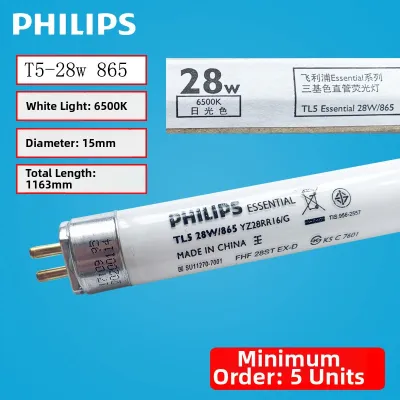
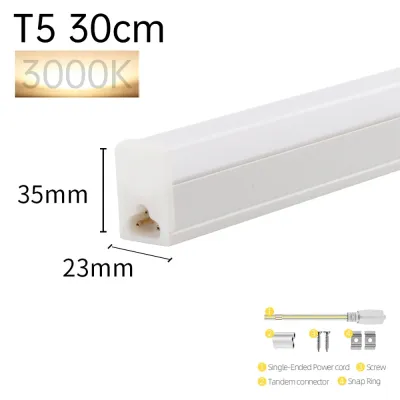
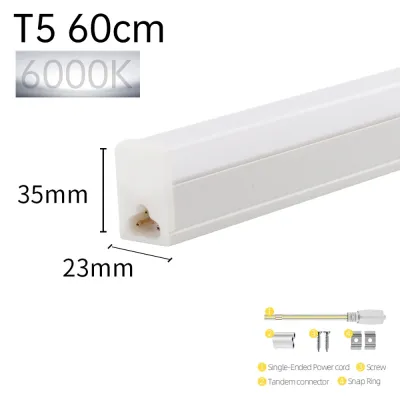
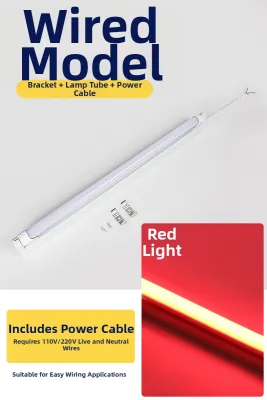
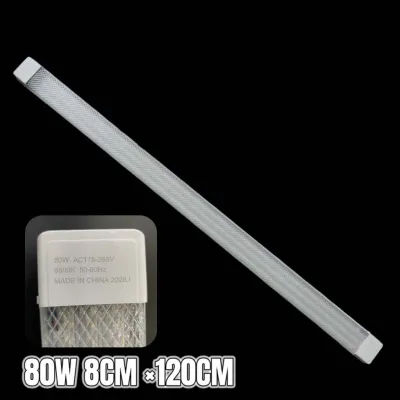
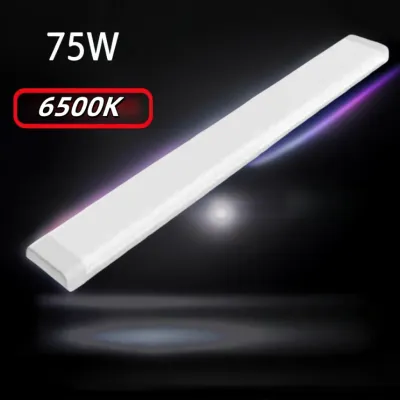
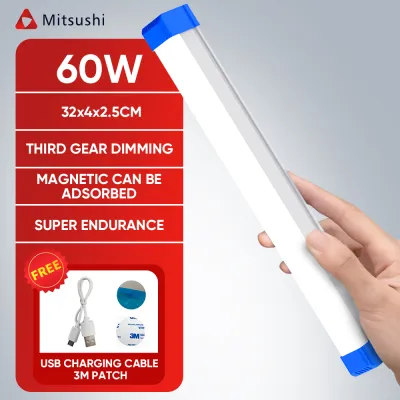
Prices are valid at publication and may change. Please refer to the product page for the latest price.

Traditional fluorescent tubes are gas-discharge lamps that rely on low-pressure mercury vapor to produce ultraviolet light, which then excites a phosphor coating inside the glass envelope to emit visible light. These systems require an auxiliary component called a ballast to regulate the electrical current. Because of their cylindrical shape, they emit light in a 360-degree pattern, which often requires external reflectors to direct the illumination downward.
When exploring modern upgrades, you will frequently encounter the term flourescent tube led light. This refers to solid-state LED tubes (often designated as T8 or T5 LED replacements) engineered to fit directly into existing fluorescent fixtures. These retrofits bridge the gap between legacy hardware and modern efficiency, allowing you to bypass or utilize the existing ballast depending on the tube’s design. This distinction is crucial: you do not always have to tear out your entire ceiling fixture to enjoy the benefits of LED technology.
Brightness and Visual Comfort: Eliminating Glare and Flicker
The quality of light in a workspace or living area directly impacts productivity, eye strain, and overall well-being. LED panel lights excel in light distribution due to their integrated diffusers. These diffusers scatter light across a wide, uniform beam angle, typically around 120 degrees, which minimizes harsh shadows and eliminates the intense, concentrated glare often associated with bare bulbs. This makes panel lights particularly suitable for offices with computer screens, as they reduce the reflective glare that leads to digital eye strain.
In contrast, traditional fluorescent tubes emit light directly from a narrow glass cylinder. Without high-quality louvers or external diffusers, this directional output can create uneven light distribution, resulting in bright hotspots directly beneath the fixture and dark shadows in the corners of the room. Furthermore, fluorescent systems are notorious for flicker and hum. Standard magnetic ballasts operate at the utility grid frequency, which can cause the light to flicker rapidly. Older ballasts also tend to produce an audible, low-frequency hum as their internal components vibrate over time. Quality LED panels utilize electronic drivers that convert alternating current (AC) to stable direct current (DC), virtually eliminating both visible and invisible flicker as well as operating noise.
Color quality is another critical aspect of visual comfort. When comparing these options, always check the product specifications for Color Temperature, measured in Kelvin (K), and the Color Rendering Index (CRI). Color temperature determines the warmth or coolness of the light—ranging from warm white (3000K) to cool daylight (6500K). The CRI measures how accurately a light source reveals true colors compared to natural sunlight. While older fluorescent tubes often had a low CRI (around 60 to 70), resulting in a dull, washed-out environment, modern LED panels and high-quality LED tubes frequently offer a CRI of 80 or higher. This ensures vibrant, natural color representation, which is vital for retail spaces, design studios, and detailed office tasks.
Energy Efficiency: Comparing Power Draw and Heat Output
When evaluating the financial impact of your lighting choice, energy efficiency is the most significant factor. To compare efficiency accurately, you must look at luminous efficacy, which is measured in lumens per watt (lm/W). Lumens represent the total amount of visible light emitted by a source, while wattage indicates the electrical power consumed.
Traditional fluorescent tubes lose a substantial amount of energy to heat generation and ballast inefficiency. A standard 36-watt fluorescent tube actually draws closer to 40 to 45 watts when you factor in the ballast’s power consumption, known as ballast draw. Furthermore, because fluorescent tubes emit light in all directions, a portion of the light is lost inside the fixture housing, reducing the overall system efficiency. Modern LED panels and LED tube lights convert electricity into light far more efficiently, typically achieving efficacies of 100 to 130 lm/W or higher. An LED panel might require only 36 to 40 watts of power to produce the same, or greater, usable light output as a multi-tube fluorescent fixture drawing over 80 watts of electricity.
In the Philippines, where electricity rates are among the highest in the region, these efficiency gains translate directly into noticeable utility savings. In tropical climates, reducing the heat load from lighting fixtures reduces the burden on your air conditioning system, yielding secondary energy savings. Before purchasing any lighting product, always verify that the fixture’s driver or ballast is rated for the local electrical grid standard of 220V to 240V at 60Hz. Operating a fixture designed for a 50Hz grid on a 60Hz system can lead to premature driver failure, excessive heat generation, or severe flickering.
Lifespan and Maintenance: Dealing with Humidity and Burn Hours
The operational lifespan of your lighting system determines how often you will face the inconvenience and cost of replacement. The lifespan of LED products is measured using the L70 standard, which indicates the number of operating hours before the light output degrades to 70% of its original brightness. High-quality LED panels are typically rated for 30,000 to 50,000 hours of continuous use. In contrast, traditional fluorescent tubes generally have a rated lifespan of 10,000 to 15,000 hours.
Another critical factor is the impact of frequent switching. Fluorescent tubes rely on an electrical arc to ignite the gas inside the tube, a process that places significant stress on the cathodes. Turning a fluorescent light on and off frequently will drastically shorten its lifespan, making them less suitable for spaces with motion sensors or areas where lights are switched off whenever someone leaves the room. LED technology is solid-state, meaning there are no filaments or gases to ignite. Consequently, LEDs are virtually unaffected by rapid switching cycles, making them ideal for automated, sensor-driven lighting layouts.
Environmental conditions in tropical regions like the Philippines also play a major role in fixture longevity. High relative humidity and ambient salt air in coastal areas can accelerate the corrosion of exposed metal components. Traditional fluorescent fixtures have exposed bi-pin sockets and external starter or ballast connections that are highly susceptible to moisture-induced oxidation, which can lead to electrical arcing, flickering, or complete fixture failure. Conversely, quality LED panels feature sealed designs with integrated, enclosed drivers. This protective housing provides superior resistance to environmental factors, ensuring reliable operation even in humid environments.
Installation and Retrofitting: What Your Ceiling and Wiring Require
Upgrading your lighting system requires careful consideration of your physical ceiling structure and the existing electrical infrastructure. Whether you choose to install brand-new LED panels or retrofit your current fixtures with LED tubes, safety must always be your top priority. Before attempting any electrical work, always turn off the main circuit breaker servicing the area. If you are cutting new holes in a ceiling, dealing with complex or unfamiliar wiring configurations, or installing heavy suspended fixtures, always consult a licensed electrician to ensure compliance with local electrical safety codes.
Installing New LED Panel Lights
LED panel lights offer versatile mounting options, but they require specific ceiling preparations. The most common installation method is recessed mounting within a standard T-bar drop ceiling grid. If you are planning this type of installation, you must verify that your ceiling grid dimensions match standard panel sizes, which are typically 2×2 feet (approximately 600×600 mm) or 2×4 feet (approximately 600×1200 mm). You must also ensure that the ceiling grid structure is structurally sound and capable of supporting the weight of the panel. Always check the manufacturer’s instructions for weight limits and mounting hardware specifications.
Retrofitting with LED Fluorescent Tube Lights
If you prefer to keep your existing fluorescent troffers to save on installation costs, you can retrofit them using LED tube lights. These retrofits fall into two main categories: ballast-compatible (Type A) and ballast-bypass (Type B). Ballast-compatible tubes are “plug-and-play” options that slide directly into your existing fixture without any rewiring.
Ballast-bypass LED tubes require you to disconnect and bypass the existing ballast, wiring the mains AC power directly to the tube sockets (tombstones). This method is highly efficient because it eliminates ballast power losses and maintenance issues entirely, but it requires manual rewiring of the fixture. When performing a ballast bypass, you must verify whether the LED tube requires single-ended or double-ended power input, as incorrect wiring can result in a short circuit. Because of these electrical complexities, professional installation is strongly recommended for ballast-bypass retrofits.
Upfront Cost vs Long-Term Value: Calculating Your Break-Even Point
When planning a lighting upgrade, you must look beyond the initial purchase price to understand the true cost of ownership. LED panel lights generally carry a higher upfront cost compared to standard fluorescent tubes or basic LED tube retrofits. A high-quality LED panel requires a larger initial investment for the fixture itself, along with potential installation costs if you are modifying your ceiling structure.
To determine whether this investment is justified, you can calculate your break-even point using a simple financial framework. First, identify the wattage savings by subtracting the wattage of the proposed LED fixture from your current fluorescent fixture’s total wattage. Next, multiply this wattage savings by the number of hours the lights will operate daily, and divide by 1,000 to convert the value into kilowatt-hours (kWh). Finally, multiply this daily energy saving by your local electricity rate per kWh. For example, if you reside in the Manila electric utility service area, where residential rates hover around ₱11 to ₱12 per kWh, a commercial office operating ten fixtures for 12 hours a day will see rapid, compounding savings.
In addition to direct electricity savings, you must factor in the hidden costs of maintaining a fluorescent system. These maintenance tasks incur both material costs and labor expenses, especially in commercial settings where maintenance staff must work at heights to replace components. Because quality LED panels are designed to operate maintenance-free for over a decade under normal usage conditions, the elimination of these recurring maintenance costs significantly shortens your break-even period, often delivering a full return on investment within 18 to 24 months.
Final Decision Guide: Matching the Light to Your Room
To select the ideal lighting solution for your specific application, evaluate your space against these practical, conditional scenarios:
- Choose LED Panel Lights if:
- You are constructing a new office, commercial showroom, or modern residential interior where clean, minimalist design is a priority.
- You have standard 2×2 or 2×4 T-bar drop ceilings already installed.
- The space is used for computer-intensive work, reading, or detailed tasks that require highly uniform, glare-free illumination to prevent eye strain.
- You want a completely sealed fixture that resists dust, moisture, and insects in humid environments.
- Choose Fluorescent / LED Tube Lights if:
- You are working with a strict upfront budget and want to utilize existing, functional troffers or strip-light fixtures.
- The lighting is intended for utility spaces, residential garages, basements, or storage rooms where aesthetic design is secondary to basic illumination.
- You want the flexibility of replacing individual light tubes easily without needing to replace or unmount the entire fixture housing.
- Verify first if:
- Your existing ceiling grid has non-standard dimensions, which may require specialized mounting brackets or custom-sized LED panels.
- Your building's electrical wiring is outdated, which could necessitate a comprehensive inspection by a licensed electrician before installing new electronic drivers.
- You require dimming capabilities, as standard LED panels and tubes are often non-dimmable; you must explicitly verify that both the LED driver and your wall dimmer switch are compatible and certified to work together.
Frequently Asked Questions (FAQ)
Can I put an LED panel light in a standard drop ceiling?
Yes, most LED panel lights are manufactured specifically to fit standard T-bar drop ceiling grids. The most common commercial sizes are 2×2 feet and 2×4 feet, which align perfectly with standard ceiling tile dimensions. However, before purchasing, you must measure your specific ceiling grid to ensure a precise fit. It is also important to check the edge thickness of the panel and ensure there is sufficient clearance space above the grid for the external LED driver and electrical connections.
Do LED tube lights work without a ballast?
Whether an LED tube works without a ballast depends entirely on its design type. Ballast-bypass (Type B) and universal (Type A+B) LED tubes are specifically designed to operate without a ballast, running directly on standard line voltage. For these tubes, the existing ballast must be physically disconnected or removed from the fixture, and the wiring must be routed directly to the sockets. Conversely, plug-and-play (Type A) LED tubes require an active, compatible ballast to function and will not work if the ballast is bypassed or removed.
Which light is better for reading and detailed office work?
LED panel lights are highly recommended for reading and detailed office work. Their integrated diffusers distribute light evenly across a wide area, which significantly reduces harsh reflections on paper and computer screens. When choosing an LED panel for detailed tasks, ensure you select a model with a Color Rendering Index (CRI) of 80 or higher to ensure accurate color perception, and a color temperature between 4000K (cool white) and 5000K (daylight) to promote focus and reduce eye fatigue.

Community discussion
Share your experience or ask a question. Comments are reviewed before publication.