
Finding the right LED reading light involves more than selecting a stylish fixture that complements your bedroom or study. To protect your eyes from fatigue during extended reading sessions, you must evaluate the technical specifications listed on the product packaging. Understanding these metrics helps you avoid common issues like harsh glare, insufficient brightness, or invisible flickering that can disrupt your focus.
Selecting a light based solely on aesthetics often leads to eye strain, especially when reading in low-light environments. By focusing on standardized optical measurements, you can identify a light source that provides clear contrast and comfortable illumination tailored to your specific reading habits.
The Core Specs That Define Reading Comfort
When shopping for an LED reading light, the first step is understanding how manufacturers measure brightness. Historically, consumers relied on wattage to estimate how bright a bulb would be, but this metric only measures electrical power consumption. Because LED technology is highly energy-efficient, wattage is no longer a reliable indicator of light output. Instead, you must look at the lumen rating, which measures the actual volume of visible light emitted by the source.
Products mentioned in this guide
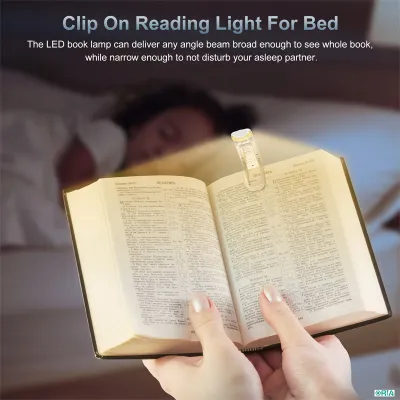

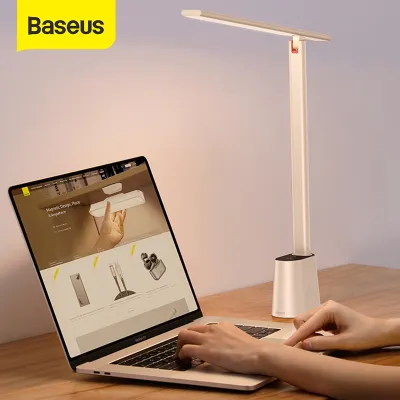
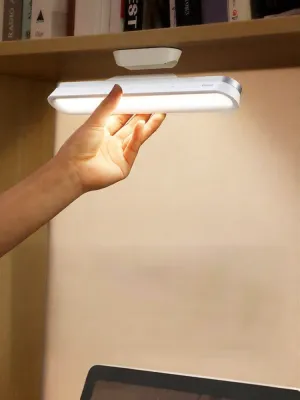
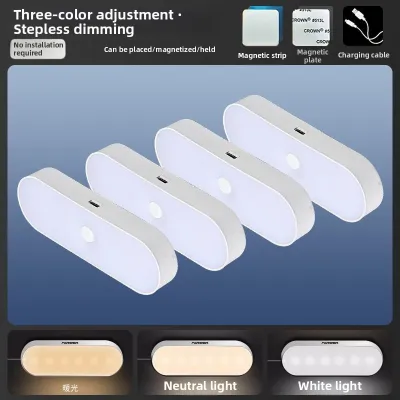
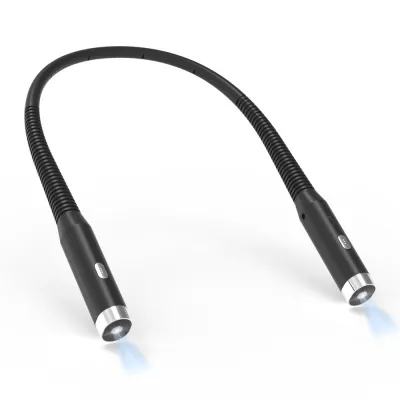
Prices are valid at publication and may change. Please refer to the product page for the latest price.
For comfortable reading of printed books, a light output of 150 to 400 lumens is generally ideal. A light that falls below this range will force your eyes to work harder to distinguish letters, while a light that exceeds 400 lumens can create an intense glare on white pages. When evaluating product labels, prioritize the lumen count to ensure the lamp provides sufficient illumination without overpowering your reading space.
Color temperature, measured in Kelvin (K), is another critical specification that directly influences eye comfort and alertness. Lower Kelvin ratings, such as 2700K to 3000K, produce a warm, yellowish light that mimics traditional incandescent bulbs. This warm light is highly recommended for evening reading because it minimizes blue light exposure, helping your mind and body wind down before sleep.
Conversely, higher Kelvin ratings between 4000K and 5000K produce a cool, bluish-white light that resembles natural daylight. This cool light enhances alertness and focus, making it suitable for daytime study sessions or detailed office work. However, using cool light late at night can disrupt your circadian rhythm, making it harder to fall asleep after you put your book down.
Because your lighting needs change depending on the time of day, fixed-output lamps can be highly limiting. Choosing an LED reading light with adjustable brightness and color temperature settings allows you to customize the illumination to your environment. A dimmable and tunable model lets you transition from a bright, cool light during afternoon tasks to a soft, warm glow as you prepare for bed, ensuring long-term visual comfort.
Visual Clarity and Eye Strain: CRI and Flicker Claims
Beyond brightness and color temperature, the quality of the light itself plays a major role in preventing visual fatigue. The Color Rendering Index (CRI) measures how accurately a light source reveals the true colors of objects compared to natural sunlight, using a scale from 0 to 100. For reading standard black-and-white text, a high CRI is helpful but not strictly critical; however, it becomes essential if you frequently read illustrated books, graphic novels, or magazines.

A light with a CRI rating of 80 or higher ensures that colors appear vibrant and true to life, while also sharpening the contrast between printed text and the page. When browsing product listings or packaging, look for the CRI value, which is often denoted as “Ra” or “CRI.” Opting for a lamp with a higher rating prevents colors from looking muddy or washed out under artificial light.
Another common source of eye strain is light flicker, which occurs when the electrical current supplying the LED fluctuates. While high-frequency flicker is often invisible to the naked eye, your brain still registers the rapid modulation, which can lead to headaches, fatigue, and dry eyes during long reading sessions. To avoid this, look for products that explicitly feature “flicker-free” drivers or solid-state circuitry designed to deliver a stable, continuous stream of light.
Physical design elements also contribute to light stability and comfort. A quality LED reading light should feature a built-in diffuser or a frosted lens cover over the light-emitting diodes. This diffuser scatters the light evenly across your book, eliminating harsh hotspots and reducing the sharp reflections that occur on glossy paper or e-reader screens.
Finally, pay close attention to the beam angle and directionality of the lamp head. A narrow beam angle, typically between 30 and 60 degrees, concentrates the light directly onto your reading material rather than scattering it across the entire room. This directional control is particularly beneficial if you share a bedroom, as it allows you to illuminate your book without casting bright light onto a sleeping partner. Adjustable goosenecks or rotating lamp heads provide the flexibility needed to position the beam precisely, preventing the light from shining directly into your eyes.
Specs You Can Safely Deprioritize
As you compare different models on an online marketplace, you will likely encounter various marketing terms designed to attract buyers. Vague labels such as “eye-protection” or “vision-safe” badges are often unverified claims used by manufacturers rather than standardized technical certifications. Instead of paying a premium for these marketing stickers, focus on verifiable specifications like lumens, Kelvin range, and CRI ratings to judge the actual quality of the light.
Smart home connectivity is another feature that many readers can safely bypass. While the ability to control your lamp via a smartphone app or voice commands offers some convenience, it often inflates the retail price by hundreds of pesos (₱) without improving the optical quality of the light. If your primary goal is comfortable reading, a reliable lamp with simple, physical touch controls or manual buttons is often more durable and cost-effective.
Additionally, avoid the temptation to purchase lamps with exceptionally high brightness ratings. Some task lights are marketed with industrial-level lumen outputs designed for workshops, crafting, or detailed assembly work. Using an overly powerful light for reading is counterproductive, as the excessive brightness reflects off white pages and creates a blinding glare that forces you to squint, defeating the purpose of a dedicated reading light.
How to Match Specs to Your Reading Setup
Your physical reading environment should dictate the specific features you prioritize when choosing a lamp. If you primarily read in bed, look for a compact, clamp-on light or a wall-mounted fixture with a narrow beam angle and a lower maximum lumen output. This setup keeps the light focused on your pages and prevents ambient spill from disrupting the relaxing atmosphere of your bedroom.
For a dedicated study desk or home office, a larger table lamp with a wider beam angle and higher lumen capacity is more appropriate. This setup ensures that your entire workspace, including notebooks, reference materials, and keyboard, is evenly illuminated. When setting up a desk lamp, position the light source slightly above eye level and angle it downward to prevent direct glare from reaching your eyes.
Before finalizing your purchase, verify the physical and electrical specifications of the lamp to ensure compatibility with your home. In the Philippines, standard wall outlets supply electricity at 220V to 240V at 60Hz, so you must check that the lamp’s power adapter is rated for this voltage range to prevent overheating or electrical damage. If you choose a USB-powered model, ensure you have a compatible adapter or port nearby that can supply the required amperage.
Additionally, check the physical dimensions of the lamp, including the cord length and the stability of the base. If you select a clamp-on model, measure the thickness of your headboard or desk edge to confirm that the clamp can grip the surface securely. Taking a few moments to verify these practical details ensures that your new light fits seamlessly into your daily routine.
Before checking out, use this quick pre-purchase checklist to verify the product specifications:
- Lumen Output: Look for a range of 150 to 400 lumens for standard reading.
- Color Temperature: Ensure the lamp offers a warm setting (2700K to 3000K) for evening use.
- CRI Rating: Check for a CRI of 80 or higher to maintain clear text contrast.
- Voltage Compatibility: Confirm the adapter supports 220V-240V at 60Hz for local electrical safety.
- Mounting and Power: Verify the clamp width, base weight, and cord length match your furniture layout.
Frequently Asked Questions (FAQ)
Is a higher wattage always better for an LED reading light?
No, a higher wattage does not mean a better reading light. Wattage measures electrical power consumption rather than the actual brightness emitted by the LED. Modern LED technology is highly efficient, producing more light while using significantly less energy than older incandescent bulbs. Choosing a high-wattage LED without checking the lumen rating can result in excessive brightness that causes page glare, and it may generate unnecessary heat, which can make your reading space uncomfortable during warm tropical nights.
Do I need a high CRI reading light if I only read standard books?
If you only read standard printed books with black text on white paper, an exceptionally high CRI is not strictly necessary. Standard text contrast relies primarily on adequate lumen output and a comfortable color temperature rather than precise color rendering. A standard CRI rating of 80 is perfectly adequate for clear reading. You will experience greater comfort by prioritizing adjustable brightness levels, a suitable Kelvin range, and a quality diffuser to eliminate glare rather than paying a premium for ultra-high color accuracy.

Community discussion
Share your experience or ask a question. Comments are reviewed before publication.