
Choosing between a magnetic LED touch light and a traditional bedside lamp comes down to balancing spatial constraints, power accessibility, and your specific nighttime habits. If you have a compact nightstand, lack nearby wall outlets, or need a versatile light that can double as an emergency flashlight during sudden power outages, a magnetic LED touch light is an excellent modern solution. On the other hand, if you prefer uninterrupted, high-lumen illumination for long reading sessions and have ample tabletop space near a power outlet, a traditional bedside lamp remains the more reliable, classic choice.
To make the right decision, you must evaluate how each option fits into your daily routine, bedroom layout, and local environmental conditions. In tropical climates like the Philippines, where high humidity can affect adhesive mounts and seasonal brownouts are a practical consideration, the choice involves more than just aesthetic preference. By comparing their space efficiency, ease of use in the dark, light quality, and power maintenance, you can select the ideal fixture to keep your bedroom comfortable and functional.
Space Efficiency and Nightstand Setup
The physical footprint of your bedside lighting significantly impacts how you organize your nightstand. Traditional bedside lamps require a flat, stable surface to rest on, which can quickly crowd a small table. The base of a classic lamp, along with its shade, often occupies a substantial portion of the tabletop, leaving little room for essentials like a glass of water, a phone, or reading glasses. Furthermore, these lamps must be positioned close to a wall outlet, which limits where you can place your bed and nightstand unless you use extension cords that add to visual clutter and present tripping hazards.
Products mentioned in this guide
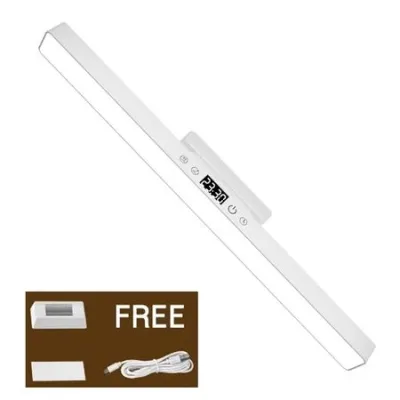
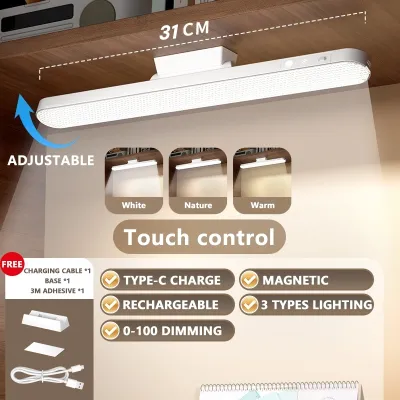
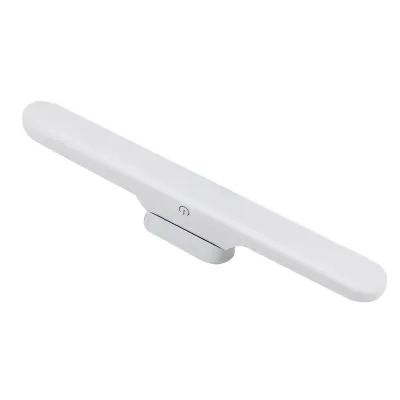
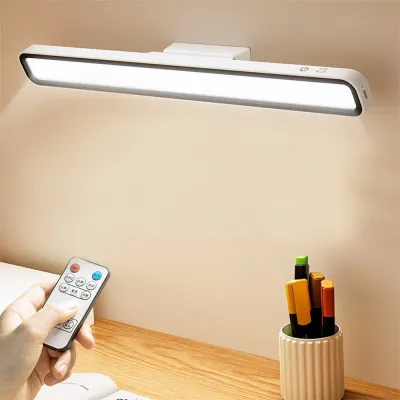
Prices are valid at publication and may change. Please refer to the product page for the latest price.
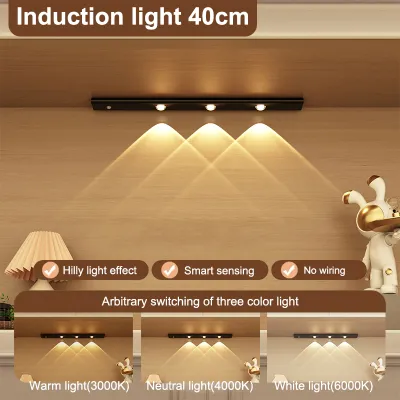
In contrast, magnetic LED touch lights offer a cordless, highly adaptable design that frees up your tabletop entirely. These compact fixtures typically consist of a light bar or puck that snaps onto a magnetic base. The base itself is mounted to a wall, headboard, or shelf using a strong adhesive backing or mounting screws. By elevating the light source off the flat surface, you reclaim your entire nightstand for personal items. This setup is particularly advantageous in smaller bedrooms or studio apartments where maximizing every square centimeter of space is essential.
However, before choosing a magnetic light, you must verify the compatibility of your mounting surface. Adhesive backings require a clean, smooth, and non-porous surface—such as finished wood, metal, or smooth tile—to bond securely. In warm, humid tropical environments, standard adhesives can degrade over time, potentially causing the light to fall. If you have textured plaster walls, delicate wallpaper, or unfinished wood, you should look for magnetic bases that include screw-mounting options to ensure a permanent, secure installation. Additionally, measure the clearance above your bed or headboard to ensure the light can be angled comfortably without hitting your head when you sit up.
Convenience and Controls in the Dark
Operating a light in complete darkness can be a frustrating experience, especially when you are half-awake. Traditional bedside lamps often utilize physical switches, such as inline cord switches, rotary knobs on the socket, or pull chains. Finding these controls in the dark frequently requires fumbling around the nightstand, which can lead to knocked-over items or accidental spills. While some modern traditional lamps feature touch-sensitive bases, many still rely on mechanical mechanisms that require precise physical coordination to operate.

Magnetic LED touch lights simplify this interaction through intuitive touch-sensitive panels. A simple tap anywhere on the designated sensor area turns the light on or off, while a long press typically adjusts the brightness levels. This seamless operation makes it incredibly easy to illuminate your space quickly without searching for a small switch. Additionally, because the light body is held to its base by magnets, you can effortlessly detach the unit from the wall. This portability allows you to use the light as a temporary flashlight to navigate dark hallways, search for items in a closet, or guide your way safely during a midnight power outage without waking others.
Despite these conveniences, touch-sensitive lights have specific operational limitations that you should consider. Touch sensors rely on capacitive technology, which detects the electrical properties of your skin. This means the controls may become unresponsive or erratic if you try to operate them with wet hands, lotion-covered fingers, or while wearing gloves. Furthermore, because the sensors are highly sensitive, accidental bumps from a pillow or a stray hand can unintentionally trigger the light, potentially disrupting your sleep. Understanding these quirks helps you position the light in a spot where it is easily reachable but unlikely to be bumped by accident.
Lighting Quality for Reading and Ambiance
The quality of light you expose yourself to before sleep directly affects your visual comfort and your body’s natural sleep cycle. Traditional bedside lamps are designed to provide a broad, ambient glow that fills a larger portion of the room. When fitted with a high-quality LED bulb, a traditional lamp offers a stable, high-lumen output that is ideal for reading physical books or performing detailed tasks. The fabric or glass shades of these lamps help diffuse the light, reducing harsh glare and creating a warm, inviting atmosphere throughout the entire bedroom.
Magnetic LED touch lights, by comparison, tend to offer a more focused, directional beam. This makes them excellent as task lights or reading lights that illuminate a specific area without spilling excess light onto the other side of the bed, which is ideal if you share a room with a partner who sleeps earlier. Many magnetic light bars feature adjustable color temperatures, allowing you to switch from a cool white light for daytime tasks to a warm, amber hue that minimizes blue light exposure before bedtime. They also offer step-less dimming, giving you precise control over the brightness level to match your comfort.
To ensure you get the right lighting quality, always review the product specifications and labels before purchasing. Look for the lumen rating to understand the light’s maximum brightness; a rating of 150 to 300 lumens is generally sufficient for comfortable bedside reading. Pay close attention to the Color Rendering Index (CRI), which measures how accurately the light reveals the true colors of objects. A CRI of 80 or higher is recommended to prevent eye strain. Additionally, verify that the color temperature range includes warm options (around 2700K to 3000K) to help promote a relaxing environment conducive to sleep.
Power Management and Maintenance
The way your bedside light receives power dictates its long-term maintenance routine and reliability. Traditional bedside lamps are plug-in fixtures that draw continuous power directly from a wall outlet. This design offers a “plug-and-forget” convenience, meaning you never have to worry about the light dying in the middle of a chapter or remembering to charge it. The maintenance for a traditional lamp is minimal, usually limited to dusting the shade and occasionally replacing the bulb when it eventually burns out after thousands of hours of use.
Magnetic LED touch lights are typically powered by internal rechargeable lithium-ion batteries, making them completely cordless. While this provides incredible placement flexibility, it introduces a regular charging routine. Depending on your usage habits and the brightness level you select, you may need to recharge the light via a USB cable every few days or weeks. Over time, like all rechargeable devices, the internal battery will experience natural degradation, leading to shorter runtimes between charges. If the battery eventually fails completely, the entire unit may need to be replaced if the battery is not user-serviceable.
To maximize the lifespan and safety of a rechargeable magnetic light, you must follow proper power management practices. Always use the manufacturer-supplied charging cable or a certified equivalent that matches the recommended voltage and amperage specifications. Avoid leaving the light plugged into a charger continuously once it reaches full capacity, as overcharging can accelerate battery degradation and generate excess heat. If the manufacturer’s manual advises against using the light while it is actively charging, be sure to respect that boundary to prevent overheating and protect the internal circuitry.
How to Choose the Right Bedside Light
To decide which lighting option is best for your bedroom, evaluate your physical space, power access, and daily habits using this practical decision framework.
Choose a magnetic LED touch light if:
- Your nightstand is small, cluttered, or non-existent, and you need to save valuable tabletop space.
- There are no convenient wall outlets near your bed, and you want to avoid running unsightly extension cords across the floor.
- You want a multi-functional light that can be easily detached and used as a portable flashlight during power outages or nighttime navigation.
- You share a bed and prefer a focused, directional beam that allows you to read without disturbing your partner.
Choose a traditional bedside lamp if:
- You have a spacious nightstand and want a classic decorative piece that complements your bedroom's interior design.
- You prefer a permanent, low-maintenance setup with a continuous power supply that never requires recharging.
- You spend hours reading physical books in bed and require a broad, high-lumen light spread that minimizes eye strain.
- You want to integrate your bedside lighting into a smart-home system using smart bulbs or smart plugs.
Before making your final purchase, verify a few key details. Check if your nightstand or wall surface can support adhesive mounts, especially if you live in a high-humidity area where adhesives might fail. For traditional lamps, verify the voltage compatibility, base or interface type (such as E27), wattage limits, and electrical certifications to ensure safe operation in your home. If you choose a magnetic light, compare the estimated battery life at your preferred brightness level against how often you are willing to recharge the device. Finally, review the replacement costs; while a traditional lamp might have a higher upfront cost (often starting around ₱500 for basic models), its ability to accept standard, replaceable bulbs often makes it a more cost-effective long-term investment compared to an integrated LED fixture that must be discarded when the battery or light source fails.
Frequently Asked Questions (FAQ)
Can I use a magnetic LED touch light as my primary reading lamp?
Yes, you can use a magnetic LED touch light for reading, but its suitability depends on the light’s maximum brightness and your reading duration. Because these lights often have a narrower, more focused beam angle, they are excellent for illuminating a single book or tablet without casting excess light around the room. However, for extended reading sessions, you should verify that the light can output at least 150 to 200 lumens to prevent eye strain. If the light is too dim or the battery drains quickly at high brightness, a traditional plug-in lamp with a broader light spread may be more comfortable for long-term use.
Do traditional bedside lamps consume more electricity than LED touch lights?
When comparing modern versions of both fixtures, the energy consumption is remarkably similar because both typically utilize highly efficient LED technology. A standard LED bulb in a traditional lamp draws very little active power, usually between 5 to 9 watts, and has zero standby draw unless it is a smart bulb. Battery-powered magnetic LED lights also consume minimal power, but they incur slight energy losses during the USB charging process due to heat dissipation and power conversion overhead. Ultimately, the difference in your monthly electricity bill between the two types is negligible, so your choice should be guided by convenience, space, and placement flexibility rather than energy costs.

Community discussion
Share your experience or ask a question. Comments are reviewed before publication.