
Choosing the right magnetic wall light depends on matching the fixture’s optical and physical features to the specific demands of your space. For hallways, you need wide, reliable illumination that ensures safe passage through narrow corridors. For bedside use, the priority shifts to low-glare, adjustable, and warm lighting that promotes relaxation and comfortable reading.
Core Lighting Needs for Hallways vs. Bedside
Hallways are high-traffic transition zones that require consistent, shadow-free illumination to prevent tripping hazards. Because corridors are typically narrow, fixtures must sit flush or have a low profile to avoid being bumped by people passing by. The primary goal is safety and clear visibility across the entire length of the path.
Bedrooms, conversely, are sanctuaries of rest where lighting must support wind-down routines. Direct, unshielded light sources can cause eye strain when you are lying down, making glare control and soft diffusion essential. Bedside lighting should create a calm, inviting atmosphere rather than a brightly lit environment.
Products mentioned in this guide
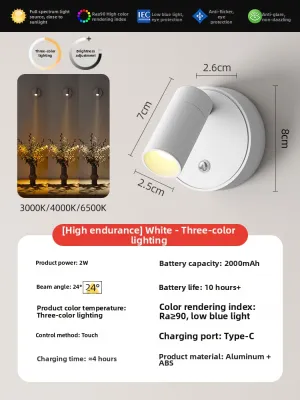
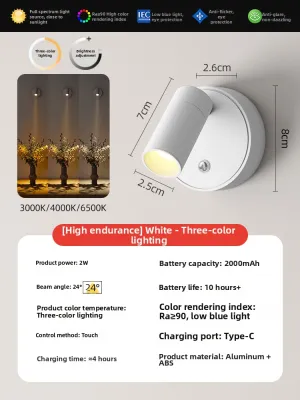
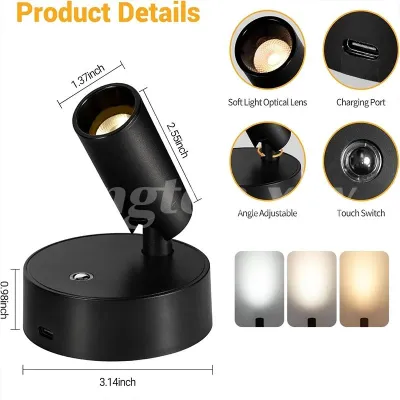
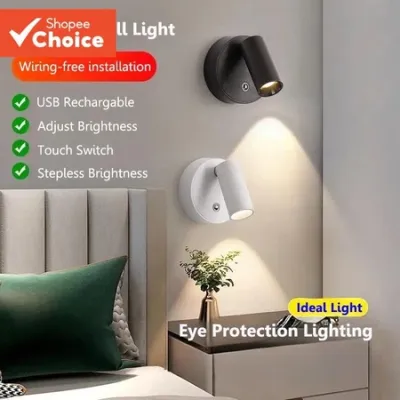
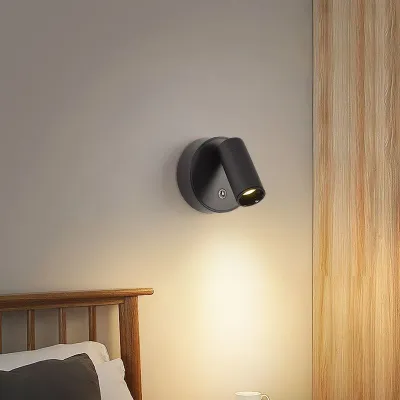
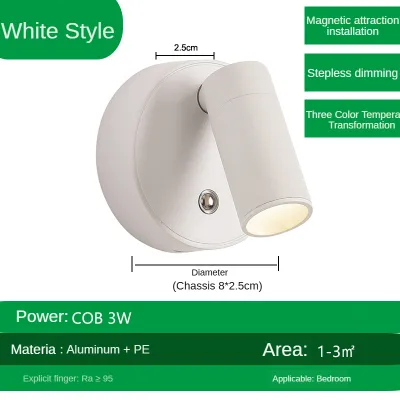
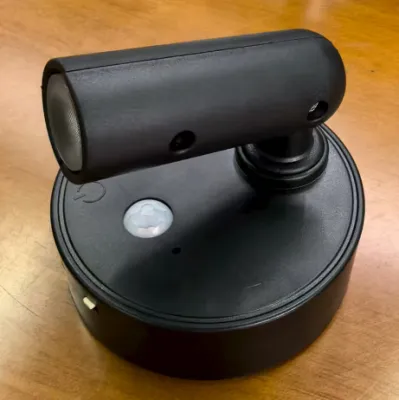
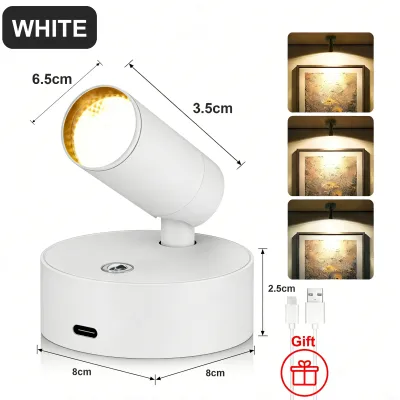
Prices are valid at publication and may change. Please refer to the product page for the latest price.
The physical layout of each space dictates how light behaves. In a narrow hallway, light needs to wash down the walls or spread evenly across the floor to make the space feel wider. At the bedside, light must be highly localized, targeting a book or a small nightstand without spilling onto the other side of the bed and disturbing a sleeping partner.
Modular magnetic lighting systems excel at creating layered lighting schemes in both areas. By using a single magnetic track or base, you can combine ambient wash lights with directional spotlights. This allows you to adjust the layout as your seasonal needs or room arrangements change, providing a highly customizable lighting solution.
Key Magnetic Wall Light Features to Compare
To find the perfect balance between these two distinct environments, you must look closely at the technical specifications of the fixtures. Evaluating specific hardware, optical designs, and control mechanisms will help you select a system that performs reliably and safely where it is installed.

Brightness, Beam Angle, and Glare Control
When selecting a magnetic wall light, always check the manufacturer’s specifications for lumen output and wattage. Hallways generally require higher overall brightness to illuminate the entire path safely, while bedside fixtures can operate comfortably at much lower lumen levels to prevent eye strain.
Beam angle plays a critical role in how light is distributed. A wide beam angle, often 90 degrees or more, is ideal for hallway wall-washing, as it distributes light broadly to eliminate dark corners. For bedside reading, a narrow, focused beam of 15 to 30 degrees directs light precisely where you need it without illuminating the entire room.
Glare control is vital in close-proximity spaces. Look for magnetic light heads equipped with built-in diffusers, frosted lenses, or honeycomb louvers that soften the output. Adjustable heads allow you to angle the light away from direct eye contact, which is especially helpful when sitting up in bed or navigating a tight corridor.
Color Temperature and Dimming Capabilities
Correlated Color Temperature (CCT) determines the warmth or coolness of the light, measured in Kelvins (K). For hallways, a neutral white light of around 4000K provides clear visibility and helps the space feel open and clean. For the bedside, a warm white light between 2700K and 3000K is highly recommended to create a cozy atmosphere that supports natural sleep cycles.
Dimming capabilities are essential for tailoring the ambiance of both spaces. Before purchasing, verify the dimmer compatibility of the magnetic driver. Some magnetic systems use low-voltage DC power, which requires a specific compatible dimming driver to prevent flickering or buzzing.
You must also check where the dimming control is located. Some magnetic wall lights feature integrated touch dimmers directly on the fixture or the magnetic base, which is incredibly convenient for bedside use. Other systems rely on external wall switches or smart home integration, which may be more practical for controlling multiple hallway lights simultaneously.
Installation, Power, and Hardware Considerations
Before installing any magnetic lighting system, verify the voltage requirements of the fixture and ensure the magnetic track or base matches your local power supply. In the Philippines, the standard residential voltage is 220V at 60Hz. Ensure that any imported magnetic drivers or transformers are rated for this input to avoid electrical hazards or premature component failure.
Wall material compatibility is another crucial factor. Magnetic bases must be securely anchored to support the weight of the light heads, especially if you plan to adjust or swap them frequently. Drywall, concrete, and wood walls require different types of anchors and mounting screws; always check the manufacturer’s installation instructions to ensure a secure fit.
Safety must be your top priority during installation. Always turn off the main power supply at the circuit breaker before handling any wiring. For hardwired magnetic tracks, complex routing, or recessed installations, consult a qualified professional electrician to ensure compliance with local electrical codes and safe operation.
Additionally, consider the environmental conditions of your installation site. In tropical climates with high humidity, moisture can accumulate in hallways near open entryways or in bedrooms with adjacent bathrooms. Check the IP (Ingress Protection) rating of the fixture; an IP20 rating is standard for dry indoor areas, but spaces prone to moisture or dust may benefit from a higher protection rating to preserve the internal electronics and magnetic contacts.
Can One Magnetic Wall Light Work for Both Spaces?
The primary appeal of modular magnetic lighting is its inherent flexibility. In theory, you can use the same magnetic base or track system in both your hallway and bedroom, allowing you to swap light heads between rooms as your needs change. This modularity makes it easy to refresh your home’s lighting design without undergoing a full renovation.
However, using a single, fixed light head design for both scenarios has clear limitations. A high-output spotlight designed to illuminate a hallway art piece will likely cause uncomfortable glare if moved directly next to your bed. Conversely, a soft, diffused bedside reading light will fail to provide the bright, wide-reaching illumination needed for safe corridor navigation.
The best approach is to standardize the magnetic connector or track profile across your home. By installing compatible magnetic bases in both the hallway and the bedroom, you gain the freedom to relocate fixtures and experiment with different light heads, provided you match the specific optical characteristics of the head to the functional demands of the room.
Frequently Asked Questions (FAQ)
Do magnetic wall lights require special wiring?
The wiring requirements depend entirely on the design of the magnetic system you choose. Plug-in magnetic sconces simply require a nearby standard wall outlet and do not need special in-wall wiring. Hardwired magnetic tracks, however, connect directly to your home’s electrical junction boxes and require a compatible transformer or driver, which must be installed in an accessible, well-ventilated location to convert the high-voltage mains power to the low-voltage DC power used by the track.
How do I clean the magnetic base and light head?
To clean your magnetic wall lights safely, always turn off the power supply and allow the fixtures to cool completely before detaching the light head from the base. Wipe the surfaces gently with a dry or slightly damp microfiber cloth to remove dust and fingerprints. Avoid using harsh chemical cleaners, abrasive pads, or excessive moisture, as these can degrade the magnetic surface, damage the optical diffusers, or corrode the electrical contacts. Always check the manufacturer’s care label for any specific cleaning restrictions.

Community discussion
Share your experience or ask a question. Comments are reviewed before publication.