
Choosing the right outdoor lighting requires matching the specific physical demands of your landscape with the technical capabilities of your fixtures. For homeowners in the Philippines, where tropical downpours and intense sunlight are daily realities, selecting wellmax lighting solutions for your garden walkways, driveways, and patios means looking beyond aesthetics. The ideal fixture must balance lumen output, battery capacity, and weather resistance to ensure your pathways remain illuminated throughout the night.
By identifying the primary function of each outdoor zone, you can pinpoint the exact specifications needed on the product label. Garden walkways demand soft, glare-free illumination that highlights pathways without overpowering the natural landscape. In contrast, driveways require robust, high-lumen fixtures that can withstand accidental bumps and clear low-lying foliage. Patios and seating areas benefit most from warm, ambient light that creates a relaxing atmosphere for evening gatherings.
Quick Guide: Matching Solar Light Features to Your Outdoor Spaces
Every outdoor area serves a distinct purpose, meaning a single type of solar light cannot effectively serve your entire property. To achieve a balanced and functional lighting design, you must align the technical specifications of your fixtures with the unique characteristics of each zone. Rather than relying solely on generic category names like “pathway light,” you should evaluate how specific features perform in different environments.
Products mentioned in this guide
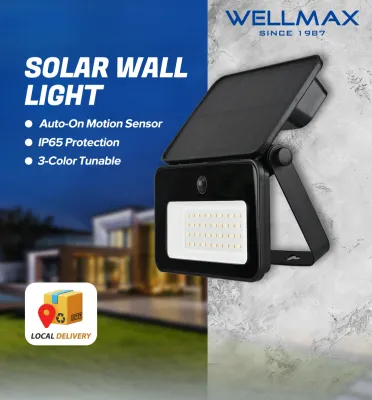
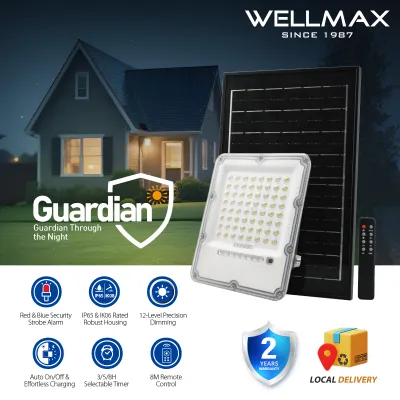
Prices are valid at publication and may change. Please refer to the product page for the latest price.
For instance, intimate garden walkways require low-glare, downward-focused lighting that preserves the natural beauty of your plants. Driveways and main entry paths require taller, brighter fixtures that offer clear visibility for both drivers and pedestrians. Meanwhile, patio perimeters and outdoor seating zones are best served by warm, ambient illumination that enhances relaxation. Wellmax offers a diverse range of solar lighting products, making it essential to inspect the product packaging for specific performance ratings before making a purchase.
Core Requirements for Wellmax Lighting in Gardens, Driveways, and Patios
Designing an effective outdoor lighting layout requires a clear understanding of how light behaves in different spaces. Your choice of wellmax lighting should reflect the specific safety, functional, and aesthetic requirements of each zone. By analyzing these areas individually, you can avoid common pitfalls such as excessive glare, inadequate coverage, or premature fixture failure.

Garden Walkways and Flower Beds
Garden walkways and flower beds are intimate, pedestrian-focused zones where the primary goal is safe navigation and aesthetic enhancement. In these areas, high-intensity spotlights can create harsh shadows and uncomfortable glare that detracts from the natural landscape. Instead, look for low-profile stakes that direct light downward or diffuse it evenly across the ground.
These low-height fixtures keep the light source close to the path, illuminating steps and obstacles without spilling light into surrounding foliage. Decorative designs that blend seamlessly with your plants during the day are highly valued here. Because these spaces are meant for quiet strolls rather than high-speed traffic, visual comfort and subtle accentuation take priority over maximum raw brightness.
Driveways and Main Pathways
Driveways and main entry paths serve as high-traffic corridors where visibility is paramount for both vehicles and pedestrians. To ensure safety during dark hours, these zones require fixtures with higher lumen outputs and wider beam spreads. This ensures that the entire width of the driveway is clearly visible, helping drivers navigate curves and avoid obstacles.
Furthermore, driveway lights must be tall enough to clear low-lying debris, tall grass, or occasional puddles during the rainy season. Because these fixtures are positioned near vehicle paths and lawn maintenance areas, housing durability is critical. Selecting lights made from heavy-duty materials helps prevent damage from accidental impacts, stray stones, or contact with garden equipment.
Patio Perimeters and Outdoor Seating
Patio perimeters and outdoor seating areas are designed for relaxation, dining, and social gatherings, requiring a completely different lighting approach. Harsh, cool-white light can make these spaces feel clinical and uninviting. To create a cozy and welcoming atmosphere, many homeowners prioritize fixtures that emit warm color temperatures, typically around 2700K to 3000K.
When selecting lights for these zones, look for products that offer adjustable settings or multiple operating modes. Some advanced solar models allow you to switch between a standard bright mode for functional tasks and a dimmed, ambient mode for relaxed evenings. While warm color temperatures and specific decorative styles are highly popular for creating a cozy, inviting spatial effect on patios, these remain conditional aesthetic preferences rather than universal performance facts. Your choice should depend on your personal style and the specific mood you wish to establish in your outdoor living areas.
Key Specifications to Verify on Wellmax Product Labels
To ensure your selected wellmax lighting products perform reliably under local conditions, you must verify their technical specifications. Relying on marketing terms is often insufficient, as actual performance depends on measurable factors like lumens, ingress protection, and battery chemistry. When evaluating these fixtures, always verify the operating voltage of the internal battery, the dimming method (such as automatic dusk-to-dawn sensors or multi-mode switches), the physical dimensions, and any electrical certifications to guarantee safety and performance. Reading the product label carefully allows you to make an informed decision based on verifiable data.
Brightness and Beam Angle
Brightness is measured in lumens, and the appropriate level depends entirely on where the light will be installed. For delicate garden paths, a rating of 10 to 50 lumens is generally sufficient to guide steps without causing glare. For driveways and security-sensitive pathways, look for fixtures that deliver 100 lumens or more to ensure clear visibility over longer distances.
The beam angle, or beam spread, determines how wide the light distributes across the ground. A wide flood beam is highly effective for illuminating broad driveway edges and wide walkways, reducing the total number of fixtures you need to install. Conversely, a narrow, focused spot beam is ideal for highlighting specific landscape features, architectural details, or narrow garden borders.
Weather Resistance and Build Quality
In the Philippines, outdoor lighting must endure intense tropical heat, high humidity, and torrential rains during the typhoon season. To ensure your lights survive these harsh conditions, always check the Ingress Protection (IP) rating printed on the packaging. A minimum rating of IP44 is required for basic splash resistance, but IP65 or higher is strongly recommended for fixtures fully exposed to heavy downpours.
In addition to water resistance, inspect the housing material description for UV stabilizers. Constant exposure to intense tropical sunlight can degrade cheap plastics, causing them to become brittle, yellow, and crack within a few months. Fixtures constructed from UV-resistant polycarbonate, stainless steel, or powder-coated aluminum offer significantly better long-term durability and structural integrity.
Battery Type and Solar Panel Efficiency
The performance of a solar light is deeply tied to its energy storage and generation capabilities. Look for fixtures equipped with lithium-ion (Li-ion) or lithium iron phosphate (LiFePO4) batteries, which offer superior energy density and longer lifespans compared to older nickel-cadmium (NiCad) alternatives. Check the battery capacity, measured in milliampere-hours (mAh), to ensure it can sustain the light through the night.
The type of solar panel also plays a vital role in charging efficiency. Monocrystalline solar panels are highly efficient and perform better in low-light or overcast conditions, which is crucial during the prolonged rainy season. Polycrystalline panels are more common in budget-friendly options and are suitable for areas that receive consistent, unobstructed sunlight throughout the day.
Installation and Placement for Optimal Solar Charging
Even the highest-quality solar lights will underperform if they are installed incorrectly or placed in poor locations. Achieving reliable, night-long illumination requires strategic positioning to maximize solar energy absorption while maintaining safety. Proper installation ensures your investment remains secure and functional for years to come.
Maximizing Sun Exposure in Tropical Climates
To get the best performance from your solar lights, you must position them where they will receive maximum direct sunlight. In the Philippines, the sun’s path shifts throughout the year, but placing panels in open areas away from dense tree canopies, roof overhangs, or tall fences is a universal rule. Even partial shading for a few hours can drastically reduce the battery’s state of charge, leading to premature shutoffs at night.
If your chosen Wellmax model features an adjustable solar panel, take the time to angle it toward the path of the sun. Periodically observe your garden at different times of the day to identify shifting shadows cast by nearby structures or growing foliage. Relocating a fixture even a few inches can sometimes make a significant difference in the amount of daily sunlight its panel receives.
Spacing, Height, and Safety Boundaries
When arranging your pathway lights, aim for a balanced layout that provides continuous visual guidance without creating dark spots or excessive overlap. Spacing your lights roughly 6 to 8 feet apart is a reliable general rule for standard pathway fixtures, though brighter models can be placed further apart. Avoid lining them up in straight, military-style rows; instead, stagger them on alternating sides of the path for a more natural, inviting look.
Before installing the stakes, always check the manufacturer’s instructions for specific assembly and mounting guidelines. Ensure you push the stakes into soft, pre-moistened soil rather than forcing them into hard, dry ground, which can crack the plastic or bend the metal shafts. While low-voltage solar lights do not require fixed wiring or professional electrical installation, always prioritize safety during setup. If you plan to connect any high-voltage accent lighting or fixed outdoor wiring in damp areas, you must isolate the power source, follow the manufacturer’s installation instructions, and consult a qualified professional. Ensure you do not strike underground utility lines or irrigation pipes during installation.
Routine Maintenance and Troubleshooting for Solar Pathway Lights
Like any outdoor equipment, solar pathway lights require regular attention to maintain their efficiency and extend their operating life. Because these fixtures are self-contained and low-voltage, basic maintenance is safe and highly reversible. Establishing a simple care routine will prevent common performance issues and protect your investment.
Cleaning and Panel Care
Over time, solar panels accumulate a layer of dust, pollen, bird droppings, and mineral deposits from rainwater, which blocks sunlight and reduces charging efficiency. To clean the panels, gently wipe the surface with a soft, microfiber cloth dampened with clean water or a mild, non-abrasive soap solution. Never use harsh chemical cleaners, scouring pads, or abrasive materials, as these can scratch or cloud the protective cover, permanently reducing light absorption.
In tropical environments, mold or algae can also form on the edges of the panel casing due to persistent humidity. Inspect the fixtures monthly, especially during the wet season, and clear away any organic growth or fallen leaves that might shade the solar cells. Keeping the panels clear ensures the internal batteries receive a full charge every day.
Battery Management and Seasonal Storage
Rechargeable batteries naturally degrade over time, typically lasting between one to three years depending on usage and environmental temperatures. If your lights begin to turn off significantly earlier than usual, it may be time to replace the batteries. Always consult your Wellmax product manual to verify the correct battery type, voltage, and capacity, and ensure you dispose of old batteries at a designated recycling center.
During extreme weather events, such as typhoons or severe tropical storms, it is wise to temporarily uninstall your solar lights and store them indoors. This protects the delicate internal electronics from extreme wind, flying debris, or localized flooding. Before placing the lights in long-term storage, switch them off to prevent the batteries from draining completely, which can permanently damage their charge capacity.
Frequently Asked Questions (FAQ)
Here are answers to some of the most common questions homeowners have about maintaining and troubleshooting their solar pathway lights.
Can I replace the built-in battery in my Wellmax solar light?
Whether you can replace the battery depends entirely on the specific Wellmax model you own. Many models feature an easily accessible battery compartment secured by screws, allowing you to swap out the old rechargeable cell with a compatible replacement. However, some compact or highly water-resistant models are sealed units with non-replaceable batteries. Always consult your product manual before attempting to open the housing, as forcing open a sealed unit will void the warranty and compromise the fixture’s water resistance.
Why are my solar pathway lights dim even after a full day of sun?
Dim lighting is usually caused by insufficient charging, which can happen if the solar panel is dirty or shaded by nearby plants. It can also occur if the rechargeable battery is nearing the end of its lifespan and can no longer hold a full charge. Another common cause is interference from nearby artificial light sources, such as bright streetlamps or porch lights. These external lights can confuse the fixture’s built-in dusk-to-dawn sensor, causing it to remain off or operate in a low-power, dimmed state.

Community discussion
Share your experience or ask a question. Comments are reviewed before publication.