
Selecting the ideal modern bedside wall light requires balancing focused reading illumination with a soft, relaxing ambient glow. Achieving this balance ensures you can read comfortably without straining your eyes while maintaining a peaceful, sleep-ready atmosphere in your bedroom. The key lies in choosing fixtures that offer adjustable directional light, high-quality diffusion materials, and reliable dimming capabilities.
In tropical climates like the Philippines, where bedrooms often experience high humidity and active air circulation from ceiling fans, selecting the right materials and electrical setups is crucial for both comfort and longevity. By focusing on versatile designs and proper installation, you can create a functional and beautiful bedside lighting scheme.
Defining Your Bedside Lighting Goals: Task vs. Ambient
Task lighting serves a highly functional purpose by delivering a concentrated, glare-free beam of light directly onto your book, tablet, or e-reader. This directional illumination allows you to focus on text without straining your eyes or casting distracting shadows across your reading material. It is designed to keep your visual field sharp and comfortable during active tasks.
Products mentioned in this guide
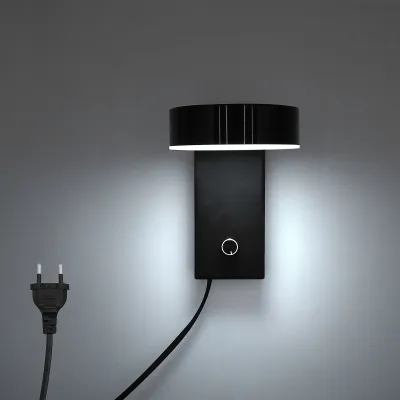
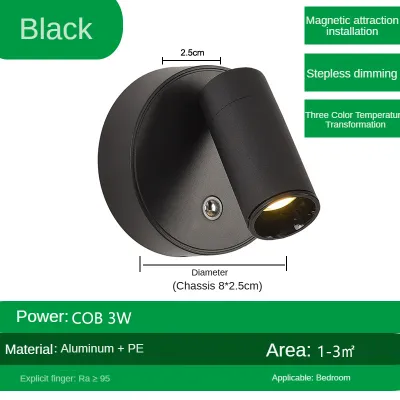
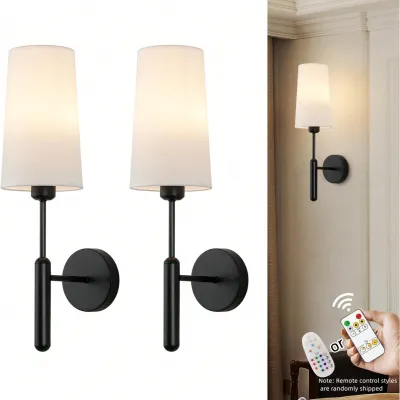
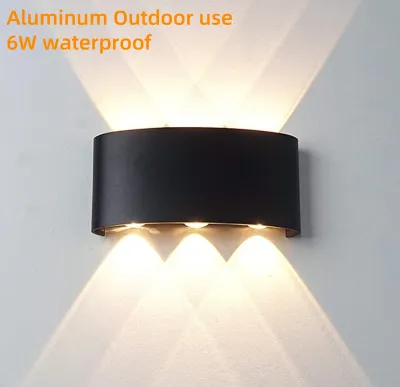
Prices are valid at publication and may change. Please refer to the product page for the latest price.
Ambient lighting, on the other hand, focuses on creating a relaxing atmosphere. It casts a soft, diffused glow throughout the immediate bedside area, helping your eyes transition from the bright screens of daytime activities to a restful state before sleep. This gentle illumination is perfect for winding down, navigating the room safely, or enjoying a quiet conversation.
A common failure in bedside lighting is relying on a single, unshielded bulb that creates harsh glare when you are lying down. This direct exposure to a bright light source can disrupt your natural sleep preparation and cause immediate visual discomfort. It often leads to headaches and eye fatigue, defeating the purpose of a relaxing evening routine.
Another frequent issue is insufficient light spread, forcing you to crane your neck or hold reading materials at awkward angles to catch the light. This physical strain can cause neck discomfort and make reading an uncomfortable chore rather than a relaxing escape.
To determine your ideal setup, evaluate your nightly habits. If you spend hours reading, a dedicated, adjustable task light is essential; if your routine consists mostly of winding down with soft music or meditation, prioritizing a warm, diffused ambient glow is more beneficial.
Essential Features for Dual-Purpose Modern Sconces
Modern wall sconces often feature adjustable components like swivel heads, articulating arms, or rotating shades. These mechanical features allow you to direct the light precisely where you need it, preventing the beam from spilling over and disturbing a sleeping partner. They offer the flexibility to switch from a direct reading spot to an indirect wall-wash effect.

The choice of shade material directly dictates how light is diffused. Frosted glass, woven fabrics, and perforated metals soften the output, transforming a harsh bulb into a gentle ambient glow while still allowing enough downward light for casual reading. Each material interacts with light differently, altering the texture and warmth of the room’s atmosphere.
In humid tropical environments, selecting durable shade materials is particularly important. Metal shades with rust-resistant coatings or high-quality glass are often easier to maintain and clean than delicate fabrics that might trap moisture or dust over time. These robust materials ensure your fixtures remain clean and functional for years.
Dimming capabilities are vital for transitioning between active reading and a soft nightlight glow. When selecting a fixture, check the product specifications to verify compatibility between the fixture’s internal wiring, your wall dimmer switch, and the specific bulb type used. Not all modern fixtures support all dimming methods, so verification is key.
Beam angles also play a critical role in balancing task and ambient light. A narrow beam angle of 15 to 30 degrees creates a concentrated spotlight perfect for reading, while a wider beam angle or an open-top shade helps wash the wall with indirect, ambient light. Choosing the right angle depends on how close the fixture is to your bed.
Always verify the bulb base, interface, and maximum wattage limits listed on the manufacturer’s label. Using a bulb that exceeds the recommended wattage can cause overheating, which poses a safety risk and can damage the fixture’s internal components. Ensuring compatibility keeps your home safe and your lighting reliable.
Placement, Switching, and Installation Safety
Proper placement ensures your wall light is both functional and safe. As a general guideline, mount the fixture so the bottom of the shade sits approximately 30 to 36 inches above the top of your mattress, preventing accidental head bumps when sitting up or getting out of bed. This height also ensures the light source remains shielded from direct eye contact.
Horizontal placement should align with the edge of your headboard or sit slightly outward, depending on the width of your bedside table. This positioning ensures the light falls naturally over your shoulder onto your reading material without casting your own shadow. It also keeps the bedside table surface clear for books, water, or personal items.
Switch accessibility is a key factor in nighttime convenience. Consider whether you prefer an inline cord switch that hangs within arm’s reach, a touch-sensitive sensor on the fixture base, or a traditional wall switch wired next to your headboard. Easy access prevents you from having to stretch or get out of bed to turn off the lights.
Before installation, verify the electrical requirements of your chosen fixture, including the voltage compatibility (typically 220V in the Philippines) and the load capacity of your existing circuit. Ensure the wall cavity is free of dampness and has adequate space for the junction box. These checks prevent electrical faults and ensure a stable installation.
For any hardwired installation, safety must be your primary concern. Always isolate the power at the main circuit breaker before touching any wires, and follow the manufacturer’s installation instructions carefully. Working with electricity requires strict adherence to safety protocols to prevent shocks or short circuits.
If your installation involves complex wiring, running cables behind concrete walls, or modifying your home’s electrical panel, always consult a licensed electrician in the Philippines. Professional installation ensures compliance with local electrical codes and safety standards, giving you peace of mind.
A Practical Checklist for Selecting Your Bedside Lights
To ensure your chosen modern wall light fits your space perfectly, use a structured checklist before making a purchase. First, measure the physical scale and projection depth of the sconce to ensure it does not protrude too far into your walking path or crowd your bedside table. A fixture that is too large can make the bedroom feel cramped.
Next, verify that the material finishes and design lines complement your existing bedroom decor. Matching the metal or matte finishes of your light fixture with your drawer pulls, door handles, or headboard frame creates a cohesive and intentional aesthetic. This visual harmony enhances the overall design of your personal sanctuary.
Check the product documentation for thermal management and clearance requirements. This is especially critical for fixtures mounted near flammable textiles, curtains, or low-clearance wooden headboards, as heat buildup must be safely dissipated. Proper clearance prevents damage to your walls and home furnishings.
Assess the long-term maintenance needs of the fixture. Complex modern geometries with intricate crevices may accumulate dust quickly in breezy rooms, requiring regular cleaning with a dry microfiber cloth. Choosing simpler shapes or easy-to-wipe surfaces can save you time and effort in your cleaning routine.
Finally, evaluate the light source itself. If the fixture uses integrated LED modules, check the manufacturer’s instructions regarding the lifespan and replacement process, as some integrated designs require replacing the entire fixture if the light source fails. Understanding these details helps you make a sustainable and cost-effective choice.
Frequently Asked Questions (FAQ)
Can I use a single smart bulb to switch between reading and ambient modes?
Yes, a single smart bulb can be an effective way to transition your bedside light from a bright reading focus to a dim ambient glow. By using a compatible mobile application or voice control, you can adjust both the brightness levels and the color temperature to suit your current activity. However, you must verify compatibility between the smart bulb and your fixture. If your wall light has an integrated physical dimmer or a touch sensor, using a smart bulb can cause flickering, buzzing, or premature failure of the bulb’s internal electronics.
What color temperature is generally recommended for bedroom wall lights?
For bedroom environments, warm light sources ranging from 2700K to 3000K are generally recommended. These warmer color temperatures mimic the soft glow of sunset, promoting relaxation and helping your body prepare for sleep. Cooler, blue-toned lights can increase alertness and disrupt your natural sleep cycle. Before finalizing your purchase, check the fixture specifications to see if it features adjustable color temperatures, and test different bulbs in your bedroom to find the tone that best complements your wall colors and decor.
Do plug-in wall sconces require an electrician for installation?
Plug-in wall sconces generally do not require a professional electrician for basic installation, as they simply mount to the wall and plug directly into an existing electrical outlet. This makes them an excellent option for renters or quick bedroom updates. However, you must ensure the power cord is safely managed and does not create a tripping hazard. If you plan to conceal the cord inside the wall cavity for a cleaner look, or if you decide to convert the plug-in fixture into a hardwired model, you must hire a qualified professional to perform the work safely and legally.

Community discussion
Share your experience or ask a question. Comments are reviewed before publication.