
Quick Answer: The Core Specs That Define Your Lighting
When selecting modern pin lights for your ceiling, the most critical visual specifications to evaluate are beam angle, color temperature (CCT), and the Color Rendering Index (CRI). These three metrics determine how light is distributed, the atmosphere of the room, and how accurately colors are represented. However, before diving into these aesthetic choices, you must verify physical and electrical baselines, such as the ceiling cut-out size and voltage compatibility. The ideal combination of specs depends entirely on the specific function of each room rather than simply choosing the highest numbers on the product packaging.
Beam Angle: How to Control Light Spread and Focus
The beam angle measures the spread of light as it exits the fixture, dictating whether your pin light acts as a focused spotlight or a broad ambient source. Selecting the wrong angle can leave spaces either harshly spotlit or underwhelmingly dim.

Narrow beam angles, typically ranging from 15 to 24 degrees, concentrate light into a tight, intense cone. This is the ideal choice for accent lighting, such as highlighting artwork on a wall, illuminating a textured stone pillar, or emphasizing specific architectural features in your home.
Products mentioned in this guide
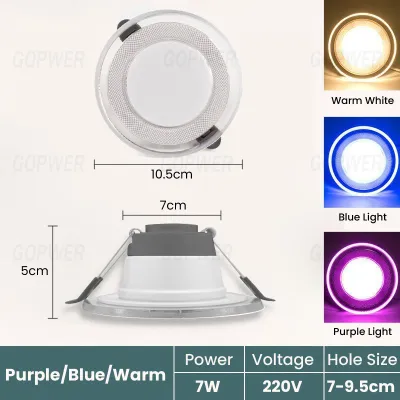
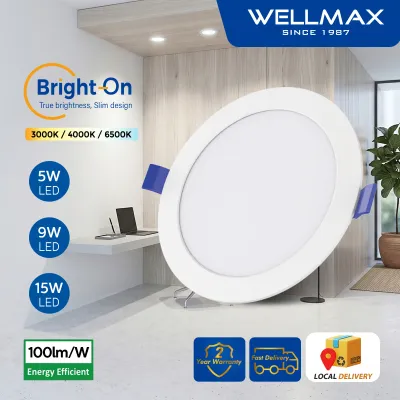
Prices are valid at publication and may change. Please refer to the product page for the latest price.
Conversely, wider beam angles between 36 and 60 degrees distribute light across a larger area, making them highly effective for general ambient illumination. These wider spreads ensure that light washes evenly over floors, countertops, and furniture, minimizing harsh shadows in high-traffic zones.
Before purchasing, map out your ceiling height and the objects you want to illuminate. In homes with high ceilings, which are increasingly popular in modern Philippine architecture to improve natural ventilation, you will generally need narrower beam angles. A tighter beam helps push the light downward to floor level effectively, preventing the illumination from scattering and losing its intensity before it reaches your living space.
Color Temperature (CCT): Matching the Kelvin Scale to Your Room
Correlated Color Temperature, measured in Kelvin (K), defines the warmth or coolness of the light emitted by your pin lights. This specification directly influences the mood, visual comfort, and functionality of each room.
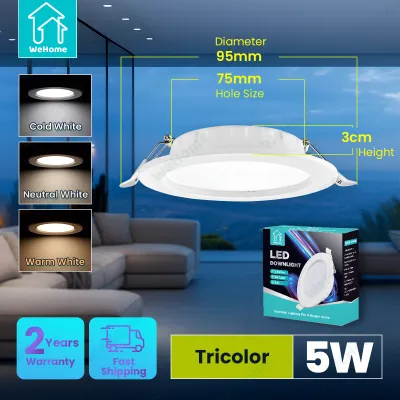
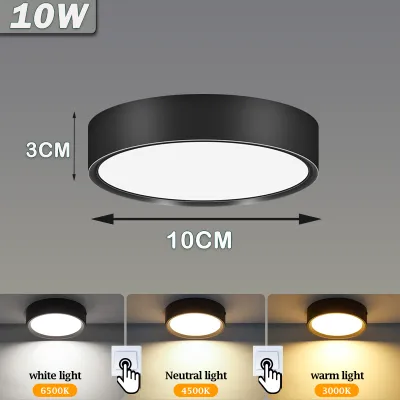
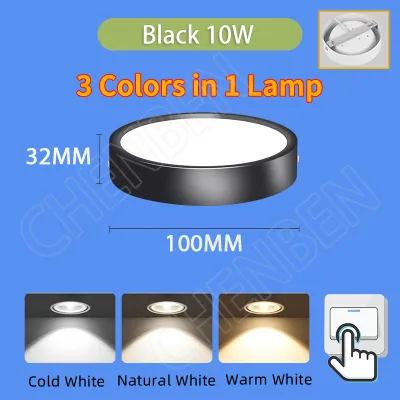
For residential spaces, the Kelvin scale is generally divided into three primary categories. Warm White (2700K to 3000K) produces a cozy, inviting glow that mimics traditional incandescent bulbs, making it perfect for relaxing areas such as bedrooms and living rooms. Neutral White or Cool White (around 4000K) offers a clean, balanced light that mimics natural afternoon light, which enhances focus and clarity in task-oriented spaces like kitchens, home offices, and study areas. Daylight (5000K and above) emits a crisp, bluish-white light that maximizes visibility, making it highly suitable for utility zones, pantries, and garages.
The psychological and functional impact of these ranges is significant; warmer tones encourage the production of melatonin for relaxation, while cooler tones promote alertness. Because of this, mixing different color temperatures within the same open-plan space or direct line of sight can create visual clutter and clashing tones. For modern open-concept layouts, maintaining a consistent color temperature across adjacent zones is essential to achieving a cohesive, professionally designed look.
Color Rendering Index (CRI): Why True Color Accuracy Matters
The Color Rendering Index (CRI) is a quantitative measure, rated on a scale from 0 to 100, that indicates how accurately a light source reveals the true colors of objects compared to natural daylight. A low CRI can make vibrant interiors look dull, grayish, or unnatural.
For standard residential applications, a CRI rating of 80 or above is generally acceptable. This level of color accuracy is perfectly adequate for transit areas like hallways, stairwells, and general living spaces where precise color distinction is not critical.
However, in areas where visual accuracy directly impacts your daily tasks, investing in fixtures with a CRI of 90 or higher is crucial. In the kitchen, high-CRI lighting ensures that food looks appetizing and fresh during preparation. In bathrooms and walk-in wardrobes, a high CRI is essential for accurate makeup application and matching clothing colors without surprises when you step outdoors.
Keep in mind the practical trade-offs when shopping for high-CRI pin lights. Fixtures with a CRI of 90 or above often carry a slightly higher price tag, ranging from ₱300 to ₱1,200 depending on the brand, and they may exhibit a marginally lower total lumen output per watt compared to standard 80 CRI models.
Physical and Electrical Specs: Cut-Out Size, Voltage, and Safety
To ensure a successful and safe installation, you must look beyond visual metrics and carefully evaluate the physical and electrical specifications of the fixtures.
First, distinguish clearly between the ceiling cut-out size and the outer diameter of the pin light. The cut-out size refers to the precise diameter of the hole that must be cut into your gypsum or ceiling board, whereas the outer diameter includes the decorative trim that sits flush against the ceiling surface. Buying fixtures based on outer diameter rather than the cut-out size is a common mistake that leads to costly ceiling repairs or incompatible fits.
Second, verify the input voltage and frequency of the pin light. In the Philippines, the standard household electrical supply is 220V at 60Hz. Installing fixtures designed exclusively for 110V systems will lead to immediate product burnout, while frequency mismatches can cause persistent, irritating flickering and premature driver failure.
Third, consider wattage and heat dissipation. While modern LED pin lights are highly energy-efficient, they still generate heat at the back of the diode. Ensure there is adequate clearance space above the ceiling board to allow heat to escape, particularly in tropical climates where attic spaces can reach extreme temperatures. Trapped heat degrades the internal LED driver, drastically shortening the lifespan of the fixture.
Finally, observe critical safety boundaries. Any task involving fixed electrical wiring, modifying structural ceiling joists, or working at heights requires isolating the power at your home’s main circuit breaker. Always review the manufacturer’s installation instructions and the care labels on your ceiling materials. If you are uncomfortable handling electrical connections or if your ceiling structure is complex, consult a qualified professional electrician to handle the installation and ensure proper safety grounding.
Which Marketing Specs Can You Safely Ignore?
With so many technical details printed on lighting boxes, it is easy to get overwhelmed by marketing specifications that have little impact on standard residential use.
For instance, extreme Ingress Protection (IP) ratings are largely unnecessary for dry indoor areas. While an IP65 or IP67 rating is vital for outdoor landscaping or underwater pool lights, a standard rating of IP20 is perfectly sufficient for living rooms, bedrooms, and hallways. You only need to look for IP44 splash-proof ratings when installing lights directly above showers or in highly humid, semi-outdoor patios.
Additionally, look closely at inflated “peak lumen” claims. Some budget brands advertise exceptionally high lumen outputs that the fixture can only sustain for a few minutes before overheating and dimming. Focus instead on continuous, rated lumens and reliable thermal management designs.
Lastly, do not feel pressured to buy proprietary smart-home ecosystems or app-controlled pin lights if you prefer standard wall-switch operation. If you do not plan to automate your home, standard non-smart models offer greater reliability, simpler wiring, and substantial cost savings.
Frequently Asked Questions (FAQ)
Can I use a dimmable pin light with any wall switch?
Dimmable LED pin lights will function on a standard on/off wall switch, but they will only operate at 100% brightness. To actually adjust the light levels, you must install a compatible dimmer switch. Most modern LED fixtures require trailing-edge dimmers specifically designed for low-wattage electronics. Using older, leading-edge dimmers meant for incandescent bulbs will typically result in visible flickering, audible buzzing, or permanent damage to the LED driver. Always verify the dimmer’s compatibility list before purchasing.
Do I need a high IP rating for standard ceiling pin lights?
No, standard dry rooms such as living rooms, bedrooms, and hallways do not require high IP ratings. Standard indoor fixtures with an IP20 rating provide adequate protection against dust and touch. You only need to specify moisture-resistant fixtures, such as those rated IP44 or higher, for areas exposed to high humidity, steam, or water splashes. These areas include bathrooms, laundry zones, and covered outdoor balconies or patios.

Community discussion
Share your experience or ask a question. Comments are reviewed before publication.