
Selecting the ideal ceiling lamp modern design for a low-ceiling condo in the Philippines requires balancing physical clearance, light output, and aesthetic appeal. In compact living spaces where ceiling heights often hover around 2.4 to 2.7 meters, traditional hanging fixtures or bulky chandeliers can make rooms feel cramped and restrict movement. Modern flush mount ceiling lamps—specifically ultra-slim LED panels, low-profile geometric metal fixtures, and smart dimmable units—offer a streamlined solution. These fixtures sit tight against the ceiling plane, preserving valuable headroom while delivering efficient, wide-angle illumination that visually expands the living area.
Key Selection Criteria for Low-Ceiling Spaces
When choosing a ceiling fixture for a compact condo, the physical profile is your primary constraint. A fixture’s drop—the distance it extends downward from the ceiling—should ideally not exceed 10 to 15 centimeters. This ensures that tall residents and guests can move freely without the risk of bumping into the light. Ultra-slim designs, which often measure less than 5 centimeters in thickness, are particularly effective at maintaining an unobstructed vertical plane, making the ceiling appear higher than it actually is.
Lumen requirements must also be calculated carefully based on the specific room’s square footage and natural light exposure. Condo units often feature deep layouts with single-aspect windows, meaning natural light may not reach every corner. To compensate, aim for approximately 150 to 200 lumens per square meter for living areas and bedrooms, while task-heavy zones like kitchens and bathrooms may require up to 300 to 400 lumens per square meter. Choosing a fixture with adequate light output prevents dark corners that can make a small room feel even smaller.
Products mentioned in this guide
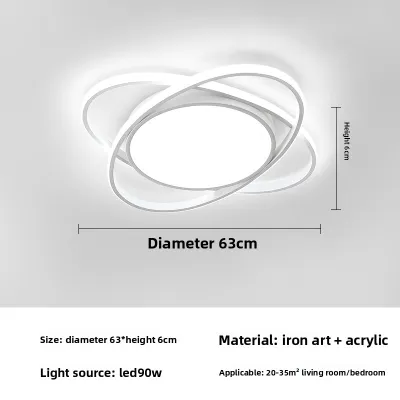
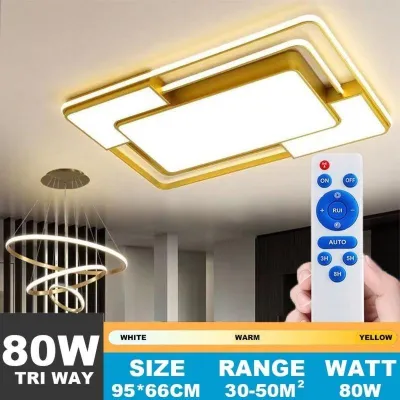
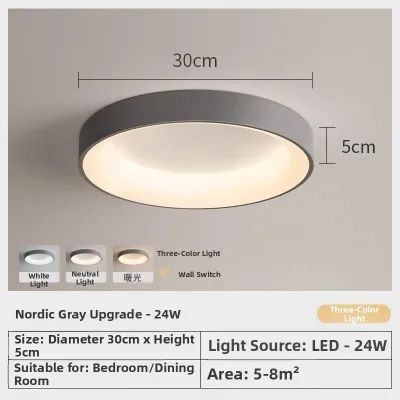
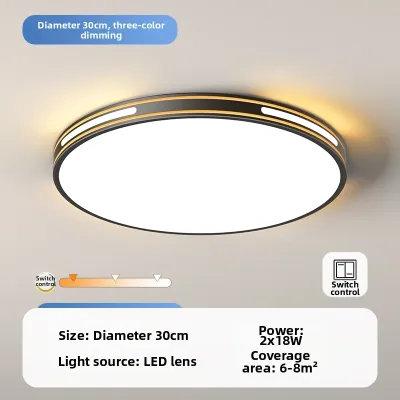
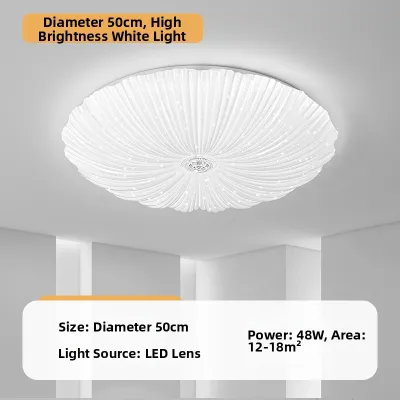
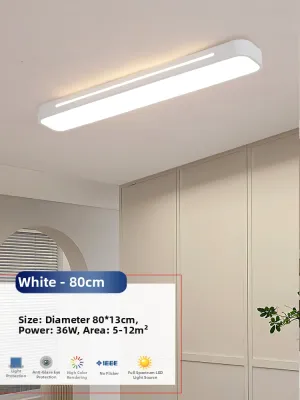
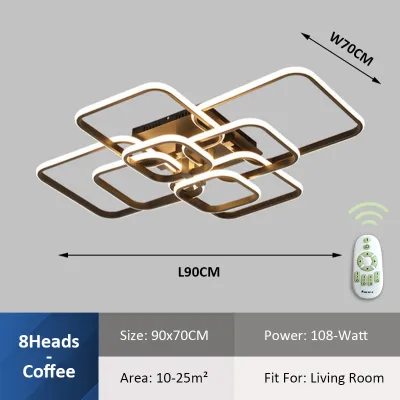
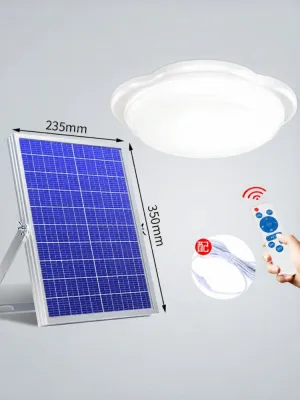
Prices are valid at publication and may change. Please refer to the product page for the latest price.
Color temperature is a subjective preference that significantly influences spatial perception. Warm white light (2700K to 3000K) creates a cozy, relaxing atmosphere suitable for bedrooms and dining areas, though it can sometimes make a small space feel more enclosed. Cool white light (4000K) offers a neutral, crisp balance that mimics natural daylight, making it a popular choice for multi-functional living rooms because it enhances clarity and visual openness. Daylight (6000K to 6500K) provides high contrast and energy, which is highly functional for kitchens and home offices but may feel too clinical for relaxation areas.
Modern Design Styles That Maximize Space
Modern design prioritizes clean lines, minimal ornamentation, and functional efficiency. When selecting a flush mount fixture, understanding the structural and visual differences between design categories helps you choose a style that complements your interior decor while maximizing the perceived volume of the room.

Minimalist and Ultra-Slim LED Panels
Edge-lit LED panels feature light sources arranged along the inner frame, directing light sideways into a light guide plate that diffuses it downward. This construction allows for an incredibly thin profile, often under 2 centimeters, and produces a soft, uniform glow with minimal glare. Direct-lit panels, on the other hand, place the LEDs directly behind the diffuser. While direct-lit fixtures are slightly deeper—typically 3 to 5 centimeters—to allow for proper light mixing, they often deliver higher energy efficiency.
Edge-lit panels are highly suitable for bedrooms, study areas, and low-ceiling living rooms where direct glare can cause eye strain. Their soft, diffused output minimizes harsh shadows, creating a serene environment. Direct-lit panels are excellent for utility rooms, hallways, and kitchens where maximum light penetration and efficiency are prioritized over an ultra-thin profile.
Geometric and Architectural Metal Fixtures
Low-profile metallic frames, often constructed from powder-coated aluminum, iron, or brushed brass, add architectural interest without encroaching on vertical space. Aluminum is highly favored for its lightweight properties and excellent heat dissipation, which helps prolong the lifespan of the internal electronics in warm tropical climates. These fixtures provide a structured, contemporary look that anchors the room’s design.
Integrated LED modules allow manufacturers to design incredibly sleek, low-profile shapes that would be impossible with traditional bulb sockets. However, if the LED driver or module fails, the entire fixture or driver must be replaced. Fixtures with replaceable bulb sockets, such as GU10 or E27 bases, offer easier long-term maintenance since you can simply swap out a dead bulb, but they generally require a thicker chassis to accommodate the socket and bulb assembly.
Open geometric frames can cast intricate shadow patterns on the ceiling and walls. While visually striking, these shadows can sometimes create visual clutter in a small, low-ceiling room. If a clean, spacious feel is desired, opt for fixtures with solid metal borders and frosted acrylic diffusers that direct all light downward and outward without casting distracting shadows.
Smart and Dimmable Flush Mounts
Smart flush mounts offer the flexibility to adjust brightness and color temperature throughout the day, which is ideal for multi-purpose condo spaces. Some models rely on dedicated physical remote controls, which are highly convenient for quick adjustments without needing a smartphone. Others connect to mobile apps, allowing you to set schedules, automate lighting scenes, and control the fixtures remotely.
Most smart lighting fixtures require a stable 2.4 GHz Wi-Fi connection to pair with mobile apps and smart home ecosystems. Before purchasing, verify that your condo’s wireless router can deliver a strong signal to the ceiling location. If your Wi-Fi is prone to dropouts, a Bluetooth-enabled fixture or one with a physical remote control may offer more reliable daily operation.
A critical technical check is verifying how the fixture dims. Standard wall-mounted rotary dimmers work by rapidly cutting the voltage supplied to the fixture. If you connect a smart LED fixture or a non-dimmable LED driver to a traditional wall dimmer, it will likely cause severe flickering, buzzing, and permanent damage to the electronic driver. Always ensure that your physical wall switch is a standard on/off switch if you are using smart fixtures, or verify that your dimmable fixture is explicitly certified to work with your specific type of wall dimmer.
Electrical and Installation Checks for Philippine Condos
The standard electrical grid in the Philippines operates at 220V to 240V at a frequency of 60Hz. Many modern lighting fixtures sold on international e-commerce platforms are designed for 110V/50Hz or 220V/50Hz systems. Operating a 50Hz driver on a 60Hz grid can cause the internal components to run hotter, leading to premature failure, flickering, or audible buzzing. Always check the manufacturer’s specification label to confirm compatibility with 220V/60Hz before purchasing.
High-rise condo units in the Philippines typically feature solid concrete slab ceilings. The electrical junction box is cast directly into the concrete. Before mounting a new fixture, inspect the junction box to ensure it is securely anchored and can support the weight of the new lamp. While lightweight plastic or aluminum LED panels pose little risk, heavier geometric metal fixtures require robust mounting screws and anchors. Never exceed the weight capacity of the existing junction box.
Living in a condominium means adhering to strict property management guidelines. Many condo corporations prohibit drilling deep into concrete ceiling slabs because of the risk of striking embedded post-tensioning cables or electrical conduits. Always consult your building administration office to obtain the necessary work permits and clarify drilling restrictions. Additionally, schedule your installation during approved construction hours—typically weekdays between 9:00 AM and 5:00 PM—to avoid noise complaints and potential fines from the property management.
Working with electrical wiring carries inherent risks of shock and fire. Before attempting any installation, isolate the power supply by turning off the corresponding circuit breaker at your unit’s main electrical panel. Verify that the power is completely off using a non-contact voltage tester. If the installation requires working at heights, ensure you use a stable, non-conductive fiberglass A-frame ladder. Because fixed electrical wiring requires technical expertise, it is highly recommended to hire a licensed electrician to handle the connection, ensuring compliance with the Philippine Electrical Code.
Sourcing and Verifying Quality Online and In-Store
When evaluating fixtures, look beyond the exterior design. Check the Color Rendering Index (CRI), which measures how accurately a light source reveals the true colors of objects compared to natural daylight. A CRI of 80 or higher is recommended for indoor living spaces to ensure that furniture, food, and skin tones look natural. Additionally, consider the Ingress Protection (IP) rating. While a standard IP20 rating is sufficient for dry areas like living rooms and bedrooms, fixtures installed in bathrooms or kitchen prep areas near sinks should have an IP44 rating or higher to protect the internal electronics from the high humidity and steam typical of tropical climates.
Purchasing lighting online offers convenience, but it also carries risks of shipping damage or receiving defective units. Prioritize sellers on e-commerce platforms that offer clear warranty terms (ideally at least one year) and have a straightforward return policy. Check customer reviews specifically for mentions of packaging quality, ease of return, and the responsiveness of the seller’s customer service.
Prices for modern flush mount ceiling lamps in the Philippine market vary widely. While budget-friendly options under ₱500 are readily available, they often utilize low-grade plastic diffusers that yellow over time and cheap drivers prone to burning out under local voltage fluctuations. Allocating a mid-range budget of ₱1,500 to ₱4,000 per fixture generally secures high-quality materials, such as aluminum heat sinks, durable acrylic diffusers, and certified electronic drivers that offer a significantly longer operational lifespan.
Frequently Asked Questions (FAQ)
Can I install a flush mount light if my condo ceiling has no existing junction box?
Installing a traditional flush mount fixture on a concrete ceiling without an existing junction box is challenging because drilling or channeling into the concrete slab to run new wires is often prohibited by condo administrations. In such cases, surface-mounted alternatives are the most practical solution. You can install surface-mounted metal or plastic conduits to route the wiring from an existing wall outlet or adjacent light source along the ceiling surface to the desired fixture location. Alternatively, track lighting systems can be mounted to the ceiling, allowing you to feed power from a single offset junction box and position adjustable light heads along the track. Always consult your building administration to review approved wiring methods and hire a licensed electrician to perform the installation safely.
How do I clean an integrated LED flush mount without damaging the diffuser?
To clean your flush mount ceiling lamp safely, always begin by turning off the light switch and isolating the power at the circuit breaker. Allow the fixture to cool completely for at least 15 minutes to prevent thermal shock to the diffuser or internal components. Use a clean, dry, and soft microfiber cloth to gently wipe away dust and cobwebs from the exterior surface. For stubborn dirt or insect spots, slightly dampen the microfiber cloth with plain water or a highly diluted, mild dish soap solution. Never spray water or cleaning agents directly onto the fixture, as liquid can seep into the housing and damage the LED driver. Avoid using harsh chemical cleaners, alcohol, solvent-based products, or abrasive scrubbing pads, as these can scratch, cloud, or permanently yellow the acrylic or polycarbonate diffuser.

Community discussion
Share your experience or ask a question. Comments are reviewed before publication.