
Selecting the ideal lighting for a modern condominium in the Philippines requires balancing aesthetic appeal with strict physical constraints. In units with low ceilings, the best modern flush mount lights are ultra-slim, surface-mounted fixtures and integrated LED disc lights that sit close to the ceiling plane. These designs maximize vertical clearance while distributing light evenly across compact living spaces. By choosing low-profile fixtures, you avoid the visual clutter of hanging pendants while maintaining a clean, minimalist aesthetic that makes rooms feel larger and more open.
When navigating the unique layout of high-rise residences, lighting serves as both a functional necessity and a design tool. The right fixture can visually elevate a room, making a standard concrete ceiling feel loftier and more spacious. Conversely, a poorly chosen light can make a room feel cramped and dark. Understanding the structural realities of your condo and matching them with modern lighting designs is the key to creating a bright, comfortable, and stylish home.
Flush Mount vs. Recessed Pin Lights: Understanding Your Options
To make an informed decision for your condo, it is essential to understand the structural and visual differences between surface-mounted flush lights and recessed pin lights. Recessed pin lights require a hollow ceiling cavity, known as a plenum space, to house the fixture body and electrical connections. While this creates a perfectly flat ceiling surface, many high-rise residential developments in the Philippines utilize solid concrete slab ceilings. In these buildings, installing recessed pin lights is impossible without constructing a dropped ceiling using gypsum board, which can reduce your overall room height by several precious inches.
Products mentioned in this guide
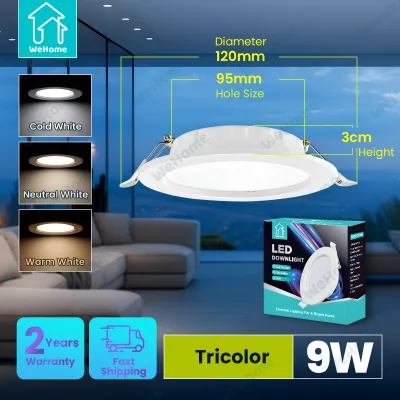
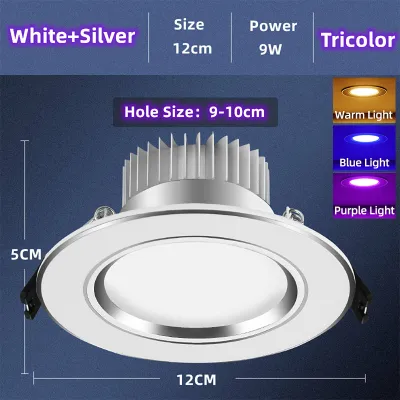
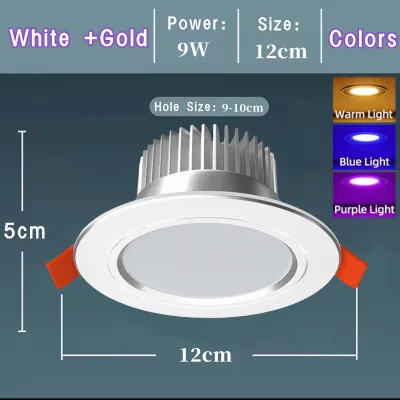
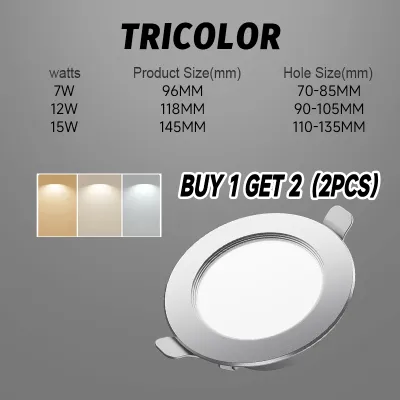
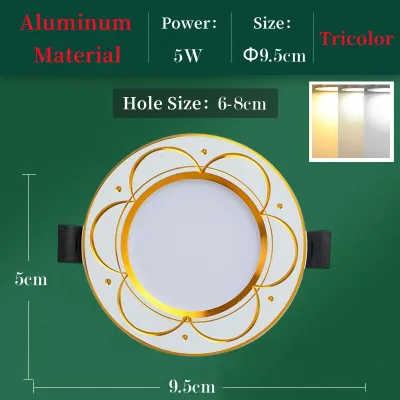

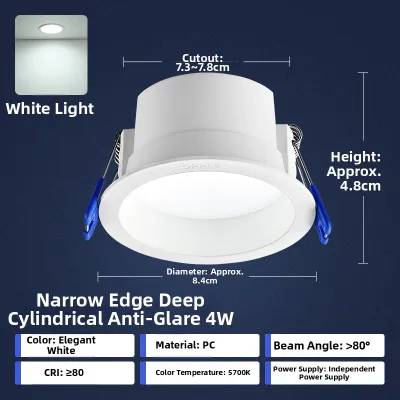
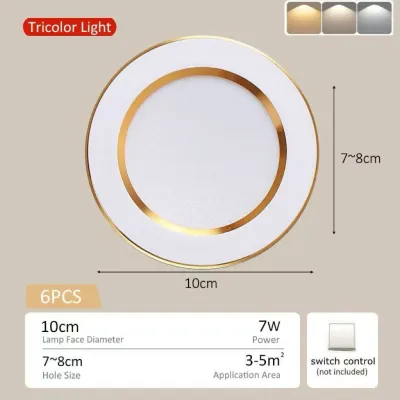
Prices are valid at publication and may change. Please refer to the product page for the latest price.
Flush mount lights, on the other hand, attach directly to the surface of the concrete slab over an existing junction box. This preserves every inch of your unit’s original vertical clearance, making it the most practical choice for maximizing headroom. Modern flush mount designs have evolved significantly from the bulky domes of the past; today’s ultra-slim models offer a clean, streamlined look that rivals the minimalism of recessed fixtures without requiring structural modifications.
From a visual perspective, the two lighting types distribute light differently, which directly affects how you perceive the room’s volume. Recessed pin lights produce a focused, downward beam of light. If the beam angle is too narrow, it can create a “cave effect” where the upper portions of the walls remain in shadow, making the ceiling feel lower than it actually is. In contrast, modern flush mount lights, particularly those with translucent or wrap-around diffusers, cast light outward and upward. This ambient glow illuminates the ceiling itself, eliminating dark corners and visually expanding the boundaries of your living space.
Core Selection Criteria for Low-Ceiling Spaces
When shopping for lighting fixtures for a low-ceiling condo, physical proportions and light output metrics should guide your decision. The profile height of the fixture is the most critical dimension to consider. To maintain comfortable headroom and prevent a cramped atmosphere, prioritize ultra-slim or low-profile fixtures that measure two inches (approximately five centimeters) or less in depth. This ensures that tall residents and guests can move freely throughout the unit without feeling like the light source is encroaching on their personal space.

The diameter and overall scale of the fixture must also align with your room’s dimensions. A massive, wide flush mount in a small studio kitchen can overwhelm the layout and make the ceiling feel heavy. Conversely, an undersized light in a combined living and dining area will look lost and fail to provide adequate illumination. To find the right balance, measure the room’s footprint and select a fixture diameter that scales naturally with your furniture, ensuring the light source anchors the space without dominating it.
Budget planning is another essential step in the selection process. When allocating your ₱ budget, consider the long-term value of integrated LED technology versus traditional fixtures with replaceable bulbs. While fixtures with replaceable bulbs may have a lower upfront cost, integrated LED flush mounts offer a much slimmer profile, superior energy efficiency, and longer lifespans. Given the tropical climate and high electricity rates in the Philippines, investing in energy-efficient integrated LEDs can lead to noticeable savings on your monthly utility bills while providing a sleek, modern aesthetic that enhances your property value.
Modern Minimalist Design Styles
Modern minimalist design focuses on clean lines, simple forms, and functional elegance, making it the perfect style philosophy for compact condo living. Integrated LED panels and edge-lit discs represent the pinnacle of this approach. These fixtures utilize advanced light guides to direct light sideways through a diffuser, resulting in an incredibly flat profile that sits almost flush with the ceiling. When turned off, they blend seamlessly into white ceilings, virtually disappearing from view. When illuminated, they provide a soft, shadow-free glow that mimics a natural skylight, making them ideal for kitchens, hallways, and bathrooms.
For living rooms and dining areas where you want a bit more architectural character, geometric and structured flush mounts are an excellent choice. Fixtures featuring square, rectangular, or hexagonal frames with matte black, clean white, or brushed metallic finishes add subtle visual interest without cluttering the ceiling plane. These designs work exceptionally well in contemporary interiors, helping to define specific functional zones within an open-concept condo layout without the need for bulky physical dividers.
If your design aesthetic leans toward softer, warmer interiors, consider shallow drum or dome styles with frosted diffusers. These fixtures feature gently rounded profiles that soften the hard angles often found in modern condo construction. The frosted glass or acrylic diffuser is crucial in low-ceiling spaces because it scatters light evenly and prevents harsh glare. This creates a comfortable, glare-free environment that is perfect for relaxing in the bedroom or lounging in the living room after a long day.
Technical Specifications and Compatibility Checks
Before purchasing any lighting fixture, you must verify its technical specifications to ensure compatibility with your condo’s electrical system and your functional needs. In the Philippines, the standard residential electrical supply is 220V at 60Hz. Always check that any flush mount light you select is rated for this voltage. Using fixtures designed for other electrical standards can lead to flickering, premature driver failure, or serious electrical hazards.
Color temperature, measured in Kelvin (K), and the Color Rendering Index (CRI) are vital for setting the right mood and functionality in your home. For living areas, dining spaces, and bedrooms, a warm white (2700K to 3000K) or neutral white (4000K) color temperature creates a cozy, inviting atmosphere that helps you unwind. For task-oriented areas like kitchens, home offices, and bathrooms, a cooler daylight temperature (5000K or higher) provides clear, energizing light. Additionally, look for fixtures with a CRI of 80 or higher to ensure that colors appear natural and vibrant under artificial light.
Dimmability is another feature that adds immense versatility to compact condo living, allowing you to transition a single room from a bright workspace to a relaxed dining area. However, you must ensure compatibility between the fixture, the LED driver, and your existing wall switches. Standard triac dimmers often cause non-dimmable LED fixtures to buzz, flicker, or fail prematurely. Always verify the manufacturer’s dimming specifications and, if necessary, upgrade your wall switches to match the requirements of your new LED flush mount.
Installation Boundaries and Condo Regulations
Installing new lighting in a condominium involves navigating unique administrative rules and structural boundaries that differ from single-family homes. Most condo corporations in the Philippines have strict guidelines regarding structural modifications and electrical work. Drilling deeply into solid concrete ceilings is often restricted to protect embedded tension cables, plumbing lines, or electrical conduits. Before purchasing any heavy fixtures or planning major changes, consult your building administration office to obtain the necessary permits and understand the structural limits of your unit.
Safety must always be your top priority when dealing with electrical installations. For any task involving fixed wiring, working at heights, or mounting fixtures to the ceiling, you must isolate the power at the main circuit breaker before starting. If you are unfamiliar with electrical wiring, or if your condo’s regulations require professional installation, stop your DIY efforts and hire a licensed electrician. A professional can ensure that the wiring is secure, grounded, and compliant with local electrical codes.
Additionally, you must verify the mounting hardware and weight limits of your ceiling structure. While lightweight plastic or aluminum flush mounts can be easily supported by standard junction boxes, heavier glass or metal fixtures require secure anchoring. If your condo has a gypsum drop ceiling, ensure that the fixture is mounted to the metal framing studs rather than the drywall alone. For solid concrete ceilings, use appropriate masonry anchors and screws to ensure the fixture remains securely attached over time, preventing any risk of falling hazards.
Frequently Asked Questions (FAQ)
Can I replace a recessed pin light with a flush mount fixture?
Yes, you can replace a recessed pin light with a flush mount fixture, but the process requires careful planning and structural preparation. First, you must turn off the power at the circuit breaker and remove the existing recessed fixture to inspect the ceiling opening. Because recessed pin lights are embedded in the ceiling, they leave a large hole that is typically wider than the mounting bracket of a standard flush mount light.
To install the new flush mount, you will need to install a compatible junction box inside the ceiling cavity to support the weight of the new fixture and house the electrical connections. Once the junction box is securely in place, you must patch, plaster, and paint the surrounding drywall to cover the remaining gap from the old recessed hole. If your ceiling is made of solid concrete with a shallow plaster finish, or if you are unsure how to secure the junction box safely, consult a licensed electrician to assess the structural integrity and complete the installation.
How do I clean and maintain integrated LED flush mounts?
Maintaining integrated LED flush mount lights is relatively simple, but it requires gentle care to avoid damaging the sensitive electronic components and diffusers. For routine cleaning, turn off the light switch and allow the fixture to cool completely. Use a dry, soft microfiber cloth to gently wipe away dust and cobwebs from the exterior surface of the diffuser and frame. Avoid using harsh chemical cleaners, abrasive pads, or excessive water, as moisture can seep into the sealed housing and damage the LED driver.
If the diffuser is made of acrylic or glass and has accumulated stubborn dirt, you can slightly dampen your microfiber cloth with a mixture of water and a mild, pH-neutral dish soap. Wipe the surface gently and dry it immediately with a clean cloth. Because integrated LEDs do not have replaceable bulbs, if the light stops working, the issue is usually related to the LED driver or the circuit board. In this case, check your product warranty for replacement options, or consult a professional technician to determine if the driver can be serviced.
Are smart flush mount lights practical for small condos?
Smart flush mount lights are highly practical for small condos, offering a range of space-saving and functional benefits. In a compact living space, installing multiple physical switches and dimmers can clutter your walls and complicate your wiring. Smart fixtures allow you to adjust brightness, change color temperatures, and set schedules directly from your smartphone or through voice commands, eliminating the need for complex wall controls. This versatility is especially useful in multi-functional rooms, such as a living area that doubles as a home office.
However, smart lighting does come with specific connectivity requirements and potential limitations. These fixtures rely on a stable Wi-Fi connection or a dedicated smart home hub to function correctly. If your condo has thick concrete walls that block wireless signals, you may experience connectivity issues. Additionally, some users experience app fatigue from managing multiple smart devices, and if your internet connection goes down, you may temporarily lose access to advanced features. Weigh these factors against the convenience of automated lighting to decide if smart fixtures are right for your lifestyle.

Community discussion
Share your experience or ask a question. Comments are reviewed before publication.