
Selecting the right modern LED ceiling lamp for your home is not just about choosing a stylish fixture; it is about matching the physical characteristics and light output of the lamp to the specific activities that take place in each room. The ideal style varies significantly depending on whether you are illuminating a high-traffic task zone or a quiet space meant for relaxation. By understanding how different designs distribute light, you can make informed decisions that enhance both the functionality and the aesthetic appeal of your living spaces.
To achieve a successful home lighting design, you must look beyond the decorative exterior and evaluate the underlying specifications of each fixture. Comparing options based on brightness, color temperature, and physical installation requirements will help you avoid common purchasing mistakes. This guide breaks down the essential technical criteria and design styles suitable for every room in your home, ensuring your selections are safe, efficient, and visually pleasing.
Modern LED Ceiling Lamp Basics: Panels and Recessed Lights
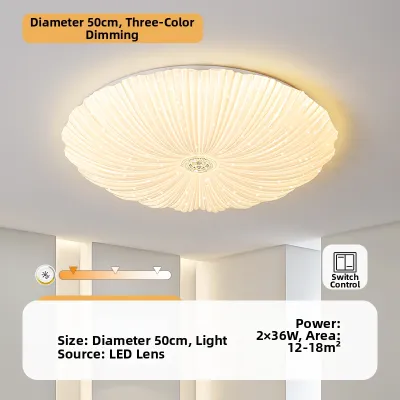
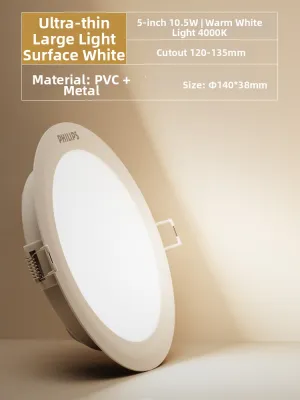
When exploring modern lighting options, three core styles dominate the contemporary design landscape: ultra-thin flush-mount LED panels, edge-lit panels, and recessed LED downlights. Ultra-thin flush-mount panels sit flat against the ceiling surface, providing a clean, minimalist profile that works exceptionally well in rooms with limited vertical space. Edge-lit panels utilize a specialized light guide plate to distribute light from the sides of the fixture inward, resulting in an incredibly soft, uniform glow that eliminates harsh shadows. Recessed downlights, on the other hand, are installed inside the ceiling cavity, keeping the ceiling plane completely unobstructed while offering focused directional light.
Products mentioned in this guide
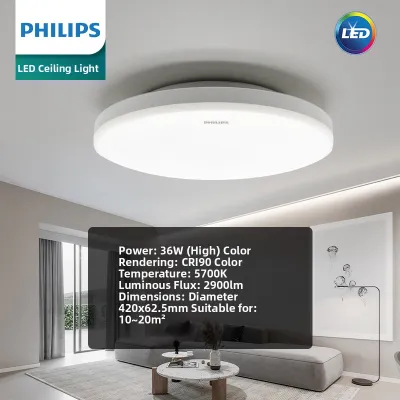
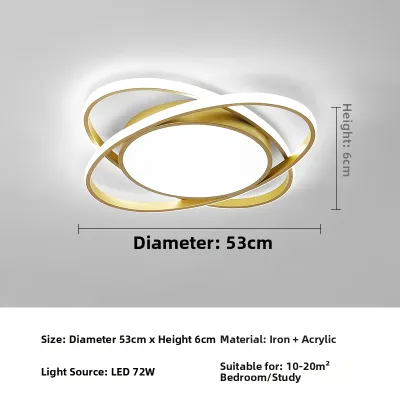
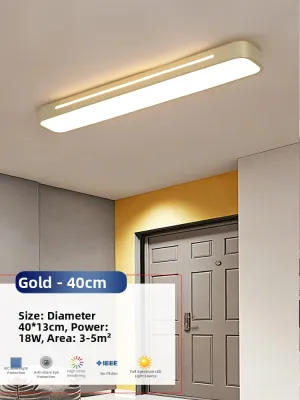
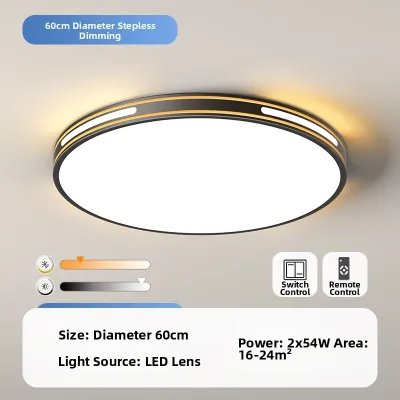
Prices are valid at publication and may change. Please refer to the product page for the latest price.
To choose the right fixture, you must understand two primary performance metrics: color temperature and brightness. Color temperature is measured in Kelvin (K) and determines how warm or cool the light appears. Lower numbers (2700K to 3000K) produce a cozy, yellowish light, while higher numbers (4000K to 6500K) deliver a crisp, bluish-white light. Brightness is measured in lumens, which indicates the actual light output of the fixture. Relying solely on wattage is no longer accurate, as modern LED technology produces significantly more lumens per watt than older incandescent or fluorescent bulbs.
Before purchasing any modern led ceiling lamp, you must perform several physical and electrical compatibility checks. Measure your ceiling cavity depth carefully if you plan to install recessed downlights, as some models require several inches of clearance for heat dissipation and housing. Additionally, verify the local voltage compatibility of the fixture. In the Philippines, the standard household electrical system operates at 220V at 60Hz. Ensure that any fixture you select is rated for this voltage and carries recognized electrical safety certifications to prevent premature driver failure or electrical hazards.
Living Room: Layered Lighting for Ambiance and Function
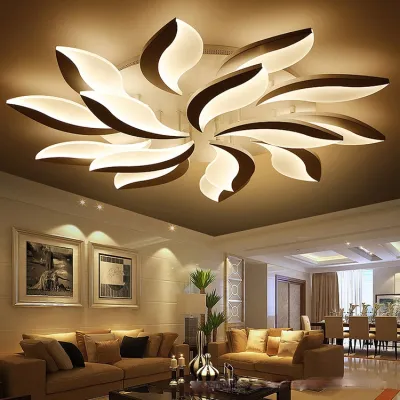
The living room serves as the multi-functional heart of the home, where family members gather to watch television, read, work, and entertain guests. Because the activities in this space shift throughout the day, a single static light source is rarely sufficient. Implementing a layered lighting strategy using dimmable modern LED ceiling lamps or a strategic combination of recessed downlights allows you to adapt the atmosphere to suit any occasion.

For general ambient lighting, a large, centrally located flush-mount LED panel provides a reliable foundation of light. You can supplement this central fixture with a series of recessed downlights positioned along the perimeter of the room to wash the walls with light and highlight architectural features or artwork. This combination of wide-angle ambient light and focused accent light adds visual depth to the room, making the space feel larger and more inviting.
When selecting color temperatures for the living room, a range of 3000K (warm white) to 4000K (neutral white) is highly recommended. Neutral white light keeps the living room feeling bright, clean, and energetic during daytime hours, which is ideal for cleaning or reading. In the evening, dimming the fixtures or switching to a warmer color temperature helps the household transition into a state of relaxation.
To manage these transitions effortlessly, consider installing multi-scene switches or smart LED control systems. Many modern LED ceiling lamps feature integrated smart drivers that allow you to adjust both brightness and color temperature via a mobile application or a dedicated remote control. If you prefer traditional wall dimmers, you must verify that the LED driver inside the lamp is explicitly labeled as dimmable and matches the dimming protocol of your wall switch.
Bedroom: Glare-Free Designs for a Relaxing Retreat
Bedrooms demand a lighting environment that prioritizes physical comfort, relaxation, and healthy sleep hygiene. Because you spend a significant amount of time looking upward while lying in bed, avoiding direct glare is the most critical factor when choosing a ceiling lamp. Harsh, exposed light sources can cause immediate eye strain and interfere with your body’s natural ability to wind down at the end of the day.
To prevent glare, look for ultra-thin flush-mount LED panels that feature edge-lit or indirect optical designs. These fixtures use a frosted diffuser that scatters the light evenly across the entire surface of the panel, ensuring that there are no bright “hot spots” to irritate your eyes. Indirect ceiling fixtures, which bounce light off the ceiling surface rather than shining it directly downward, are also excellent choices for creating a soft, soothing environment.
Color temperature selection in the bedroom directly influences your sleep-wake cycle. Opt for warm color temperatures between 2700K and 3000K for your primary bedroom fixtures. This warm, golden light mimics the natural tones of sunset, signaling to your brain that it is time to produce melatonin and prepare for restful sleep. Avoid using cool white or daylight fixtures (5000K and above) in the bedroom, as the blue wavelengths in cool light can disrupt your sleep patterns.
If you decide to incorporate recessed downlights in your bedroom for closet lighting or accent walls, pay close attention to their placement. Avoid positioning downlights directly over the head of the bed where they will shine directly into your eyes when you are reclining. Instead, install them along walkways, near wardrobes, or close to the walls to create a gentle wash of light that illuminates the room without creating uncomfortable overhead glare.
Kitchen: High-Visibility Task Lighting for Food Prep
The kitchen is primarily a functional workspace where precision, safety, and hygiene are of the utmost importance. Chopping ingredients, reading recipes, and operating cooking appliances require high-visibility lighting that minimizes shadows on your countertops, island, and sink areas. Insufficient lighting in these zones can lead to safety hazards and make daily meal preparation more difficult.
To achieve optimal visibility, install high-lumen modern LED ceiling lamps or a structured grid of recessed downlights. A color temperature of 4000K to 5000K (neutral to cool white) is ideal for kitchens because it provides a bright, energizing light that helps you stay alert and focused. Cool white light also makes it much easier to spot dirt, spills, and grease, ensuring that you can maintain a hygienic cooking environment.
In addition to brightness and color temperature, you must evaluate the Color Rendering Index (CRI) of your kitchen lighting fixtures. The CRI measures how accurately a light source reveals the true colors of objects compared to natural sunlight, on a scale up to 100. For kitchen applications, choose LED lamps with a CRI of 90 or higher. A high CRI ensures that fresh produce, meats, and cooked dishes look vibrant and accurate, which helps you judge the freshness and quality of your ingredients.
Kitchen lighting fixtures are constantly exposed to airborne grease, steam, and heat from cooking. When shopping for kitchen lamps, select models with smooth, flat surfaces and minimal decorative crevices where grease can accumulate. Fixtures with high-quality polycarbonate or acrylic diffusers are highly recommended, as they are durable, resistant to yellowing, and easy to wipe clean with a damp cloth during your regular kitchen maintenance routine.
Hallways and Bathrooms: Compact and Moisture-Resistant Fixes
Transitional spaces like hallways and high-humidity areas like bathrooms present unique physical and environmental challenges that require specialized lighting solutions. In hallways, where ceiling heights are often lower and space is limited, compact recessed LED downlights are the ideal choice. They sit flush within the ceiling, preserving valuable headroom while providing even, continuous illumination that guides you safely through the home.
For bathrooms, moisture resistance is the single most important safety and durability factor. In the tropical, humid climate of the Philippines, bathrooms are subject to high levels of condensation and steam from hot showers. You must verify the Ingress Protection (IP) rating of any fixture before installing it in a bathroom. A rating of IP44 or higher is required for general bathroom use, as it protects the internal electronics from water splashes and damp air. If you plan to install a recessed downlight directly over a shower stall, you must use a fixture rated IP65 or higher to ensure complete protection against direct water jets.
To maintain visual comfort as you move between different areas of your home, keep the color temperatures in your hallways and bathrooms relatively consistent with adjacent rooms. Stepping from a warm, cozy bedroom into a hallway illuminated by piercing, ultra-cool blue light can be visually jarring and uncomfortable, especially during the night. Aim for a smooth transition by selecting neutral tones (3000K to 4000K) that bridge the gap between different functional zones.
Cross-Room Cohesion and Essential Installation Safety
Creating a cohesive interior design throughout your home requires a thoughtful balance between consistency and customization. You can achieve a unified modern aesthetic by selecting LED ceiling lamps that share similar external design languages, such as minimalist white bezels, ultra-slim profiles, or frameless panel borders. While the physical appearance of the fixtures remains consistent from room to room, you can customize the internal specifications—such as lumen output, beam angles, and color temperatures—to match the specific functional needs of each individual space.
However, before you begin installing your new lighting fixtures, you must prioritize electrical safety. Working with electricity carries inherent risks of severe shock, fire, and structural damage if proper precautions are not taken. Always turn off the main power supply at your home’s circuit breaker before handling any wiring or removing old fixtures. Use a reliable voltage tester to double-check that the wires are completely dead before you begin working on them.
Additionally, you must verify that your ceiling structure can safely support the weight of your chosen fixtures, particularly when installing larger flush-mount LED panels on gypsum or plasterboard ceilings. Never bypass or ignore grounding wires during the installation process, as proper grounding is vital for protecting your household from electrical faults. Finally, remember that fixed wiring, installations in damp or wet locations, working at significant heights, or making modifications to your home’s structural ceiling elements are tasks that require the expertise of a qualified professional electrician. Hiring a licensed professional ensures that your installation complies with local electrical codes and operates safely for years to come.
Frequently Asked Questions (FAQ)
Can I install a modern LED panel light on a low ceiling?
Yes, ultra-thin flush-mount LED panels are highly recommended for homes with low ceilings because they maximize available headroom. Because many of these modern fixtures feature a profile thickness of less than an inch, they sit almost completely flat against the ceiling, eliminating the physical and visual clutter associated with hanging light fixtures. Before purchasing, you must check the physical dimensions of your ceiling junction box. Some ultra-thin panels utilize an external LED driver that must be housed inside the ceiling cavity or junction box; ensure there is sufficient physical space to accommodate this driver safely without pinching or damaging the electrical wires.
Do modern LED ceiling lamps require special dimmer switches?
Yes, modern LED ceiling lamps generally require specialized dimmer switches to function correctly and safely. Traditional dimmer switches designed for older incandescent bulbs work by cutting the electrical current, which often causes modern LED drivers to flicker, buzz, or fail prematurely. To achieve smooth, silent dimming, you must install an LED-compatible dimmer switch, which is typically a trailing-edge or electronic low-voltage (ELV) dimmer. Always cross-reference the lamp manufacturer’s approved compatibility list to verify that your chosen dimmer switch and the LED ceiling lamp are fully compatible before completing your installation.

Community discussion
Share your experience or ask a question. Comments are reviewed before publication.