
Choosing the right Nordic lampshade depends heavily on where the lamp sits and how you intend to use the light. For a bedside table, the primary goal is to create a restful, glare-free environment that supports nighttime reading without waking a partner. In contrast, a living room side table lamp serves a broader purpose, acting as both a decorative focal point and a source of warm, ambient light that fills the seating area. By understanding how different shapes, materials, and diffusion patterns function in these distinct spaces, you can select a Nordic design that balances clean Scandinavian aesthetics with practical everyday utility.
Core Traits of Nordic Lampshade Design
Nordic design is celebrated for its minimalist silhouettes, clean lines, and functional aesthetics. These lampshades draw their beauty from geometric simplicity, organic curves, and a thoughtful balance of form and function. The primary objective of a Nordic lampshade is to manage light in a way that feels natural and inviting, mimicking the soft, diffused quality of northern daylight.
To achieve this visual warmth, Nordic designs frequently incorporate natural, textured, or muted materials. Linen, woven paper, frosted glass, and light-toned wood veneers are common choices that soften the output of modern bulbs. This material selection is not merely decorative; it directly influences how light behaves, transforming harsh glare into a gentle, atmospheric glow.
Products mentioned in this guide
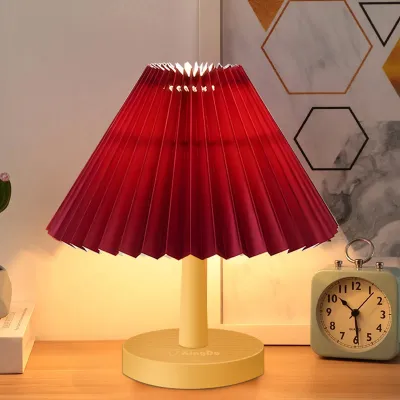
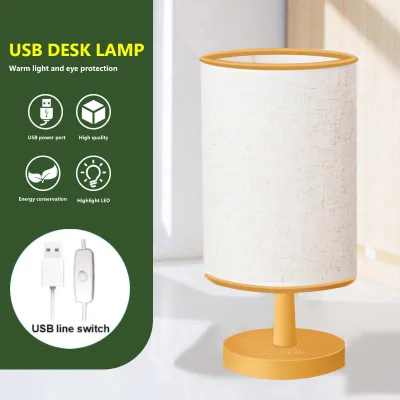
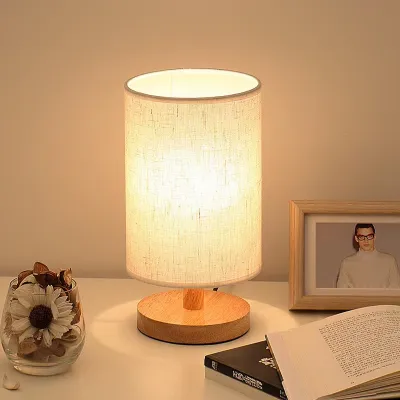
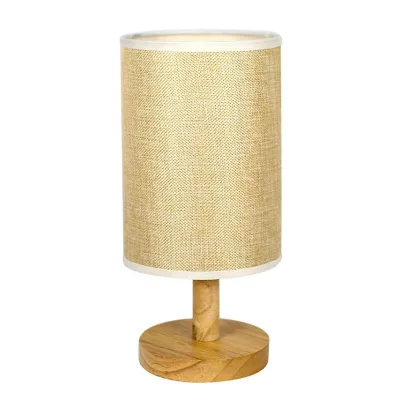
Prices are valid at publication and may change. Please refer to the product page for the latest price.
At its heart, the Nordic lighting philosophy seeks to balance focused task lighting with soft ambient illumination. A well-designed shade does not simply block light; it directs and sculpts it. Whether casting a concentrated pool of light downward for reading or scattering a warm wash of light across a room, these designs prioritize human comfort and spatial harmony.
Choosing Nordic Lampshades for Bedside Tables
When selecting a Nordic lampshade for your bedside table, light diffusion and glare control are your primary considerations. Because you are typically viewing the lamp from a low, reclined position, an exposed bulb can cause immediate eye strain and disrupt sleep. To prevent this, look for opaque or semi-opaque shades made of thick fabric, metal, or dense matte glass. These materials block horizontal light transmission and direct the illumination downward, creating a focused pool of light perfect for reading while keeping the rest of the bedroom dim and peaceful.

Deep drum, cone, or dome shapes are particularly effective for bedside use because their structures naturally shield the bulb from view. Some designs feature inner reflective coatings, such as matte white or soft brass, to maximize downward light output without increasing glare. Layered shades, which use concentric rings or tiers to diffuse light progressively, also work exceptionally well in a bedroom setting by scattering light softly along the edges while keeping the direct source hidden.
Proportions and footprint are equally critical when dealing with limited nightstand space. Bedside tables must accommodate essentials like phones, books, and glasses, meaning a massive lampshade will quickly feel intrusive. Opt for compact, slender bases paired with narrow cylindrical or tapered shades. A good rule of thumb is to ensure the lampshade’s diameter does not exceed half the width of your nightstand, leaving plenty of usable surface area.
Finally, look for designs with accessible inline cord switches, pull chains, or touch-sensitive bases. Fumbling in the dark for a switch located awkwardly under a wide, low-hanging shade can be frustrating. Ensuring the switch is within arm’s reach allows you to transition from reading to sleeping seamlessly, preserving the relaxing atmosphere of your bedroom.
Selecting Nordic Lampshades for Living Room Side Tables
In the living room, side table lamps play a much more public and decorative role, requiring a different approach to scale and light distribution. Here, the goal is often to provide ambient lighting that makes the communal space feel warm and welcoming. Translucent fabric shades, woven paper designs, or frosted glass globes are excellent choices because they allow light to escape in all directions, gently illuminating the surrounding walls and seating areas rather than just the tabletop below.
Larger living rooms offer more freedom to experiment with visual weight and sculptural scale. A side table lamp can serve as a striking design statement, featuring bold geometric shapes, asymmetrical silhouettes, or oversized dome shades that draw the eye. A larger shade helps anchor an end table or console table, balancing the visual weight of nearby sofas, armchairs, and bookshelves.
Material textures are vital for adding tactile warmth to a living room, especially in tropical climates like the Philippines, where lightweight, breathable textures feel naturally appropriate. Woven paper, coarse linen, and matte frosted glass introduce organic patterns and soft shadows that break up the flat surfaces of modern furniture. These materials catch the light beautifully, showcasing their natural grain and weave when the lamp is illuminated.
To create a cohesive living room environment, your side table lamp must layer effectively with other light sources. It should bridge the gap between bright overhead fixtures and low-level accent lights. By choosing a shade that diffuses light outward and upward, you can soften the harsh shadows cast by ceiling lights and create a balanced, multi-dimensional lighting scheme that adapts easily to hosting guests, watching movies, or relaxing.
Evaluating Materials, Light Diffusion, and Bulb Compatibility
Before finalizing your purchase, evaluate how different materials interact with your local environment and electrical setup. In humid tropical regions, delicate materials like untreated paper or fine silk can degrade, warp, or attract mold over time. If you live in a high-humidity area, look for treated paper, durable linen blends, or frosted glass, which offer excellent light diffusion while resisting moisture damage and remaining easy to wipe clean.
Bulb compatibility is a critical safety and performance factor. Always check the manufacturer’s label on the lampshade or socket to verify the maximum wattage limit and the required socket type, such as E27 or E14. Ensure there is adequate physical clearance between the bulb and the inner surface of the shade to prevent heat hazards. Using low-wattage LED bulbs is highly recommended, as they generate minimal heat, consume less energy, and fit easily into compact Nordic designs.
Pairing your shade with the correct color temperature is key to achieving the desired mood. For both bedside and living room settings, warm white bulbs (ranging from 2700K to 3000K) complement the natural textures of Nordic shades beautifully, enhancing the cozy, inviting feel of the space. Neutral white bulbs (around 4000K) may be preferred for dedicated reading corners, but they can make natural wood or linen shades look cold if not balanced carefully.
Lastly, prioritize safety by verifying that the lamp assembly carries recognized electrical safety certifications, such as the Product Safety (PS) mark or Import Commodity Clearance (ICC) sticker in the Philippines. Ensure the voltage matches your local standard (typically 220V). For table lamps, always route cords safely away from high-traffic walkways to prevent tripping hazards, and avoid overloading extension cords or multi-plug adapters.
Cross-Scenario Compatibility: Using One Lampshade for Both Spaces
If you prefer a versatile lighting setup that can transition between the bedroom and the living room, look for mid-sized, neutral designs with adjustable features. A medium-sized drum or tapered shade in a neutral linen can look equally at home on a nightstand or a living room end table. To make a single lamp work for both spaces, pair it with a dimmable LED bulb or a smart bulb, allowing you to dial down the brightness for bedside reading or boost it for living room gatherings.
However, keep in mind the limitations of highly specialized designs. A deep, completely opaque metal dome that excels at directing light downward for bedside reading will fail to provide the broad, ambient glow needed to warm up a large living room. Conversely, a highly translucent, delicate paper globe that beautifully illuminates a living room corner will likely cause uncomfortable glare when placed right next to your pillow. Assessing your primary lighting need in each room will help you decide whether a versatile hybrid or two specialized designs will serve you best.
Frequently Asked Questions (FAQ)
How do I clean a paper or fabric Nordic lampshade?
To clean delicate paper or fabric shades, start by unplugging the lamp completely. Use a dry, soft microfiber cloth, a clean makeup brush, or a gentle feather duster to sweep away surface dust. Avoid water or harsh chemical cleaners, as moisture can stain fabric, warp paper, or peel adhesive backing. Always consult the manufacturer’s care label for specific cleaning instructions.
What bulb shape works best inside a compact Nordic lampshade?
For compact Nordic shades, small LED candle bulbs, golf ball shapes (G45), or low-profile capsule bulbs work best. These shapes provide ample clearance from the shade walls, reducing heat buildup and preventing unsightly shadows. If your shade is highly translucent or open, choose a frosted LED bulb rather than a clear filament bulb to ensure the light is diffused evenly without creating harsh, visible hot spots.

Community discussion
Share your experience or ask a question. Comments are reviewed before publication.