
Selecting the right panda solar lights depends entirely on the specific layout and functional goals of your outdoor space. For garden pathways, the ideal design features low-profile, stake-mounted panda figures equipped with downward-focused lenses that illuminate walking surfaces safely without casting harsh glare into your eyes. Conversely, for patios and decks, larger decorative panda lanterns, table-top luminaries, or overhead string lights work best by casting a soft, diffused, warm glow that enhances the social atmosphere and establishes a cozy, relaxing environment.
By matching the physical form and light distribution of these whimsical fixtures to the unique demands of each zone, you can elevate both the safety and aesthetic appeal of your home. Understanding the distinct differences in brightness, mounting, and environmental exposure between pathways and patios is the first step toward making a practical and lasting purchase.
Understanding Pathway vs. Patio Lighting Needs
Pathway lighting and patio lighting serve two fundamentally different purposes in outdoor design, requiring distinct configurations of brightness, beam spread, and physical placement. A pathway is a transitional zone where movement occurs. The primary goal here is safety and navigation, which means the lighting must clearly define the edges of the walkway, highlight elevation changes, and reveal potential tripping hazards like stray garden hoses or tree roots. To achieve this without blinding pedestrians, pathway lights require a focused, downward-directed beam. They generally operate at a lower brightness level—typically between 10 and 50 lumens per fixture—and utilize a neutral-to-warm color temperature (around 3000K) to provide clear visual contrast without creating harsh, distracting glare.
Products mentioned in this guide
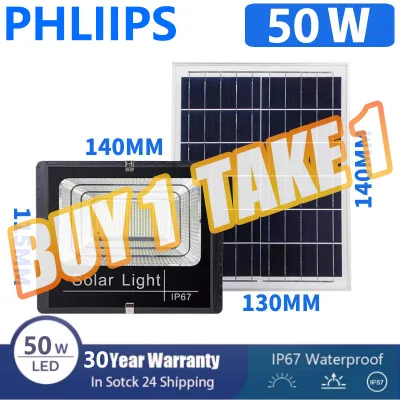
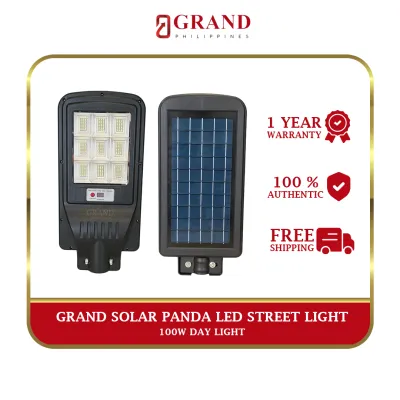

Prices are valid at publication and may change. Please refer to the product page for the latest price.
In contrast, a patio or deck is a stationary living space designed for relaxation, dining, and social gatherings. The lighting in this zone must focus on creating ambiance and providing broad, comfortable illumination. Rather than sharp, focused beams, patio lighting relies on diffused, omnidirectional light sources that mimic the soft glow of candlelight or warm indoor lamps. These fixtures often require higher cumulative lumens (ranging from 50 to 150 lumens per decorative unit) but spread that light over a wider area. Warm color temperatures of 2700K or lower are highly preferred here, as they promote relaxation and blend seamlessly with the natural evening environment.
Your outdoor layout also dictates the physical dimensions and mounting styles of the fixtures you choose. A narrow, winding garden path requires compact, ground-level lights that do not obstruct foot traffic or lawnmowers. A spacious patio, however, offers vertical and elevated surfaces—such as dining tables, side decks, pergolas, and railings—allowing you to experiment with hanging, tabletop, or wall-mounted panda designs. Identifying these spatial boundaries early prevents you from buying fixtures that are either too dim to secure a walkway or too glaring to enjoy during an outdoor dinner.
Choosing Panda Solar Lights for Garden Pathways
When lining your walkways, driveways, or garden borders, the physical design and mounting mechanism of your panda solar lights must prioritize safety and structural stability. Stake-mounted panda figures are the most effective option for these areas. These designs feature a heavy-duty ground stake topped with a weather-resistant panda sculpture. It is crucial to choose low-profile models where the light source is positioned low to the ground, pointing downward or outward horizontally. This ensures the light pool concentrates directly on the walking surface rather than dispersing upward into the eyes of passing guests.

Pay close attention to the light output and direction of the integrated LED. Look for panda designs where the light bulb is cleverly concealed under a decorative element, such as a sculpted bamboo leaf canopy, a miniature umbrella, or within the base of the figure itself. This architectural shielding directs the light beam toward the ground, creating a beautifully illuminated silhouette of the panda while casting a clear path of light along the walkway. Avoid completely exposed, unshielded LED bulbs on pathway stakes, as these can cause temporary night blindness as you walk past them.
Proper spacing and height are essential to achieve continuous visual guidance without creating a cluttered “runway” look. As a general rule, space your panda pathway lights approximately 1.5 to 2.5 meters apart. If the panda fixtures are relatively short (under 30 centimeters in height), place them slightly closer together to ensure their light pools overlap. Alternating the lights on left and right sides of the path, rather than placing them in perfectly parallel pairs, creates a more natural, balanced flow that gently guides the eye forward.
Finally, verify the durability and structural specifications of the lights to ensure they can withstand local environmental conditions. In the tropical climate of the Philippines, outdoor fixtures are routinely exposed to intense heat, high humidity, and heavy seasonal monsoon rains. Look for ground stakes made from reinforced ABS plastic or rust-resistant metals, which can easily penetrate clay-heavy or sandy-loam soils without bending or snapping. Ensure the light housing has a robust ingress protection rating and a secure battery compartment to prevent moisture from corroding the internal electronics during downpours.
Selecting Panda Solar Lights for Patios and Decks
Patio and deck spaces allow for much greater creative freedom, as you are not restricted to ground-level stake lights. For these social zones, prioritize larger decorative form factors that double as eye-catching daytime ornaments and cozy evening accents. Tabletop panda luminaries made of textured glass, ceramic, or durable resin can sit directly on outdoor dining tables or side stools, casting intricate, patterned shadows across the surface. Alternatively, hanging panda lanterns or string lights can be suspended from pergola beams, parasols, or nearby tree branches to add a sense of height and playfulness to the seating area.
Atmosphere is everything on a patio, so seek out fixtures that offer soft, diffused light. Frosted glass, matte resin, or warm-toned globes help scatter the LED light, eliminating harsh hotspots and creating a welcoming, candle-like glow. Some advanced decorative panda lights also offer dimming options or dual-mode lighting (switching between a steady warm white and a soft color-changing cycle), allowing you to adjust the visual energy of the space depending on whether you are hosting a lively barbecue or enjoying a quiet nightcap.
Strategic placement can make a small patio feel significantly larger and more inviting. Try clustering three tabletop panda lanterns of varying heights in an unused corner to turn a dark spot into a charming focal point. If you have a deck with steps or low railings, placing flat-bottomed, sitting panda sculptures along the perimeter boundaries or on step treads clearly defines the edge of the deck while casting a soft, downward glow that prevents accidental missteps.
Because patios are often used late into the evening, power capacity and solar panel efficiency are critical selection factors. Standard pathway lights may only require small batteries to run for a few hours, but patio fixtures should feature high-capacity rechargeable batteries (such as 1000mAh to 1200mAh Ni-MH or Lithium-ion cells) paired with highly efficient monocrystalline solar panels. This combination ensures that even after a partially cloudy day, your decorative pandas will have stored enough power to keep your outdoor living space illuminated throughout your entire evening gathering.
Installation, Weather Resistance, and Maintenance Tips
To maximize the performance and lifespan of your panda solar lights, proper installation and regular upkeep are essential. Solar panels require direct, unobstructed sunlight to charge their internal batteries fully. When positioning your lights, observe how shadows move across your yard throughout the day. Avoid placing the solar panels directly under roof overhangs, wide gutters, dense tree canopies, or large tropical foliage like banana leaves. Even partial shading on a single cell of a solar panel can drastically reduce its charging efficiency, leading to dim lights that turn off after only an hour or two of operation.
Before finalizing your installation, carefully inspect the product packaging or manufacturer specifications to verify the water and dust resistance ratings. For fully exposed garden pathways and open patios, look for an Ingress Protection (IP) rating of at least IP65. This rating ensures the fixture is completely dust-tight and protected against water jets from any angle, making it highly resilient against heavy tropical rainstorms. If you are placing tabletop or hanging pandas in a semi-sheltered area, such as a covered veranda or a deep porch, a lower rating of IP44 may suffice, but higher protection is always safer for long-term outdoor deployment.
Routine maintenance is simple but highly effective at preserving light quality and battery health. Every few weeks, gently wipe the surface of the solar panels with a damp microfiber cloth to remove accumulated dust, pollen, bird droppings, or salt residue if you live near coastal areas. Avoid using abrasive scrubbing pads or harsh chemical cleaners, as these can scratch or cloud the protective plastic coating on the panel, permanently reducing its ability to absorb sunlight. Additionally, inspect the light housings periodically for signs of moisture entry, and clear away any encroaching weeds or grass that might block light from reaching the solar cells.
Always prioritize safety and follow the manufacturer’s provided instructions during assembly and placement. Ensure ground stakes are pushed into pre-softened soil rather than forced into hard, dry ground, which can crack the plastic shafts. If you plan to mount heavy panda lanterns overhead on structural pergolas, or if you wish to integrate these decorative solar fixtures with an existing, hardwired 220V outdoor lighting system, always consult a qualified licensed electrician. A professional can help you establish proper power-isolation boundaries, secure heavy suspended loads safely, and ensure your entire outdoor lighting layout complies with local electrical safety standards.
Frequently Asked Questions (FAQ)
Do panda solar lights work well in shaded gardens?
Standard panda solar lights with integrated panels do not perform well in deep shade, as they require direct sunlight to charge their internal batteries. If your garden pathway or patio is heavily shaded by trees or building structures, look for specialty models that feature a detachable solar panel. These designs connect the decorative panda figure to a separate solar panel via a thin, weather-resistant cable, allowing you to position the panda in the shade while placing the charging panel in a sunny spot several meters away.
How long do the batteries in decorative solar lights typically last?
In typical outdoor conditions, the rechargeable batteries (usually Ni-MH or Li-ion) inside decorative solar lights last between one and two years before they begin to degrade and hold less charge. Intense tropical heat and high humidity can accelerate this degradation process. When purchasing panda solar lights, check the product specifications to ensure the battery compartment is easily accessible and uses standard, user-replaceable rechargeable batteries (such as AA or AAA Ni-MH). Choosing fixtures with replaceable batteries allows you to easily swap out old cells and extend the life of your decorative fixtures for years without needing to replace the entire unit.

Community discussion
Share your experience or ask a question. Comments are reviewed before publication.