
Planning staircase wall sconces requires balancing functional safety with visual harmony. To achieve this, the general guideline is to mount fixtures approximately 1.5 to 1.7 meters above the stair tread line, spacing them roughly 1.8 to 2.4 meters apart along the incline. This layout ensures that the steps are clearly illuminated to prevent missteps while keeping the light source out of your direct line of sight to avoid glare. However, the exact placement depends on your staircase’s physical dimensions, wall structure, and the specific design of your chosen stair lights.
Assessing Your Staircase Layout and Lighting Needs
To plan your lighting layout, begin by measuring the physical dimensions of your staircase. Use a tape measure to record the total length of the stair run, the width of the passage, and the height of the ceiling above the steps. These measurements establish a baseline for how many fixtures you will need to provide continuous illumination without overcrowding the wall.
Next, observe the staircase at different times of the day to identify dark spots and shadowed corners. Natural light from nearby windows might keep the area bright during the afternoon, but evenings often reveal deep shadows near landings or turns. Take note of any existing ambient light sources, such as overhead ceiling fixtures or hallway lamps, as these will influence how much additional brightness your new wall sconces need to provide.
Products mentioned in this guide
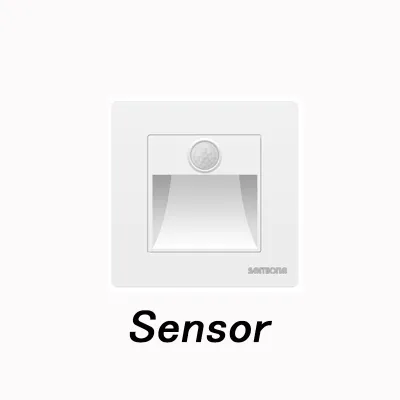
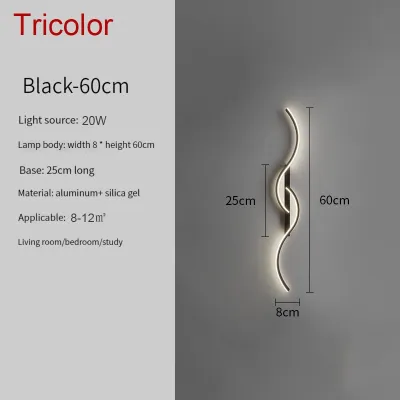
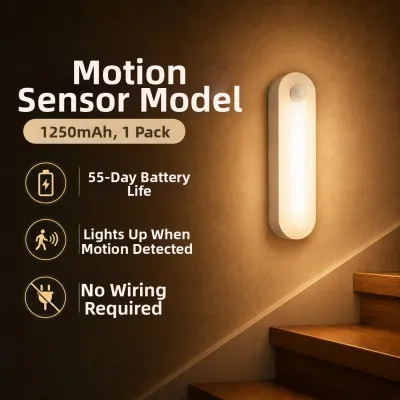
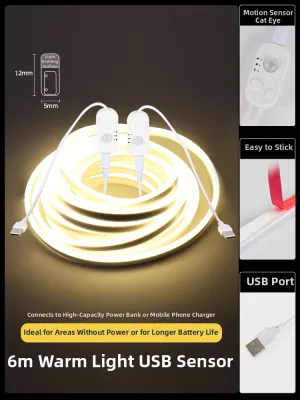
Prices are valid at publication and may change. Please refer to the product page for the latest price.
Finally, examine the wall materials and structural limitations of your stairwell. In many homes in the Philippines, staircase walls are constructed from solid concrete or concrete hollow blocks rather than drywall. This structural detail is crucial because mounting fixtures on concrete requires specialized masonry anchors, conduit planning, or chasing channels into the wall for wiring. Ensure the chosen wall surface can structurally support the weight of your selected sconces before proceeding with any installation plans.
Determining Optimal Height and Spacing for Stair Lights
Achieving the perfect balance of light coverage requires careful calculation of both vertical height and horizontal spacing. For vertical height, a reliable standard is to measure upward from the nose of the stair tread to the center of the fixture. Aiming for a height where the light source remains slightly above eye level for an average adult helps prevent direct glare. However, you must adjust this height based on the fixture’s specific beam angle and physical size; larger fixtures or those with wide-angle downlights may need to be positioned slightly higher or lower to optimize the light pool on the steps.

Horizontal spacing determines how evenly the light is distributed along the incline. To prevent dark gaps or overlapping pools of intense light, space your sconces consistently along the slope. A common approach is to place a fixture every four to six steps, which translates to a horizontal distance of about 1.8 to 2.4 meters. If your staircase features a landing or a sharp turn, treat these areas as transition zones. Place a dedicated fixture directly above or adjacent to the landing to ensure this critical pivot point is fully illuminated.
Clearance is another vital factor, especially on narrow or steep staircases. Sconces that protrude too far from the wall can become physical hazards, leading to accidental shoulder bumps or snagged clothing. When selecting fixtures, check the product specifications for projection depth. For narrow passages, look for low-profile designs that project less than 10 centimeters from the wall surface to maintain an unobstructed path.
Selecting Sconce Styles and Beam Angles for Safety and Decor
The style and finish of your wall sconces should complement your home’s existing interior design. Consider matching the metal finishes or materials of the fixtures with your staircase handrails, window frames, or nearby corridor decor. For instance, matte black or brass finishes can create a cohesive look in modern or industrial spaces, while warm wood accents or frosted glass might suit traditional interiors.
The direction of the light beam plays a critical role in both safety and ambiance.
- Uplights: These direct light toward the ceiling, creating a soft, indirect glow that bounces off the walls. While excellent for ambient mood lighting, they may not provide enough direct illumination on the stair treads if used alone.
- Downlights: These focus their beam downward, directly illuminating the steps where visibility is needed most. This is often the preferred choice for safety, as it highlights the edges of each step.
- Diffused Lights: These fixtures feature frosted or fabric shades that scatter light in all directions. They offer a balanced, soft illumination but require careful placement to ensure they do not cause glare at eye level.
Given the tropical climate and high humidity levels in the Philippines, environmental durability is a key consideration. Check the manufacturer’s labels for material specifications. Fixtures made from rust-resistant materials, such as powder-coated aluminum, brass, or high-quality polycarbonate, are less likely to degrade or corrode over time in humid conditions. Additionally, verify the bulb compatibility, maximum wattage limits, and color temperature labels on the packaging. A warm white color temperature (around 2700K to 3000K) is generally recommended for residential stairwells to create an inviting atmosphere that is easy on the eyes during nighttime navigation.
Pre-Installation Electrical and Structural Checks
Before cutting into walls or purchasing fixtures, you must conduct thorough electrical and structural checks. Use a reliable stud finder or wall scanner to locate existing wiring, plumbing pipes, or structural studs behind the wall surface. This step is especially important if you are retrofitting fixtures into drywall or planning to chase channels into concrete walls, as hitting an active electrical line or water pipe can cause severe damage or injury.
Next, evaluate your home’s electrical load and circuit capacity. Adding multiple new stair lights to an existing circuit could overload it, especially if that circuit already powers high-draw appliances. Consult your home’s electrical panel directory to identify which circuit will supply the new lights, and verify that the total wattage of the planned fixtures falls well within the safe operating limits of that breaker.
Depending on your current setup, you may need to plan for new wiring runs, switch upgrades, or smart home integrations. For staircase lighting, a three-way switch configuration is highly recommended, allowing you to turn the lights on or off from both the bottom and the top of the stairs. If you prefer automated convenience, check if the fixtures are compatible with smart bulbs, motion sensors, or timer switches that automatically activate the lights when someone approaches the stairs.
Always prioritize electrical safety by planning for a complete power shutoff. Before any physical work begins, locate your main circuit breaker panel and switch off the power to the specific zone where you will be working. Use a non-contact voltage tester at the wall site to verify that the wires are completely dead before touching them. Ensure that the voltage rating of your selected sconces matches the standard household voltage in your area (typically 220V in the Philippines).
Deciding Between DIY Installation and Hiring a Professional
Determining whether to tackle this project yourself or hire a professional depends on the complexity of the installation and your personal experience with electrical work. Swapping an existing, functional wall sconce for a new one with the identical wiring configuration is a manageable task for many DIY enthusiasts, provided the power is safely shut off at the breaker. Similarly, mounting battery-operated or wireless motion-sensor stair lights requires no electrical handling and can be easily completed with basic hand tools.
However, several scenarios serve as clear red flags that require the expertise of a licensed professional. If your project involves running new electrical wires through walls, installing new junction boxes, upgrading your main electrical panel, or working near main service lines, you should hire a qualified electrician. Attempting to install fixed wiring without proper training poses significant risks of electrical shock, short circuits, and fire hazards.
In the Philippines, fixed electrical installations must comply with the Philippine Electrical Code (PEC). A licensed electrician ensures that all wiring, conduits, and connections meet these national safety standards, which is crucial for securing building permits or maintaining home insurance coverage. Furthermore, altering your home’s fixed wiring yourself may void the manufacturer’s warranty on your lighting fixtures if a failure occurs due to improper installation. Investing in professional installation guarantees peace of mind, long-term safety, and reliable performance.
Frequently Asked Questions (FAQ)
Can I use plug-in wall sconces instead of hardwired stair lights?
While plug-in wall sconces are easier to install, they are generally not recommended for high-traffic staircases. The primary challenge is cord management; loose, hanging power cords along a stairwell present a severe tripping hazard. Additionally, most staircases lack conveniently located electrical outlets along the incline, meaning you would have to run extension cords, which is both unsafe and visually unappealing. If you cannot hardwire your fixtures, battery-powered or rechargeable LED stair lights are a much safer wireless alternative.
How do I clean and maintain wall sconces installed on high stairwell walls?
Maintaining wall sconces on high stairwell walls requires prioritizing personal safety. Never attempt to balance a standard ladder on individual stair steps. Instead, use a specialized stair-adapter ladder or an adjustable multi-position ladder designed to stand securely on uneven surfaces, ensuring all locking mechanisms are engaged. Before cleaning, turn off the power to the fixtures at the wall switch and allow the bulbs to cool completely. Use a dry microfiber duster or a slightly damp cloth to wipe down the fixtures, following the manufacturer’s care labels to avoid damaging delicate finishes or glass components.

Community discussion
Share your experience or ask a question. Comments are reviewed before publication.