
The choice between a dedicated reading light and a general bedside lamp depends entirely on whether your primary nighttime activity requires focused task illumination or diffused ambient glow. Neither option is universally superior; the right table light aligns with your specific reading habits, bedroom layout, and whether you share the bed. Selecting the wrong fixture can lead to eye strain, disrupted sleep patterns, or unnecessary disturbance to a sleeping partner. By understanding how these two lighting types direct and distribute light, you can make an informed decision that enhances both your nighttime comfort and your bedroom’s overall functionality.
To find the ideal balance, you must evaluate how light behaves in your space. A table light is not merely a decorative accessory; it is a functional tool that shapes your visual environment before sleep. This guide breaks down the functional differences, physical constraints, and safety considerations to help you select the best fixture for your nighttime routine.
Core Differences: Task-Focused vs Ambient Lighting
The fundamental distinction between a reading light and a bedside lamp lies in how they distribute light across your bed and room. A dedicated reading light is a task-focused fixture designed to project a narrow, concentrated beam of light directly onto a specific surface, such as a book, tablet, or notepad. This directional beam typically has a narrow angle, often between 15 and 30 degrees, which keeps the illumination highly localized. By focusing the light precisely where it is needed, a reading light provides the high contrast required to read small print clearly without illuminating the rest of the room.
Products mentioned in this guide
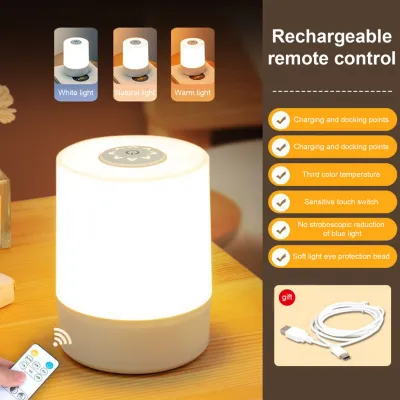
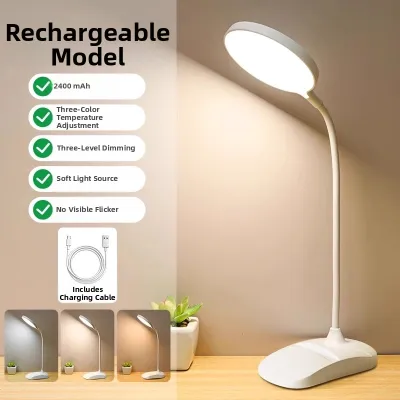
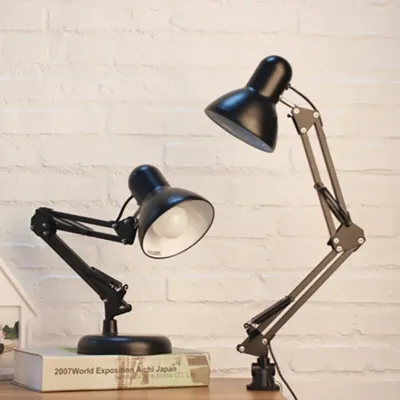
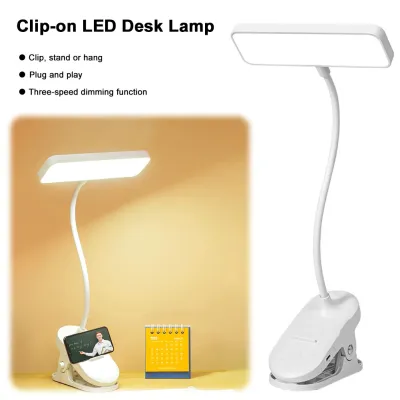
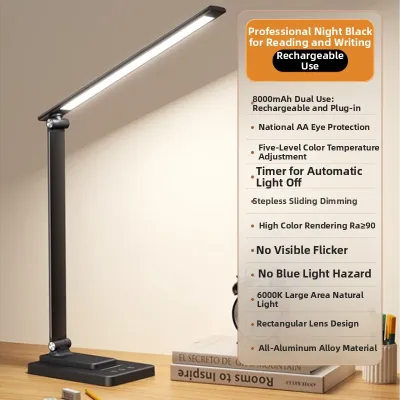
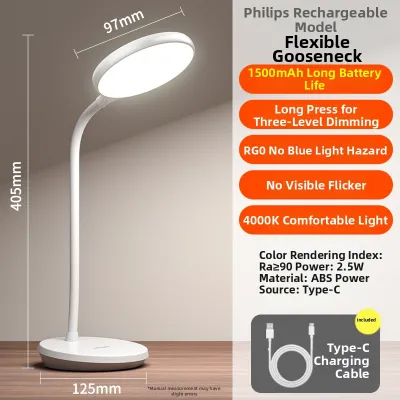
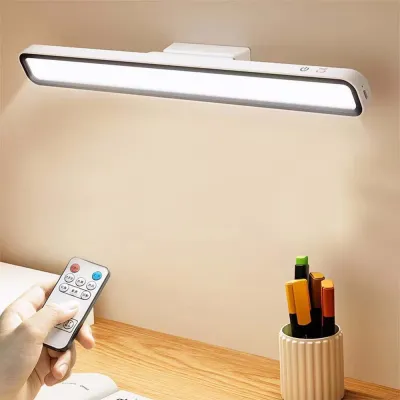
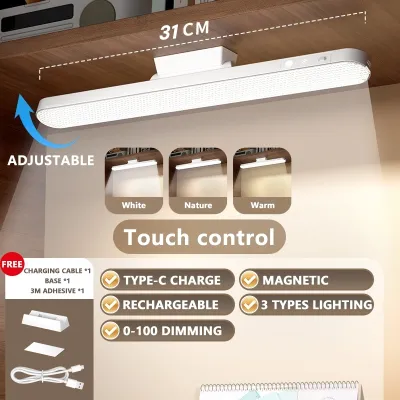
Prices are valid at publication and may change. Please refer to the product page for the latest price.
In contrast, a traditional bedside lamp is designed for ambient lighting. It utilizes a shade made of fabric, glass, paper, or plastic to diffuse light in a 360-degree pattern throughout the immediate area. Instead of focusing light on a single point, the shade scatters the glow, softening harsh shadows and creating a warm, inviting atmosphere. While this diffused light is excellent for navigating the bedroom safely in the dark or winding down before sleep, it often lacks the intensity and focus required for comfortable, long-duration reading of physical books.
Glare control and shadow casting also differ significantly between the two types. Because reading lights are highly adjustable, you can position the light source below eye level or angle it to prevent direct glare from reflecting off glossy pages or screens. Bedside lamps have fixed light sources; if the lamp is too tall or the shade is too translucent, the bare bulb can cause uncomfortable glare when you are lying down. Furthermore, if a bedside lamp is positioned behind your head or to the far side of your nightstand, your body or the book itself may cast distracting shadows across the pages, forcing you to adjust your posture constantly.
Color temperature and brightness levels are also optimized differently for each function. Reading lights benefit from neutral to warm white light, typically ranging from 3000K to 4000K, which enhances text contrast and reduces visual fatigue. Bedside lamps generally use warmer light temperatures, often 2700K or lower, to mimic the sunset and encourage the production of melatonin, the hormone responsible for sleep. When selecting bulbs for either fixture, checking the packaging for these color temperature ratings is essential to achieving the desired spatial effect.
Key Comparison Dimensions for Your Bedroom Setup
When deciding which table light to purchase, physical constraints and daily habits should guide your choice. Space and placement constraints on your nightstand are critical, especially in compact bedrooms where side tables must accommodate phones, glasses, water carafes, or electric fans. A traditional bedside lamp often features a wide, decorative base and a large shade, requiring a substantial flat footprint. If your nightstand space is limited, a dedicated reading light with a slim pedestal, a clamp-on base, or a wall-mounted bracket can free up valuable surface area.

Adjustability is another major factor that influences daily comfort. Most reading lights feature flexible goosenecks, articulated arms, or swiveling heads that allow you to direct the light beam with precision. This flexibility is highly beneficial if you change reading positions, moving from sitting upright to reclining. Bedside lamps are static fixtures; their height, angle, and position are fixed. If you choose a bedside lamp, you must ensure its height aligns correctly with your mattress level so that the bottom of the shade sits roughly at eye level when you are sitting in bed.
Partner disturbance is a vital consideration for those who share a bed. A wide-angle bedside lamp illuminates a large portion of the room, which can easily disturb a partner who is trying to sleep. Because a reading light confines its beam to a narrow zone, it allows you to read comfortably while keeping your partner’s side of the bed in relative darkness. If minimizing light spill is a priority, an adjustable reading light with a deeply recessed bulb or a narrow hood is highly effective.
Cord routing and power access also play a role in your bedroom layout. Both types of table light require proximity to an electrical outlet, but highly adjustable reading lights may require extra cord slack to accommodate movement. Ensure that cords are routed safely behind furniture rather than stretched across walkways, preventing tripping hazards and protecting the cable from being pinched or damaged by the bed frame.
Feature Checklist: What to Verify Before Buying
Before purchasing any table light, verifying its technical specifications is crucial to ensure safety, compatibility, and performance. Electrical standards vary, so you must confirm that the fixture matches your local household power supply. In the Philippines, the standard voltage is 220V at 60Hz. If you are purchasing a lamp online, verify that the product description explicitly states compatibility with this voltage. Using a 110V lamp without a proper transformer can cause immediate electrical failure, overheating, or fire hazards.
Always check the socket type and wattage limits printed on the lamp’s safety label. Common socket interfaces include E27 screw bases and GU10 pin bases, for which replacement bulbs are widely available. Ensure that the bulb you install does not exceed the maximum wattage rating of the fixture, especially if you plan to use older halogen or incandescent bulbs that generate significant heat. For modern LED bulbs, wattage is less of an issue, but you must still verify that the bulb’s physical dimensions fit comfortably within the lamp shade or housing.
Look for recognized safety certifications on the product packaging or the power cord itself. In the local market, look for the Philippine Standard (PS) quality mark or the Import Commodity Clearance (ICC) sticker. These certifications indicate that the product has undergone rigorous testing for electrical safety, insulation quality, and fire resistance. Avoid unbranded or exceptionally cheap fixtures that lack these safety markings, as they may feature substandard wiring that poses a risk of short circuits.
Control mechanisms and dimming capabilities should also be verified. Consider how easy the switch is to reach from a lying position; inline cord switches can sometimes slip behind the nightstand, making touch-sensitive bases or switches located directly on the lamp body much more convenient. If you want the flexibility to adjust brightness, ensure both the fixture and the bulb are labeled as dimmable. Using a standard LED bulb on a dimming circuit can lead to persistent flickering, buzzing, or premature bulb failure.
Finally, evaluate the physical stability and material quality of the fixture. A table light should have a weighted base to prevent it from tipping over if bumped accidentally in the dark. In humid tropical climates, metal components should feature rust-resistant coatings, such as powder-coated or anodized finishes, to prevent corrosion over time. Plastic parts should feel sturdy and resistant to degradation from the heat generated by the bulb.
Decision Framework: Which Table Light Should You Get?
To determine which table light best fits your nighttime routine, evaluate your primary activities against these clear, condition-based scenarios. Whether you are budgeting ₱500 for a basic clip-on light or ₱3,000 for a premium decorative lamp, aligning the fixture with your habits ensures you get the most value from your purchase.
Choose a dedicated reading light if:
- Your primary nighttime activity is reading physical books, studying documents, or performing detailed handiwork in bed.
- You share a bed and need to keep light spill to an absolute minimum to avoid waking your partner.
- Your nightstand is small or crowded, making a slim, adjustable, or clamp-on fixture highly practical.
- You require high-contrast, directional illumination to prevent eye strain during extended reading sessions.
Choose a general bedside lamp if:
- Your nighttime routine consists of winding down, watching television, or using backlit devices like smartphones and e-readers that do not require external task lighting.
- You prioritize bedroom aesthetics and want a decorative fixture that complements your interior design and adds a warm, ambient glow to the room.
- You want a soft, low-intensity light source that makes it easy to navigate the bedroom safely in the middle of the night.
- You prefer a static, low-maintenance fixture that does not require constant adjustment.
If your space and budget permit, a hybrid setup or a dual-source lamp offers an excellent compromise. Many modern table lights feature a traditional fabric shade for ambient room lighting alongside a small, flexible LED gooseneck for focused reading. This design allows you to enjoy a relaxing, diffused glow while winding down, then switch to the focused beam when you are ready to read, giving you the benefits of both lighting styles in a single footprint.
Safe Setup and Daily Maintenance
Operating any electrical fixture in a bedroom environment requires adherence to basic safety protocols to prevent accidents. Always maintain a safe clearance distance of at least 15 to 30 centimeters between the table light and flammable materials such as curtains, mosquito nets, bedsheets, and books. Even energy-efficient LED bulbs generate localized heat, and restricting airflow around the fixture can cause heat buildup, damaging the lamp or creating a fire hazard.
When cleaning your table light or replacing a bulb, always isolate the power first. Switch off the lamp and pull the plug from the wall outlet. Allow the bulb to cool completely before touching it to avoid accidental burns. To clean the fixture, use a dry or slightly damp microfiber cloth to wipe away dust from the bulb, shade, and base. In humid environments, dust can combine with moisture to form a sticky layer that reduces light output; regular dusting prevents this buildup and keeps your lamp operating efficiently. Never use harsh chemical solvents or abrasive pads, which can strip away protective coatings on metal or plastic parts.
If your bedroom lighting setup requires fixed wiring modifications, such as installing wall-mounted sconces, running cables behind headboards, or adding new wall outlets, do not attempt to perform this work yourself. Stop and consult a qualified electrician to ensure the installation complies with local electrical codes. Splicing wires incorrectly or overloading extension cords can lead to short circuits, electrical shocks, or electrical fires, making professional installation the safest choice for any permanent wiring changes.

Community discussion
Share your experience or ask a question. Comments are reviewed before publication.