
Choosing between reading lights and ambient wall sconces depends on how you spend your final hours before sleep. If your nighttime routine involves reading physical books, studying, or working on a tablet, task-oriented reading sconces provide the focused, directional illumination needed to prevent eye strain. Conversely, if you use your bedroom primarily as a sanctuary to wind down, soft ambient wall lights offer a diffused glow that signals your body it is time to rest. Selecting the right lights for wall mounting beside your bed requires evaluating your personal habits, understanding fixture designs, and verifying the electrical setup of your room.
Identify Your Nighttime Bedroom Habits
To determine which lighting style suits your space, start by tracking your actual behavior in bed during the evening. If you frequently read printed novels, write in a journal, or perform detailed tasks, you require high-contrast, focused light that falls directly on your page. Without this targeted illumination, your eyes must work harder to distinguish details, which can lead to fatigue and headaches.
On the other hand, if your pre-sleep routine consists of watching television, practicing breathing exercises, or simply chatting, bright task lighting can feel harsh. A softer, low-intensity ambient light is much better suited for these activities because it mimics the natural dimming of daylight. This gentle transition helps support your body’s natural circadian rhythm, making it easier to fall asleep when you finally switch off the fixture.
Products mentioned in this guide
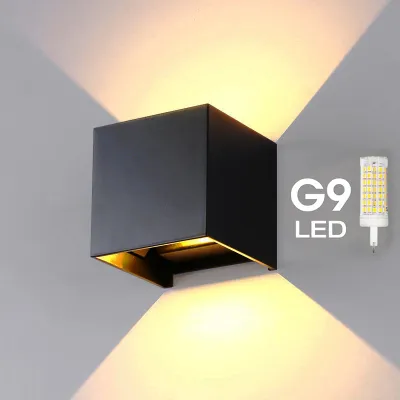
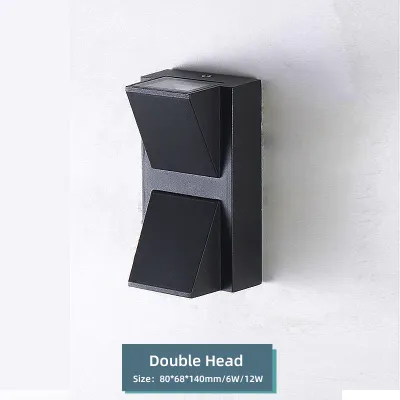
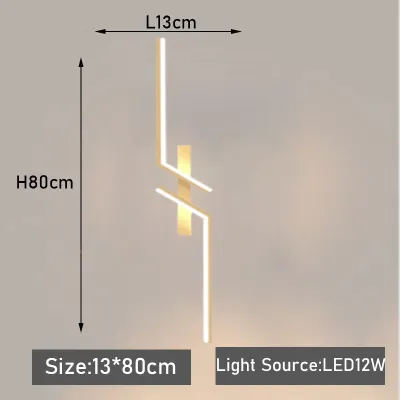
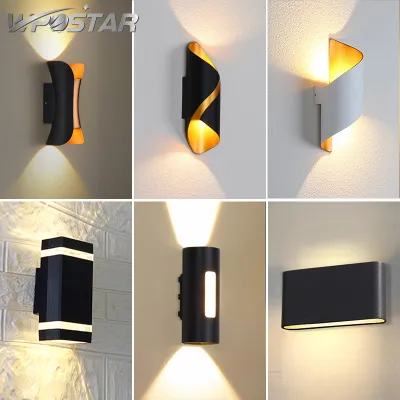
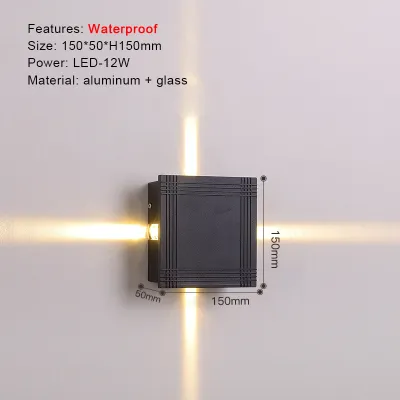
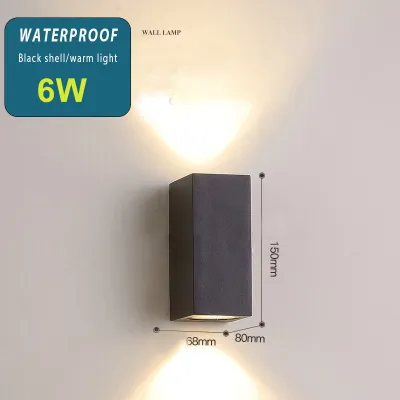

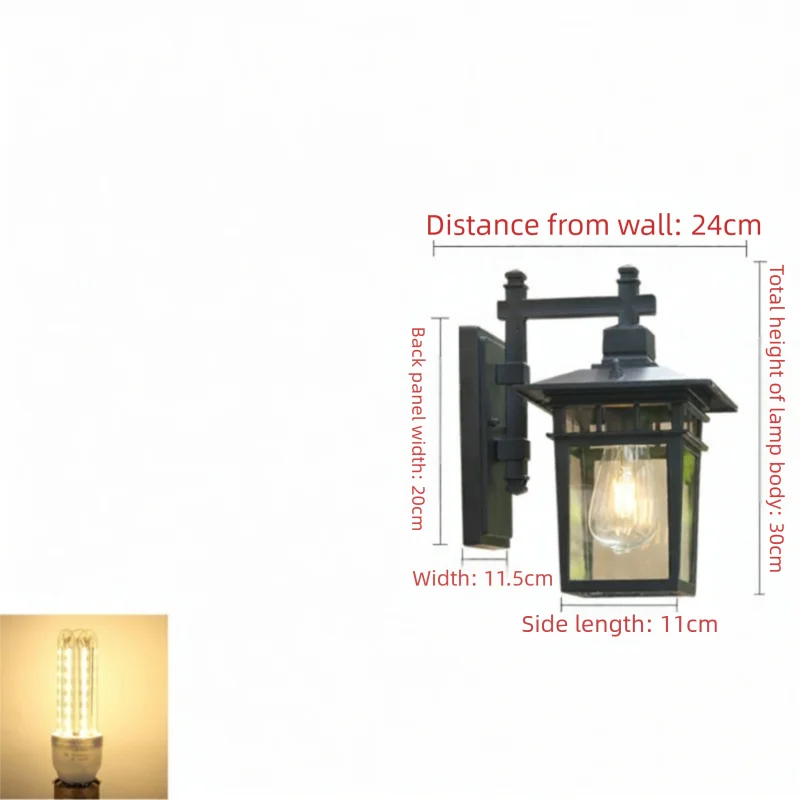
Prices are valid at publication and may change. Please refer to the product page for the latest price.
Sharing a bed introduces another critical factor: light spill. If you share your sleeping area with a partner who goes to sleep earlier or rises later than you do, a wide-angle ambient light can easily disturb them. In these shared spaces, a highly directional reading light allows you to stay awake and active without casting unwanted glare across the entire mattress.
Finally, consider how you navigate your bedroom in the middle of the night. If you frequently get up to get a glass of water, a soft ambient light can guide your steps safely. A gentle, low-wattage glow prevents the sudden shock of bright light to your eyes, allowing you to find your way without fully waking yourself or others.
When to Choose Task-Oriented Reading Sconces
Task-oriented reading sconces are engineered specifically to deliver concentrated light to a precise area. The defining feature of these fixtures is adjustability, which is often achieved through swing arms, flexible goosenecks, or swivel heads. These mechanical components allow you to pull the light source closer when reading fine print and push it back against the wall when it is not in use.

When evaluating these fixtures, pay close attention to the design of the shade. Task sconces typically feature opaque metal or thick ceramic shades that block light from escaping sideways or upward. This design concentrates the entire output into a narrow, controlled beam, which is essential for preventing glare from hitting your eyes or reflecting off screens.
The primary benefit of a dedicated reading light is its ability to provide localized brightness without illuminating the rest of the bedroom. By keeping the light pool small and concentrated, you can maintain a dark, sleep-friendly environment in the rest of the room. This localized approach is highly efficient, as it delivers the necessary illumination exactly where your visual task takes place.
Before purchasing a task sconce, check the flexibility of its joints and the ease of adjustment. High-quality hinges should move smoothly without squeaking or slipping out of place over time. If you plan to adjust the light frequently while lying down, look for models with cool-to-the-touch handles or integrated switches located directly on the fixture base for maximum convenience.
When to Choose Soft Ambient Wall Lights
Soft ambient wall lights, often referred to as decorative sconces, focus on creating a warm, inviting atmosphere rather than illuminating a specific task. These fixtures utilize semi-translucent materials such as frosted glass, fabric, or woven rattan to diffuse the light in multiple directions. Instead of a sharp beam, the light spreads gently across the wall and ceiling, softening shadows and reducing harsh contrasts in the room.
For an ambient setup, dimming capabilities are highly beneficial. Being able to adjust the brightness levels allows you to transition your bedroom from a functional space in the early evening to a deeply relaxing environment as bedtime approaches. When selecting bulbs for these fixtures, look for warm color temperatures, typically between 2700K and 3000K, which mimic the cozy glow of traditional incandescent bulbs.
In tropical climates like the Philippines, the choice of materials for ambient sconces also plays a role in durability and maintenance. High humidity can cause certain fabric shades to trap moisture or develop mildew over time, while untreated metals may corrode. Opting for high-quality frosted glass, ceramic, or powder-coated finishes ensures your ambient fixtures remain beautiful and easy to clean despite seasonal moisture.
Unlike task lights, which are valued primarily for their utility, ambient sconces serve as key decorative elements in your bedroom design. Because they are highly visible even when turned off, you should match their style, finish, and shape to your existing headboard, side tables, and wall color. A well-chosen ambient sconce acts as functional wall art, enhancing the overall aesthetic of your personal sanctuary.
Can One Bedside Sconce Serve Both Purposes?
If your nighttime routine varies from night to night, you might wonder if you have to choose just one style. Fortunately, modern lighting designs offer several hybrid solutions that bridge the gap between task and ambient lighting. One of the simplest ways to achieve this is by installing a dimmable ambient sconce paired with a smart bulb, allowing you to increase the brightness for reading and lower it for relaxation.
Another highly functional option is the dual-source bedside sconce. These specialized fixtures feature a decorative, fabric-shaded ambient light for general illumination, alongside a small, adjustable LED gooseneck reading light mounted on the same wall plate. Each light source operates on its own independent switch, giving you the ultimate flexibility to use either or both depending on your immediate needs.
You can also look for fixtures with adjustable louvers or rotating shades that allow you to physically alter the direction of the light. By turning a metal shade toward the wall, you can bounce the light to create a soft, indirect ambient glow. When you are ready to read, you can simply rotate the shade outward to direct the light beam directly onto your book.
When considering a hybrid fixture, always check the manufacturer’s specifications to ensure the dual controls are intuitive and easy to reach from a reclining position. Having separate, clearly marked switches on the faceplate prevents you from accidentally turning on a bright task light when you only wanted a soft ambient glow in the middle of the night.
Installation and Electrical Checks for Bedside Fixtures
Before finalizing your purchase of any lights for wall mounting, you must evaluate your bedroom’s physical structure and electrical capacity. Bedside sconces generally fall into two installation categories: hardwired and plug-in. Hardwired fixtures offer a seamless, professional look with all wires hidden behind the drywall or concrete, but they require permanent electrical boxes and structural preparation.
In many homes, particularly those with solid concrete or hollow-block walls, routing new internal wiring can be a challenging process that requires masonry drilling and plaster repair. If you want to avoid major renovations, plug-in sconces are an excellent alternative. These fixtures mount directly to the wall surface and plug into a nearby standard outlet, with the cord neatly exposed or covered by a matching metal channel.
Regardless of the installation method, you must verify the electrical specifications of the fixture against your home’s power supply. In the Philippines, the standard residential voltage is 220V at 60Hz. Ensure that any imported fixtures or bulbs you purchase are rated for this voltage to prevent electrical hazards, overheating, or premature bulb failure. Always check the product label for the maximum wattage limit and compatible bulb base types, such as E27 or GU10.
Safety should always be your top priority when dealing with electrical installations. Before mounting fixtures, running wires, or replacing switches, always isolate the power by turning off the correct circuit breaker at your main electrical panel. If your project involves adding new wiring runs, installing dimmers, or modifying concrete walls, consult a qualified professional electrician to ensure compliance with local electrical codes and safety standards.
Frequently Asked Questions (FAQ)
Do I need separate switches for each bedside sconce?
Yes, installing independent switches for each bedside sconce is highly recommended, especially for shared bedrooms. Independent switching allows one person to read or navigate the room without disturbing their partner’s sleep. For hardwired installations, this means wiring each fixture to its own wall switch located within easy reach of the mattress. If you choose plug-in models, look for fixtures that feature inline cord switches or rotary switches built directly into the wall plate for convenient, localized control.
How high should I mount bedside wall sconces?
The ideal mounting height for bedside sconces depends on the height of your mattress, your headboard, and your typical sitting position in bed. As a general guideline, the bottom of the shade or the light source should align roughly with your shoulder height when you are sitting up against the pillows. This positioning ensures that task lights direct their beam onto your lap rather than shining directly into your eyes, while ambient lights disperse their glow evenly without creating harsh glare at eye level. Always consult the manufacturer’s installation manual for specific clearance recommendations before drilling into your walls.

Community discussion
Share your experience or ask a question. Comments are reviewed before publication.