
To choose the right recessed ceiling light, you must look beyond aesthetic appeal and focus on three core technical specifications: wattage, lumens, and color temperature. While wattage indicates how much electricity a fixture consumes, lumens measure the actual brightness it emits. Color temperature, measured in Kelvin, dictates the warmth or coolness of the light. Balancing these specifications ensures your space is sufficiently illuminated, energy-efficient, and tailored to its specific function.
Wattage vs. Lumens: Measuring True Brightness in a Ceiling Light
Historically, wattage indicated how bright a light bulb would be. With modern light-emitting diode (LED) technology, this rule no longer applies. Recessed LED panel lights require far less power than legacy fixtures to produce the same light output. Buying ceiling lights based solely on wattage can lead to purchasing fixtures that are either blindingly bright or highly inefficient.
The true metric of light output is the lumen, which measures visible light emitted by a source. When evaluating LED panel lights, prioritize finding a fixture that delivers your required lumens while consuming the fewest watts. This relationship is luminous efficacy, measured in lumens per watt (lm/W). A high-efficacy panel might produce 1,000 lumens using only 10 watts (100 lm/W), whereas a lower-quality alternative might require 15 watts for the same output.
Products mentioned in this guide
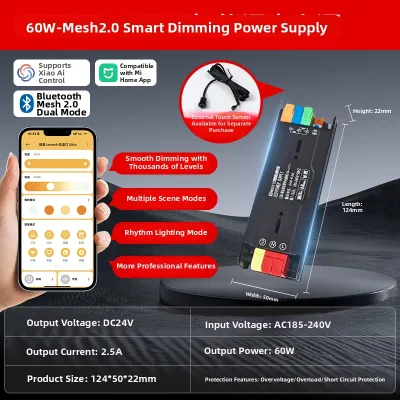
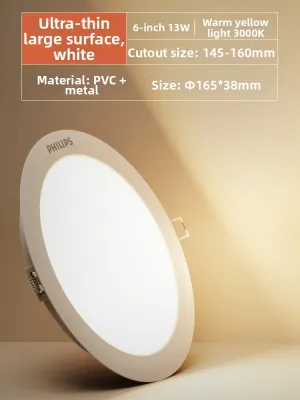
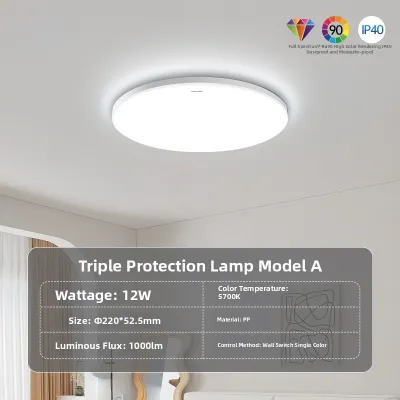
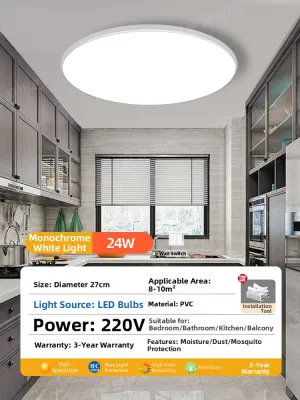
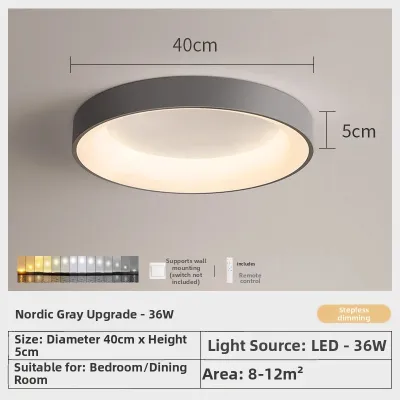
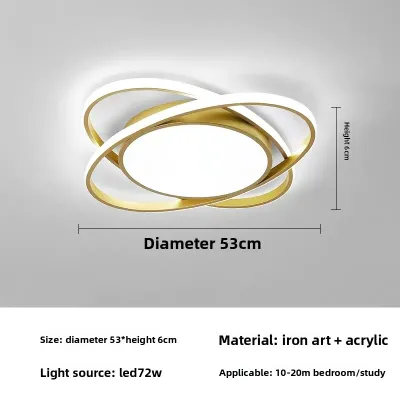
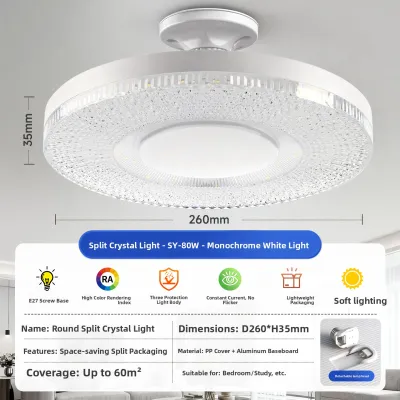
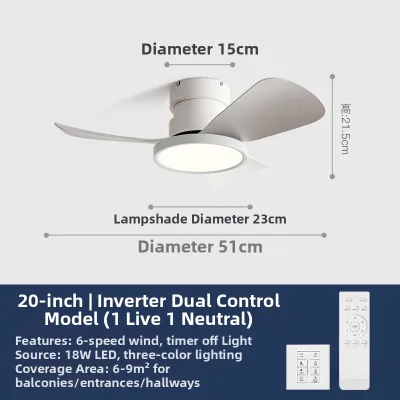
Prices are valid at publication and may change. Please refer to the product page for the latest price.
To estimate room brightness, calculate the cumulative lumens of all planned fixtures rather than focusing on a single high-powered light. This ensures a balanced distribution across your ceiling, eliminating harsh shadows and dark corners while maintaining energy efficiency.
Why Wattage is Now an Energy Metric, Not a Brightness Metric
Incandescent bulbs had a predictable relationship between power consumption and brightness. Because LEDs rely on semiconductor technology rather than heating a metal filament, they bypass this correlation. Today, wattage serves strictly as a measure of electrical consumption, indicating how much power the fixture draws from your grid.
When shopping for recessed ceiling panel lights, look past the wattage on the front packaging and check the technical specification sheet for the rated lumen output. Comparing LED panels by their lumen-to-watt ratio helps you identify which models utilize advanced driver technology to maximize energy savings.
Calculating Required Lumens Based on Room Size
To determine how many lumens your space needs, use the lux metric (lumens per square meter). Different environments require specific lux levels for comfort and utility. Relaxed living areas and bedrooms generally require 100 to 150 lux, while high-activity zones like kitchens and home offices demand 300 to 500 lux to prevent eye strain.
To calculate your total required lumens, multiply your room’s square meter area by the target lux level. For example, a 15-square-meter kitchen requiring 300 lux needs 4,500 lumens. If you install six recessed panel lights to distribute the light evenly, divide 4,500 by six, meaning each fixture should output roughly 750 lumens.
Color Temperature (Kelvin): Choosing the Right Light Tone
Color temperature describes the visual tone of light emitted by a fixture, measured on the Kelvin (K) scale. This does not refer to physical heat, but rather the color of the light, ranging from warm yellow to cool blue. Selecting the correct color temperature directly influences the mood, aesthetic appeal, and functionality of your indoor environment.

Beyond aesthetics, color temperature has a biological impact. Cool, blue-toned light suppresses melatonin production, making you feel more alert and focused. Conversely, warm, yellow-toned light mimics natural sunset hues, signaling your brain to wind down. Choosing the wrong color temperature can disrupt your circadian rhythm or make a productive workspace feel sluggish.
Warm White, Neutral, and Cool Daylight Explained
Commercial LED panel lights are generally grouped into three primary color temperature categories:
- Warm White (2700K–3000K): This range produces a soft, golden glow similar to traditional incandescent lighting. It is ideal for creating an inviting, intimate atmosphere in spaces where relaxation is the priority.
- Neutral White (3500K–4100K): This range provides a clean, balanced light that does not lean too heavily toward yellow or blue. It offers excellent color clarity and a modern, crisp appearance without feeling sterile.
- Daylight (5000K–6500K): This range mimics the high-contrast light of the midday sun. This cool, bluish-white light is designed for maximum visibility and detail-oriented tasks, keeping occupants alert.
Best Color Temperatures for Kitchens, Offices, and Bedrooms
Match the color temperature of your recessed panel lights to the primary activities of each room. In bedrooms and living rooms, opt for Warm White (2700K–3000K) to encourage relaxation. The gentle yellow undertones help soften the textures of fabrics, paint, and wooden furniture.
For kitchens, home offices, and bathrooms, Neutral White (3500K–4100K) is highly recommended. This range ensures you can see food preparation details clearly, read documents, and perform tasks under balanced light. For multi-purpose rooms, consider correlated color temperature (CCT) switchable LED panels. These fixtures feature a switch on the housing or driver, allowing you to toggle settings before installation.
Secondary Specs: CRI, Beam Angle, and Dimmability
While lumens and color temperature are prominent specifications, several secondary metrics dictate light quality. Color Rendering Index (CRI) measures how accurately a light source reveals true colors compared to natural sunlight, rated from 0 to 100. For general residential spaces, a minimum CRI of 80 is acceptable, but task-heavy areas like kitchens or vanity mirrors require a CRI of 90 or higher to prevent colors from appearing dull or gray.
Beam angle measures the spread of light from the fixture. Recessed ceiling panel lights typically feature a wide beam angle of 100 to 120 degrees. This wide spread delivers diffuse, even ambient lighting across a broad area, unlike the focused, narrow beams of accent spotlights. Wide angles are essential for minimizing harsh shadows and ensuring a seamless wash of light.
Verify the dimmability of the recessed panel light before purchasing. Attempting to dim a non-dimmable fixture causes severe flickering, buzzing, or premature driver failure. If you want adjustable brightness, ensure the product description explicitly states it is dimmable. Additionally, verify that your wall dimmer switch is compatible with LED drivers, as older incandescent dimmers often fail to regulate low-wattage LED panels.
Physical and Electrical Specs for Safe Recessed Installation
Avoid installation failures by distinguishing between the ‘cut-out size’ and the ‘overall fixture dimensions.’ The cut-out size is the precise diameter of the hole needed in your ceiling, while the overall dimension includes the outer trim. Measuring incorrectly can leave you with a hole too small for the housing or too large for the trim to cover.
Electrical specifications must align with local infrastructure. In the Philippines, the standard electrical supply is 230V at 60Hz. Ensure your LED panel light is rated for this voltage to prevent electrical faults, overheating, or driver burnout. Look for safety certifications like the Philippine Standard (PS) mark or Import Commodity Clearance (ICC) sticker to verify quality testing.
If your ceiling contains thermal insulation, check the fixture’s Insulation Contact (IC) rating. An IC-rated recessed light is engineered to be in direct contact with ceiling insulation without posing a fire hazard. Non-IC rated fixtures require a safe clearance barrier of at least 3 inches on all sides to allow heat to dissipate safely.
For any installation involving fixed wiring, damp environments like bathrooms, or working at heights, safety is the top priority. Always isolate the power by turning off the main circuit breaker before touching any wires. Read the manufacturer’s instructions thoroughly, and hire a licensed electrician to handle hardwired connections or ceiling modifications in compliance with the Philippine Electrical Code.
Frequently Asked Questions (FAQ)
Can I replace a fluorescent troffer with an LED panel light?
Yes, retrofitting older fluorescent troffers with modern LED panel lights is common, but you must verify that the ceiling grid dimensions match standard panel sizes like 2×2 or 2×4 feet. During installation, existing magnetic ballasts must be bypassed or removed, allowing the LED driver to connect directly to the line voltage. Because this involves handling high-voltage wiring, always hire a qualified professional to complete the work safely.
What is the difference between edge-lit and back-lit LED panels?
Edge-lit and back-lit panels differ in their physical profile and light distribution. Edge-lit panels feature LEDs mounted around the inner frame, directing light sideways through a guide plate. This design allows for an ultra-slim profile, though the external driver requires clearance. Back-lit panels place LEDs directly behind the diffuser, pointing downward. While thicker, back-lit panels offer superior heat dissipation, resist yellowing over time, and are often more cost-effective.

Community discussion
Share your experience or ask a question. Comments are reviewed before publication.