
Choosing between a reading-focused and an ambient rechargeable lamp shade for your bedroom depends on whether you prioritize focused, directional light for reading or a soft, scattered glow for winding down. A reading shade directs light downward to prevent eye strain and avoid waking a sleeping partner, while an ambient shade diffuses light in all directions to create a relaxing atmosphere.
Bedside routines in tropical climates like the Philippines often involve balancing comfort, humidity, and energy efficiency. Rechargeable lamps offer the flexibility of cordless placement, making them highly practical during power interruptions or for minimalist bedside tables without nearby wall outlets. By understanding how different shade designs interact with light, you can select a setup that enhances your evening comfort and matches your daily habits.
Identifying Your Nighttime Lighting Needs
To determine the best lighting setup, start by analyzing your typical evening routine. If your pre-sleep ritual involves reading physical books, studying documents, or engaging in detailed hobbies like sketching or embroidery, your eyes require concentrated, high-contrast illumination. Insufficient light during these tasks forces your eye muscles to work harder, leading to fatigue, headaches, and dry eyes.
Products mentioned in this guide
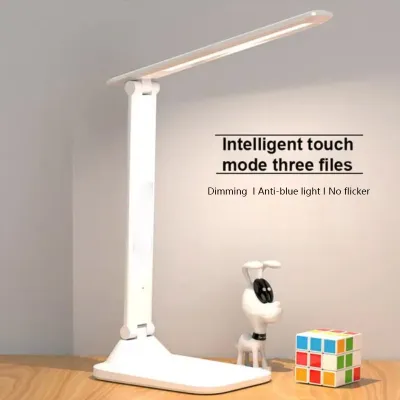
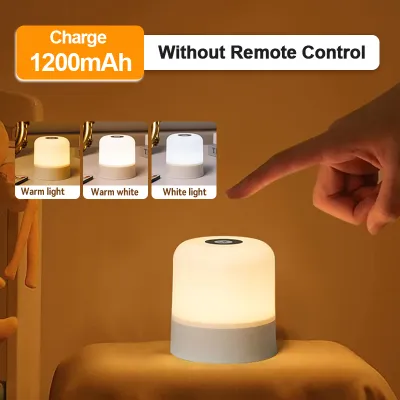
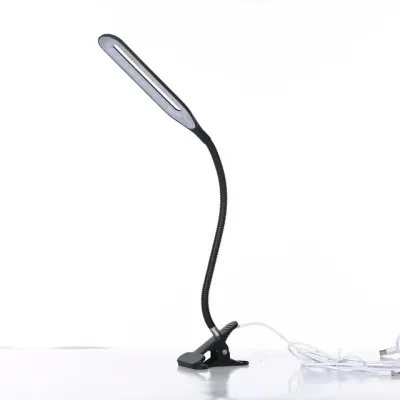
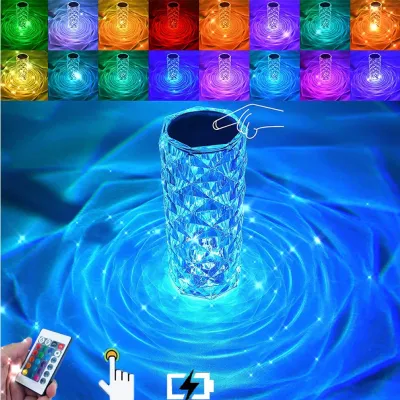
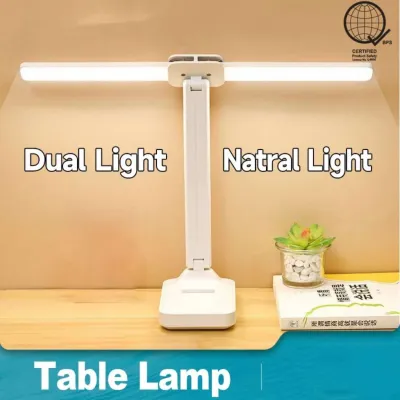
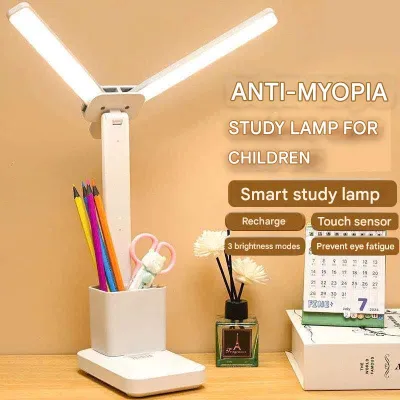
Prices are valid at publication and may change. Please refer to the product page for the latest price.
Conversely, if your evening consists of listening to music, meditating, or simply transitioning away from bright screens, a soft, low-intensity glow is far more beneficial. This type of lighting helps signal to your brain that it is time to wind down, supporting a natural sleep cycle.
Your bedroom layout and living arrangements also play a critical role in this decision. In shared bedrooms, a wide-spreading ambient light can easily disturb a partner who is trying to sleep. A highly directional reading light keeps the beam confined to your side of the bed, allowing you to stay awake without causing disruption. Additionally, consider your existing overhead lighting; if your room already has bright ceiling fixtures for dressing or cleaning, your bedside lamp does not need to illuminate the entire space and can focus purely on localized task or mood lighting.
How Reading and Ambient Lamp Shades Control Light
The primary difference between reading and ambient lamp shades lies in how they direct, block, or diffuse light. Reading shades are typically constructed from opaque or semi-opaque materials such as dense fabrics, metals, or thick plastics. These materials prevent light from escaping through the sides of the shade, forcing the illumination downward through a defined opening. This creates a concentrated cone of light that targets a specific area, such as your book or bedside table, while keeping the rest of the room relatively dark.

Ambient shades, by contrast, are designed to be translucent or omnidirectional. Made from materials like thin linen, paper, frosted glass, or opal plastics, these shades allow light to pass through their walls. As the light travels through the material, it scatters in all directions, softening harsh shadows and reducing glare. This results in an even, gentle wash of light that fills the immediate surrounding space rather than focusing on a single spot.
Material selection is particularly important in warm, humid environments. Natural fabrics like linen and cotton offer a classic, textured look and diffuse light beautifully, but they can trap dust and moisture, requiring regular maintenance to prevent mold growth. Paper shades provide a delicate, warm aesthetic but are susceptible to tearing and humidity damage over time. Synthetic materials, frosted glass, or treated acrylics are highly durable, easy to wipe clean, and excellent at scattering light without degrading in humid conditions.
The shape and dimensions of the shade also dictate the light’s spread and the lamp’s physical footprint. A narrow, tapered cone or drum shade concentrates light into a tight, intense beam, which is ideal for focused reading. A wide, cylindrical drum or globe shade distributes light horizontally and vertically, making the room feel more open and relaxed. When selecting a shade, measure your bedside table to ensure the shade’s diameter does not crowd essential items like your phone, water glass, or eyeglasses.
Checking Rechargeable Features for Bedside Convenience
Because rechargeable bedside lamps operate on internal batteries, verifying their operational specifications is essential for daily convenience. Start by checking the manufacturer’s product label for estimated battery runtime at various brightness levels. High-lumen output required for reading will drain the battery significantly faster than a low-lumen ambient setting. Look for lamps that offer clear runtime specifications so you can plan a charging routine that fits your usage patterns.
The charging interface and cable management are equally important for maintaining an organized bedside setup. USB-C ports are highly recommended, as they are compatible with most modern smartphone chargers, allowing you to use a single cable and reduce clutter on your nightstand. Pay attention to the location of the charging port; a port located near the base of the lamp is generally easier to access and plug in than one hidden high up under the shade.
To maximize versatility, look for rechargeable bases that feature adjustable color temperature and dimming capabilities. Warm yellow light (around 2700K) is ideal for creating a cozy, ambient atmosphere that prepares the body for sleep, while a neutral or cool white light (around 4000K) provides the contrast needed for comfortable reading. Verify the dimming method—such as touch-sensitive controls, physical dials, or remote controls—to ensure you can easily adjust the light levels in the dark without fumbling.
How to Choose the Right Lamp Shade for Your Routine
To finalize your decision, apply a conditional framework based on your primary nighttime activities and physical setup.
Choose a reading-focused shade if your evening routine centers on focused tasks like reading physical books, journaling, or studying. This option provides the concentrated, glare-free illumination necessary to prevent eye strain while keeping the rest of the room dark, making it the ideal choice for shared bedrooms where a partner’s sleep must be respected.
Choose an ambient shade if your main goal is to create a relaxing, cozy sanctuary for winding down, meditating, or navigating the bedroom safely at night. The soft, diffused glow helps ease your mind into a restful state and provides general illumination that makes the entire room feel warm and welcoming.
Before making any purchase, verify the physical compatibility between your chosen shade and your rechargeable lamp base. Check the fitter type—such as an UNO fitter that screws directly onto the socket, or a slip-UNO fitter—to ensure a secure match. Verify the weight limits of your rechargeable base; lightweight, cordless bases can easily tip over if paired with a heavy glass or ceramic shade. Finally, check the heat clearance between the light source and the shade material to ensure proper airflow, preventing heat buildup in warm tropical climates.
Safety and Maintenance Checks for Rechargeable Lamps
Operating battery-powered lamps near your sleeping area requires careful attention to safety and maintenance. Always follow the manufacturer’s instructions regarding charging cycles and battery care. Avoid leaving the lamp plugged into a charger indefinitely after it has reached full capacity, as continuous overcharging can degrade the battery’s lifespan and increase the risk of overheating. Ensure the lamp is placed in a well-ventilated area, away from flammable bedding materials, curtains, or tight corners where heat can accumulate.
Cleaning your lamp and shade regularly prevents dust buildup and maintains optimal light output. For fabric or paper shades, use a soft-bristled brush or a vacuum cleaner with a brush attachment to gently remove dust. For synthetic, metal, or glass shades, wipe the surface with a slightly damp microfiber cloth. Always turn off the lamp, unplug it from any charging source, and allow it to cool completely before cleaning, ensuring all components are dry before turning it back on.
Monitor your rechargeable lamp for any signs of wear or battery degradation over time. If you notice a swollen battery compartment, rapid loss of charge, flickering light, or unusual heat during operation or charging, stop using the lamp immediately. Disconnect it from the power source and consult the manufacturer or a qualified professional to determine if the battery or lamp needs to be replaced.
Frequently Asked Questions (FAQ)
Can I use an ambient lamp shade for reading in bed?
Yes, but it is not ideal for long reading sessions. Because an ambient shade diffuses light in all directions, it may not provide the focused contrast needed to read printed text clearly, which can lead to eye strain over time. If you choose to read under an ambient shade, check the product label for the maximum lumen output to ensure the light source is bright enough, or select a lamp with adjustable brightness so you can temporarily boost the light level while reading.
What should I check to ensure a rechargeable lamp is safe for bedside use?
To ensure safety, verify that the rechargeable lamp carries recognized electrical and battery safety certifications on its packaging or product label. Check that the battery compartment has adequate ventilation and does not become excessively hot during use. Always place the lamp on a flat, stable surface away from soft bedding, and use only the charging cable and adapter specifications recommended by the manufacturer.

Community discussion
Share your experience or ask a question. Comments are reviewed before publication.