
Choosing between a rechargeable and a plug-in bedside lamp depends on your bedroom’s physical layout, proximity to power outlets, and how you use light at night. While plug-in lamps offer continuous, reliable illumination without the need to recharge, cordless rechargeable lamps provide greater placement flexibility and a clean, minimalist aesthetic. Evaluating your daily habits, nightstand space, and safety priorities will guide you to the right power source for your sleeping space.
Understanding Power Delivery and Nightstand Placement
To make an informed choice, you must first understand how these two lighting types draw and manage power. Plug-in bedside lamps rely on a direct, continuous connection to your home’s electrical grid. This ensures a steady, uninterrupted flow of electricity, allowing the lamp to operate at its maximum brightness indefinitely. You never have to worry about the light dimming unexpectedly mid-chapter or failing during an overnight reading session.
In contrast, rechargeable bedside lamps operate on internal battery power, typically utilizing lithium-ion cells. While this design frees you from the constraints of wall outlets, it introduces a finite operational window. The lamp’s runtime is directly tied to its battery capacity and the brightness level you select. High-intensity settings will deplete the charge rapidly, requiring regular connection to a charger via USB ports or dedicated charging docks.
Products mentioned in this guide
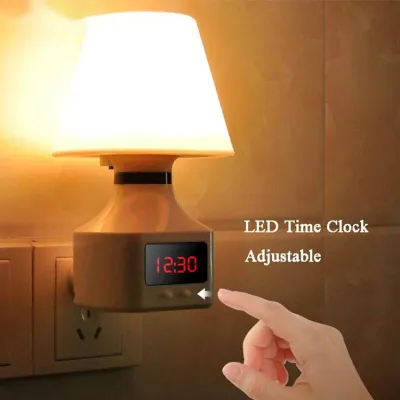
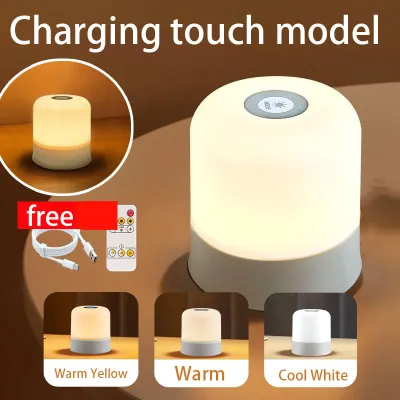
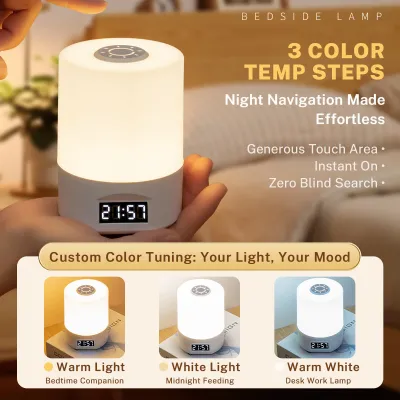
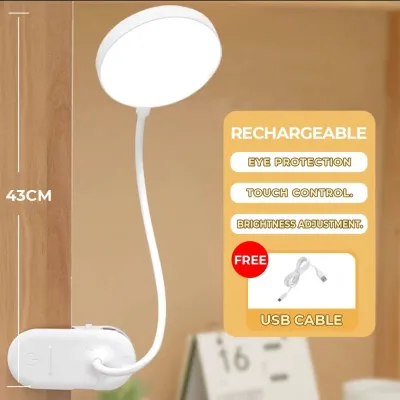

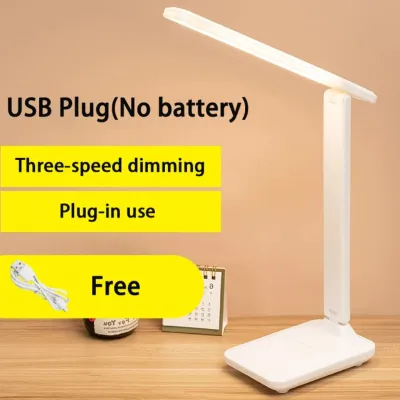
Prices are valid at publication and may change. Please refer to the product page for the latest price.
Cord management plays a significant role in both the visual appeal and physical safety of your nightstand. A tangle of cords behind your bed can collect dust quickly, especially in humid tropical climates where dust clings to surfaces. Exposed cords also present a physical hazard, as they can be accidentally pulled by pets or tripped over in the dark. Rechargeable models eliminate this clutter entirely, presenting a clean, modern aesthetic that enhances a minimalist bedroom design.
When selecting any electrical fixture, verifying local compatibility is essential for safety. In the Philippines, the standard residential voltage is 220V at a frequency of 60Hz, typically utilizing flat two-prong Type A or round-prong Type B plugs. Before purchasing a plug-in lamp, always check the manufacturer’s label on the base or power adapter to ensure it matches these specifications. For rechargeable models, verify that the charging input voltage (usually 5V via USB) is compatible with your existing wall adapters to prevent overheating.
Assessing Your Bedroom Layout and Outlet Accessibility
Your physical bedroom layout is often the deciding factor when choosing a power source. Start by measuring the distance from your nightstand to the nearest wall outlet. Standard lamp cords are typically 1.5 to 2 meters long. If your bed is positioned far from an outlet, a plug-in lamp will require an extension cord, which adds visual clutter and increases the risk of electrical overloads if multiple devices are connected to the same socket.

In tight or shared sleeping spaces, managing physical hazards is a priority. If your nightstand sits in a high-traffic pathway or next to a sliding wardrobe door, a dangling power cord can easily catch on clothing or limbs. Pulling a cord can send a heavy glass or ceramic lamp crashing to the floor. In these compact layouts, a cordless lamp provides a safer, streamlined alternative that keeps walkways completely clear.
Rechargeable lamps are particularly beneficial in rented rooms or older homes where wall outlets are scarce. Many older residential layouts in the Philippines were not designed with modern device loads in mind, often leaving bedrooms with only one or two outlets. If you must share a single outlet between a fan, a phone charger, and a laptop, adding a plug-in lamp can overwhelm the circuit. A rechargeable lamp allows you to charge the device in another room during the day and bring it to your bedside at night, bypassing outlet limitations entirely.
Matching Your Nightly Routine to the Right Light Source
Your nightly habits should dictate the functional features of your bedside light. If you are an avid reader who spends hours with a book before sleeping, a plug-in lamp is generally the more practical choice. It delivers sustained, high-lumen output without the gradual dimming that occurs as a battery drains. This consistent brightness reduces eye strain during long reading sessions.
For those who prefer casual ambient lighting, a rechargeable lamp offers exceptional versatility. You can easily lift the lamp from your nightstand to illuminate a dark hallway, carry it to a balcony for a late-night breeze, or use it as a reliable backup light during seasonal power interruptions. This portability makes cordless models highly functional assets in tropical regions prone to sudden weather-related brownouts.
Regardless of the power source, pay close attention to dimming capabilities and control interfaces. Many modern bedside lamps feature touch-sensitive bases, step-less dimming, and adjustable color temperatures. For a relaxing bedroom environment, look for lamps that offer warm white tones (around 2700K to 3000K), which promote a restful atmosphere. Avoid harsh, cool white light close to bedtime, as it can interfere with your natural sleep cycle.
Pairing Lampshades with Chargeable and Plug-In Bases
The physical construction of your lamp base directly affects your choice of lampshades. When sourcing suitable lampshades for bedroom chargeable models, you must consider the weight distribution of the base. Rechargeable lamps often feature lightweight plastic or aluminum bodies to keep them portable. If you pair a lightweight cordless base with a heavy, top-heavy fabric or glass lampshade, the assembly may tip over easily when bumped in the dark.
Standard plug-in lamps typically feature heavier ceramic, metal, or wooden bases designed to anchor the fixture securely. This structural weight allows you to experiment with larger, more decorative lampshades without compromising stability. If you plan to use a custom or oversized shade, a heavy plug-in base provides the physical counterweight necessary to keep the lamp upright and safe.
Heat dissipation is another critical factor when pairing shades with different lamp bases. Plug-in lamps often accommodate standard E27 screw-in bulbs, which can generate significant heat if you use traditional incandescent or high-wattage halogen options. These setups require open-top lampshades and adequate ventilation to prevent scorching. Rechargeable lamps almost exclusively use low-wattage, integrated LED light sources, which generate minimal heat, making them highly compatible with enclosed or delicate fabric shades.
Managing Maintenance, Battery Care, and Electrical Safety
Long-term upkeep differs significantly between the two lamp formats. Rechargeable lamps rely on internal batteries that inevitably degrade over time. Exposure to high ambient temperatures and high humidity can accelerate this degradation, gradually reducing the lamp’s runtime between charges. If the battery fails completely, many consumer models do not allow for easy user replacement, meaning the entire unit may need to be recycled or serviced by a professional.
Plug-in lamps require simpler but equally important maintenance. Regularly inspect the power cord, plug prongs, and physical switch for signs of wear, cracking, or discoloration. In humid environments, copper wiring inside cheap cords can oxidize if the protective insulation is compromised. If you notice a flickering light, a loose plug connection, or a warm cord, isolate the power immediately and consult a qualified electrician to repair or replace the wiring.
Never attempt DIY battery modifications on rechargeable lamps, such as soldering larger cells to extend runtime, as this poses a severe fire hazard. Always verify that your chosen lamp carries recognized electrical safety certifications on its label. Look for official certification marks that indicate the product has undergone rigorous safety testing for voltage stability, insulation quality, and thermal management before placing it near your bed.
Final Decision: Which Bedside Lamp Fits Your Setup?
To finalize your decision, evaluate your bedroom setup against these clear, conditional guidelines:
Choose a plug-in lamp if you require reliable, high-lumen task lighting for extended reading sessions, have easily accessible wall outlets near your nightstand, and prefer a set-and-forget fixture that never needs recharging. This option is best for permanent setups where cord management is simple and safe.
Choose a rechargeable lamp if you prioritize a clean, cord-free nightstand aesthetic, face a shortage of wall outlets, or want a portable light source that can double as emergency lighting during power outages. This format is ideal for flexible layouts, rented spaces, and minimalist designs.
Before making your purchase, verify the physical stability of the base if you plan to pair it with a heavy custom lampshade. Ensure the electrical specifications match your local household voltage, and check for certified safety labels to guarantee a safe, reliable addition to your bedroom.
Frequently Asked Questions (FAQ)
Can I convert a standard plug-in bedside lamp into a rechargeable one?
Attempting a DIY battery conversion on a standard plug-in lamp is highly discouraged due to severe electrical and fire safety risks. Standard lamps are designed for alternating current (AC) mains voltage, while rechargeable batteries operate on direct current (DC). Modifying these circuits without professional engineering can lead to short circuits, battery overheating, or electrical shocks. If you require a cordless option, it is much safer and more cost-effective to purchase a purpose-built rechargeable model that has been factory-tested and certified.
Do rechargeable bedside lamps with lampshades provide enough light for reading?
Many rechargeable bedside lamps provide sufficient light for casual reading, provided you check the lumen output specifications before buying. Look for models that deliver at least 150 to 300 lumens for comfortable reading. Keep in mind that operating a rechargeable lamp at its highest brightness setting will drain the battery rapidly, often limiting runtime to a few hours. For prolonged, nightly study or heavy reading, a plug-in lamp remains the more practical choice for maintaining consistent, uncompromised brightness.

Community discussion
Share your experience or ask a question. Comments are reviewed before publication.