
Deciding on the perfect bedside lighting setup often comes down to a fundamental choice between modern cordless flexibility and traditional, uninterrupted power. If you are trying to resolve the debate between a rechargeable bedside lamp—perhaps in a striking accent color like lake blue—and a classic plug-in model, the decision hinges on how you use your bedroom space. While cordless lamps free you from the clutter of tangled wires and the limitations of wall outlet placement, plug-in lamps offer a reliable, continuous stream of light that never requires a trip to a charging station.
In tropical environments like the Philippines, where high humidity can affect electrical components and seasonal power interruptions are a practical reality, this choice carries extra weight. A cordless lamp can double as an emergency light source during sudden brownouts, whereas a plug-in lamp remains a steadfast, low-maintenance fixture as long as the grid is active. By examining your nightstand layout, reading habits, and maintenance preferences, you can easily identify which power format aligns with your daily routine.
Core Differences in Power and Placement Freedom
The most immediate distinction between these two lamp types lies in their physical relationship with your bedroom walls. A plug-in bedside lamp is permanently tethered to an electrical outlet, which dictates exactly where your nightstand must sit. This corded connection requires careful cable management to prevent a messy, cluttered look behind your headboard, especially if your bed is positioned far from the nearest wall socket.
Products mentioned in this guide
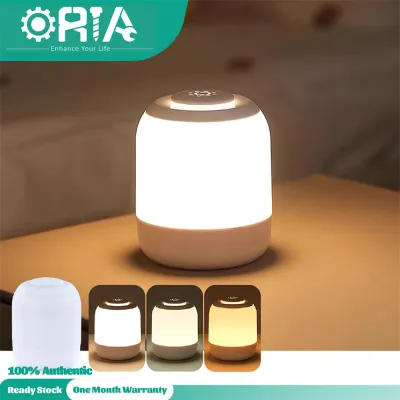
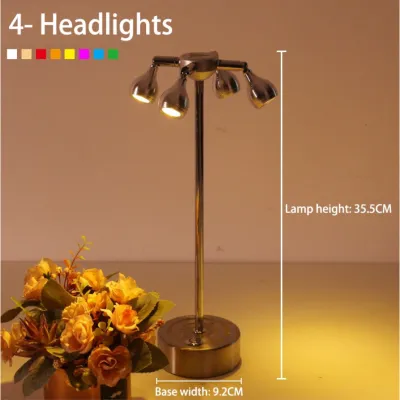
Prices are valid at publication and may change. Please refer to the product page for the latest price.
Conversely, a rechargeable lamp operates entirely free of cords, allowing you to embrace minimalist design trends like floating nightstands or wall-mounted shelves. Without a trailing wire to worry about, you can place a cordless lamp in the exact center of a room, on a freestanding side table, or even move it to a reading nook on a whim. This portability eliminates tripping hazards and gives you complete freedom to redesign your bedroom layout without being restricted by the location of your home’s electrical wiring.
Physical size and design priorities also differ significantly between the two categories. Because plug-in models draw power directly from the grid, they can support larger frames, heavier decorative bases, and higher-wattage bulbs without any performance trade-offs. Rechargeable models, however, are engineered with portability and energy efficiency in mind. They typically feature compact, lightweight builds and integrated LED arrays designed to maximize battery life, making them highly functional but generally smaller in scale.
Evaluating Your Bedroom Layout and Outlet Access
Before purchasing any new lighting fixture, it is essential to conduct a quick audit of your physical bedroom space. Start by measuring the distance from your nightstand to the nearest wall outlet, keeping in mind that heavy wooden bed frames or wardrobes can block access to plugs. If your preferred layout places the nightstand more than a meter or two away from an outlet, a plug-in lamp will require extension cords, which can look unsightly and pose safety risks in high-traffic areas.

If you do opt for a plug-in model in a tight or highly visible space, you will need to plan for cord management. Utilizing adhesive cable clips, fabric sleeves, or plastic raceways along the baseboards can help keep the power cord taut and hidden from view. This is particularly important in humid tropical climates, where keeping cords off the floor prevents them from accumulating dust and moisture, extending the lifespan of the insulation.
Additionally, consider how your nightstand itself functions. Many modern bedside tables come equipped with built-in USB ports, wireless charging pads, or integrated power strips. If you have a multi-functional nightstand that is already plugged into the wall, it can serve as the perfect hub for a plug-in lamp, eliminating the need to run extra cords to the baseboard. Alternatively, these integrated USB ports can serve as a convenient, discreet charging station for a rechargeable lamp during the day, giving you the best of both worlds.
Reading Habits and Brightness Requirements
Your nightly routine and visual needs should heavily influence your final decision. If you are an avid reader who spends hours immersed in a book every night, a plug-in lamp is generally the more practical choice. Plug-in models deliver a consistent, high-lumen output that does not degrade over time, ensuring your eyes remain comfortable and strain-free throughout long reading sessions.
Rechargeable lamps, while highly versatile, often feature lower maximum brightness levels to conserve their internal battery charge. While many models offer adjustable color temperatures—ranging from a warm, relaxing 2700K to a crisp 4000K—and stepless dimming, the highest brightness settings will drain the battery much faster. If you rely on your bedside lamp as the primary light source for detailed tasks or prolonged reading, you may find yourself recharging a cordless model far more frequently than anticipated.
It is also important to note how battery depletion affects light quality. As a rechargeable lamp’s battery drains, some models may experience a gradual drop in brightness or a subtle flicker before shutting off completely. To avoid being left in the dark mid-chapter, look for models that feature clear battery life indicators or those that maintain a steady light output until the battery is fully exhausted, and always verify these specifications on the product label.
Maintenance, Charging, and Long-Term Use
Maintaining your bedside lamp ensures both its longevity and your safety. For rechargeable lamps, this means establishing a regular charging routine. You should check the manufacturer’s specifications to understand the battery type—typically lithium-ion—and the expected number of charge cycles before the battery’s capacity begins to degrade. In warm, humid environments, it is crucial to store and charge these lamps in well-ventilated areas away from direct sunlight to prevent heat buildup.
Plug-in lamps offer a “set and forget” convenience that many homeowners prefer. Once plugged in, they require virtually no maintenance beyond occasional dusting and bulb replacement. However, their primary limitation is their complete reliance on the local power grid. In regions prone to seasonal storms or rolling brownouts, a plug-in lamp will leave you in complete darkness, whereas a fully charged cordless lamp serves as an invaluable backup light source that you can easily carry around the house.
Regardless of which type you choose, safety checks are paramount. For plug-in models, regularly inspect the power cord for signs of wear, fraying, or damage from pests, and ensure the plug fits snugly into the wall outlet without overheating. For rechargeable models, monitor the lamp’s base or battery compartment for any physical swelling, unusual heat during charging, or a sudden, drastic drop in battery performance, as these are signs that the internal battery may need to be replaced or the unit retired.
Decision Matrix: Which Bedside Lamp Should You Choose?
To help finalize your decision, consider how your specific bedroom setup and daily habits align with the strengths of each lamp type.
Choose a Rechargeable Lamp if:
- Your bedroom has limited wall outlets, or your nightstand is positioned far from a power source.
- You prefer a clean, minimalist aesthetic with absolutely no visible wires or cords on display.
- You want a multi-purpose light that you can easily move to other rooms, use during power outages, or carry as a portable reading light.
- You are looking for a specific decorative accent, such as a compact lake blue rechargeable lamp, to add a pop of color to a floating shelf.
Choose a Plug-in Lamp if:
- You read for extended periods every night and require maximum, sustained brightness without interruption.
- You prefer a low-maintenance fixture that you never have to remember to plug in or charge.
- You want a larger, more substantial table lamp that serves as a major design focal point on your nightstand.
- You already have a nightstand with integrated power outlets or USB ports that make cord management effortless.
Verify First if:
- You are buying a rechargeable model: check the product packaging for verified battery runtimes at various brightness levels and the exact charging time required.
- You are buying a plug-in model: verify the voltage compatibility (such as 220V for standard outlets in the Philippines), the maximum allowable bulb wattage, and whether the switch supports your preferred dimming method.
Frequently Asked Questions (FAQ)
Can I leave a rechargeable bedside lamp plugged in all the time?
Whether you can safely leave a cordless lamp plugged in continuously depends entirely on its internal circuitry and battery chemistry. Many modern rechargeable lamps feature built-in overcharge protection controllers that automatically stop the flow of electricity once the battery is full, allowing them to function safely as permanent plug-in fixtures. However, cheaper or older models may lack this safety feature, and continuous charging can lead to battery degradation, overheating, or a shortened lifespan. Always consult the manufacturer’s instruction manual to verify if continuous charging is supported before leaving your lamp plugged in indefinitely.
Do plug-in bedside lamps use a lot of electricity?
Modern plug-in bedside lamps are incredibly energy-efficient, especially when paired with LED bulbs. A typical LED bedside bulb consumes only a fraction of the power used by older incandescent or halogen bulbs, resulting in negligible additions to your monthly electricity bill even with daily use. To minimize energy consumption further, check the exact wattage rating on the product label and choose lower-wattage LED bulbs designed for ambient lighting. If you are concerned about phantom power draw when the lamp is turned off, or if you occasionally fall asleep with the light on, you can plug the lamp into a mechanical timer or a smart plug to automatically cut power during the night.

Community discussion
Share your experience or ask a question. Comments are reviewed before publication.