
Repurposing solar curtain Christmas lights into year-round ambient lighting is an excellent way to bring a warm, cozy glow to your condo bedroom or living room without increasing your monthly electricity bill. While these cascading light strands are traditionally associated with holiday displays, their soft, diffused illumination makes them highly effective for creating a relaxing everyday atmosphere. In a high-rise condo setting, transitioning these lights from seasonal decorations to permanent design features requires a thoughtful approach to solar charging, interior styling, and damage-free installation.
By understanding how to position the solar components within a limited space and style the strands to blend with your daily decor, you can enjoy a sustainable, low-maintenance lighting setup. This guide walks you through the practical steps of evaluating your condo’s solar potential, styling the lights for a sophisticated look, securing them without risking your security deposit, and maintaining the system for consistent nightly performance.
Evaluating Solar Panel Placement in Condo Spaces
Condo living presents unique challenges for solar-powered devices, primarily due to limited outdoor space and fixed building orientations. Unlike landed homes with open yards, a condo unit relies entirely on windows or small balconies to capture sunlight. To determine if your space can support solar curtain lights, start by observing which direction your windows face. East-facing windows receive strong morning light, while west-facing windows benefit from intense afternoon sun, both of which are generally sufficient for charging. North- or south-facing windows, or those heavily shaded by neighboring high-rises, may require more strategic panel placement to gather enough energy.
Products mentioned in this guide
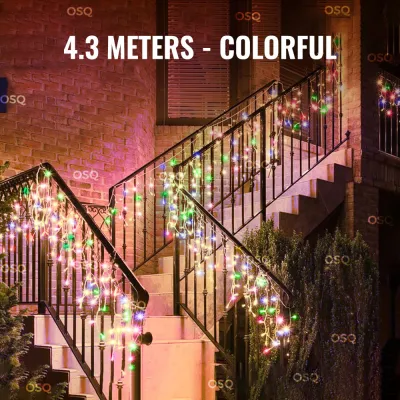
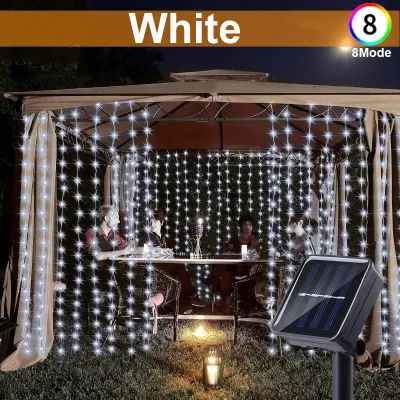
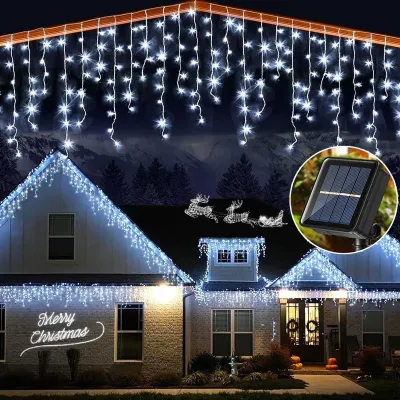
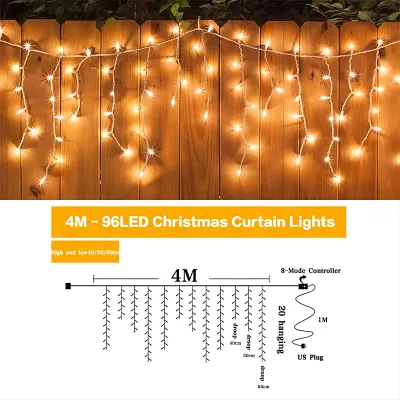
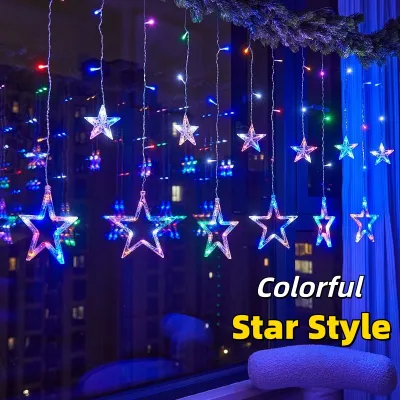
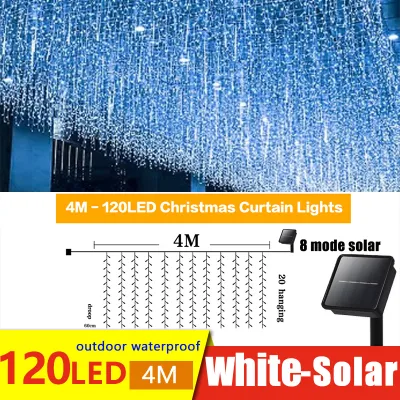
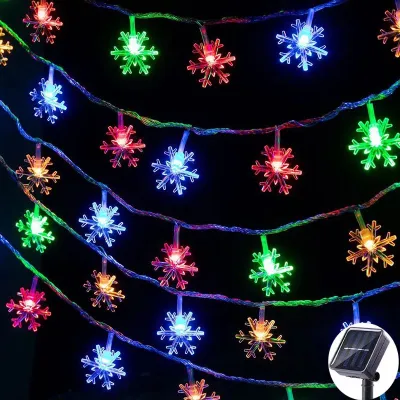
Prices are valid at publication and may change. Please refer to the product page for the latest price.
The presence of window glass is another critical factor that affects charging efficiency. Modern condo units often feature tinted, double-glazed, or low-emissivity (Low-E) glass designed to filter out ultraviolet (UV) rays and reduce indoor heat. While excellent for climate control, this filtering process significantly reduces the light spectrum energy that reaches the solar panel, often extending the required charging time or preventing a full charge altogether. If you must place the solar panel indoors behind a window, position it as close to the glass as possible and ensure it receives direct, unfiltered sunlight during the brightest hours of the day.
To overcome these indoor charging limitations, check the product’s cable length before finalizing your setup. The lead wire—the portion of the cable between the solar panel and the first light strand—must be long enough to allow the panel to sit outside on a balcony or mounted to an exterior window frame while the decorative curtain lights remain safely indoors. If the cable is too short, you may need to look for models that offer detachable panels or extension cables specifically rated for outdoor use. Always verify that any external connections are properly sealed against tropical rain and high humidity to prevent electrical short circuits.
Adapting Holiday Lights for Everyday Ambient Styling
The key to successfully transitioning holiday lights into everyday ambient decor lies in minimizing the festive, high-energy look and focusing on soft, continuous illumination. Multi-colored flashing patterns and rapid chasing effects are ideal for Christmas celebrations, but they can quickly cause eye strain and disrupt the relaxing atmosphere of a bedroom or living room. For year-round styling, select a warm white or soft neutral tone. Warm white light, typically ranging from 2700K to 3000K, mimics the gentle glow of traditional incandescent bulbs, promoting relaxation and preparing your mind for sleep when used in a bedroom.

If your curtain lights came with attached seasonal motifs, such as plastic snowflakes, stars, or Santa figures, check if they can be carefully detached without damaging the underlying wiring. Removing these elements instantly simplifies the aesthetic, leaving clean, minimalist vertical strands that blend seamlessly with modern interior design. If the motifs are permanent, you can soften their appearance by layering the lights behind other decorative elements.
Layering is a highly effective technique for integrating curtain lights into your daily living space. Instead of hanging the strands bare against a wall, weave them directly behind sheer, translucent curtains. The fabric acts as a natural diffuser, softening the individual points of light into a continuous, ethereal glow that adds depth to the room. In the bedroom, you can drape the strands gracefully over a wooden headboard or frame a large wall mirror. In the living room, hanging the lights along a feature wall or behind a television setup provides excellent bias lighting, reducing eye strain during late-night viewing sessions.
Damage-Free Installation and Cable Management
Condo residents, especially those renting their units, must prioritize damage-free installation methods to avoid costly wall repairs or lease violations. Traditional mounting hardware like nails, screws, and heavy-duty mounting tapes can easily crack plaster, strip paint, or damage delicate window frames. Fortunately, lightweight LED curtain lights can be easily secured using non-invasive alternatives. Tension rods are an exceptional solution for window frames; they hold themselves in place using spring tension, requiring no drilling whatsoever, and can easily support the weight of several light strands.
For walls, headboards, or areas without natural recesses, removable adhesive hooks are the preferred choice. Before applying any adhesive, clean the surface thoroughly with rubbing alcohol to remove dust and oils, ensuring a strong bond. When hanging the lights, distribute the weight evenly by placing hooks every few feet along the top support wire. It is also essential to verify the weight capacity of your existing curtain rods or fixtures before adding the lights. While individual LED bulbs are light, the combined weight of the copper wiring, connectors, and multiple hanging strands can put unexpected strain on loose or poorly anchored rods.
When hanging lights at a height near your ceiling, use a stable step ladder rather than balancing on furniture, and ensure the power is isolated or turned off during the installation process to prevent accidental shocks. Before setting up, verify the electrical certification marks on your light set to ensure it meets safety standards, and check if your solar panel features a hybrid USB interface for alternative indoor charging.
Effective cable management is the final step in achieving a professional, built-in look. Loose, dangling wires not only look untidy but also present a tripping hazard or a temptation for pets. Use small, transparent adhesive cable clips to route the connecting wire neatly along the edges of window frames, baseboards, or wall corners. Keep the path to the solar panel as straight and hidden as possible. If you must run wires across high-traffic areas, use low-profile floor cord protectors to keep the cables flat and secure.
Daily Operation and Battery Maintenance
To keep your solar ambient lighting system running reliably night after night, you need to establish a simple maintenance routine tailored to tropical condo environments. Most solar curtain lights feature built-in dusk-to-dawn sensors that automatically turn the lights on when the environment darkens. While convenient, this feature can sometimes lead to unnecessary battery drain, especially if you prefer the lights to be off when you are sleeping or away from home. Familiarize yourself with the manual control switch on the back of the solar panel or use the provided remote control to turn the system off manually when it is not in use, preserving the battery charge for when you actually want to enjoy the ambiance.
Environmental factors like dust, pollen, and condensation can quickly accumulate on the surface of the solar panel, creating a physical barrier that blocks sunlight and reduces charging efficiency. In humid tropical climates, this buildup can harden into a stubborn film. Make it a habit to wipe the solar panel surface with a soft, damp microfiber cloth at least once every two weeks. Avoid using harsh chemical cleaners or abrasive pads, as these can scratch the protective cover and permanently degrade the panel’s ability to absorb light.
Over time, all rechargeable batteries experience a decline in their capacity to hold a charge. If you notice that your curtain lights are dimming much earlier in the evening than they used to, despite receiving plenty of direct sunlight during the day, the battery may be reaching the end of its lifespan. Check the manufacturer’s instructions to see if the solar unit features a user-replaceable battery compartment. Many models use standard rechargeable AA or AAA NiMH batteries, which can be easily swapped out to restore the system to its original performance, saving you from having to replace the entire light set.
Frequently Asked Questions (FAQ)
Can solar curtain lights charge effectively through a closed glass window?
While solar panels can collect some energy through a closed window, the charging efficiency is significantly reduced. Modern window glass, especially tinted or Low-E glass, filters out a large portion of the light spectrum required for optimal solar charging. For the most consistent performance and brightest light output, it is highly recommended to place the solar panel outdoors on a balcony, ledge, or exterior window frame where it can receive direct, unobstructed sunlight.
Is it safe to leave solar fairy lights on overnight in a bedroom?
Yes, high-quality LED solar fairy lights are generally safe for overnight use because LEDs emit very little heat compared to traditional incandescent bulbs, minimizing fire risks. However, you should always perform a visual check of the wiring to ensure there are no frayed sections, exposed copper, or damaged insulation. Additionally, follow the manufacturer’s guidelines regarding maximum continuous operation and ensure the solar control box is placed in a well-ventilated area away from flammable fabrics.

Community discussion
Share your experience or ask a question. Comments are reviewed before publication.