
Quick Answer: RGB vs Warm White for Condo Ambiance
Choosing between RGB and warm white LED strip lights depends on how you intend to use your living space. Warm white is the ideal choice for creating a consistent, relaxing, and elegant everyday ambiance. It mimics traditional incandescent lighting, making it perfect for winding down after a long day in the city.
In contrast, RGB (Red, Green, Blue) strip lights offer dynamic, customizable color palettes that transform a space for entertainment, gaming, or hosting social gatherings. For the ultimate “fancy LED light” setup, combining both technologies via RGBW (which includes a dedicated white diode) or tunable white strips offers the greatest versatility, allowing you to transition from a productive daytime environment to a vibrant evening mood.
Core Differences Between RGB and Warm White LED Strip Lights
To make an informed decision, it is essential to understand how these two lighting options function. Warm white LED strip lights emit a fixed color temperature, typically ranging from 2700K to 3000K. This spectrum produces a soft, golden-yellow glow that closely resembles candlelight or golden hour. Because the color is fixed, these strips rely on simple single-channel circuitry, making them highly reliable and straightforward to operate.
Products mentioned in this guide
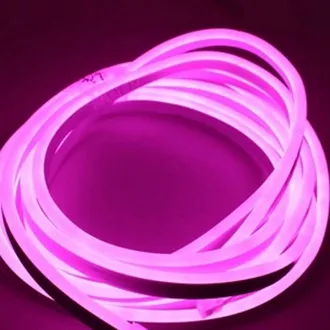
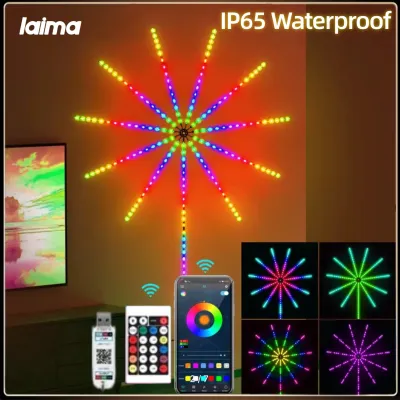
Prices are valid at publication and may change. Please refer to the product page for the latest price.

In contrast, RGB LED strips utilize three primary color diodes—red, green, and blue—on a single chip. By mixing the intensity of these three colors, the strip can produce thousands of different hues, from deep purples to electric blues. However, standard RGB strips struggle to create a true, clean white light; their attempt at white often results in a cool, slightly blue or purple-tinted light because it is mixed from the three primary colors.
Control mechanisms also differ significantly between the two types. Warm white strips are typically controlled via standard wall switches, inline dimmers, or simple smart plugs. RGB strips require a dedicated controller, which can range from a basic infrared remote control to advanced smart home applications and voice assistants. These controllers manage the power distribution to each color channel to achieve the desired shade.
When shopping, keep in mind that exact color accuracy, brightness levels, and overall lifespan are not universal across all products. These factors depend heavily on the manufacturer’s specifications, build quality, and the details printed on the product labels. Always verify the technical specifications on the packaging rather than assuming performance based on the product category alone.
Setting the Mood: Ambiance and Aesthetic Impact in a Condo
Living in a high-rise condo often means maximizing limited square footage while managing the visual warmth of a tropical climate. The choice of lighting plays a pivotal role in how spacious and comfortable your home feels. Warm white lighting is highly effective at creating a cozy, inviting sanctuary. Placing warm white strips under kitchen cabinets, behind a wall-mounted television, or along the base of a bed frame adds depth and a sense of luxury. This soft illumination highlights architectural features and textures, such as wooden panels or textured wallpaper, without overwhelming the senses.
RGB lighting, on the other hand, excels at creating distinct zones and thematic experiences within a single room. If you have a dedicated gaming corner, a home theater setup, or a bar area, RGB strips can instantly shift the energy of the space. During hot summer nights, setting your RGB lights to cool blues or greens can visually lower the perceived temperature of the room, creating a refreshing oasis. For social gatherings or holiday celebrations, dynamic color transitions can make a compact condo feel lively and festive.
However, the psychological and visual impact of these lights must be balanced carefully. In smaller condo layouts, excessive or poorly placed RGB lighting can quickly feel chaotic and visually cluttered, distracting from your interior decor. Warm white provides a timeless, cohesive look that unifies different functional areas, such as an open-concept living and dining space.
Before purchasing any fancy LED light, evaluate your existing furniture, wall paint colors, and daily lifestyle. If your condo features warm wood tones, earth-colored fabrics, and neutral walls, warm white will naturally complement these elements. If your aesthetic is modern, minimalist, or industrial with plenty of metallic or white surfaces, RGB lights can serve as a striking, high-contrast design element that you can adjust to match your mood.
Practical Considerations for Condo Installation and Use
Installing LED strip lights in a condo requires careful attention to technical details and safety standards to ensure a long-lasting and hazard-free setup. First, verify the voltage and power supply compatibility. Most LED strips operate on low-voltage direct current (typically 12V or 24V DC) and require an external power adapter to connect to the standard 220V alternating current (AC) electrical outlets found in the Philippines. Connecting a low-voltage strip directly to mains power will destroy the LEDs and poses a severe electrical hazard.
Dimming and smart home integration are also critical factors. If you plan to use existing wall dimmer switches, you must verify that both the LED strip and its driver/power supply are explicitly rated as dimmable. Standard LED drivers may flicker or buzz when connected to traditional triac dimmers. For RGB strips, ensure the controller is compatible with your home’s Wi-Fi frequency (usually 2.4 GHz) if you plan to control the lights via a smartphone app or integrate them with smart home assistants.
The physical installation environment in a tropical climate presents unique challenges. High humidity can degrade the adhesive backing on standard LED strips over time, causing them to sag or fall off. When mounting strips on painted concrete walls or laminate cabinetry, clean the surface thoroughly with isopropyl alcohol and allow it to dry completely before application. For optimal heat dissipation, mount the LED strips inside aluminum profiles. These profiles not only act as a heat sink to prolong the lifespan of the diodes but also diffuse the light, eliminating harsh hot spots.
Safety must always be your top priority. If your installation involves fixed wiring, connecting lights to damp areas like bathrooms or balconies, working at heights, or mounting heavy suspended fixtures, always isolate the power supply at the circuit breaker first. Follow the manufacturer’s installation instructions meticulously. For complex electrical modifications, hardwiring, or if you are unsure about load calculations, consult a qualified professional electrician to prevent electrical fires or code violations.
Decision Framework: Which Fancy LED Light Should You Choose?
To finalize your decision, consider how you use your condo on a daily basis and what aesthetic goals you want to achieve. Use this straightforward framework to guide your purchase:
- Choose Warm White if:
- Your primary goal is to create a relaxing, elegant, and timeless home environment.
- You prefer simple, reliable operation without managing smartphone apps or multiple remote controls.
- Your condo decor features natural materials, warm wood finishes, and earth tones.
- You want consistent, high-quality illumination for daily tasks like reading, cooking, and unwinding.
- Choose RGB if:
- You want to customize your living space with vibrant accent colors for gaming, movies, or parties.
- You enjoy changing the visual theme of your home frequently to match your mood or the season.
- You prefer smart home integration, voice control, and automated lighting schedules.
- Your interior design features modern, neutral, or industrial elements that pair well with colored light.
- Consider RGBW or Tunable White if:
- You want the best of both worlds: high-quality, dedicated warm white light for daily use, and full color-changing capabilities for special occasions.
- You are willing to invest in a slightly more complex setup with compatible multi-channel controllers.
Before making any purchase on an online marketplace or at a local lighting store, always verify the product labels. Check the input voltage, IP (Ingress Protection) ratings for moisture resistance if installing near windows or sinks, and consult your condo management’s guidelines regarding exterior balcony lighting to ensure compliance with building aesthetics and safety rules.
Frequently Asked Questions (FAQ)
Can I get both warm white and RGB in one LED strip?
Yes, you can achieve this by choosing an RGBW or RGB+CCT LED strip light. Unlike standard RGB strips that mix red, green, and blue to approximate white, RGBW strips feature a dedicated white light diode alongside the color diodes. This design allows you to enjoy a true, high-quality warm white light for everyday tasks, while still having the option to switch to vibrant colors when desired. Keep in mind that these multi-channel strips require compatible controllers and power supplies capable of managing the extra channels, so always verify the manufacturer’s specifications before purchasing.
Do RGB LED strip lights consume more electricity than warm white?
Power consumption is determined by the total wattage rating of the strip and how you operate it, rather than the color type alone. When an RGB strip is set to display a single color like red or blue, only one channel is active, which may draw less power than a warm white strip of equivalent length. However, if you run an RGB strip at full brightness on white (which requires all three color channels to run at maximum capacity), the power draw can be comparable to or slightly higher than a dedicated warm white strip. To manage your electricity usage, always check the product’s wattage per meter rating on the label and calculate the total power draw based on your planned installation length.

Community discussion
Share your experience or ask a question. Comments are reviewed before publication.