
Quick Answer: Which LED Strip Light Should You Choose?
When designing a modern condominium, selecting the right light source is essential to balancing space constraints with personal comfort. LED strip lights have become a staple for creating depth and style in compact urban homes. However, choosing between dynamic RGB (Red, Green, Blue) and classic warm white strips can significantly alter your daily living experience.
Warm white LED strips are generally the superior choice for everyday ambient and functional lighting in Philippine condominiums. Their natural, relaxing glow and high color rendering index (CRI) make small spaces feel larger, cozier, and more inviting. Conversely, standard RGB strips serve as a specialized choice, best reserved for dedicated entertainment zones, gaming desks, or occasional dynamic accent lighting.
Choose Warm White if:
Products mentioned in this guide
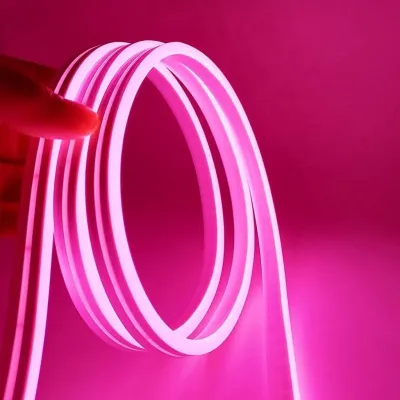
Prices are valid at publication and may change. Please refer to the product page for the latest price.
- You want a cozy, inviting atmosphere for living rooms and bedrooms.
- You need reliable, functional task lighting for kitchens, under-cabinets, or vanity mirrors.
- You prefer simple, intuitive operation with standard switches or basic dimmers.
Choose RGB if:
- You are designing a dedicated entertainment center, home theater, or gaming station.
- You enjoy hosting social gatherings and want dynamic, color-changing effects.
- You want vibrant, saturated accent lighting to highlight specific shelves, art pieces, or architectural features.
Verify first if:
- You want both flexibility and high-quality white light; in this case, look into RGBW or tunable white alternatives instead of standard RGB.
Understanding the Basics: RGB vs Warm White LED Strips
To make an informed decision, it is important to understand how these two lighting technologies differ at a hardware level. Standard RGB LED strips feature individual diodes that emit red, green, and blue light. By adjusting the intensity of these three primary colors, the controller can mix them to produce thousands of different hues. However, standard RGB strips lack a dedicated white light diode.

Warm white LED strips operate on a completely different principle. They utilize phosphor-coated diodes designed to emit a consistent, single-color light. This light typically falls within the 2700K to 3000K color temperature range, mimicking the soft, yellowish-gold glow of traditional incandescent bulbs.
This technical difference creates a massive visual gap when it comes to white light. When you attempt to create white light on a standard RGB strip, the controller turns on the red, green, and blue channels at full power. Because there is no true white emitter, the resulting light often has a harsh, artificial, or distinctly bluish-purple tint. This mixed light lacks the smooth spectral output of a phosphor-coated diode, making it uncomfortable for long-term daily use in a home environment.
Key Comparison Dimensions for Condo Light Systems
Evaluating these two options requires looking beyond initial visual appeal. To find the right fit for your condo, you must assess how each light type performs across key daily dimensions, including mood creation, functional utility, control complexity, and long-term operating efficiency.
Ambiance and Mood Setting
The primary goal of ambient lighting is to establish a comfortable emotional tone for your living space. Warm white lighting is the gold standard for creating a cozy, relaxing, and deeply inviting environment. Its soft, golden hue signals the brain to unwind, making it the perfect companion for living rooms and bedrooms after a long, busy day navigating the bustling streets of Manila. This color temperature complements natural wood finishes, warm-toned fabrics, and tropical indoor plants commonly found in local interior designs.
In contrast, RGB lighting excels at creating dynamic, vibrant, and highly customized themed environments. With a press of a button, you can bathe a room in deep blues, energetic purples, or festive greens. While this versatility is excellent for hosting weekend gatherings, watching movies, or immersive gaming sessions, it is rarely suitable for continuous daily living. Living under saturated colored light for extended periods can feel unnatural and visually overwhelming, potentially disrupting your natural circadian rhythms if used late at night. Therefore, while RGB is unmatched for temporary novelty, it falls short of providing the consistent, soothing background glow that makes a condo feel like a true sanctuary.
Functional and Task Lighting
Ambient light sources in a condo often double as functional task lighting, especially in multi-purpose studio units where space is at a premium. Warm white LED strips are vastly superior for tasks such as reading, cooking, working, or applying makeup. This superiority is due to their higher Color Rendering Index (CRI), which measures how accurately a light source reveals the true colors of objects compared to natural sunlight. High-quality warm white strips typically feature a CRI of 80 or 90+, ensuring that food looks appetizing and skin tones look natural.
Standard RGB strips are notoriously poor for functional tasks. Because they rely on mixing discrete wavelengths of red, green, and blue, they do not emit a continuous light spectrum. When you try to read or work under mixed RGB white light, the lack of spectral depth distorts the true colors of your surroundings. This distortion forces your eyes to work harder to focus, leading to rapid eye strain, headaches, and visual fatigue. If you plan to install under-cabinet lighting in your kitchen or task lighting above a study desk, warm white is the only practical option to ensure visual comfort and safety.
Control Systems and Smart Home Integration
The way you interact with your lighting on a daily basis heavily influences your long-term satisfaction. Warm white LED strips offer unmatched simplicity. They can be wired directly to standard wall switches, integrated with simple inline dimmers, or plugged into basic smart plugs. This straightforward setup means anyone in the household can operate the lights without needing a smartphone app or a training session.
RGB LED strips, by their very nature, require a more complex control infrastructure. To change colors, adjust brightness, or run dynamic patterns, you must use a dedicated multi-channel controller. This controller is typically operated via an infrared remote, a Bluetooth smartphone app, or a Wi-Fi-enabled smart home bridge. Before investing in a complex RGB setup, it is crucial to verify its compatibility with your existing smart home ecosystem, such as Google Home, Apple Home, or Samsung SmartThings. Managing multiple remote controls or dealing with buggy, third-party mobile apps can quickly become a daily frustration. If you prefer a seamless, low-maintenance home environment, the plug-and-play simplicity of warm white is highly advantageous.
Energy Efficiency and Heat Output
Power consumption and thermal management are critical considerations for any condo installation, especially in the warm, humid climate of the Philippines. While all LED technology is highly efficient compared to legacy halogen or incandescent bulbs, their performance profiles differ. A standard warm white strip draws a consistent amount of power based on its set brightness level, utilizing only one channel of energy.
An RGB strip can consume significantly more power when operating at full brightness across all three color channels to simulate white light. This increased power draw requires a robust Power Supply Unit (PSU). You must always check the PSU rating to ensure it matches or exceeds the total wattage of your installed strip length, incorporating a 20% safety margin to prevent overloading.
Heat dissipation is another vital factor. LEDs do not emit forward heat, but they generate significant heat at the back of the circuit board. High-output strips installed in enclosed condo cove lighting or drop ceilings can degrade rapidly if heat is trapped. To prevent premature diode burnout and preserve the adhesive backing, you should install high-output strips inside aluminum channels. These channels act as heat sinks, drawing thermal energy away from the diodes. This step is particularly important in tropical environments where ambient indoor temperatures are naturally higher.
Installation and Safety Considerations for Condos
Installing LED strip lights in a condominium requires careful attention to electrical safety, building codes, and physical space limitations. The first step is verifying the voltage requirements of your chosen strip. Most residential LED strips operate on low-voltage direct current (DC), typically 12V or 24V, which requires an external power transformer to step down the mains voltage.
In the Philippines, standard wall outlets deliver 220V alternating current (AC) at 60Hz. Connecting a low-voltage DC strip directly to a mains outlet without the correct power adapter will instantly destroy the strip and pose a severe fire or shock hazard. Always verify the manufacturer’s product label to ensure the input voltage of the adapter matches your home’s electrical supply, and the output voltage matches the strip.
When performing any installation work, safety must be your top priority. Always turn off the power at the main circuit breaker before attempting to hardwire any connections or mount power supplies. Never overload electrical circuits by daisy-chaining too many LED strips together, as this can cause a significant voltage drop—resulting in dimming at the end of the run—and generate dangerous levels of heat. If your design requires cutting the strip to fit a specific cove or cabinet dimension, only cut along the designated, marked cut lines. Cutting elsewhere will permanently break the electrical circuit, rendering that section of the strip useless.
For permanent fixtures, fixed wiring behind concrete walls, or installations in damp areas like bathrooms and covered balconies, do not attempt a DIY installation. You must consult a licensed electrician to ensure compliance with the Philippine Electrical Code (PEC). Water and electricity are a deadly combination; any strip installed near water sources must have an appropriate IP (Ingress Protection) rating, such as IP65 or IP67, and be wired through a Ground Fault Circuit Interrupter (GFCI) outlet.
Finally, always check your condo’s Property Management Office (PMO) guidelines before finalizing your lighting design. Many high-rise developments have strict rules regarding exterior-facing aesthetics. Bright, flashing RGB lights visible from the street or balcony can violate building bylaws, potentially leading to fines or requests for removal. Keeping your vibrant RGB setups confined to interior rooms ensures you remain compliant with community standards.
How to Mix Both: The RGBW and Tunable White Alternatives
If you find yourself torn between the cozy practicality of warm white and the playful versatility of RGB, you do not necessarily have to choose one over the other. The lighting market has evolved to offer hybrid solutions that combine the best of both worlds, making them ideal for multi-purpose condo spaces.
The most popular hybrid option is the RGBW LED strip. Unlike standard RGB strips, RGBW strips feature a fourth, dedicated white diode alongside the red, green, and blue chips. This dedicated diode is coated with phosphor to emit a true, high-quality warm white (or cool white, depending on the model) light. When you need functional illumination, the strip runs solely on the white diode, providing excellent color rendering and visual comfort. When it is time to entertain, you can switch to the RGB channels for vibrant, saturated colors.
Another excellent alternative is the tunable white (or CCT) LED strip. These strips do not offer colors like red or blue; instead, they feature alternating warm white and cool white diodes. Using a dedicated controller, you can smoothly adjust the color temperature from a warm 2700K to a crisp, daylight-mimicking 6500K. This allows you to match your lighting to the time of day—using cool white for focus and productivity during the afternoon, and transitioning to a soft warm white to wind down in the evening.
While these alternatives offer incredible versatility, they do come with trade-offs. Both RGBW and tunable white systems carry higher initial purchase costs for both the strips and the specialized controllers. They also require more complex multi-channel wiring and may feature slightly wider strip profiles, which requires verifying that they will fit into standard aluminum channels or tight cove spaces before purchasing.
Final Verdict: Making the Right Choice for Your Space
Ultimately, the choice between RGB and warm white LED strip lights depends on how you use your condo on a daily basis. For the vast majority of homeowners, warm white LED strips represent the most practical, aesthetically pleasing, and comfortable investment. They seamlessly elevate the look of your home, making compact spaces feel cozy, elegant, and highly functional.
Reserve standard RGB strips for highly specific, intentional accent zones where dynamic color is the absolute primary goal, such as a dedicated gaming room or a home theater bar. If you truly want the flexibility of both, investing in a high-quality RGBW system is the most sensible path forward.
Before making your purchase on local online marketplaces or at home improvement stores, run through this quick pre-purchase checklist:
- Measure: Determine the exact length of the installation area to avoid buying too much or too little.
- Calculate Wattage: Multiply the wattage per meter by the total length to select a power supply with at least a 20% safety buffer.
- Verify IP Rating: Ensure you choose an IP65 or higher moisture-resistant strip if installing in bathrooms or kitchen splash zones.
- Check Safety Labels: Look for official electrical safety certifications, such as the Philippine Standard (PS) mark or Import Commodity Clearance (ICC) sticker, to ensure the product meets local safety standards.
Frequently Asked Questions (FAQ)
Understanding the nuances of LED technology can help you avoid common buying mistakes. Here are answers to some of the most frequent questions condo owners ask when planning their ambient lighting setups.
Can I get true warm white light from a standard RGB LED strip?
No, you cannot get a true, high-quality warm white light from a standard RGB strip. When an RGB strip attempts to create white light, it mixes red, green, and blue light waves at maximum brightness. This process creates a cool, bluish-white light that lacks the continuous spectrum of a dedicated white light source. The resulting illumination often looks clinical, distorts natural colors, and causes eye strain. For a genuine warm white glow, you must use a dedicated warm white strip or an RGBW strip that features a separate, phosphor-coated white diode.
Do LED strip lights consume a lot of electricity in a condo?
No, LED strip lights are exceptionally energy-efficient compared to traditional halogen or incandescent lighting. However, their actual consumption depends on the strip’s wattage per meter, the total length installed, and how many hours they run daily. For example, a standard 5-meter decorative strip might draw only 24 to 48 watts at full brightness, which adds very little to your monthly electrical bill. To manage consumption effectively, always check the power adapter’s maximum output rating and consider using dimmers or smart schedules to lower brightness when full illumination is not needed.
Are LED strip lights safe to leave on all night?
Yes, high-quality LED strip lights are safe to leave on for extended periods, provided they are installed correctly. Because LEDs generate very little operational heat compared to traditional bulbs, they pose a minimal fire risk. However, to ensure safety, you must mount high-output strips in aluminum channels to dissipate heat properly, match them with a certified power supply that is not overloaded, and ensure all wiring is secure. For overnight use, such as pathway or bathroom guiding lights, it is highly recommended to dim the strips to 10% or use smart timers to reduce wear on the diodes and conserve energy.

Community discussion
Share your experience or ask a question. Comments are reviewed before publication.