
Choosing the right lighting for a condominium in the Philippines involves balancing style, space constraints, and daily comfort. When deciding between RGB and warm white LED strip lights, there is no single option that fits every home. The ideal choice depends on whether your priority is a relaxed, high-fidelity ambient glow or dynamic, multi-colored lighting scenes that adapt to different activities.
Warm white LED strips excel at creating a cozy, inviting atmosphere that mimics traditional incandescent bulbs, making them highly suitable for rest and relaxation. On the other hand, RGB LED strips offer millions of color combinations, allowing you to transform your living space for movie nights, gaming, or social gatherings.
To make the right decision for your condo, you must evaluate several practical factors beyond simple aesthetics. These include the primary function of each room, the complexity of the control systems, the physical installation requirements, and the long-term maintenance of the setup.
Products mentioned in this guide
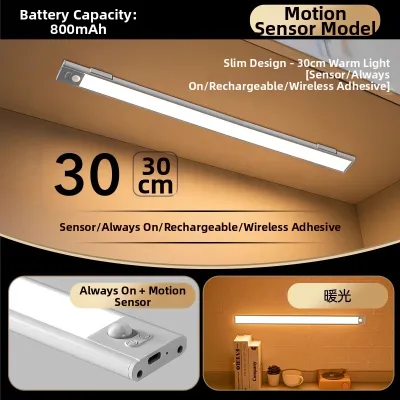
Prices are valid at publication and may change. Please refer to the product page for the latest price.
Understanding the Core Differences in Light Output
To choose the right lighting setup, it is essential to understand how these two types of LED strips produce light. Warm white LED strips utilize dedicated light-emitting diodes designed to emit a single, fixed color temperature, typically ranging from 2700K to 3000K. This range produces a soft, yellowish glow that closely resembles the warm light of a setting sun, which naturally signals the body to wind down.
In contrast, RGB LED strips feature three distinct diodes in a single package: red, green, and blue. By mixing these three primary colors at varying intensities, an RGB controller can generate a vast spectrum of colors. However, when an RGB strip attempts to create white light by turning on all three diodes at full power, the resulting light often has a cool, slightly blue or purple cast rather than a true, warm white.
This difference in color mixing significantly impacts spatial perception and visual comfort, especially in compact condo layouts. Warm white light tends to make small spaces feel more cohesive, grounded, and visually comfortable over long periods. The mixed white light from an RGB strip can sometimes cause visual fatigue or feel overly clinical if used as the primary source of illumination.
Another critical factor to consider is the Color Rendering Index (CRI), which measures how accurately a light source reveals the true colors of objects compared to natural sunlight. High-quality warm white LED strips often feature a CRI of 80 or 90, which ensures that your furniture, decor, and skin tones look natural. You should verify the CRI rating on the product packaging, as pure RGB strips generally do not have a standard CRI rating for white light and may make indoor colors appear dull or distorted.
Evaluating Ambiance and Functional Needs by Room
Every room in a condominium serves a different purpose, and matching the lighting to these functions is key to a comfortable living environment. In bedrooms and dedicated relaxation zones, warm white LED strips are highly recommended. The soft, low-blue light emitted by warm white diodes supports natural sleep hygiene by not disrupting your body’s melatonin production before bed.

For entertainment areas, living rooms, and multi-purpose spaces, RGB LED strips offer excellent versatility. If you enjoy hosting gatherings, watching movies, or gaming, the ability to switch colors can instantly alter the room’s mood. You can set a deep blue or purple hue for a home theater experience, or transition to vibrant colors during weekend get-togethers.
However, kitchens and dedicated workspaces require a different approach where task lighting is the priority. Cooking, food preparation, and reading demand high color accuracy and consistent brightness to prevent eye strain. Pure RGB strips are generally unsuitable for these areas because their mixed white light lacks the necessary intensity and color rendering.
If you have a multi-purpose area, such as a dining table that doubles as a workspace, you must carefully weigh these needs. Installing warm white strips under kitchen cabinets or above desks ensures you have functional, high-quality light when working. You can then reserve RGB strips for decorative accent areas, such as behind the television console or along the baseboards, where high-fidelity task lighting is not required.
Comparing Installation, Control, and Power Requirements
The practical side of upgrading your condo lighting involves understanding the hardware, wiring, and electrical requirements of each system. Warm white LED strips are relatively straightforward to install because they only require a simple two-wire connection to connect to a power supply. This simplicity makes them easier to cut, solder, or connect using solderless clip-on connectors.
RGB LED strips are more complex, requiring a four-pin connection to manage the separate red, green, blue, and power channels. They also require an external RGB controller, which sits between the power supply and the LED strip to receive signals from a remote control, smartphone app, or smart home system. Managing these extra components requires more planning, especially when trying to keep the wiring hidden from view.
Dimming compatibility is another area where the two systems differ significantly. Warm white strips can be dimmed using inline dimmers, compatible wall switches, or smart dimming controllers, but you must verify that the power supply and the dimming protocol match. RGB strips are dimmed directly through their dedicated controller, which adjusts the pulse-width modulation of each color channel to change the perceived brightness.
Power supply sizing and heat dissipation are crucial for safety and longevity, particularly in the warm, humid climate of the Philippines. LED strips generate heat, and installing them inside tight spaces like cove ceilings or under-cabinet recesses can cause them to overheat if not properly ventilated. Mounting the strips inside aluminum profiles with diffusers helps dissipate heat while protecting the diodes from dust and moisture.
Before purchasing any components, you must verify that the power adapter is rated for the standard 220V mains voltage used in the Philippines. You should also calculate the total wattage of your LED strip run to ensure your power supply has at least a 20% safety margin. For complex installations, fixed wiring, or high-reach cove lighting, always isolate the power at the circuit breaker and consult a qualified electrician to ensure compliance with local electrical codes.
Cost, Value, and Long-Term Maintenance
When budgeting for your condo lighting project, looking beyond the initial price tag of the LED strip itself is important. A complete setup includes the LED strip, a compatible power adapter, connectors, mounting channels, and, in the case of RGB, a controller. To get an accurate comparison, you should calculate the price per meter in ₱ rather than comparing basic starter kits, which may vary widely in quality and included accessories.
Generally, warm white LED strips have a lower initial purchase cost because they do not require complex controllers or multi-channel wiring. RGB setups tend to be more expensive upfront due to the necessity of the controller and the more complex manufacturing process of tri-color diodes. However, high-density warm white strips with premium CRI ratings can sometimes approach the cost of standard RGB options.
Energy consumption is directly tied to how you use the lights and their overall wattage per meter. While individual LED diodes are highly efficient, running a long length of RGB strips at full brightness on “white” mode consumes more power because all three color chips must run at maximum capacity. Warm white strips typically consume less power for an equivalent level of usable brightness because they use single, highly efficient white diodes.
Over time, all LED lights experience lumen depreciation, which is a gradual decline in brightness. High-quality strips maintain their brightness and color consistency for years, whereas low-grade options may dim quickly or develop noticeable color shifts. If an individual component fails, such as an RGB controller or a specific section of a warm white strip, replacing it requires checking for compatibility with your existing power supply and connectors.
Decision Framework: Which LED Strip Should You Choose?
To help you make the final decision for your condominium, you can use this straightforward framework based on your primary living priorities. Your choice should align with how you use your space daily, your technical comfort level, and your aesthetic preferences.
You should choose Warm White LED strips if:
- Your primary goal is to create a calm, cozy, and relaxing environment in bedrooms or living areas.
- You require high-quality, accurate lighting for tasks like cooking, reading, or grooming.
- You prefer a minimalist aesthetic with simple, reliable controls and straightforward installation.
- You want to maximize energy efficiency and minimize the initial cost of your lighting project.
You should choose RGB LED strips if:
- You want to create dynamic, colorful atmospheres for gaming, movie nights, or social events.
- You enjoy customizing your living space with different colors to match your mood or the time of day.
- You are comfortable managing external controllers, smartphone apps, or smart home integrations.
- You are installing accent lighting in areas where high-fidelity white light is not a functional requirement.
If you find yourself wanting the benefits of both systems, you may want to consider alternative options such as RGBW or Tunable White LED strips. RGBW strips include a dedicated white diode alongside the red, green, and blue diodes, providing high-quality white light and vibrant colors in a single strip. Tunable white strips allow you to adjust the color temperature from cool white for daytime productivity to warm white for evening relaxation.
Before making any purchase on an online marketplace or at a local hardware store, run through a quick pre-purchase verification checklist. Confirm that the voltage matches the local 220V standard, check that the connector types match your controller, verify the IP rating if installing in damp areas like bathrooms or kitchens, and look for recognized electrical safety certifications on the product labels.
Frequently Asked Questions (FAQ)
Can I use RGB LED strips for everyday task lighting?
Using pure RGB LED strips for everyday task lighting is generally not recommended. Because pure RGB strips create white light by mixing red, green, and blue light, the resulting illumination often has a noticeable color cast and a very low Color Rendering Index (CRI). This can cause eye strain during detailed tasks like reading or cooking, and makes colors in your room look unnatural. If you need a strip that can handle both colorful accents and functional task lighting, look for product labels indicating an RGBW configuration, which includes a dedicated, high-CRI white light channel.
Do I need a special smart hub to control these LED strips?
You do not necessarily need a dedicated smart hub to control LED strip lights, as many modern options offer direct control. Many entry-level and mid-range LED strips come with standalone infrared or radio-frequency remote controls, while others feature built-in Wi-Fi or Bluetooth modules that connect directly to your smartphone app. However, if you want to integrate your lights into a broader smart home ecosystem for automated routines or voice control, you must verify the communication protocols listed on the product packaging to ensure compatibility with your existing smart assistants or hubs.

Community discussion
Share your experience or ask a question. Comments are reviewed before publication.