
To transform a cozy reading corner into a functional sanctuary, a sculpture floor lamp must offer more than just visual drama. While these artistic fixtures serve as striking focal points in a living room or study, their primary job during a late-night reading session is to deliver clear, comfortable illumination directly onto your page. Achieving this balance requires a careful look at the lamp’s physical design, light output, and adjustability, ensuring that its sculptural beauty does not come at the expense of your eyesight.
The Core Conflict: Sculptural Form vs. Reading Function
Many sculptural floor lamps are designed primarily to create ambiance, casting soft, diffused shadows or a gentle glow that washes over a wall. This ambient quality is excellent for relaxing or entertaining, but it falls short when you need to focus on fine print. Reading requires dedicated task lighting—a concentrated beam of light that minimizes eye strain by clearly illuminating a specific area.
When browsing artistic designs, you will often encounter structural limitations that hinder task performance. Opaque metal shades, thick ceramic housings, or fixed geometric frames may block light from spreading horizontally, directing it only toward the ceiling or floor. Non-adjustable arms mean you cannot bring the light source closer to your book, forcing you to adjust your posture instead of the lamp.
Products mentioned in this guide
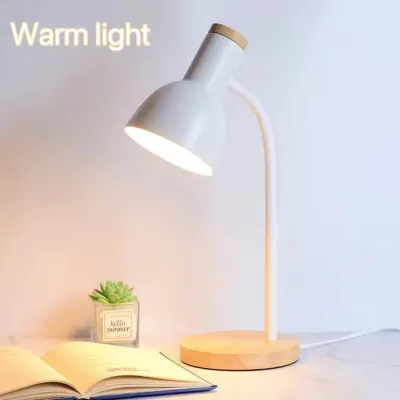
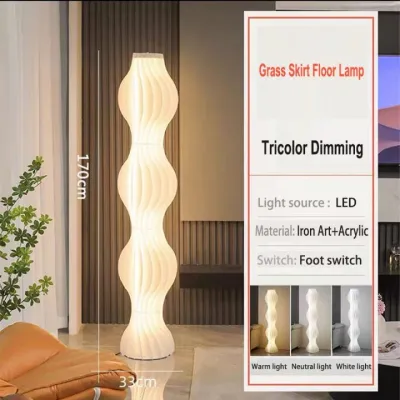
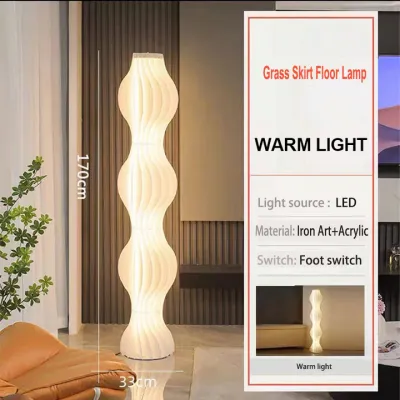
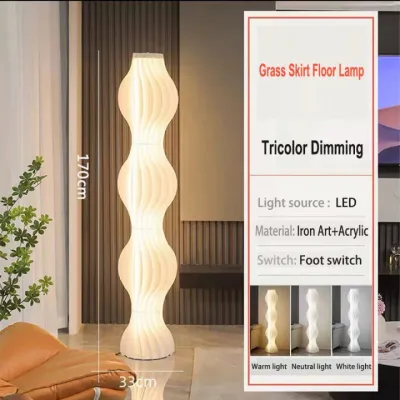
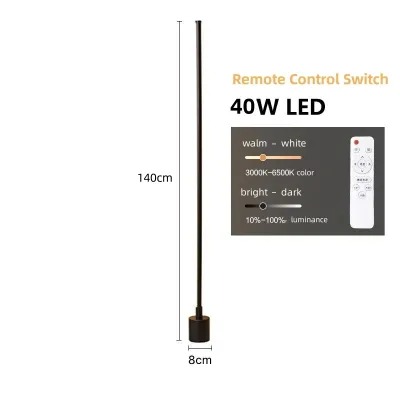
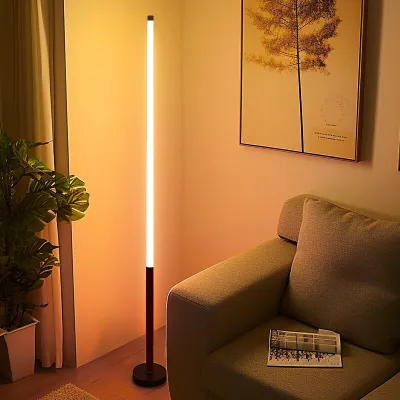
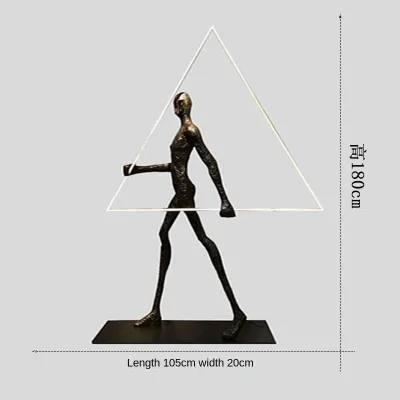
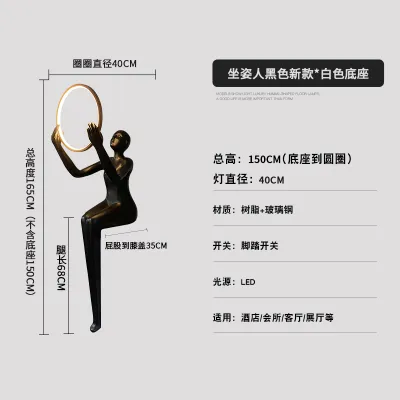
Prices are valid at publication and may change. Please refer to the product page for the latest price.
To avoid purchasing a beautiful but impractical fixture, always verify the manufacturer’s specifications for task lighting suitability. Do not assume a lamp is ready for reading just because it looks stunning next to an armchair. Look closely at how the light is dispersed and whether the physical structure allows for targeted illumination.
Essential Lighting Features for a Reading Corner
Selecting the right sculptural floor lamp involves evaluating several technical and physical features. To prevent eye strain and create a comfortable reading environment, you must look past the exterior aesthetics and examine how the fixture manages light.

Brightness and Light Output
When evaluating a lamp’s brightness, look at the lumen rating on the product packaging or specification sheet rather than relying on wattage. Wattage only measures energy consumption, whereas lumens indicate the actual amount of visible light produced. For comfortable reading, aim for a light source that can deliver sufficient lumens to illuminate your pages clearly without causing glare.
Verify whether the sculptural lamp features an integrated LED module or a standard socket that supports high-lumen bulbs. Integrated LEDs often provide a sleek, low-profile design that fits artistic shapes, but they must be bright enough from the start since they cannot be easily replaced. If the lamp uses a traditional socket, check the manufacturer’s maximum wattage limit to ensure it can safely accommodate a bright LED or compact fluorescent bulb without overheating the fixture.
In tropical climates like the Philippines, choosing energy-efficient LED bulbs is also a practical way to minimize heat emission from your reading light, keeping your cozy corner comfortable even during warm evenings.
Adjustability and Light Direction
A successful reading lamp must allow you to direct light precisely where you need it. Look for sculptural designs that incorporate adjustable heads, swiveling joints, or telescopic poles. These features let you angle the beam directly over your book or tablet, preventing your head or body from casting frustrating shadows on the page.
As you evaluate adjustable fixtures, pay close attention to the stability and weight of the lamp’s base. Sculptural lamps with dramatic, sweeping arms or extended heads can become top-heavy and prone to tipping if the base is too light. Ensure the base is heavy enough to anchor the lamp securely, even when the arm is fully extended over your reading chair.
Be cautious of fixed-direction sculptural shades that offer no movement. If a lamp casts light only straight up as a torchiere or straight down in a narrow cone, it will likely fail as a primary reading light unless positioned perfectly over your shoulder.
Color Temperature and Glare Control
The quality of light is just as important as its direction. Look for lamps that offer adjustable color temperature settings, or choose bulbs that emit a warm-to-neutral light, typically between 2700K and 4000K. This range provides a comfortable contrast for reading without the harsh, blue-toned glare that can disrupt your sleep patterns during evening reading sessions.
Examine the shade’s material and interior finish to see how it manages glare. An ideal reading lamp shade diffuses light softly or directs it away from your direct line of sight. Highly reflective interior finishes, like polished brass or chrome, can create distracting hot spots of light, whereas matte or frosted diffusers help distribute the light more evenly.
Additionally, verify if the lamp includes a built-in dimmer switch or is compatible with smart bulbs and external dimming controllers. Being able to adjust the brightness allows you to transition the lamp from a bright daytime task light to a softer, ambient glow as the evening winds down.
Evaluating Sculptural Floor Lamps: A Practical Checklist
Before finalizing your purchase, run through a practical checklist to ensure the sculptural lamp fits your space. Start by measuring the height of your reading chair’s armrest and comparing it to the lamp’s shade height. Ideally, the bottom of the shade should sit near eye level when you are seated, preventing the bulb from shining directly into your eyes while casting a wide pool of light over your lap.
Next, assess the physical placement and safety of the fixture. Check the length of the power cord to ensure it reaches your wall outlet without stretching tightly across walkways. The power switch should be easily accessible from your seated position, whether it is a foot pedal, a rotary switch on the pole, or a touch-sensitive control on the shade.
Always verify that the lamp carries recognized electrical safety certifications and marks on its packaging or the manufacturer’s official website. This is crucial for ensuring the internal wiring can safely handle your home’s voltage, especially when operating for extended periods.
Finally, review the retailer’s return policy and warranty terms. Sculptural lamps with complex shapes, delicate materials, or integrated electronic components can be challenging to repair, making a solid warranty and a flexible return policy essential safeguards.
Integrating the Lamp into Your Reading Corner Setup
Once you have selected the perfect sculptural floor lamp, its placement determines how well it performs. Position the lamp slightly behind and to the side of your reading chair. This placement allows the light to drape over your shoulder and onto your book, preventing your head or hands from casting shadows on the text.
In busy households, managing the power cord is a vital safety consideration. Run the cord along baseboards or tuck it securely under furniture to prevent tripping hazards. If the cord must cross a high-traffic area, use a low-profile cord cover that matches your flooring to keep the space safe for children, pets, and guests.
To create the ultimate reading oasis, avoid relying solely on your sculptural task lamp in an otherwise dark room. High contrast between a bright page and a dark room can quickly cause eye fatigue. Instead, pair your task lamp with soft, secondary ambient lighting—such as a dim wall sconce or a warm table lamp across the room—to balance the overall brightness and create a relaxing, visually comfortable atmosphere.
Frequently Asked Questions (FAQ)
Can a purely decorative sculpture lamp be upgraded for reading?
Purely decorative sculptural lamps often have physical limitations, such as opaque shades, fixed positions, or low-wattage sockets that make them unsuitable for reading. However, if the fixture’s socket allows, you can sometimes upgrade its performance by installing a high-lumen smart bulb. This allows you to adjust the brightness and color temperature via an app or remote. Always check the manufacturer’s maximum wattage rating on the socket before changing bulbs, as exceeding this limit poses a serious fire hazard.
What is the ideal height for a reading floor lamp?
The ideal height for a reading floor lamp depends on your seating. Generally, the bottom of the lamp shade should align with your eye level when you are seated in your reading chair, which is typically between 115 to 125 centimeters from the floor. This height ensures the bulb remains hidden from direct view to prevent glare, while still allowing the light to spread evenly across your lap. If your chair is exceptionally low or high, look for a lamp with an adjustable pole to customize the height.

Community discussion
Share your experience or ask a question. Comments are reviewed before publication.