
Selecting a stand lamp with an appropriate shade for bedroom use requires balancing soft ambient lighting with your personal decor style. Since bedroom environments prioritize relaxation and visual comfort, the ideal floor lamp must diffuse light gently while fitting proportionally within your space. This guide outlines the essential criteria for evaluating lampshade materials, technical specifications, and structural safety to help you build a reliable shortlist from online retailers or local lighting stores in the Philippines.
Creating a restful sanctuary in the bedroom often comes down to how you control and layer your light. While overhead ceiling fixtures are useful for cleaning or organizing, they are frequently too bright and harsh for winding down at the end of a long day. A dedicated floor lamp bridges this gap, offering a localized, warm glow that prepares your mind and body for sleep. By choosing a model with a well-designed shade, you can eliminate direct bulb glare, soften shadows, and introduce an elegant design element that enhances your bedroom’s overall aesthetic.
In the Philippine climate, selecting home decor also requires a practical understanding of environmental factors. High humidity, dust accumulation, and typical room layouts influence which materials and structures will perform reliably over time. Whether you are setting up a cozy reading corner, adding a decorative accent to a guest room, or seeking a primary source of soft evening light, understanding the interplay between the lamp stand, the shade, and the bulb is the key to making a satisfying investment.
Products mentioned in this guide
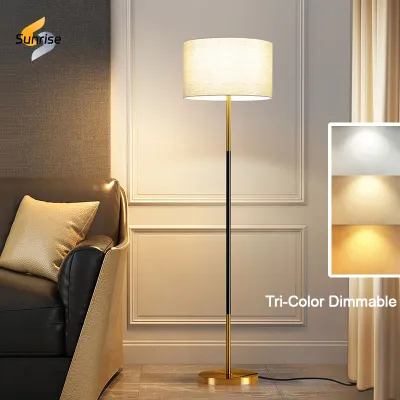
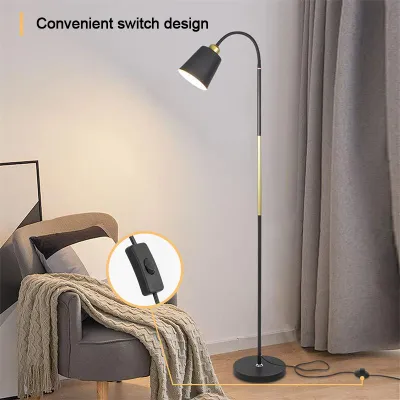
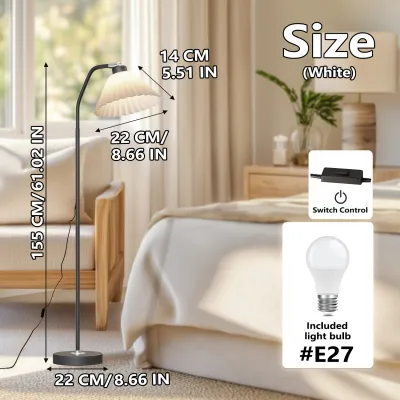
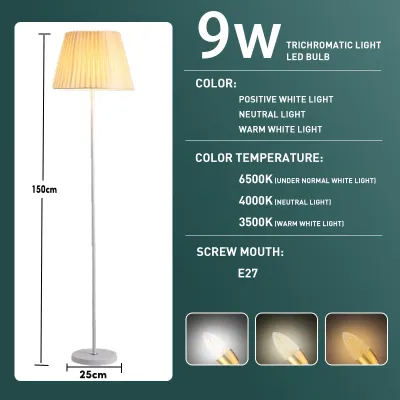
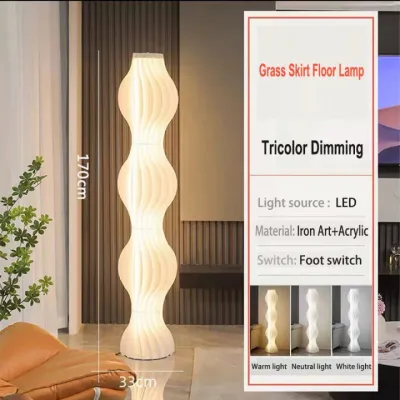
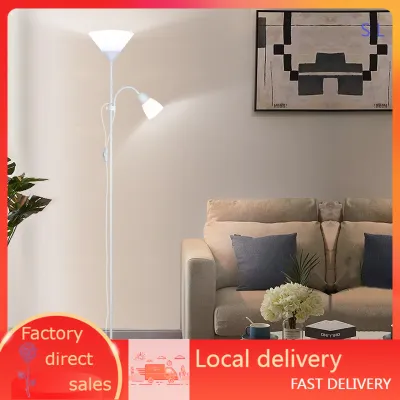
Prices are valid at publication and may change. Please refer to the product page for the latest price.
Key Factors for Bedroom Floor Lamp Selection
Before browsing online catalogs or visiting local showrooms, it is essential to define the primary purpose of your new floor lamp. Bedroom lighting generally falls into two categories: ambient lighting and task lighting. Ambient lighting aims to fill the entire room with a soft, even glow, which is best achieved with a semi-translucent shade that allows light to escape from all sides. Task lighting, on the other hand, is designed for focused activities like reading in bed or working at a small corner desk. For task-oriented spaces, a lamp with an adjustable arm or a more opaque shade that directs light downward is highly effective.
Spatial constraints are another critical consideration, especially in urban condominiums or traditional family homes where bedroom space may be limited. Take precise measurements of the floor area where you plan to position the lamp. A lamp with a wide tripod base might look stunning in a spacious room, but it can easily become a tripping hazard in a compact bedroom. For tighter spaces, a classic straight-pole stand with a heavy, compact circular base is often the most practical choice, as it can tuck neatly between a wardrobe and a bedside table.
Ceiling height and furniture proportions also dictate the scale of the lamp you should choose. If your bedroom features low ceilings, an exceptionally tall floor lamp can make the room feel cramped and disproportionate. Conversely, in a room with high ceilings, a short lamp might look lost and fail to distribute light effectively. Aim to match the height of the lamp with the height of your headboard and bedside tables to maintain a balanced visual line across the room.
Finally, consider how the lamp’s design integrates with your existing bedroom furniture and decor style. A floor lamp is a highly visible piece of furniture even when turned off. If your bedroom features warm wood tones and natural textures, a stand made of light oak, rubberwood, or matte brass can create a cohesive look. For modern or minimalist bedrooms, sleek black metal, brushed chrome, or concrete-textured bases offer a clean, contemporary feel that complements neutral color palettes.
Evaluating Lampshade Materials and Light Quality
The material of your lampshade plays a decisive role in determining both the quality of light in your bedroom and the maintenance required to keep it looking fresh. Fabric shades, such as linen, cotton, or polyester blends, are classic choices for bedrooms because they diffuse light beautifully, creating a warm, textured glow. However, in the humid tropical climate of the Philippines, natural fabrics like pure linen or cotton can sometimes absorb moisture from the air, making them prone to dust accumulation or mildew if the room is not well-ventilated. Opting for high-quality polyester blends or treated fabrics can offer a similar aesthetic with improved resistance to humidity and easier spot-cleaning.

Paper shades, often inspired by traditional Japanese design, are lightweight, highly affordable, and produce an exceptionally soft, glare-free light. They are excellent for creating a serene, minimalist ambiance. The primary drawback of paper shades is their fragility; they are easily torn during assembly or cleaning and can yellow or degrade over time when exposed to direct sunlight from bedroom windows. If you choose a paper shade, ensure it is positioned away from high-traffic paths and direct sunlight to prolong its lifespan.
For those seeking brighter illumination or a more modern aesthetic, glass and acrylic shades are excellent alternatives. Frosted or opal glass shades diffuse light effectively while completely shielding your eyes from the harsh glare of the bulb. Acrylic shades are highly durable, lightweight, and resistant to shattering, making them a safer option if you have pets or young children. Additionally, both glass and acrylic are incredibly easy to maintain, requiring only a quick wipe with a damp microfiber cloth to remove dust, unlike fabric shades which often require vacuuming or lint rollers.
When selecting a bulb for your shaded floor lamp, always verify the socket type—most commonly E27 in the Philippines—and the maximum wattage limit specified by the manufacturer. Exceeding the maximum wattage is a serious safety hazard, as the excess heat can scorch fabric or paper shades and damage the lamp’s internal wiring. LED bulbs are highly recommended because they produce minimal heat, consume very little electricity, and are available in a wide range of color temperatures.
To create a restful bedroom environment, choose an LED bulb with a warm color temperature, typically rated between 2700K and 3000K. Warm white light mimics the natural progression of sunset, encouraging the production of melatonin and helping you wind down for sleep. Avoid using cool white (4000K) or daylight (6500K) bulbs in the bedroom, as their high blue-light content can interfere with your sleep cycle and make the cozy textures of your bedroom decor look clinical and cold.
Technical Specifications and Safety Checks
Ensuring electrical safety and physical stability is paramount when integrating a floor lamp into your bedroom. In the Philippines, the standard household electrical system operates at 220 volts and 60 hertz. When shopping online, particularly from international sellers, always verify that the lamp’s electrical components are rated for 220V. Using a lamp designed solely for 110V systems without a proper transformer can lead to immediate product failure, blown fuses, or electrical fires.
Look for safety certification marks on the product packaging or the manufacturer’s specification sheet. In the local market, compliance with safety standards is often indicated by the Philippine Standard (PS) mark or the Import Commodity Clearance (ICC) sticker. These certifications ensure that the wiring, plug, and socket have undergone rigorous testing to withstand local electrical conditions and thermal limits.
Physical stability is another crucial factor, especially for tall standing lamps. A quality floor lamp must feature a heavily weighted base to lower its center of gravity and prevent tipping. When evaluating a lamp, check the product specifications for the weight of the base; a base weighted with concrete, cast iron, or heavy stone is highly desirable. If you are placing the lamp on a thick bedroom rug or carpet, a heavier base is even more critical to ensure the pole remains perfectly vertical and stable.
Before performing any maintenance on your floor lamp, such as replacing a burnt-out bulb or wiping down the shade, always isolate the power by unplugging the cord from the wall outlet. Never attempt to clean a lamp while it is plugged in or immediately after use, as the bulb and shade may still hold residual heat. If you notice any flickering, a loose socket, or a frayed power cord, discontinue use immediately and consult a qualified electrician or contact the manufacturer for repair options.
If you prefer adjustable lighting levels, check the lamp’s compatibility with dimmer switches. Many standard floor lamps feature simple on/off inline foot switches or pull chains, which do not support dimming. If you wish to dim your light, you will need to purchase a lamp specifically designed with a built-in rotary dimmer switch, or alternatively, install a smart bulb that allows you to adjust brightness levels wirelessly via a smartphone application or remote control.
Building Your Shortlist: Where and How to Shop
Shopping for a bedroom floor lamp in the Philippines offers a wealth of choices, ranging from local home decor boutiques to massive online marketplaces. To make the process manageable, start by using specific search filters on e-commerce platforms. Instead of typing a broad search term, use precise keywords like “E27 metal floor lamp,” “linen stand lampshade for bedroom,” or “weighted base floor lamp.” Filtering your search by height, material, and switch type will quickly eliminate unsuitable options and save you hours of browsing.
Once you find a few appealing models, dive deep into the customer reviews section. Pay close attention to reviews that include real-world photos and videos, as these provide a much more accurate representation of the product than polished marketing images. Look for feedback regarding the true color of the lampshade when the light is turned on, as some fabric shades can shift from a crisp white to a deep cream or yellow depending on the weave and the bulb used.
Assembly feedback is another critical element to analyze in user reviews. Because floor lamps are tall and bulky, they are almost always shipped disassembled in flat boxes to protect them during transit. Read reviews to see if customers found the assembly process straightforward, if the metal poles threaded together smoothly without cross-threading, and if all necessary tools and hardware were included in the package. Avoid models with consistent complaints about misaligned threads, flimsy joints, or leaning poles.
Finally, always verify the seller’s return policy and warranty terms before checking out. A reputable seller should offer a clear warranty on electrical components, such as the cord, switch, and socket, typically ranging from a few months to a year. Because lampshades are fragile and can easily be dented or crushed during shipping, ensure the retailer has a reliable return or replacement policy for items damaged in transit, allowing you to shop with confidence and peace of mind.
Frequently Asked Questions (FAQ)
What is the ideal height for a bedroom floor lamp?
For general ambient lighting in a bedroom, a floor lamp standing between 150 cm and 180 cm is highly suitable, as this height allows the light to disperse effectively across the room without being blocked by standard furniture. If you plan to place the lamp next to a bed or a reading armchair, the bottom of the lampshade should align roughly with your eye level when you are sitting or reclining, which is typically between 100 cm and 120 cm from the floor. This specific alignment ensures that the shade successfully blocks the direct, harsh glare of the bulb from your eyes while directing focused light downward onto your book, tablet, or bedside table.
Can I use a smart bulb in a shaded floor lamp?
Yes, you can use a smart bulb in a shaded floor lamp, provided the bulb’s base matches the lamp’s socket specification—which is most commonly an E27 screw base—and the physical dimensions of the bulb fit comfortably inside the shade. Because smart bulbs contain sensitive internal electronic components that generate and hold heat, it is important to ensure that the lampshade has an open top or bottom to allow for adequate ventilation and heat dissipation. Additionally, to maintain the smart bulb’s wireless connectivity for scheduling, dimming, or color adjustments, the physical switch on the floor lamp’s cord must remain turned on at all times, allowing you to control the light seamlessly through your smart home application or voice assistant.

Community discussion
Share your experience or ask a question. Comments are reviewed before publication.