
To identify the best Gengyan solar light models for your garden and courtyard landscaping, you must evaluate how different fixture designs align with the specific environmental demands of your outdoor zones. In tropical climates like the Philippines, where heavy seasonal rains, high humidity, and intense sunlight are daily realities, selecting the right model requires verifying weatherproofing, battery capacity, and physical mounting options. Rather than looking for a single universal model, a successful landscaping plan combines different Gengyan solar light designs to address functional safety, perimeter security, and decorative aesthetics.
Before purchasing any outdoor lighting, it is essential to understand that solar performance depends entirely on local sunlight exposure and product specifications. By matching the right form factors—such as stake lights, wall sconces, and adjustable spotlights—to your garden’s layout, you can create a reliable, energy-efficient lighting scheme. This guide outlines the essential technical criteria, zone-specific recommendations, and installation steps required to choose and verify the ideal Gengyan solar lights for your home.
Key Selection Criteria for Gengyan Solar Landscape Lights
Evaluating the technical specifications printed on Gengyan solar product packaging is the first step toward ensuring long-term performance. Outdoor fixtures in tropical environments face extreme weather, making the Ingress Protection (IP) rating a critical starting point. Look for models labeled with at least an IP65 rating, which indicates the housing is dust-tight and protected against water jets from any direction. For areas highly exposed to heavy downpours or lawn sprinklers, an IP67 rating is even better, as it verifies protection against temporary immersion. Avoid lower ratings like IP44 for fully exposed garden zones, reserving them only for covered patios or semi-sheltered verandas.
Products mentioned in this guide
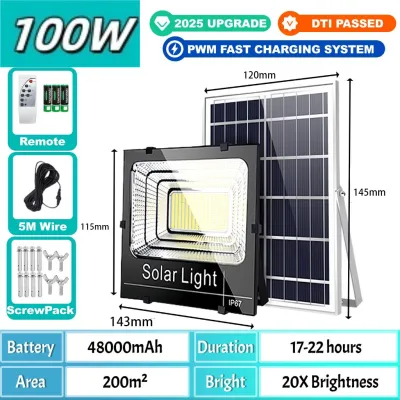
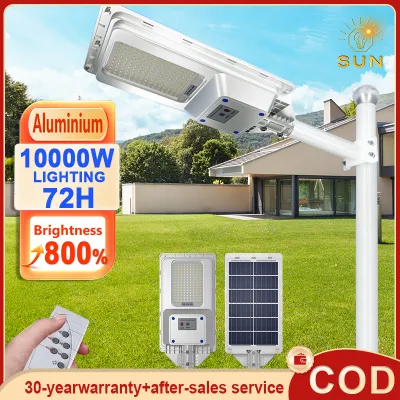
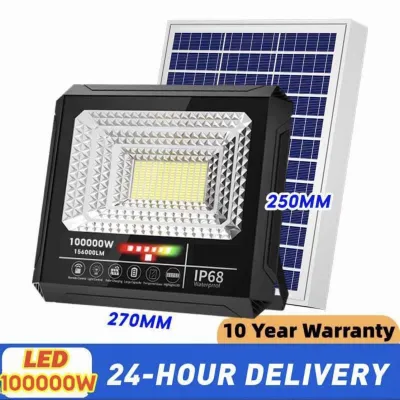
Prices are valid at publication and may change. Please refer to the product page for the latest price.
Material build is equally important when selecting fixtures that can withstand intense UV exposure and high humidity. High-grade ABS plastic with UV-resistant coatings, polycarbonate, and anti-corrosion aluminum are preferred materials for Gengyan solar light housings. Untreated plastics can become brittle and crack under the tropical sun, leading to water leaks that destroy the internal circuitry. When examining a product, check the manufacturer’s material specifications to ensure the housing is rated for high-temperature outdoor exposure.
Brightness and color temperature should be matched to the specific function of each outdoor zone. Brightness is measured in lumens, and you should verify this number on the product label rather than relying on vague descriptions like “super bright.” For ambient mood lighting along garden beds, 50 to 150 lumens is generally sufficient, whereas security floodlights or wall lights require 500 lumens or more. Color temperature is a conditional preference that shapes the spatial effect of your courtyard. Warm white light (2700K to 3000K) creates a cozy, relaxing, resort-like atmosphere, while cool white light (5000K to 6500K) provides high-contrast visibility suitable for security zones and active pathways.
To estimate how long the lights will run, review the solar panel type and battery capacity indicated in the user manual. Monocrystalline solar panels are highly efficient and perform better under partial shade or overcast skies compared to polycrystalline panels. Pair this with the battery capacity, measured in milliampere-hours (mAh). A larger battery capacity allows the fixture to store more energy during the day, ensuring it can power the light throughout the night. Look for lithium-ion (Li-ion) or lithium iron phosphate (LiFePO4) battery specifications, as they offer better thermal stability and longer lifespans in warm climates than older nickel-metal hydride (NiMH) alternatives.
Finally, compare the mounting mechanisms and adjustable features of the Gengyan models you are considering. Ensure the brackets, screws, or ground stakes included in the package are compatible with your existing garden structures. If you plan to mount lights on concrete walls, brick fences, or wooden posts, verify the required dimensions and weight limits to ensure a secure installation that will not sag or detach over time.
Matching Light Form Factors to Garden and Courtyard Zones
Pathways and Walkways
Pathway lighting requires fixtures that deliver low-glare, downward-directed illumination to guide footsteps safely without blinding anyone walking by. When choosing Gengyan solar lights for walkways, evaluate ground-stake models versus low-profile bollards. Ground-stake lights are highly versatile and easy to push into soft soil, grass borders, or garden beds flanking a path. However, if your walkway is paved with concrete, stone, or tiles, low-profile bollards that can be bolted or anchored directly into the hardscape offer a more permanent and stable solution.

To prevent dark spots or overlapping glare, check the beam angle and recommended spacing guidelines on the product label. A wider beam angle allows you to space the fixtures further apart, creating a smooth, continuous wash of light along the path. If the beam angle is narrow, you will need to place the lights closer together. Spacing fixtures too far apart creates a “runway” effect with harsh pools of light separated by pitch-black gaps, which compromises safety.
Physical height is another practical consideration for pathway fixtures. Ensure the selected Gengyan models are tall enough to cast light over low-lying foliage but short enough to remain unobtrusive. If you use lawnmowers, weed trimmers, or have active pets, choose low-profile designs or durable materials that can withstand accidental impacts. Verify that the physical height of the installed fixture does not create a tripping hazard near steps or tight turns.
Walls, Fences, and Perimeters
Perimeter lighting serves both aesthetic and security purposes, highlighting the boundaries of your property while deterring unauthorized entry. Wall-mounted sconces and compact solar floodlights are ideal for these vertical surfaces. Before purchasing, review the manufacturer’s installation instructions to check the required screw spacing, mounting bracket dimensions, and weight limits. This ensures your walls or fences can support the fixtures securely, especially during high winds or tropical storms.
For security-focused perimeter zones, look for Gengyan models equipped with integrated motion sensors. Review the stated motion detection range (usually measured in meters) and the detection angle (such as 120 or 180 degrees). High-quality motion-activated lights often feature adjustable sensitivity and timer settings, allowing you to customize how long the light stays on after detecting movement. This prevents the light from turning on unnecessarily due to passing street traffic or wind-blown tree branches.
Solar panel placement is a common challenge for wall and fence lighting. Because these fixtures are mounted flush against vertical surfaces, the integrated solar panels on top of the light can easily be shaded by roof eaves, gutters, or overhanging trees. To ensure the battery charges fully, verify that the mounting location receives direct sunlight for most of the day. If shading is unavoidable, look for Gengyan models that feature a detachable solar panel connected to the light fixture by a long cable. This allows you to mount the light in a shaded entryway or under an eave while placing the solar panel high up on the roof or fence line where it can capture maximum sunlight.
Decorative and Accent Features
Accent lighting adds depth and drama to your courtyard by drawing attention to specific focal points, such as ornamental trees, water features, statues, or outdoor seating areas. Adjustable solar spotlights are excellent for uplighting trees or architectural details. When selecting these models, verify the tilt range of the light head and the stability of the ground stake. The spotlight must be easy to angle precisely, and the stake must be robust enough to hold the heavy light head in place without drooping over time.
For social spaces like patios, pergolas, or gazebos, solar string lights or hanging lanterns create a warm, inviting ambiance. Check the power source and connection method for these decorative options. Some string lights use a single, larger solar panel that powers the entire strand, which must be positioned in a sunny spot nearby. Ensure the cable length between the solar panel and the first bulb is long enough to reach from your sunny mounting point to the shaded seating area.
Color customization is another feature to consider for decorative zones. Some Gengyan models offer selectable color modes (RGB) or adjustable color temperatures, allowing you to switch between warm white, cool white, or festive colors. Confirm whether the product offers these selectable modes or if it is a fixed-tone fixture. Keep in mind that while colored lighting can be fun for special occasions, classic warm white tones generally provide the most elegant and timeless look for everyday courtyard landscaping.
Site Assessment and Installation Verification
Before installing your selected Gengyan solar lights, conduct a thorough site assessment to ensure your outdoor environment is compatible with solar technology. Walk through your garden during different times of the day to evaluate direct sunlight hours. Solar panels require a minimum of 6 to 8 hours of unshaded, direct sunlight daily to charge the internal batteries fully. Keep in mind that sunlight patterns change between the dry season (amihan) and the wet season (habagat) in the Philippines. A spot that is sunny in April might be completely shaded by trees or neighboring buildings in October.
Next, plan your physical layout carefully to avoid interfering with existing outdoor infrastructure. Before driving stakes into the ground or digging trenches for low-profile bollards, verify the locations of underground electrical wiring, irrigation pipes, and deep-rooted plants. Damaging an underground water line or cutting an active electrical cable can lead to costly repairs and safety hazards.
Once you have purchased your Gengyan solar lights, review the user manual for specific activation and initial charging procedures. Most solar fixtures require an initial charge of 12 to 24 hours in direct sunlight with the power switch turned “off” before their first use. This process helps condition the battery and ensures it reaches its maximum capacity. Additionally, establish a regular maintenance routine. In tropical climates, dust, pollen, and algae can quickly accumulate on solar panels, blocking sunlight and reducing charging efficiency. Wipe the panels clean with a damp, soft cloth at least once a month to maintain optimal performance.
Finally, establish clear safety boundaries for your installation project. While installing stake lights in a garden bed is a simple, low-risk task, other installations may require professional assistance. If your lighting plan involves drilling into structural concrete walls, mounting heavy fixtures at height, or integrating solar components with existing fixed outdoor electrical wiring, stop and consult a qualified professional. Always isolate power sources before working near existing electrical setups, and follow all manufacturer instructions to ensure a safe, durable, and beautiful landscape lighting system.
Frequently Asked Questions (FAQ)
Do solar landscape lights perform well during extended cloudy or rainy periods?
Solar landscape lights experience reduced performance during extended cloudy or rainy periods because the solar panels receive less direct sunlight. Under heavy overcast skies, the solar panel will still generate a small amount of electricity from ambient daylight, but it will not be enough to charge the battery fully. As a result, you will notice that the lights may turn on later, shine less brightly, or run out of power much earlier in the night.
To manage this, check the product manual for low-light charging capabilities or built-in power-saving modes. Some Gengyan models feature intelligent power management systems that automatically dim the light output during consecutive cloudy days to conserve battery power. If you live in an area with prolonged rainy seasons, prioritizing models with larger battery capacities and highly efficient monocrystalline solar panels will help maximize performance during low-light periods.
How do I verify if the built-in battery is user-replaceable?
To verify if the built-in battery in your Gengyan solar light is user-replaceable, consult the product’s user manual and inspect the physical design of the fixture. Look for a dedicated battery compartment cover secured by screws on the underside or back of the light housing. If the manual contains specific instructions on how to open this compartment and replace the battery, the unit is designed for user maintenance. If the housing is completely sealed with glue or ultrasonic welding and warns against opening, the battery is not replaceable, and attempting to open it will ruin the waterproof seal.
When replacing a battery, you must match the exact specifications detailed by the manufacturer. Check the manual for the required battery chemistry (such as LiFePO4 or Li-ion), voltage (typically 3.2V or 3.7V), physical size (such as 18650 or 32650), and the specific connector type. Installing an incompatible battery can damage the internal charging circuitry, create a safety hazard, or void the product warranty.

Community discussion
Share your experience or ask a question. Comments are reviewed before publication.