
Finding a suitable solar table lamp for a compact condo balcony in the Philippines requires balancing space-saving designs with realistic charging capabilities. Because high-rise balconies are often covered or partially shaded, a practical choice is a compact, weather-resistant lamp featuring a warm color temperature and a highly efficient solar panel—ideally one with an alternative USB charging option. By focusing on physical footprint, light diffusion, and battery specifications, you can transform a small outdoor area into a cozy evening retreat without cluttering your limited space.
Assessing Your Condo Balcony's Space and Sunlight Conditions
Before purchasing any outdoor lighting, take precise measurements of your balcony’s available surfaces. Compact condo balconies often feature small coffee tables, narrow side shelves, or wide railing ledges where a lamp might sit. Choosing a fixture with a footprint that leaves ample room for drinks, books, or small potted plants prevents the space from feeling cramped or disorganized.
Sunlight exposure is the most critical factor for any solar-powered device. Spend a day tracking how many hours of direct sunlight hit your balcony floor, walls, and railings. Many condo units feature deep overhangs or face directions that limit direct sun exposure to only a few hours in the morning or afternoon. Understanding these patterns helps you determine whether an integrated solar panel will receive enough light, or if you need a model with a detachable panel.
Products mentioned in this guide
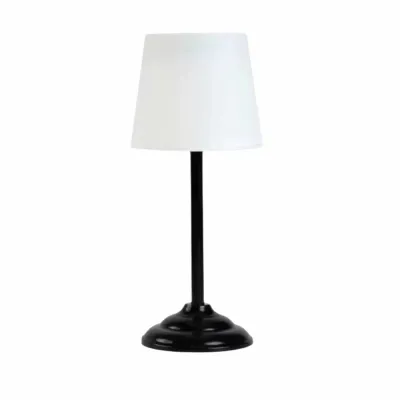
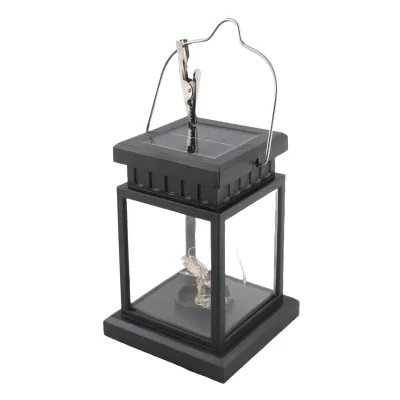
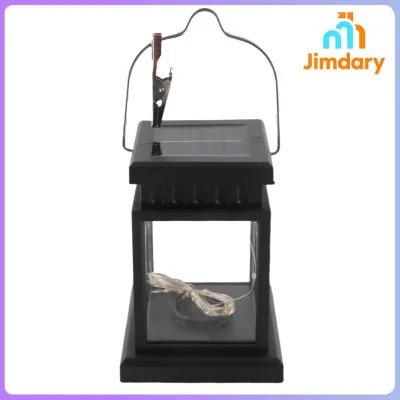
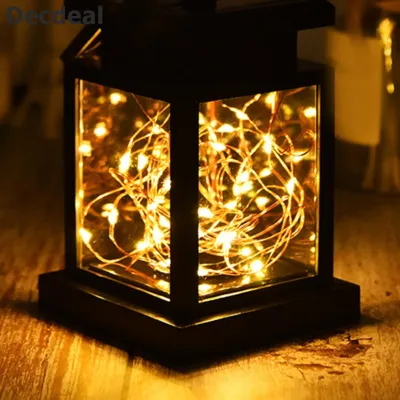
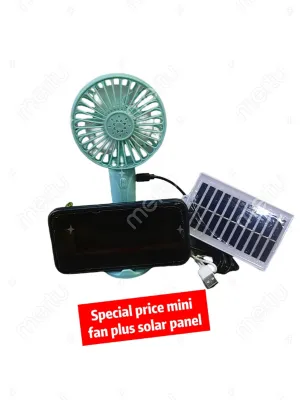
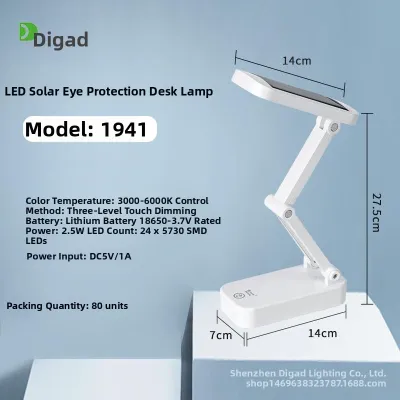
Prices are valid at publication and may change. Please refer to the product page for the latest price.
The tropical climate of the Philippines introduces unique environmental challenges that affect outdoor decor. High humidity, intense afternoon heat, and sudden heavy downpours during the monsoon season can quickly degrade low-quality materials. Additionally, high-rise balconies are often subject to strong wind gusts that can easily tip over lightweight items. Evaluating these local conditions beforehand ensures you select a lamp heavy enough to stay put and durable enough to withstand the elements.
Choosing the Right Brightness and Color Temperature for Ambiance
Creating a relaxing evening atmosphere on a small balcony depends heavily on the quality of light your lamp emits. For a cozy, inviting vibe, look for product labels specifying warm white light, typically ranging from 2700K to 3000K. Cooler light temperatures can feel clinical or harsh in confined spaces, whereas warm tones mimic the gentle glow of candlelight and promote relaxation.

Brightness levels, measured in lumens, should be kept relatively low for small outdoor areas. High-lumen utility lights are excellent for security but will cause uncomfortable glare when placed directly on a table near your seating. Selecting a solar table lamp with a low to moderate lumen output—often between 10 and 100 lumens—provides sufficient illumination for reading or conversation without overwhelming your eyes.
The design of the lamp’s shade plays a vital role in how light is distributed across your balcony. Fixtures with frosted glass, woven rattan, or fabric shades help diffuse the light, spreading a soft glow rather than a harsh, direct beam. Woven or patterned shades can also cast beautiful, decorative shadows on your balcony walls, adding visual texture and depth to a small space.
Evaluating Solar Panel Efficiency and Battery Capacity
To ensure your lamp stays lit throughout the evening, you must evaluate its power collection and storage capabilities. Solar table lamps generally come in two configurations: integrated panels built directly into the top of the lamp, or separate panels connected by a thin wire. Integrated designs are highly portable and neat, but they require you to place the entire lamp in direct sunlight to charge. A separate solar panel offers greater flexibility for shaded or covered balconies, allowing you to mount the panel on a sunny railing while keeping the lamp on a shaded table.
When reviewing product specifications, check the battery capacity, which is usually measured in milliampere-hours (mAh). A higher mAh rating generally indicates a larger energy storage capacity, allowing the lamp to run longer after a full charge. It is also essential to verify the charging interface and voltage requirements, especially if the lamp supports USB backup charging. Ensure any charging cables and adapters match the manufacturer’s specified voltage limits to prevent battery damage or electrical hazards.
Many modern solar lamps feature adjustable brightness settings or dimming functions. Utilizing lower brightness settings not only softens the ambiance but also significantly reduces battery drain, extending the runtime on cloudy days. When shopping, look for models that offer simple button interfaces or touch controls to easily toggle between brightness levels based on your current needs.
Design and Material Considerations for Small Outdoor Spaces
Space is at a premium on a condo balcony, making the physical design of the lamp a key consideration. Prioritize compact, vertical silhouettes that occupy minimal table space, or look for foldable and collapsible designs that can be easily stored when not in use. Lightweight yet stable structures allow you to move the lamp around as you rearrange your outdoor furniture. Always measure your table surface and compare it with the product’s physical dimensions before purchasing to ensure a proper fit.
Material selection directly impacts how well your lamp survives the tropical climate. Look for materials labeled as rust-resistant, such as powder-coated aluminum, stainless steel, or high-grade synthetic resins. If you prefer natural aesthetics like bamboo or wood, ensure the product description specifies a weather-resistant sealant or UV-protective coating to prevent cracking and fading under the intense Philippine sun.
Always verify the Ingress Protection (IP) rating and electrical certifications printed on the product packaging or manual. The IP rating consists of two numbers: the first indicates protection against solid particles like dust, and the second indicates water resistance. For a covered balcony, a minimum rating of IP44 is recommended to protect the internal electronics from splashing water and blowing rain. If your balcony is completely open to the elements, look for higher ratings like IP65 to ensure long-term durability and safety in damp environments.
Maximizing Performance and Lifespan on a Condo Balcony
Proper placement and regular maintenance are essential to keep your solar table lamp functioning efficiently. Position the solar panel in a spot that receives the maximum amount of unobstructed sunlight during the day. Be mindful of moving shadows cast by balcony railings, hanging plants, air conditioning condenser units, or neighboring high-rise buildings, as even partial shading can drastically reduce charging efficiency.
Dust, soot, and pollen can quickly accumulate on the surface of the solar panel, especially in urban areas. This buildup acts as a barrier, blocking sunlight and reducing the panel’s ability to generate power. To maintain optimal charging efficiency, gently wipe the panel clean with a damp, soft microfiber cloth at least once every two weeks, avoiding abrasive cleaners that could scratch the surface.
While outdoor solar lamps are designed to withstand typical weather conditions, extreme events require extra precaution. During typhoons, severe tropical storms, or extended periods of heavy rain, it is highly recommended to bring your solar table lamp indoors. Storing the fixture in a dry, safe place during severe weather prevents physical damage from high winds and protects the internal circuitry from water ingress during torrential downpours.
Frequently Asked Questions (FAQ)
Can solar table lamps charge on a shaded or covered condo balcony?
Standard solar panels require direct sunlight to charge efficiently and may struggle to reach full capacity on deeply shaded or fully covered balconies. If your balcony receives limited direct sun, look for solar table lamps that feature a hybrid charging system. These models include a USB port or a plug-in adapter, allowing you to charge the battery using a standard indoor electrical outlet on cloudy days or during the rainy season, ensuring reliable light whenever you need it.
How do I secure a table lamp on a balcony railing or small table?
To prevent your lamp from tipping over or falling during strong winds, select models designed with weighted bases or non-slip rubber pads on the bottom. If you place the lamp on a narrow railing or shelf, you can use temporary, non-damaging solutions like heavy-duty hook-and-loop straps or outdoor mounting putty to secure it. Avoid permanent modifications or makeshift drilling that could damage your condo’s exterior structure or violate building association guidelines.

Community discussion
Share your experience or ask a question. Comments are reviewed before publication.