
Finding the right bedside lighting is essential when you want to enjoy a book late at night while your partner sleeps peacefully beside you. The ideal Alphalux wall lamp for this scenario is one that offers precise directional control, low-intensity warm light, and an independent switch that you can reach without rolling over. By focusing on fixtures with adjustable swing arms, narrow beam angles, and opaque shades, you can keep the light pooled directly on your pages rather than spilling across the entire mattress.
In the tropical climate of the Philippines, where bedrooms often balance ceiling fans, air conditioning, and open windows, choosing the right wall-mounted fixture also means considering physical stability and material durability. Bedside reading should be a relaxing ritual, not a source of friction or sleep disruption. Selecting the right fixture requires evaluating physical design, light output specifications, and installation placement.
Identifying Light-Control Features That Prevent Sleep Disruption
To keep your late-night reading from waking your partner, the physical structure of the Alphalux wall lamp is your first line of defense. Standard ambient sconces often cast light in all directions, which easily spills over to the other side of the bed. Instead, look for models featuring adjustable swing arms or fully directional heads. These mechanical joints allow you to pull the light source close to your book and angle the beam downward, keeping the illumination highly localized.
Products mentioned in this guide
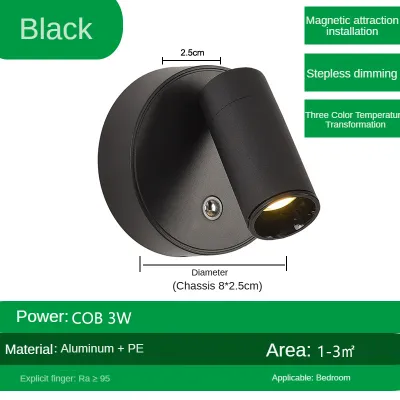
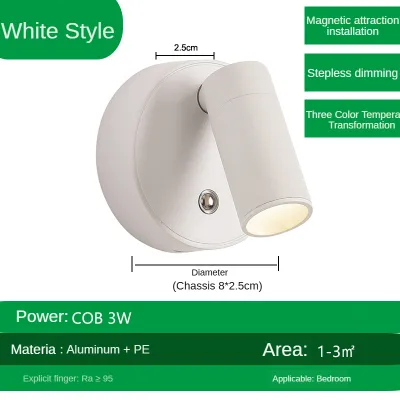
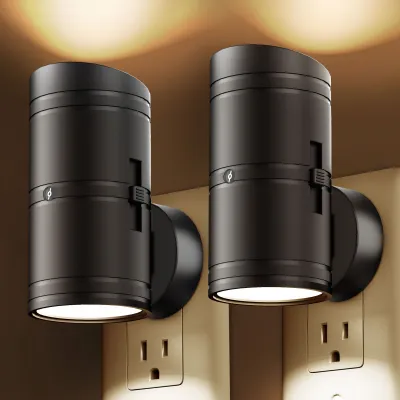
Prices are valid at publication and may change. Please refer to the product page for the latest price.
The design of the lamp shade plays an equally critical role in containing light bleed. Opaque metal, dark-lined fabric, or fully enclosed shades ensure that light only exits through the designated opening. This directional shielding prevents upward and sideways light from scattering across the room. When browsing Alphalux options, prioritize shades that completely cover the sides of the bulb to eliminate peripheral glare.
Conversely, you should avoid open-bulb designs, exposed filaments, or clear-glass sconces for bedside reading. While these styles are popular for rustic or industrial decor, they act as omnidirectional light sources. Without a solid barrier to direct the light, the glare will inevitably reach your partner’s eyes, defeating the purpose of a shared, restful sleeping space.
Matching Brightness and Color Temperature to Nighttime Reading
Beyond the physical shape of the fixture, the characteristics of the light itself dictate how comfortable your reading experience will be. When selecting a bulb for your Alphalux wall lamp, check the product packaging or manual for task-appropriate lumen ranges rather than high ambient output. For close-up reading, a lower lumen output—typically between 200 and 400 lumens—is more than sufficient to illuminate your book without reflecting harsh glare off the pages.

Color temperature is another vital specification to verify before purchasing. Look for warm color temperature indicators on the packaging, ideally ranging from 2700K to 3000K. Warm, yellow-toned light minimizes exposure to harsh blue light, which is known to disrupt sleep cycles by suppressing melatonin production. This soft, warm glow creates a cozy bedroom atmosphere while keeping the light gentle on your eyes and less disruptive to a sleeping partner.
To gain ultimate control over your nighttime environment, confirm the dimmability features of the fixture or its compatibility with dimmable bulbs. A dimmable Alphalux wall lamp allows you to lower the light intensity as the night progresses, matching your eyes’ natural adjustment to the dark. Always verify that your wall switch or integrated control matches the dimming method required by the bulb, whether it is an LED-compatible dimmer or a specialized smart control.
Choosing Independent Switch and Control Mechanisms
Convenience is key when you are ready to drift off to sleep, making the switch mechanism a primary consideration. An ideal bedside fixture should have an independent control that you can operate without stretching, sitting up, or reaching across the bed. Look for Alphalux models that feature integrated touch controls on the base, inline cord switches, or classic pull chains that hang within arm’s reach. These physical controls allow you to turn off the light instantly the moment you feel drowsy.
If you select a hardwired Alphalux wall lamp that lacks an integrated switch, you must plan for a dedicated wall switch. This switch should be installed directly next to your headboard, separate from the main room light switch by the entryway. Having a dedicated switch at your bedside ensures you do not have to get out of bed to turn off the light, keeping your sleep transition smooth and undisturbed.
For fixtures that lack physical bedside switches or are wired to inconvenient locations, smart-home compatibility offers an excellent alternative. By installing a compatible smart bulb or smart switch, you can control your Alphalux wall lamp using a smartphone app or voice commands. This setup allows you to dim the light, set sleep timers, or turn the fixture off completely without moving an inch or making a sound that might wake your partner.
Positioning and Installation Guidelines for Optimal Beam Placement
Even the most directional lamp will fail to protect your partner’s sleep if it is mounted in the wrong position. To achieve optimal beam placement, start by measuring the ideal mounting height relative to your mattress thickness and your seated shoulder level. Generally, the bottom of the lamp shade should sit roughly at shoulder height when you are sitting up against the headboard. This height ensures the light shines directly onto your reading material without casting shadows or shining directly into your eyes.
Next, plan the horizontal distance from the headboard to ensure both comfort and safety. The fixture should be positioned close enough to project a clear beam onto your book, yet far enough to the side to avoid accidental head bumps when you sit up or roll over. In bedrooms utilizing wall fans or experiencing natural tropical breezes, ensure the fixture is mounted securely to prevent any swaying or rattling that could disturb your quiet reading time.
Before beginning any installation, review the electrical box requirements and structural compatibility of your wall. For hardwired installations, always isolate the power at the main circuit breaker before touching any wires. Because working with fixed electrical wiring carries inherent risks of shock or fire, it is highly recommended to consult a qualified electrician to handle the mounting, wiring, and any necessary structural modifications safely.
Frequently Asked Questions (FAQ)
Can I Use a Smart Bulb in a Standard Alphalux Wall Sconce?
Yes, you can install a smart bulb in a standard Alphalux wall sconce, provided you verify a few key specifications first. Always check the fixture’s maximum wattage limit and enclosed-rating restrictions, which are typically printed on a label inside the socket. Because smart bulbs contain internal electronic components, they can generate heat that must dissipate safely. Additionally, measure the physical bulb size and base type (such as E27 or E14) to ensure the smart bulb fits comfortably within the shade without touching the sides.
How Should I Clean the Lamp Shade Without Damaging the Finish?
To maintain the finish of your Alphalux wall lamp, always turn off the fixture and allow the bulb and shade to cool completely before cleaning. In humid tropical environments, dust can easily stick to surfaces, so regular light maintenance is recommended. Use a dry or slightly damp microfiber cloth to gently wipe away dust and fingerprints. Avoid using harsh chemical cleaners, abrasive pads, or excessive moisture, as these can strip protective coatings, cause rust, or damage the electrical components of the lamp.

Community discussion
Share your experience or ask a question. Comments are reviewed before publication.