
Illuminating a garden pathway in the Philippines requires outdoor lighting that can withstand intense tropical heat, high humidity, and heavy seasonal downpours. Oxhead solar lights offer a practical, energy-efficient solution for homeowners looking to brighten walkways without the hassle of extensive electrical trenching or rising utility bills. However, finding the right fixtures for your specific landscape involves more than simply picking the first option available on an online marketplace. To achieve a balanced, safe, and visually appealing outdoor space, you must evaluate how different solar models interact with your garden’s layout, local weather patterns, and physical exposure to the sun.
By focusing on verifiable specifications such as Ingress Protection (IP) ratings, battery capacities, and luminous flux, you can select Oxhead fixtures that deliver reliable illumination night after night. This guide provides a comprehensive framework to help you build your selection criteria, evaluate technical specifications, and implement proper installation and maintenance practices for your garden pathways.
Building Your Selection Criteria for Pathway Lighting
Before browsing through product catalogs, it is essential to establish a clear framework based on the physical characteristics of your garden. Begin by measuring the total length and width of the pathways you intend to illuminate. The dimensions of your walkway directly dictate how many fixtures you will need and how far apart they should be placed. For instance, a narrow winding path bordered by dense foliage requires closely spaced, low-profile lights to prevent tripping hazards, whereas a wide concrete driveway can accommodate taller, more widely spaced bollards.
Products mentioned in this guide
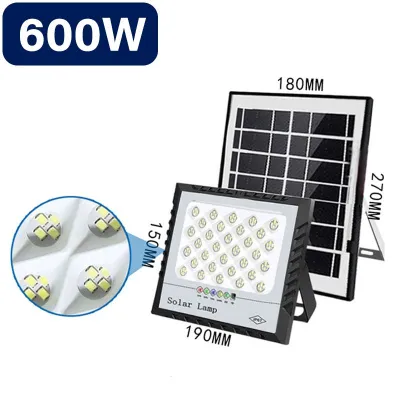
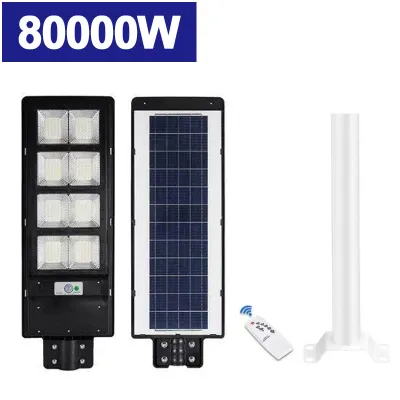
Prices are valid at publication and may change. Please refer to the product page for the latest price.
Standard residential pathways typically benefit from placing light fixtures approximately 1.5 to 2.5 meters apart. This spacing ensures a continuous guide of light without creating an overwhelming glare or a “runway” effect. If your path has sharp turns, steps, or elevation changes, you may need to adjust this spacing to place fixtures directly at these transition points, ensuring maximum safety for anyone walking at night.
Color temperature is another critical factor that shapes the safety and visual character of your outdoor space. Outdoor lighting generally falls into two main categories: warm white (typically 2700K to 3000K) and cool white (5000K to 6500K). Selecting between these is a matter of conditional preference depending on your primary goals. Warm white light mimics traditional halogen bulbs, casting a soft, inviting glow that enhances the natural textures of stone, wood, and garden foliage. This temperature is ideal for creating a relaxing, cozy ambiance in entertainment areas or quiet garden retreats.
Conversely, cool white light provides high-contrast, crisp visibility that makes it easier to spot uneven terrain, steps, or potential security concerns. Homeowners prioritizing safety along dark perimeter walls or steep garden steps often find cool white fixtures more suitable. Some modern solar fixtures offer switchable color temperatures, allowing you to adjust the ambiance based on the season or specific outdoor events.
The local climate in the Philippines introduces unique environmental challenges that must guide your selection. Tropical regions experience prolonged periods of intense ultraviolet (UV) radiation during the dry season, followed by months of heavy monsoon rains and high humidity. These conditions can rapidly degrade low-quality plastics, causing them to become brittle, yellow, or crack over time. When evaluating Oxhead solar lights, look for materials designed to resist UV degradation, such as high-grade ABS plastics, polycarbonate, or powder-coated aluminum.
Additionally, high humidity can lead to internal condensation, which corrodes delicate electronic circuits and shortens the lifespan of the light. Choosing fixtures built to seal out moisture ensures your investment survives the transition from the dry summer months to the wet typhoon season. Investing in durable materials upfront reduces the frequency of replacements and maintains the aesthetic appeal of your garden.
Evaluating Core Specifications and Performance Labels
To ensure your selected Oxhead solar lights perform reliably in an outdoor environment, you must learn to interpret the technical specifications listed on the product packaging or user manuals. The most critical indicator of environmental durability is the Ingress Protection (IP) rating. This rating consists of two digits: the first represents protection against solid particles like dust, and the second represents protection against liquids. For garden pathway lights exposed to rain and lawn sprinklers, an IP65 rating is generally the baseline standard, meaning the fixture is dust-tight and protected against water jets from any angle.

If your garden is prone to localized pooling or minor flooding during heavy downpours, look for fixtures with an IP67 rating, which certifies that the light can withstand temporary submersion in water. Avoid using fixtures rated below IP44 for completely exposed outdoor pathways, as they may fail during severe tropical storms. Checking these ratings before purchase prevents premature electrical failure.
Beyond weatherproofing, you must verify the electrical safety and manufacturing standards of the fixtures. Look for recognized certification marks on the product labels, such as CE or RoHS compliance, which indicate that the product meets international safety and environmental standards. Because solar lights operate on low-voltage direct current (DC) supplied by internal batteries, they are inherently safer than high-voltage alternating current (AC) systems. However, verifying these certifications still provides peace of mind regarding the quality of the internal wiring, solder joints, and battery management systems.
The performance of any solar light depends heavily on the efficiency of its solar panel and the capacity of its internal battery. Solar panels are typically made of either monocrystalline or polycrystalline silicon. Monocrystalline panels are generally more efficient, meaning they can convert a higher percentage of sunlight into usable electricity, which is particularly beneficial during overcast or rainy days in the Philippines. When checking the battery specifications, look for the capacity labeled in milliampere-hours (mAh) and the battery chemistry.
Lithium Iron Phosphate (LiFePO4) and Lithium-ion (Li-ion) batteries are highly preferred over older Nickel-Cadmium (NiCd) or Nickel-Metal Hydride (NiMH) alternatives. They offer higher energy density, tolerate tropical heat better, and endure significantly more charge-discharge cycles before degrading. A robust battery capacity ensures that the light can store enough energy during the day to remain illuminated throughout the night, even after a partially cloudy afternoon.
Understanding brightness levels requires looking at the lumen (lm) output rather than the wattage. In traditional grid-tied lighting, wattage was commonly used to estimate brightness, but in solar-powered LED systems, wattage merely indicates power consumption or panel capacity. Luminous flux, measured in lumens, tells you exactly how much visible light the fixture emits. For subtle decorative accent lighting along a flower bed, a rating of 10 to 30 lumens is usually sufficient.
If your goal is to clearly illuminate the walking surface of a dark pathway for safety, aim for fixtures that produce 50 to 100 lumens. Matching the lumen output to your specific functional needs prevents you from purchasing lights that are either too dim to be useful or so bright that they cause uncomfortable glare. When exploring options for Oxhead PH solar lights, understanding how to evaluate these specifications ensures you select a model that balances brightness with battery longevity.
Finally, pay close attention to the physical dimensions of the fixtures. A light that looks perfectly proportioned in an online listing may turn out to be too short once installed in your garden. Measure the height of the light post or stake relative to the surrounding vegetation. If your pathway is lined with low-growing ground cover, short stake lights will work well. However, if you have taller shrubs, ferns, or ornamental grasses, you will need taller bollards or post-mounted lights to ensure the foliage does not block the light output or cast long, obstructive shadows across the walking path.
Strategic Placement and Installation Guidelines
Proper placement is the single most important factor determining whether your solar lights will function throughout the night. Solar panels require direct, unobstructed sunlight to charge their internal batteries fully. When planning your layout, walk through your garden during the middle of the day to identify areas that receive full sun exposure. Avoid placing fixtures directly under dense tree canopies, wide roof eaves, or next to tall walls that cast long shadows. Even partial shade for a few hours in the afternoon can drastically reduce the battery’s charge, resulting in lights that turn off prematurely or appear dim shortly after sunset.
When positioning the lights along the pathway, aim for a balanced layout that guides the eye naturally. Rather than placing the fixtures in a perfectly straight, symmetrical line—which can mimic a commercial runway—consider staggering them on alternating sides of the path. This staggered arrangement creates a softer, more organic visual flow and provides balanced illumination across the entire width of the walkway. Ensure that the outer edges of each light pool touch or slightly overlap, eliminating dark patches where steps, roots, or stones might hide.
The physical installation process must be handled with care to avoid damaging the fixtures or your property. Most pathway lights utilize plastic or metal ground stakes. In many parts of the Philippines, the soil can become incredibly hard and compacted during the dry season, or clay-heavy and sticky during the wet season. Never attempt to force, push, or hammer a plastic stake directly into hard ground, as this will almost certainly crack or shatter the stake.
Instead, use a garden trowel or a metal rod to dig a small pilot hole, or thoroughly water the area beforehand to soften the soil. Once the soil is loose, insert the stake gently, pack the earth firmly around the base to ensure stability, and then attach the light housing to the top. This careful approach protects the structural integrity of the stake and ensures the light remains perfectly vertical.
While solar lights are generally safe DIY projects, certain installation environments require strict safety boundaries. If you are installing hybrid solar fixtures that feature an optional backup connection to your home’s fixed 220V electrical wiring, you must prioritize safety. Always isolate the power supply at the main circuit breaker before handling any electrical connections. Ensure all outdoor wiring is rated for wet environments, run through protective conduits, and buried at the legally required depth. If you are uncomfortable working with fixed electrical wiring, or if your installation requires working at heights or near water features, always consult a qualified professional electrician to complete the job safely.
Routine Maintenance and Long-Term Care
To maximize the lifespan and maintain the brightness of your Oxhead solar lights, a simple routine maintenance schedule is highly recommended. Over time, outdoor solar panels accumulate a layer of dust, pollen, bird droppings, and general environmental grime. In coastal regions of the Philippines, salt residue can also build up on the glass surface. This debris acts as a barrier, blocking sunlight from reaching the photovoltaic cells and reducing charging efficiency.
To clean the panels, wipe them gently with a soft microfiber cloth dampened with clean water and a mild, non-abrasive soap. Avoid using harsh chemical solvents, steel wool, or abrasive scrubbing pads, as these can scratch the protective coating on the panel, permanently reducing its ability to absorb sunlight. A quick cleaning once a month is usually sufficient to keep the charging system operating at peak efficiency.
Regularly inspect the battery compartment to ensure the internal components remain dry and free from corrosion. High humidity and temperature fluctuations can sometimes cause moisture to seep past seals over several years of use. If you notice a significant drop in the runtime of your lights—such as turning off after only one or two hours of operation—and you have verified that the solar panel is clean and receiving full sunlight, the battery may need to be replaced.
Open the battery compartment according to the manufacturer’s instructions, check for any white powdery corrosion on the terminals, and clean it off gently with a dry cotton swab if necessary. When replacing batteries, always match the specifications of the original battery exactly to prevent damage to the internal circuitry.
Extreme weather events require proactive care to protect your lighting investment. The Philippines is regularly subjected to severe tropical storms and typhoons that bring high winds and torrential rains. While high-quality Oxhead lights are designed to handle standard rainfall, extreme winds can throw heavy debris, and severe storms can cause deep, prolonged flooding that exceeds the limits of an IP65 rating.
Prior to the arrival of a major storm, it is highly advisable to temporarily pull up stake-mounted solar lights and store them safely indoors. This simple step prevents physical damage from falling branches and ensures your lights remain functional once the weather clears. For larger, permanently mounted post lights, ensure all mounting bolts are securely tightened before the storm season begins.
Frequently Asked Questions (FAQ)
Do solar pathway lights work during the rainy season?
Yes, solar pathway lights continue to function during the rainy season, but their performance will vary depending on the weather. Solar panels do not require hot, sunny weather to charge; they rely on light energy, which can still penetrate overcast skies. However, because cloud cover reduces the intensity of the light reaching the panel, the charging rate will be significantly lower than on a clear, sunny day.
To ensure consistent performance during the monsoon months, look for fixtures equipped with highly efficient monocrystalline solar panels and larger battery capacities. These components are better at capturing limited light and storing enough reserve energy to keep the lights illuminated, even if for a shorter duration than during the dry season.
Can I replace the batteries in my solar lights?
Whether you can replace the batteries depends entirely on the design of your specific Oxhead solar light model. Many outdoor solar fixtures are designed with user-replaceable batteries accessible via a small compartment secured by screws on the underside of the light head. When replacing these batteries, it is critical to consult the product manual to identify the exact battery type, voltage, and chemistry required.
Replacing a Lithium Iron Phosphate (LiFePO4) battery with a standard Nickel-Metal Hydride (NiMH) battery, or vice versa, can damage the internal charging circuitry and create a safety hazard. If the fixture is a sealed unit with no visible battery compartment, attempting to force it open may compromise its water-resistant seals; in such cases, the entire unit should be replaced once the battery reaches the end of its natural lifespan.

Community discussion
Share your experience or ask a question. Comments are reviewed before publication.