
Decorating your home with star-shaped Christmas lights is a cherished holiday tradition in the Philippines, bringing warmth and festive cheer to neighborhoods. However, the outdoor tropical environment presents unique challenges, including sudden torrential downpours, high humidity, and intense heat. Selecting the right waterproof star design Christmas lights requires careful attention to technical specifications, safety certifications, and material durability to ensure your display remains safe and beautiful throughout the holiday season.
To find the best outdoor star lights for your home, you must look beyond aesthetics and focus on verifiable product standards. This guide provides a comprehensive framework for evaluating waterproof ratings, electrical compatibility, installation safety, and long-term maintenance, helping you make an informed decision that protects both your family and your investment.
Key Selection Criteria for Outdoor Star-Shaped Lights
When planning an outdoor holiday display, the primary consideration must be how well the lights can withstand the elements. The Philippine climate is characterized by high relative humidity, strong solar radiation, and frequent rainfall, all of which can rapidly degrade substandard electrical components. Establishing clear evaluation standards before purchasing ensures that your decorative setup remains functional and hazard-free.
Products mentioned in this guide
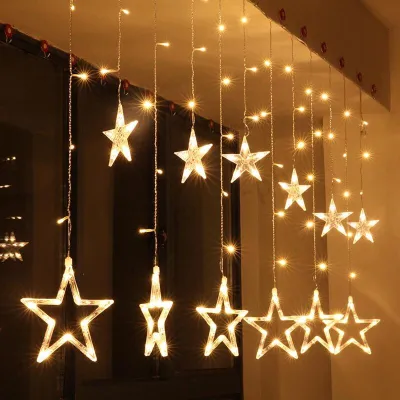
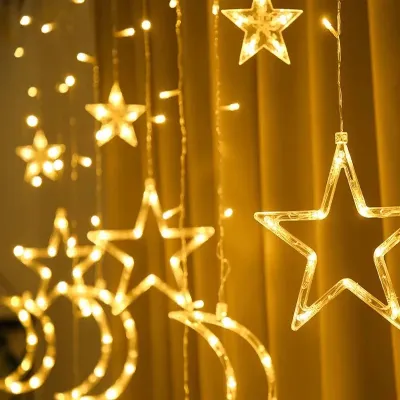
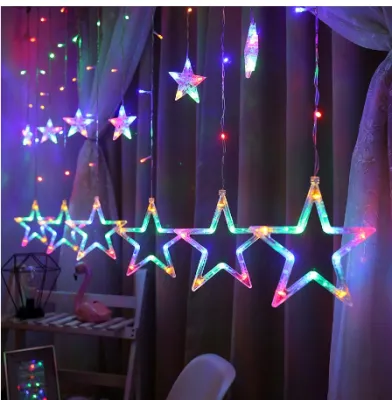
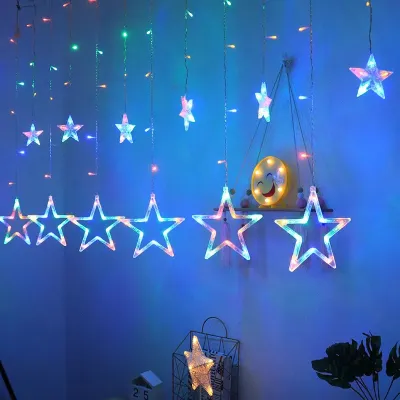
Prices are valid at publication and may change. Please refer to the product page for the latest price.
The first technical specification to verify is the Ingress Protection (IP) rating, which defines the light fixture’s resistance to moisture and solid particles. For fully exposed outdoor areas, such as garden trees or open lawns, look for products rated IP65 or higher. If the lights will be installed under the protective cover of roof eaves or a veranda, an IP44 rating may suffice, though higher protection is always preferable for outdoor longevity.
Electrical safety is another critical factor that requires strict verification. The standard residential voltage in the Philippines is 220V at a frequency of 60Hz. You must ensure that any plug-in star lights you purchase are rated specifically for this voltage to prevent overheating, short circuits, or premature bulb failure. Additionally, verify that the plug type matches your outdoor outlets, which typically accommodate flat two-pin (Type A) or three-pin (Type B) plugs.
Material weather resistance extends beyond the light bulbs themselves to the cables and structural frames. Outdoor star lights often feature plastic or metal frames to hold their shape; these frames must be constructed from rust-proof materials or treated with corrosion-resistant coatings to withstand the humid air. The wiring insulation should be thick, flexible, and UV-resistant, as prolonged exposure to intense tropical sunlight can cause cheap plastic insulation to crack, exposing live wires to moisture.
Understanding Waterproof Ratings and Safety Certifications
Navigating product packaging and online listings requires a critical eye, as many products are marketed as “waterproof” without meeting actual safety standards. Understanding what IP ratings mean in practice allows you to match the product’s capabilities to its intended location. An IP44 rating indicates protection against splashing water from any direction, making it suitable for damp environments but vulnerable to direct, heavy downpours.

For true peace of mind in open-air installations, IP65-rated lights offer complete protection against dust ingress and low-pressure water jets from any angle. If you plan to install star lights in areas prone to temporary pooling or severe wind-driven rain, seeking IP67-rated options provides protection against temporary immersion. Always check the product label or manufacturer specification sheet to confirm these ratings rather than relying solely on promotional text.
In the Philippines, legitimate electrical products should carry safety certification marks that indicate compliance with national or international standards. Look for the Philippine Standard (PS) quality mark or the Import Commodity Clearance (ICC) sticker on the packaging or cable tag. For imported goods, reputable international certifications such as CE, RoHS, or UL listed marks provide additional assurance that the product has undergone rigorous safety testing.
Be highly vigilant against common deceptive practices in false waterproof advertising. Some manufacturers label an entire string of lights as waterproof when, in reality, only the LED bulbs are protected, leaving the controller box, plug, and end-to-end connectors vulnerable to water entry. If you observe exposed wiring, flimsy plastic controller housings without rubber gaskets, or a lack of clear technical specifications on the packaging, it is best to stop the purchase immediately and select a more reliable alternative.
Installation Environments and Power Setup Planning
A successful outdoor lighting display depends heavily on thorough spatial planning and safe power routing. Before purchasing your star lights, measure the dimensions of your intended installation areas, such as the length of your roof eaves, the height of courtyard trees, or the span of your exterior walls. This ensures you buy strings with adequate lighted length and, equally importantly, sufficient lead wire length to reach your power source without stretching the cables.
Power access is the most critical safety link in any outdoor electrical setup. Ideally, your home should be equipped with dedicated outdoor weather-resistant outlets featuring Ground Fault Circuit Interrupter (GFCI) protection, which automatically cuts power if a current leak is detected. If you must use extension cords, ensure they are specifically rated for outdoor use, featuring heavy-duty insulation and integrated waterproof covers for the connection points.
Keep all electrical connections elevated off the ground to prevent contact with pooling water during heavy rains. You can use specialized plastic safety covers or wrap connections in heavy-duty electrical tape as an added precaution, though these measures do not replace the need for inherently waterproof connectors. Avoid overloading a single circuit by calculating the total wattage of your connected light strings and ensuring it remains well below the rated capacity of your outlet and circuit breaker.
While many homeowners can safely install low-voltage or solar-powered star lights, certain scenarios demand professional assistance. If your design involves complex fixed wiring, tapping directly into your home’s main electrical panel, or installing heavy suspended star frames at significant heights, you should hire a qualified electrician. Working at height on ladders or roofs carries inherent safety risks, and professional installers have the proper safety harnesses, tools, and expertise to secure the fixtures against strong winds.
Building Your Shortlist: Features to Compare
To systematically evaluate your options, compile a comparison checklist of the key features that align with your budget, installation site, and aesthetic preferences. Using a structured framework helps prevent emotional purchasing decisions based on visual appeal alone. Focus on the technical specifications that guarantee long-term performance in outdoor conditions.
| Comparison Dimension | Plug-In Star Lights | Solar-Powered Star Lights | Low-Voltage (12V/24V) Lights |
|---|---|---|---|
| IP Rating Requirement | Minimum IP44 (under eaves); IP65 preferred | Minimum IP65 for outdoor panel and lights | Minimum IP65 for outdoor exposure |
| Power Source | 220V AC mains outlet | Integrated solar panel and rechargeable battery | Step-down transformer plugged into 220V |
| Installation Flexibility | Limited by proximity to power outlets | High; can be placed anywhere with sunlight | Moderate; requires routing to transformer |
| Brightness & Stability | High, consistent brightness | Variable; depends on daily sunlight exposure | High, consistent, and safer low-voltage lines |
| Best Suited For | Large, permanent eave and wall displays | Garden paths, trees, and remote outdoor areas | High-traffic areas, low-height garden displays |
When deciding between solar-powered and plug-in options, consider the microclimate of your specific yard. Solar lights offer excellent energy savings and eliminate the need for complex outdoor wiring, making them highly convenient for sunny garden spots. However, if your outdoor space is heavily shaded by trees or adjacent buildings, or if you expect prolonged overcast weather during the monsoon season, plug-in or low-voltage systems will provide much more reliable and consistent illumination.
Regardless of the power source or design you choose, always read the product manual thoroughly before installation. The manual contains critical operational limits, such as the maximum number of light strings that can be safely connected end-to-end, and specific maintenance requirements. Adhering to these manufacturer guidelines is essential to preserve the product warranty and prevent electrical hazards.
Maintenance and Storage for Longevity
The longevity of your outdoor star lights depends greatly on how they are handled after the holiday season ends. When it is time to dismantle your display, always begin by isolating the power source. Unplug the lights from the wall outlet or turn off the dedicated circuit breaker before attempting to touch or remove any cables, especially if the area is damp or if you are working on a ladder.
Carefully untangle and remove the light strings from their mounting hooks or tree branches, avoiding any sudden pulling motions that could strain the internal copper wiring or damage the waterproof seals around the LED bulbs. Once down, inspect the cables for any signs of wear, such as cracked insulation, exposed wires, or loose bulb housings. If you find significant damage to the electrical conductors, discard the string to avoid safety risks in the future.
Before packing the lights away, clean them gently to remove accumulated dust, dirt, and salt residue, which can accelerate corrosion. Use a soft, slightly damp cloth to wipe down the cables and star frames, avoiding any harsh chemical solvents or abrasive cleaning pads that could degrade the plastic or protective coatings. Never use high-pressure water jets or submerge non-fully-submersible components in water, as this can force moisture past the rubber seals.
Allow the lights to dry completely in a well-ventilated, shaded area before storing them. Moisture trapped inside storage containers can lead to mold growth, rust on metal connectors, and eventual electrical failure when the lights are plugged in next year. Store the dry lights in a cool, dark, and pest-free environment, preferably inside airtight plastic bins with silica gel packets to absorb any residual humidity, ensuring they remain in optimal condition for many holiday seasons to come.
Frequently Asked Questions (FAQ)
Can I leave outdoor star lights plugged in during heavy rain?
Whether you can leave your lights plugged in depends entirely on their IP rating and the severity of the weather. While IP65-rated star lights are designed to withstand heavy rain showers, extreme weather events such as tropical storms, typhoons, or localized flooding present severe electrical hazards. During these intense weather conditions, or if there is a risk of water rising near your outlets and connections, you must proactively disconnect the power supply to prevent short circuits, electrical fires, or damage to your home’s electrical system.
Are solar-powered star lights reliable for outdoor spaces in the Philippines?
Solar-powered star lights are highly practical and energy-efficient, but their reliability fluctuates with seasonal weather patterns. During the sunny dry season, they perform exceptionally well, charging fully during the day to provide bright illumination throughout the evening. However, during the rainy and monsoon seasons, prolonged overcast skies will limit the solar panel’s ability to charge the internal battery fully, resulting in significantly dimmer light output and shorter operating times at night.
How do I safely extend the power cord for outdoor Christmas lights?
To safely extend your power source, you must use heavy-duty extension cords specifically rated and labeled for outdoor use. Ensure all connection points between the light strings and the extension cord are housed inside specialized waterproof connection boxes or elevated off the ground to prevent contact with moisture. Never daisy-chain multiple indoor-rated extension cords together, and always verify that the total electrical load of your lights does not exceed the maximum wattage rating of the extension cord or the wall outlet.

Community discussion
Share your experience or ask a question. Comments are reviewed before publication.