
Selecting the ideal lighting for a condominium with limited vertical clearance requires a balance of compact design and efficient performance. In the Philippines, where typical condo unit ceilings range from 2.4 to 2.6 meters, traditional hanging fixtures or deep recessed cans can make a room feel cramped and restrict headroom. Slim pin lights—specifically ultra-thin LED downlights with a profile of less than 2 centimeters—offer an elegant solution. These fixtures sit flush against the ceiling surface or within shallow drywall plenums, maximizing vertical space while delivering uniform illumination.
To find the right slim pin lights for your condo, you must look beyond basic aesthetics. The selection process involves verifying physical dimensions, thermal management capabilities, electrical compatibility, and light distribution patterns. By focusing on these technical specifications, you can ensure a safe, durable, and visually comfortable installation that enhances your living space.
Understanding Low-Ceiling Lighting Constraints
Low-ceiling condo units present unique spatial and environmental challenges that directly influence lighting performance. When vertical clearance is limited, every centimeter of ceiling space matters. Installing bulky, protruding fixtures reduces the physical headroom and creates a heavy visual weight, making rooms feel smaller and more enclosed than they actually are. Slim pin lights resolve this by maintaining a flat, uninterrupted ceiling plane, which visually expands the room.
Products mentioned in this guide
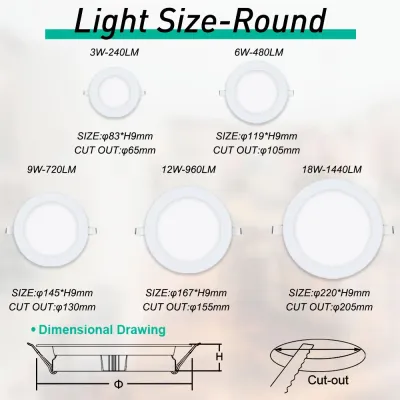
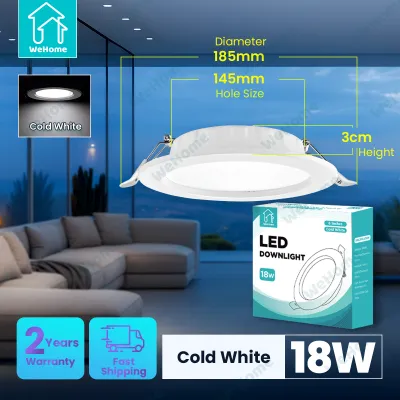
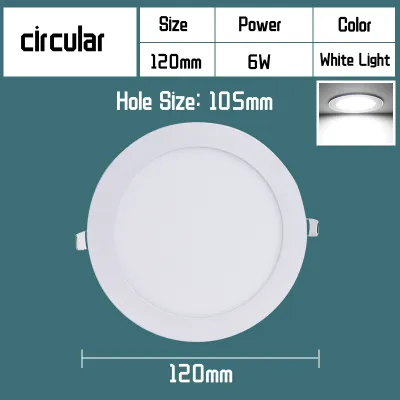
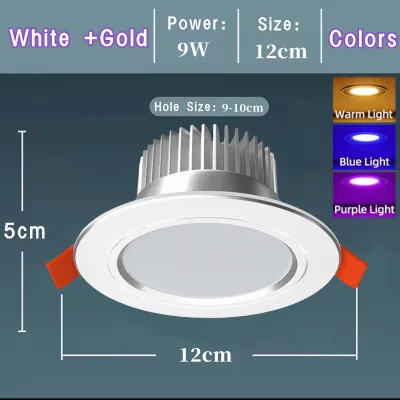
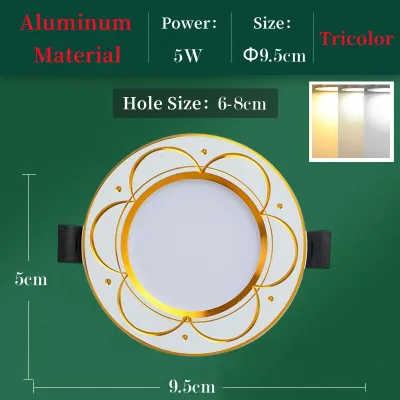
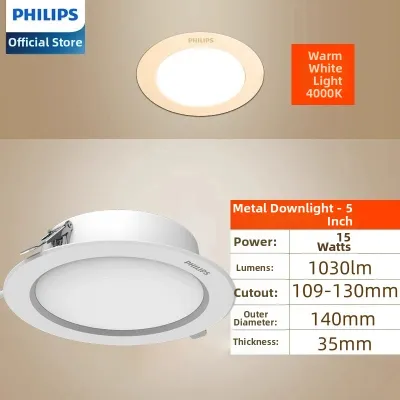
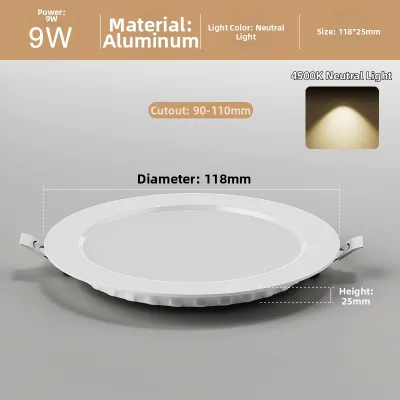
Prices are valid at publication and may change. Please refer to the product page for the latest price.
Another critical constraint is heat dissipation within shallow ceiling cavities. In many Philippine condos, gypsum board false ceilings are suspended just a few centimeters below the concrete slab to hide utility pipes and electrical conduits. This tight plenum space limits airflow. LED fixtures, while highly efficient, still generate heat at their junctions. Without adequate space for heat to escape, high ambient temperatures and tropical humidity can accelerate driver degradation and shorten the lifespan of the light. Choosing fixtures with robust aluminum heat sinks or external drivers is essential to mitigate these thermal risks.
Light distribution also becomes a challenge when the light source is closer to eye level. Standard deep-recessed spotlights can create a “cave effect,” where light is focused in narrow cones on the floor, leaving the upper walls and corners in shadow. Conversely, wide-beam lights installed in low ceilings can cause direct glare if the light source is not properly diffused. Achieving balanced ambient lighting requires selecting fixtures that distribute light evenly across the horizontal plane without creating harsh, uncomfortable hotspots.
Key Specifications to Check on Product Labels
When browsing options on e-commerce platforms or at local hardware stores, reading the technical specifications on the product label is your first line of defense against buying incompatible fixtures. Do not rely solely on marketing terms like “ultra-thin” or “super slim.” Instead, look for the precise physical measurements of the fixture’s housing depth. True slim pin lights typically feature a thickness of 1.5 to 2.5 centimeters, allowing them to fit comfortably within standard double-gypsum or thin-frame suspended ceilings.

Lumen output and wattage ratings must be carefully balanced to ensure adequate brightness without overloading your circuits or creating excessive heat. For general ambient lighting in a low-ceiling condo, a light output of 400 to 800 lumens per fixture is generally sufficient. Look for luminous efficacy ratings—expressed in lumens per watt (lm/W)—to identify energy-efficient models. A higher efficacy means the fixture produces more light while consuming less power, which translates to lower heat generation in tight ceiling spaces.
Color temperature, measured in Kelvin (K), dictates the mood and functionality of each zone in your condo. Warm white (2700K to 3000K) is highly suited for bedrooms and living areas where a cozy, relaxing atmosphere is preferred. Neutral white (4000K) offers a balanced, natural light that works well in study areas, home offices, and dining spaces. Cool white or daylight (6000K to 6500K) provides high contrast and visibility, making it ideal for kitchens, utility areas, and bathrooms where task performance is the priority.
The beam angle and diffuser material determine how the light is dispersed across your room. For low ceilings, a wide beam angle of 90 to 120 degrees is recommended to ensure broad coverage and minimize dark spots between fixtures. Additionally, check for high-quality polycarbonate or frosted glass diffusers. These materials soften the light output, reducing direct glare and preventing the harsh, pixelated shadows often associated with exposed LED chips.
Verifying Electrical Compatibility and Installation Limits
Before purchasing any slim pin lights, you must verify that your condo’s ceiling structure and electrical system can support them. Start by measuring the existing cutout diameter if you are replacing older fixtures. Standard cutout sizes for residential pin lights typically range from 7.5 centimeters (3 inches) to 15 centimeters (6 inches). If you are planning a new layout, ensure there is sufficient clearance behind the drywall to accommodate the fixture’s spring clips and electrical connections without striking metal joists or concrete beams.
Electrical compatibility is another critical factor. The standard residential voltage in the Philippines is 220V at 60Hz. Ensure that the integrated or external LED drivers supplied with the pin lights are rated for this specific voltage range. Using fixtures designed for 110V systems without a step-down transformer will cause immediate and irreversible damage to the electronics. Additionally, verify whether the driver is dimmable if you plan to connect the lights to a dimmer switch, as non-dimmable drivers will flicker, buzz, or fail prematurely when dimmed.
Fire safety clearances must not be overlooked, especially if your ceiling cavity contains thermal or acoustic insulation. While slim LED pin lights run cooler than halogen or incandescent alternatives, they still require a small clearance zone to prevent heat buildup. Check the manufacturer’s instructions to see if the fixture is rated for direct contact with insulation (IC-rated) or if it requires a specific air gap. In most concrete-slab condos with shallow false ceilings, maintaining a clear space around the fixture’s driver is the best practice to prevent overheating.
Finally, recognize the boundaries of safe installation. While swapping an existing, identical flush-mount fixture can often be done as a simple DIY task after isolating the power at the breaker, complex installations are different. Cutting new holes in gypsum board, running new electrical conduits, or modifying concrete slabs requires specialized tools and knowledge. For any work involving fixed wiring, damp environments like bathrooms, or working at heights, always isolate the main power supply and consult a qualified professional or licensed electrician to ensure compliance with the Philippine Electrical Code.
Building a Conditional Shortlist for Your Condo
Creating a reliable shortlist of slim pin lights involves cross-referencing product specifications with your specific condo layout and budget. Start by listing the physical constraints of each room, including the exact ceiling height, plenum depth, and moisture exposure. For instance, bathrooms and kitchen sink areas require fixtures with an Ingress Protection (IP) rating of at least IP44 to protect against moisture and splashes, whereas living rooms can safely use standard IP20-rated fixtures.
When evaluating brands and models on online marketplaces, look for verified compliance with local safety standards. In the Philippines, electrical products should ideally carry the Philippine Standard (PS) quality mark or the Import Commodity Clearance (ICC) sticker. These certifications indicate that the product has undergone safety testing for voltage stability, insulation resistance, and fire hazards. Avoid unbranded, exceptionally cheap fixtures that lack these safety markings, as they often use low-quality drivers prone to overheating or premature failure.
Driver quality is the single most important factor determining the lifespan of an LED pin light. High-quality drivers feature built-in surge protection to withstand the voltage fluctuations common in local power grids. They also provide flicker-free operation, which prevents eye strain and headaches during prolonged use. Check user reviews and manufacturer specifications for mentions of “flicker-free” technology or high power factors (PF > 0.9), which indicate a more stable and efficient electrical design.
Organize your final selections into a comparison matrix based on your budget. Prices for reliable slim pin lights in the local market typically range from ₱150 to ₱800 per unit, depending on the wattage, brand reputation, and smart features. Allocate a larger portion of your budget to high-use areas like the living room and kitchen, where driver durability and color rendering index (CRI) are most critical. For secondary areas like hallways or storage closets, more basic, cost-effective models may suffice.
Frequently Asked Questions (FAQ)
Can I install recessed slim pin lights in a concrete condo ceiling?
Recessed slim pin lights cannot be installed directly into a solid concrete slab ceiling without a false ceiling or drywall plenum. Concrete slabs are structural elements of the building, and drilling deep recesses into them is unsafe and typically prohibited by condo administration policies. If your condo has bare concrete ceilings, you must either construct a shallow gypsum board drop ceiling to house the recessed fixtures or opt for ultra-thin surface-mounted pin lights. Surface-mounted models screw directly onto the concrete surface and require only a tiny hole for the electrical wiring, preserving the structural integrity of the slab.
How do I prevent glare with low-profile ceiling lights?
To prevent glare in rooms with low clearance, avoid fixtures with completely flat, exposed LED covers that sit flush with the ceiling plane. Instead, look for slim pin lights that feature a slightly recessed light source or a deep-set bezel, which helps shield the light from direct sightlines. Selecting fixtures with frosted, milky, or prismatic diffusers also helps scatter the light more evenly. Additionally, position your pin lights away from areas where you sit or lie down directly beneath them, such as directly over a bed or a sofa, and utilize dimmable drivers to adjust the brightness levels as needed.

Community discussion
Share your experience or ask a question. Comments are reviewed before publication.