
Transforming your outdoor space into an enchanting evening retreat relies heavily on selecting the right decorative accents. In the Philippines, where tropical gardens thrive year-round, solar flower lights offer an effortless way to illuminate pathways, highlight flower beds, and add a whimsical touch to your landscape without increasing your electricity bill. These self-contained fixtures harness the abundant daily sunshine to power delicate, glowing replicas of lilies, roses, sunflowers, and dandelions once dusk falls.
Choosing the best solar flower lights requires looking beyond mere visual appeal. Because these fixtures must endure intense tropical heat, heavy monsoon downpours, and high humidity, understanding their internal components and construction is essential. By focusing on durable materials, efficient solar panels, and robust weatherproofing, you can select decorative lighting that remains vibrant and functional season after season.
Key Selection Criteria for Solar Flower Lights
To find solar flower lights that truly last, you must evaluate the individual components that drive their performance. The heart of any solar fixture is its solar panel, which converts sunlight into electrical energy. Most decorative garden lights utilize either monocrystalline or polycrystalline silicon panels. Monocrystalline panels, recognizable by their dark, uniform appearance, offer the highest energy conversion efficiency, making them ideal for capturing sufficient energy even on partially cloudy days. Polycrystalline panels are more common in budget-friendly options; while slightly less efficient, they perform adequately in areas that receive unobstructed, direct sunlight for most of the day.
Products mentioned in this guide
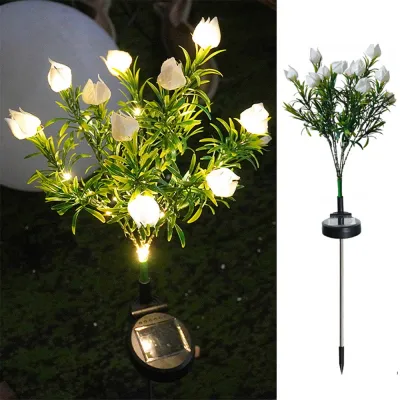
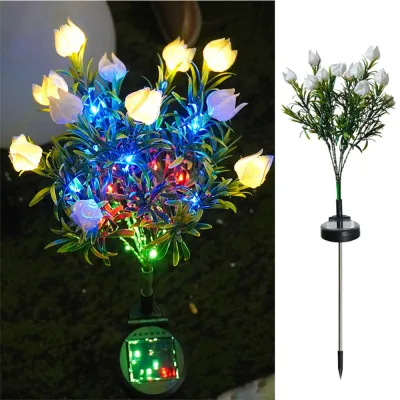
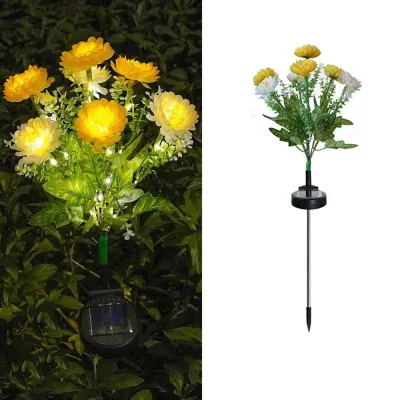
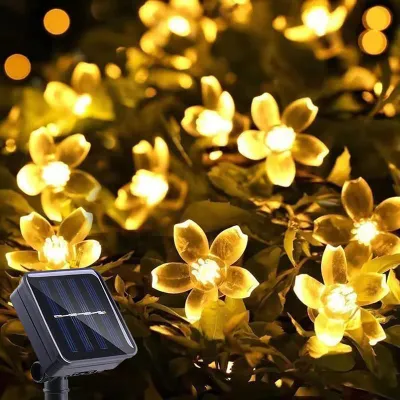
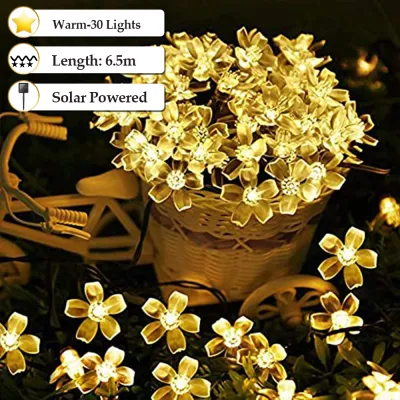
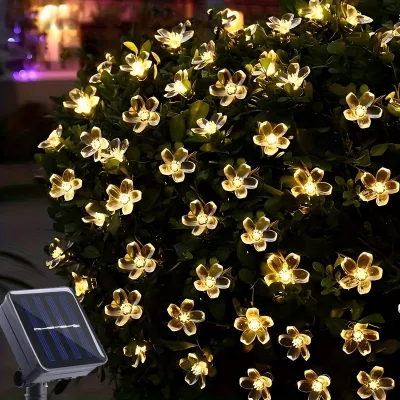
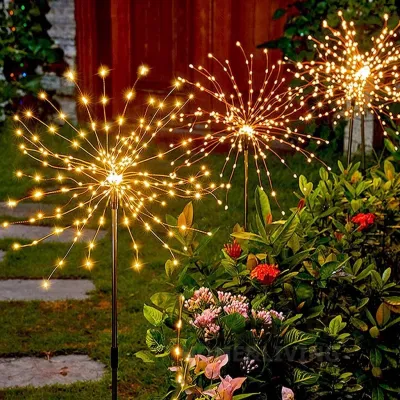
Prices are valid at publication and may change. Please refer to the product page for the latest price.
The capacity and chemistry of the internal rechargeable battery dictate how long your flower lights will stay illuminated at night. Most modern solar garden lights use either Nickel-Metal Hydride (NiMH) or Lithium-ion (Li-ion) batteries. NiMH batteries are highly reliable, widely available, and perform well under standard outdoor temperatures. Li-ion batteries, though often found in slightly higher-priced models, offer superior energy density, faster charging times, and a longer overall lifespan. When reviewing product specifications, look for battery capacities measured in milliampere-hours (mAh); a higher mAh rating generally supports a longer nightly runtime, provided the solar panel receives enough sunlight to charge it fully.
The quality of the light-emitting diodes (LEDs) determines both the visual appeal and the energy efficiency of your garden display. High-quality LEDs produce a bright, consistent glow without consuming excessive power or generating heat that could degrade the surrounding plastic petals. Pay close attention to the color temperature of the LEDs. Warm white lights (around 2700K to 3000K) create a cozy, inviting ambiance, while cool white lights (5000K and above) offer a modern, crisp look. Many decorative flower lights also feature color-changing RGB LEDs, which cycle through various hues to create a festive, dynamic atmosphere.
Material construction is the final, critical pillar of durability. Because these lights mimic real flora, they often feature flexible fabric, silicone, or plastic petals mounted on stainless steel or aluminum stakes. Cheap plastics can quickly become brittle and fade under intense ultraviolet (UV) exposure, while low-grade fabrics may mold or fray in high humidity. Opt for fixtures made with UV-resistant materials and rust-proof metal stakes to ensure your glowing garden retains its structural integrity and vibrant colors despite the harsh tropical elements.
Matching Flower Light Styles to Garden Layouts
Integrating solar flower lights into your landscape requires a thoughtful approach to layout and design. Different areas of your yard serve distinct visual and functional purposes, and matching the style of the light to its location ensures a cohesive look. For instance, pathway markers should guide the eye and define boundaries. Low-profile, sturdy flower lights with downward-facing or diffused glow patterns work best here, preventing glare while safely illuminating walkways and stepping stones.

Lawn accents and open grass areas benefit from taller, more dramatic fixtures that stand out against the green backdrop. Grouping clusters of taller solar flowers, such as simulated sunflowers or lupines, creates natural focal points that mimic real flower beds during the day and transform into glowing installations at night. For existing garden beds, choosing lights that match or complement the height of your living plants prevents the fixtures from looking out of place. Shorter, delicate designs can nestle beneath shrubs, while taller stems can rise above low-lying ground cover to add layers of depth.
Stem height and flexibility play a major role in how realistic and dynamic your display appears. Many high-quality solar flower lights feature adjustable, flexible iron wire stems that allow you to bend and shape the flowers into natural angles. This flexibility is particularly useful when trying to weave the lights between real branches or angling the solar panels toward the sun without compromising the direction of the flower head. Stiff, non-adjustable stems are easier to install but offer less customization, making them better suited for formal, symmetrical layouts.
Color selection is the ultimate tool for setting the mood of your outdoor space. Static warm white lights offer a timeless, elegant aesthetic that highlights the natural textures of your garden without overpowering them. Cool white lights are excellent for modern architectural homes, casting a clean, bright light that emphasizes clean lines and stone pathways. If you prefer a playful, vibrant garden, color-changing options can turn your yard into a colorful spectacle. To avoid visual clutter, consider using color-changing lights sparingly as accent pieces, while relying on warm or cool white lights for the primary illumination.
Essential Specifications to Verify Before Purchase
Before purchasing any solar flower lights from an online marketplace or local retailer, verifying their technical specifications is crucial to avoid premature product failure. The most important specification for outdoor durability is the Ingress Protection (IP) rating. This rating consists of two numbers: the first indicates protection against solid particles like dust, and the second indicates protection against liquids. For the tropical climate of the Philippines, which experiences heavy downpours and high humidity, look for a minimum rating of IP65. An IP65 rating ensures the fixture is completely dust-tight and can withstand low-pressure water jets from any direction, protecting the internal electronics during severe storms.
Do not rely solely on promotional images; instead, scrutinize the claimed lumens, charging times, and lighting durations. Lumens measure the total amount of visible light emitted by a source. Decorative flower lights typically range from 2 to 15 lumens per fixture, as they are designed for ambiance rather than intense illumination. Be realistic about charging and runtime claims. A standard fixture usually requires 6 to 8 hours of direct sunlight to achieve a full charge, which should ideally translate to 8 to 10 hours of nightly operation. If a product claims an exceptionally long runtime on a brief charge, treat the claim with skepticism, especially during the overcast rainy season.
The control mechanisms of your solar lights dictate how easily you can manage your garden display. Most quality fixtures feature automatic dusk-to-dawn sensors, which utilize the solar panel itself to detect ambient light levels, automatically turning the LEDs on at sunset and off at sunrise. Some models also include physical, waterproof switches on the underside of the solar panel housing, allowing you to turn them off completely when not in use or during extended periods of storage. Remote controls are less common but highly convenient for adjusting color modes or setting timers without having to walk through wet grass.
Evaluating the price-to-specification ratio helps you identify genuine value and avoid low-quality counterfeits. In the local market, basic solar flower lights may start around ₱150 to ₱300 per pack, while premium, multi-flower clusters with high-efficiency monocrystalline panels and larger battery capacities can range from ₱500 to ₱1,200 or more. While budget options are tempting, investing slightly more in fixtures with verified IP65 ratings, replaceable batteries, and UV-resistant materials will save you money in the long run by reducing the frequency of replacements.
Installation and Maintenance for Longevity
Proper installation and consistent maintenance are key to maximizing the lifespan and performance of your solar flower lights. When setting up your lights, placement is the single most important factor. The integrated solar panels must receive direct, unobstructed sunlight for at least six hours daily. Avoid placing the fixtures directly under the shadow of large trees, dense shrubs, roof overhangs, or tall fences. Additionally, keep them away from strong artificial light sources, such as streetlights or bright porch lamps, as these can trick the dusk-to-dawn sensors into thinking it is still daytime, preventing the lights from turning on.
Routine cleaning is essential to keep your solar panels operating at peak efficiency. Over time, dust, pollen, bird droppings, and rain spots can accumulate on the surface of the panel, blocking sunlight and reducing the charging capacity. Wipe the solar panels gently with a damp, soft microfiber cloth at least once a month. Avoid using abrasive sponges, harsh chemical cleaners, or dish soaps, as these can scratch or degrade the protective plastic coating on the panel. While cleaning, inspect the flower petals and light covers, removing any dirt or debris that might dim the LED output.
Caring for the internal rechargeable batteries will prevent premature failure of the entire unit. Over time, all rechargeable batteries lose their capacity to hold a charge. If you notice your lights are only staying on for an hour or two despite a full day of sunshine, it is likely time to inspect the battery. If your fixture features a user-accessible battery compartment, carefully open it, check for any signs of corrosion or white powdery buildup, and clean the contacts with a dry cloth. Replace the old battery with a new rechargeable battery of the exact same chemistry (usually NiMH) and voltage (typically 1.2V) to restore original performance.
Knowing when to troubleshoot and when to replace a faulty unit will save you time and effort. If a light stops working, first ensure the physical power switch is turned to the “on” position and that the solar panel is clean. You can test the sensor by completely covering the solar panel with your hand in a dark room; if the light turns on, the sensor and battery are functioning. If the light remains dark after a full day of charging and a battery swap, the internal wiring or the LED itself may have failed. In such cases, especially with sealed, low-cost units, it is safest to replace the fixture rather than attempting complex electrical repairs.
Frequently Asked Questions (FAQ)
Do solar flower lights work during the rainy season?
Yes, solar flower lights will still function during the rainy season, but their performance will be noticeably reduced. Cloud cover blocks a significant portion of direct sunlight, which prevents the solar panel from fully charging the battery. As a result, the lights may turn on at dusk but run for only a few hours instead of their usual full-night duration. To optimize performance during overcast weeks, ensure the solar panels are completely clean and positioned in the most open area of your garden to capture as much ambient daylight as possible.
Can the batteries in solar flower lights be replaced?
Whether the batteries can be replaced depends entirely on the design of the specific fixture. Many mid-range and premium solar flower lights feature a small, screw-secured compartment on the underside of the solar panel housing, allowing you to easily swap out the old rechargeable battery. Always verify the battery type, voltage, and capacity before purchasing a replacement, and ensure the compartment seal is properly aligned when reassembling to maintain water resistance. If the unit is completely sealed with no visible screws or battery doors, the battery is non-replaceable, and the entire fixture must be replaced once the battery reaches the end of its lifespan.
How far apart should solar flower lights be spaced along a path?
For a balanced and visually appealing pathway, solar flower lights should generally be spaced 2 to 4 feet apart. Because these are decorative accent lights with low lumen outputs, spacing them too far apart can create dark, disconnected gaps, while crowding them too close together can look cluttered and overwhelm the landscape. Consider the physical width of the flower heads and the spread of their light; wider, brighter flowers can be spaced further apart, while smaller, delicate buds look best when placed in closer, staggered intervals along the edge of the path.

Community discussion
Share your experience or ask a question. Comments are reviewed before publication.