
To ensure your solar garden lights stay illuminated from dusk until dawn, you must select fixtures with a balanced ratio of solar panel wattage, battery capacity, and power-efficient LED output. In tropical climates like the Philippines, where daytime sun is abundant but sudden downpours or seasonal shifts can limit charging, relying on generic claims is rarely enough. Instead, achieving true nightlong illumination requires verifying specific technical ratings on the product label and matching them to your garden’s physical layout.
Understanding "24-Hour" Claims vs. Dusk-to-Dawn Reality
When browsing online marketplaces or local home improvement centers, you will often encounter terms like “solar 24 hours” or “24-hour continuous lighting.” It is crucial to understand that a solar light cannot realistically provide high-intensity illumination for 24 consecutive hours while simultaneously recharging. Solar panels require daylight to generate electricity, and any light that remains active during the day is actively draining the battery while it tries to charge, which severely reduces its efficiency and overall lifespan.
A true dusk-to-dawn light operates on an automatic cycle controlled by an integrated photodiode or light sensor. This sensor detects when ambient light levels drop at sunset, triggering the LEDs to turn on, and then shuts them off when the sun rises. The realistic goal for outdoor landscape lighting is not literal 24-hour operation, but rather sustaining a reliable, functional light output for approximately 10 to 12 hours—the typical duration of a tropical night—without dying out in the early morning hours.
Products mentioned in this guide
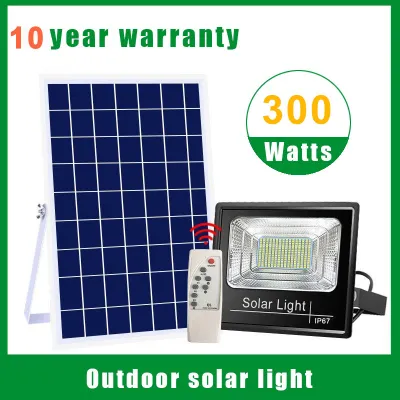
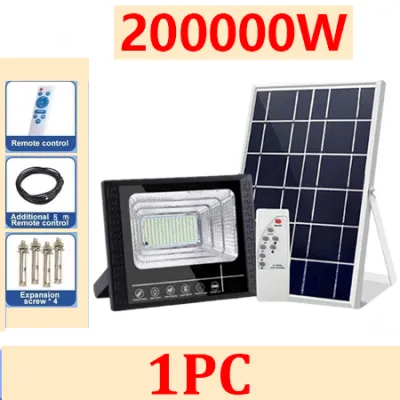
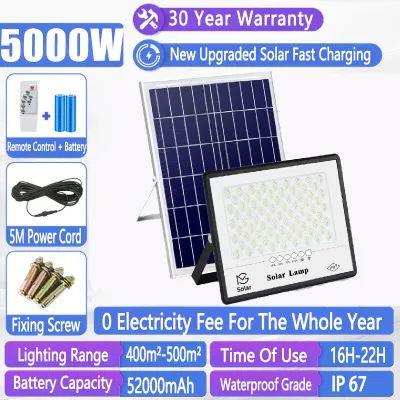
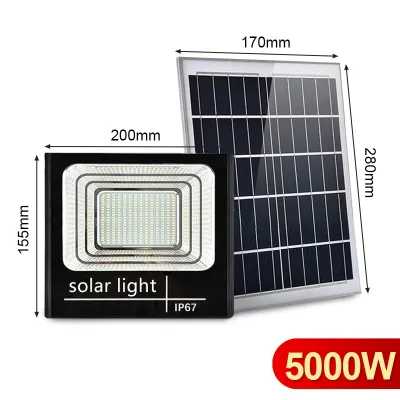
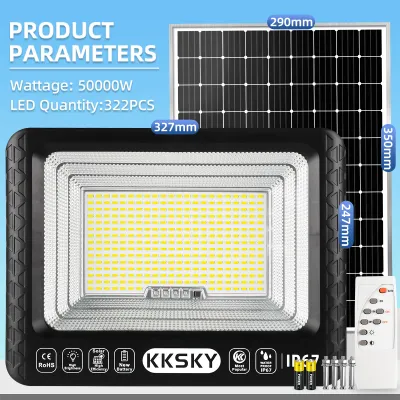
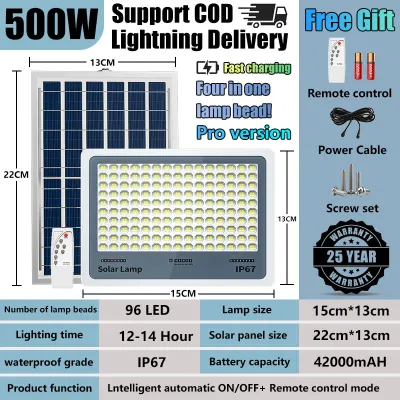
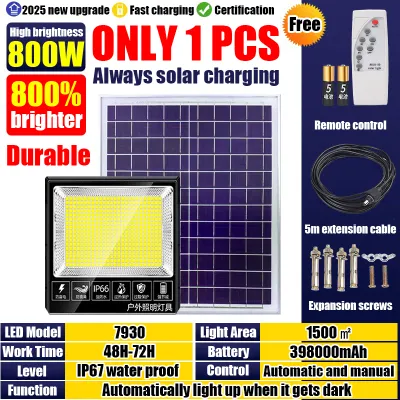
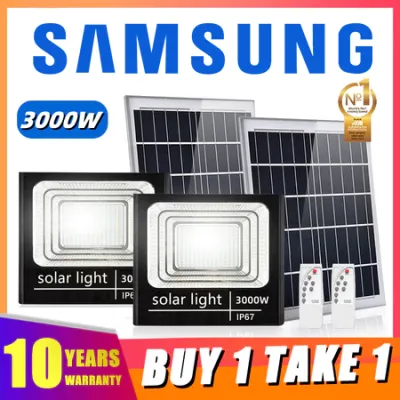
Prices are valid at publication and may change. Please refer to the product page for the latest price.
Key Specifications for All-Night Runtime
To avoid the disappointment of garden lights that fade to black by midnight, you must look past decorative housing and evaluate the internal electrical specifications. The runtime of any solar fixture is governed by a simple energy balance: the solar panel must generate enough electricity during the day to completely fill the battery, and the battery must hold enough charge to power the LEDs throughout the night. You can find these critical metrics on the product packaging, the manufacturer’s specification sheet, or the physical label on the underside of the light fixture.

Battery Capacity and Chemistry
The battery acts as the reservoir for your light’s power, and its capacity is typically measured in milliampere-hours (mAh) or Watt-hours (Wh). For a light to last through a 12-hour night, the battery capacity must be high enough to support the continuous current draw of the LED bulb. When reviewing product specifications, compare the battery’s total capacity against the rated wattage of the light; a higher mAh rating relative to a low-wattage LED generally translates to a longer potential runtime.
The chemistry of the battery also dictates how well the fixture performs over time. Many modern solar lights utilize Lithium Iron Phosphate (LiFePO4) or Lithium-ion (Li-ion) batteries, which offer superior charge cycles and better tolerance to the high ambient temperatures common in tropical environments compared to older Nickel-Metal Hydride (NiMH) options. Additionally, check the manufacturer’s manual to verify if the battery is user-replaceable. Choosing fixtures with accessible battery compartments allows you to replace a degraded cell after a few years of service, extending the overall lifecycle of your landscape lighting without requiring you to discard the entire fixture.
Solar Panel Efficiency and Wattage
A high-capacity battery is only useful if your solar panel can generate enough electricity to fill it during the day. You should evaluate the panel’s rated wattage and physical surface area, ensuring it is large enough to capture sufficient sunlight even on partially cloudy days. Look for panel material specifications provided by the manufacturer; monocrystalline solar panels generally offer higher conversion efficiency in diffuse or low-light conditions compared to polycrystalline or amorphous silicon alternatives.
You must also consider the physical design of the solar panel. Some fixtures feature integrated panels built directly into the top of the light head, which requires the entire unit to be placed in direct sunlight. Other systems utilize a detached solar panel connected to the light fixture by a weather-resistant cable. This split design is highly practical for shaded garden paths or under roof eaves, as it allows you to mount the light source in a dark area while positioning the charging panel in a spot that receives unobstructed sunlight.
Evaluating Light Output and Dimming Modes
There is a direct trade-off between the brightness of your garden lights—measured in lumens—and how long they can remain illuminated on a single charge. A fixture running at a constant high lumen output will deplete its battery much faster than one operating at a lower, ambient level. To achieve reliable dusk-to-dawn performance, look for fixtures that offer smart power management or adjustable lighting modes.
Many high-quality solar lights feature automatic dimming profiles or motion-activated sensors. For example, a light might operate at a low, energy-saving brightness level (such as 20% of its maximum output) to provide continuous pathway guidance, and then temporarily switch to 100% brightness for 30 seconds when motion is detected. Other models utilize programmed timers that gradually reduce the lumen output as the night progresses, conserving battery power during the late-night hours when foot traffic is minimal. You can estimate the potential runtime by dividing the battery’s Watt-hour capacity by the power consumption of your selected operating mode, helping you choose a setting that guarantees illumination until sunrise.
Installation Conditions That Affect Nightlong Performance
Even the most advanced solar light will fail to last all night if it is installed in an unfavorable location. To maximize daily energy generation, mount your solar panels in positions that receive at least six to eight hours of direct, unobstructed sunlight daily. In the Philippines, positioning panels to face south or upward can help capture maximum solar irradiance throughout the year, though you should always consult the manufacturer’s installation instructions for specific angle recommendations.
Be mindful of environmental obstructions that can cast shadows over the panels during peak daylight hours. Dense tree canopies, building eaves, garden walls, and even growing shrubbery can significantly block solar energy, leading to an undercharged battery. Furthermore, avoid placing your solar lights near competing artificial light sources, such as bright streetlights or exterior home security lights. These external light sources can confuse the integrated dusk-to-dawn sensors, causing your solar lights to turn off prematurely or fail to turn on at all when night falls.
Maintenance and Troubleshooting for Consistent Runtime
Regular maintenance is essential to preserve the charging efficiency and runtime of your outdoor solar lights as they age. Over time, dust, pollen, bird droppings, and salt residue from coastal air can accumulate on the surface of the solar panel, blocking sunlight and reducing energy conversion. Wipe the panels clean periodically using a soft, damp cloth and mild soapy water; avoid abrasive scrubbers or harsh chemical cleaners that could scratch or degrade the protective outer coating.
Moisture ingress is another common issue in humid, tropical climates. Periodically inspect the light housing, battery compartment, and wiring connections for signs of water entry, rust, or corrosion on the metal contacts. If you notice corrosion, carefully clean the contacts according to the manufacturer’s guidelines. When a light’s runtime begins to drop significantly despite receiving full daily sunlight, it is usually an indication that the battery has reached the end of its useful life. Refer to your product manual to source a compatible replacement battery, ensuring you follow all safety instructions regarding power isolation and proper disposal of the old cell.
Frequently Asked Questions (FAQ)
Do solar garden lights work during the rainy season?
Yes, solar garden lights will still charge during overcast or rainy days, but their efficiency will be significantly reduced. Cloud cover blocks a portion of the direct sunlight, meaning the solar panel will generate less electricity and may not fully charge the battery. During prolonged periods of heavy rain or monsoon weather, you can expect the lights to dim earlier in the night. To mitigate this, look for fixtures with high-efficiency monocrystalline panels or models that feature an eco-mode to conserve battery power when daytime charging is limited.
Can I leave solar lights outside during extreme heat or severe storms?
Whether you can leave your lights outside depends on their Ingress Protection (IP) rating and construction quality. Check the product label for an IP rating of IP65 or higher, which indicates the fixture is sealed against heavy rain and dust. While high-quality outdoor solar lights are designed to withstand typical tropical heat and rain, severe weather events like typhoons pose a risk of physical damage from high winds or flying debris. In these extreme cases, it is best to temporarily detach and store the fixtures indoors, following the manufacturer’s guidelines for safe handling and storage.

Community discussion
Share your experience or ask a question. Comments are reviewed before publication.