
Creating a warm, inviting retreat on a condo balcony does not require complex electrical wiring or high utility bills. The ideal approach to achieving a cozy ambiance relies on combining warm color temperatures with layered lighting styles. Solar lights offer an excellent solution for high-rise living because they operate independently of the building’s power grid, making them highly suitable for rented units or structurally restricted spaces where drilling and permanent wiring are prohibited. To find the right options, you must evaluate key selection criteria such as weather resistance labels, battery capacity, and light output tailored for small areas. By selecting the right fixtures, you can easily transform a plain concrete balcony into an intimate, glowing sanctuary.
Assessing Your Balcony Space and Lighting Needs
Before purchasing any outdoor lighting, it is essential to evaluate the physical constraints and layout of your balcony. Start by measuring the available floor area, the length of the railings, and the height of any overhead ceilings or overhangs. Small balconies can quickly feel overcrowded if you install too many large fixtures, so keeping scale in mind is crucial. You want to choose compact designs that enhance the space without obstructing your movement or blocking the view.
Next, identify the specific power and placement limitations of your condo unit. Most condominium associations enforce strict rules regarding exterior modifications, which means drilling into walls or altering the building’s facade is usually off-limits. Solar panels require direct exposure to sunlight to charge effectively, which can be a challenge on covered balconies or those facing away from the sun. You must identify where the sunlight hits your balcony during the day to determine where the solar panels can be positioned.
Products mentioned in this guide
![Top Seller [171.8K Sold] KKSKY Buy 1 Take 1 1000W 60W 100W 200W 300W 500W Solar Led Lights Outdoor Flood Light 40W Street Lamp Waterproof With Remote 5 Years Warranty](https://img.lazcdn.com/g/p/71908228683594faabd610cdd55824de.jpg_400x400q80.jpg_.webp)
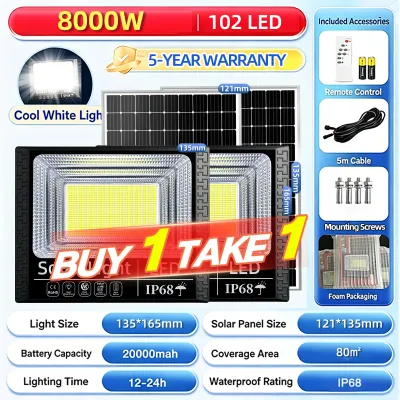
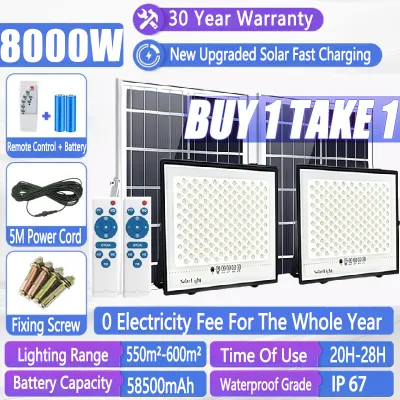
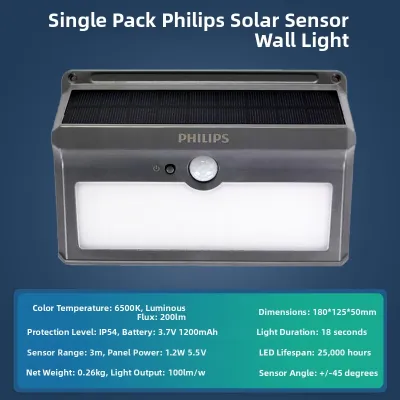
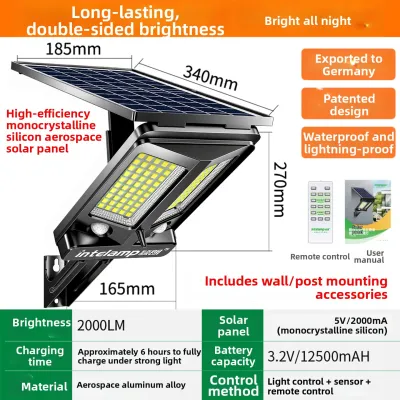
Prices are valid at publication and may change. Please refer to the product page for the latest price.
Finally, define the primary use case for your outdoor space. If you plan to use the balcony for dining, you will need focused, functional light near the table. If your goal is lounging, reading, or simply relaxing after a long day, soft, indirect perimeter lighting is much more appropriate. For those who keep a balcony garden, highlighting your potted plants with subtle accent lights can create a beautiful, natural backdrop. Matching the light distribution to your daily activities ensures the space remains both functional and atmospheric.
Solar Light Styles for a Cozy Ambiance
Different styles of solar fixtures have distinct visual impacts on small outdoor spaces. Choosing the right combination allows you to control how light is distributed, preventing harsh shadows or overly bright spots. By mixing and matching different styles, you can create a layered lighting effect that adds depth and warmth to your balcony.

Solar String and Fairy Lights
Best applications Solar string and fairy lights are incredibly versatile and excel at creating a soft, enveloping glow. You can wrap them tightly around metal or wooden railings, drape them elegantly over small overhead structures, or weave them through the foliage of potted balcony plants. This distributed light source softens the hard edges of concrete walls and metal railings, making the entire area feel more intimate.
Key features to look for When shopping on an online marketplace, look for string lights that feature warm white LEDs, typically labeled around 2700K. Avoid cool blue-white tones, which can feel clinical and cold. Consider the wire material: delicate copper wire is highly flexible and almost invisible during the day, while thick, rubber-insulated cables offer superior durability against the elements. Additionally, prioritize models with a separate solar panel on a long lead wire, which allows you to position the panel in a sunny spot while keeping the lights in a shaded seating area.
Limitations String lights are highly susceptible to high winds, which are common during the tropical storm season in the Philippines. If they are not secured properly, they can easily tangle, tear, or blow away. To prevent damage, use non-damaging mounting accessories like outdoor-rated adhesive clips or plastic zip ties, which secure the wires without violating condo rules against drilling.
Solar Lanterns and Tabletop Lights
Best applications Portable solar lanterns and tabletop lights are perfect for adding focal points and floor-level ambiance to your balcony. You can place them directly on outdoor coffee tables, group them in corners on the floor to create layers of height, or hang them from permitted wall hooks. Because they are portable, you can easily rearrange them depending on how you are using the space.
Design considerations Look for lanterns made from durable, weather-resistant materials such as treated metal, heavy-duty plastics, or thick glass. Some models feature a flickering flame effect that mimics the natural movement of a candle, providing a dynamic and relaxing glow. Others offer a steady, diffused light that is better suited for reading or dining. Choosing a mix of these designs can add visual interest to your setup.
Limitations The primary drawback of lanterns and tabletop lights is that they occupy valuable surface area. On a small condo balcony, floor and table space are at a premium. To mitigate this, look for compact, vertical designs that have a small footprint, or utilize hanging models that keep the floor and table clear for other uses.
Solar Wall Sconces and Deck Lights
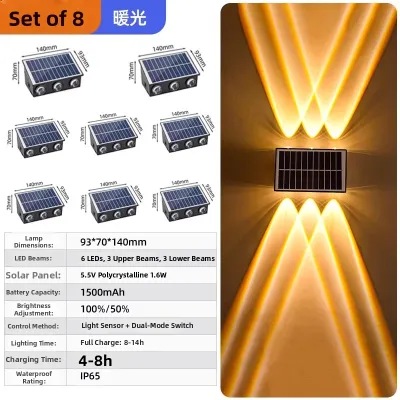
Best applications Fixed or semi-fixed solar fixtures, such as wall sconces and small deck lights, provide excellent boundary lighting. You can mount sconces on permitted wall surfaces using heavy-duty, outdoor-rated double-sided mounting tape, or clip compact deck lights onto railing posts. Placing them along the perimeter of the balcony floor helps define the boundaries of your outdoor space, making it feel larger and more secure.
Key features to look for Look for fixtures that feature adjustable solar panels, allowing you to angle the charging surface directly toward the sun. Downward-facing shades are also highly beneficial, as they direct the light toward the floor and prevent blinding glare when you are seated. Ensure the fixtures include automatic dusk-to-dawn sensors so they turn on automatically as daylight fades.
Limitations Before installing any wall-mounted or railing-mounted fixtures, you must carefully review your condo association’s guidelines. Many properties strictly prohibit any visible changes to the building’s exterior facade, including temporary attachments to railings. Opting for damage-free, easily removable mounting methods is essential to avoid fines or disputes with property management.
Key Features to Check Before Buying
To ensure your solar lights perform reliably in an outdoor environment, you must carefully check several technical specifications before making a purchase.
Weather resistance The tropical climate in the Philippines brings high humidity, intense heat, and heavy rainfall. You must check the Ingress Protection (IP) rating on the product packaging to verify water and dust resistance. For general balcony use under a partial cover, an IP44 rating is usually sufficient to protect against splashes. However, if your lights will be fully exposed to heavy monsoon rains, look for fixtures with an IP65 rating or higher, which indicates a dust-tight construction that can withstand water jets.
Battery and charging Evaluate the battery specifications provided by the manufacturer. Most solar lights use rechargeable Nickel-Metal Hydride (NiMH) or Lithium-ion (Li-ion) batteries. Li-ion batteries generally offer longer lifespans and faster charging times, though they are often found in slightly higher-priced fixtures. Ensure that your balcony receives enough direct sunlight during the day to meet the manufacturer’s recommended charging time, which is typically between six and eight hours of clear sunlight.
Light quality Pay close attention to the lumens and color temperature indicated on the product label. Lumens measure the brightness of the light; for a cozy balcony, you want soft, low-intensity lighting. Aim for fixtures that produce between 10 and 100 lumens. For color temperature, look for warm white options ranging from 2200K to 2700K. Anything higher than 3000K will emit a cooler, brighter light that can disrupt the relaxing, cozy atmosphere you want to create.
Operational modes Check if the lights feature automatic dusk-to-dawn sensors, which turn the fixtures on at sunset and off at sunrise. Manual on/off switches are also highly valuable, as they allow you to turn the lights off completely when you are away or during extended periods of bad weather, conserving the battery’s lifespan. Some advanced models also include built-in timers or remote controls for added convenience.
Arranging Solar Lights for Maximum Ambiance
Creating a cozy atmosphere is not just about the types of lights you buy, but how you position them. A thoughtful arrangement can make a small balcony feel incredibly warm, deep, and inviting.
To achieve this, use a layering technique that distributes light across three vertical levels: overhead, mid-level, and low-level. Hang delicate string lights overhead or along the top of the railing to establish a soft canopy of light. Place lanterns or tabletop lights at mid-level on tables or plant stands to provide functional illumination where you sit. Finally, position small deck lights or uplights on the floor to cast a gentle glow upward. This vertical distribution prevents flat, harsh lighting and makes the space feel larger.
It is also important to avoid light pollution and glare. In a high-rise condo, your balcony is close to your neighbors’ units. Angle your light fixtures inward and downward to keep the illumination contained within your space. This prevents bright light from shining directly into neighboring windows or creating an unpleasant glare for people looking up from the street. Keeping your lighting subtle and contained ensures you remain in compliance with community guidelines while maintaining a private, cozy environment.
You can also use shadow play to add visual depth to your balcony. Position small solar spotlights or uplights behind potted plants, leafy ferns, or decorative wooden screens. As the light filters through the leaves and structures, it casts beautiful, soft shadows onto the walls. This technique adds texture and movement to the space, making even the smallest balcony feel like a lush, natural garden retreat.
Maintaining Solar Lights in Outdoor Conditions
Regular maintenance is essential to keep your solar lights functioning at their best and to extend their overall lifespan, especially when exposed to tropical outdoor conditions.
The most critical maintenance task is cleaning the solar panels. Over time, dust, pollen, and rain spots accumulate on the panel surface, blocking sunlight and reducing charging efficiency. Every few weeks, gently wipe the panels with a soft, damp microfiber cloth. Avoid using harsh chemical cleaners, abrasive sponges, or dry cloths, as these can scratch the protective coating on the panel, permanently reducing its ability to absorb sunlight.
You must also monitor the health of the rechargeable batteries. Over one to two years of continuous use, these batteries will naturally degrade and lose their capacity to hold a charge. If you notice your lights are only staying on for an hour or two after a full day of sun, it is likely time to replace the batteries. Check the product manual to see if the battery compartment can be opened. Most standard solar lights allow you to unscrew the casing and replace the old rechargeable battery with a new one of the same type and capacity.
Finally, take proactive steps to protect your lights during extreme weather. The Philippines regularly experiences severe tropical storms and typhoons. While high-quality solar lights are designed to be weather-resistant, extreme winds and torrential downpours can cause physical damage or water ingress. When a storm warning is active, temporarily bring portable lanterns, tabletop lights, and loose string lights indoors. Storing them in a dry, safe place during severe weather prevents unnecessary wear and ensures they continue to light up your balcony for years to come.
Frequently Asked Questions (FAQ)
Do solar lights work on covered or shaded balconies?
Yes, but their performance depends heavily on the design of the fixture and the amount of ambient light available. Solar panels require direct sunlight to charge their batteries to full capacity. If your balcony is fully covered or faces away from the sun, the lights may not charge fully, resulting in a much shorter runtime and dimmer light. To work around this, look for solar lights that feature a detachable solar panel connected by a long wire. This allows you to mount the panel on the outermost edge of the balcony railing where it can catch the sun, while the light fixtures remain in the shaded seating area. If your balcony receives absolutely no direct sunlight, you may want to consider USB-rechargeable or plug-in LED lights as a reliable alternative.
Can I leave solar lights outside during heavy rain?
Whether you can leave your solar lights outside during heavy rain depends entirely on their Ingress Protection (IP) rating. You should check the product packaging or manufacturer specifications to find this rating. Fixtures with an IP44 rating are splash-proof and can handle light rain, but they may suffer damage if exposed to prolonged, heavy downpours. For complete peace of mind during the rainy season, look for lights with an IP65 rating or higher, which are designed to withstand heavy rain and wet conditions. Regardless of the rating, it is highly recommended to bring portable or loosely secured fixtures indoors during severe tropical storms and typhoons to prevent physical damage from strong winds.
How long do solar balcony lights typically last on a full charge?
On a full charge, most high-quality solar balcony lights will run for anywhere from six to ten hours. However, the exact runtime depends on several factors, including the battery capacity, the efficiency of the LEDs, and the selected operating mode. During the rainy season or on heavily cloudy days, the solar panel will not receive enough sunlight to charge the battery fully, which will significantly reduce the runtime at night. To get a realistic expectation of performance, check the product label for the manufacturer’s stated charging and working times under optimal conditions. Choosing fixtures with energy-saving modes or manual switches can also help stretch the battery life on days when sunlight is limited.

Community discussion
Share your experience or ask a question. Comments are reviewed before publication.