
Finding the best solar light for your property in the Philippines requires looking beyond generic online listings. Because our tropical climate brings intense sunlight alongside heavy monsoon rains and high humidity, a fixture that works well in temperate regions might quickly fail here. The ideal solar lighting setup balances your specific functional needs—whether that is bright, motion-activated security for a driveway or a soft, warm glow to guide you through a garden path—with durable hardware designed to withstand local weather extremes. By focusing on verifiable technical specifications rather than marketing hype, you can select fixtures that remain reliable year after year.
Key Factors for Evaluating Solar Outdoor Lights
To make an informed purchase, you must understand the core specifications listed on product packaging or technical datasheets. The most critical components of any solar light are its light source, battery, solar panel, and protective housing.
First, evaluate brightness, which is measured in lumens rather than watts. Watts indicate power consumption, whereas lumens measure the actual visible light emitted. For ambient pathway or lawn lighting, a range of 10 to 100 lumens is generally sufficient to mark boundaries without causing harsh glare. For security and street lighting, you will need fixtures that deliver 1,000 to over 5,000 lumens. Be cautious of unbranded products claiming impossibly high lumen ratings; reliable manufacturers provide realistic figures that match the physical size of the light-emitting diode (LED) array.
Products mentioned in this guide
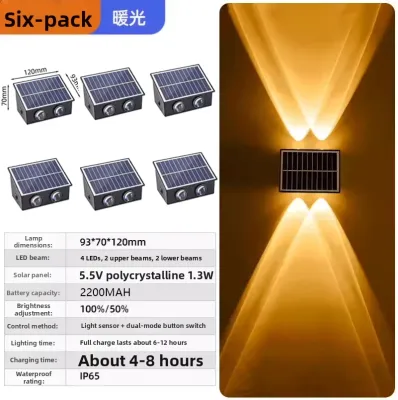
Prices are valid at publication and may change. Please refer to the product page for the latest price.
Second, examine the battery capacity and chemistry, as this determines how long the light can operate after a day of charging. Look for lithium iron phosphate (LiFePO4) or lithium-ion (Li-ion) batteries on the specification sheet. LiFePO4 batteries are highly recommended for tropical climates because they offer superior thermal stability, meaning they handle high daytime temperatures safely, and they typically endure more charge-discharge cycles than standard lithium-ion options. Check the capacity, measured in milliampere-hours (mAh) or watt-hours (Wh), and compare it to the fixture’s power draw to ensure it can sustain illumination through the night.
Third, consider the solar panel type. Monocrystalline panels are more efficient than polycrystalline panels, meaning they convert a higher percentage of sunlight into electricity within a smaller surface area. This efficiency is particularly valuable during overcast days or the rainy season when daylight is limited. Polycrystalline panels are more affordable but require a larger physical footprint to generate the same amount of power.
Finally, weather resistance is non-negotiable for outdoor fixtures exposed to tropical downpours. Check the Ingress Protection (IP) rating. The first digit measures protection against solids like dust, while the second measures protection against liquids. For lawn lights, an IP65 rating is the minimum standard, meaning the fixture is dust-tight and protected against water jets. For street lights or fixtures mounted in highly exposed areas, look for IP66 or IP67 ratings, which provide superior protection against heavy, wind-driven rain.
Solar Street Lights vs. Lawn Lights: Matching the Fixture to the Task
Mismatched lighting choices often lead to frustration, such as blinding glare at eye level or dim, ineffective security coverage. Understanding the distinct design purposes of solar street lights and lawn lights ensures that each fixture performs its intended role effectively.

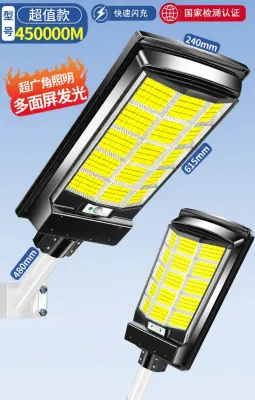
Solar street lights are engineered for high-elevation mounting, typically between three to six meters above the ground. This elevation allows their wide-angle lenses—often distributing light at a 120-degree beam angle—to cast a broad footprint of illumination over driveways, gates, and perimeters. Because they are positioned high up, their primary goal is high-visibility deterrence and safety. They require robust housings, often made of die-cast aluminum, to withstand strong winds and prolonged exposure to intense UV rays.
In contrast, solar lawn lights are low-profile fixtures designed to sit close to the ground, usually mounted on short stakes or low pedestals. Their beam angles are narrower and directed downward or outward to highlight garden beds, pathways, and architectural features. Instead of flooding an area with intense light, lawn lights provide a localized, low-level glow that guides foot traffic and enhances outdoor aesthetics without spilling light into your home’s windows or neighboring properties.
The two categories also differ significantly in how they manage power through sensors. Security-focused street lights frequently utilize Passive Infrared (PIR) motion sensors. These fixtures operate at a dim standby level (such as 10% brightness) to conserve battery, instantly ramping up to 100% brightness when motion is detected. Lawn lights, however, rely almost exclusively on simple dusk-to-dawn photocells. They turn on automatically as the sun sets and emit a continuous, gentle light throughout the night, slowly dimming as the battery depletes toward dawn.
Building Your Conditional Shortlist
Rather than searching for a single universal winner, you should categorize your lighting goals into distinct zones. This approach allows you to match specific technical requirements to the unique demands of each outdoor area, ensuring both safety and visual appeal.
For Driveways, Perimeters, and Security
When selecting solar lights to secure your driveway, gate, or property perimeter, prioritize high-output street lights or floodlights that offer maximum visibility. Look for fixtures with adjustable motion sensors that allow you to customize the detection range and sensitivity, preventing false triggers from passing street traffic or stray animals.
Because these lights are mounted at a height, you must verify their structural compatibility and wind resistance. Ensure that the mounting brackets, poles, and expansion bolts are rated for outdoor installation and can withstand the strong winds common during the typhoon season. Heavy die-cast aluminum brackets are generally more durable than thin plastic mounts, which can degrade and crack under constant tropical sun exposure.
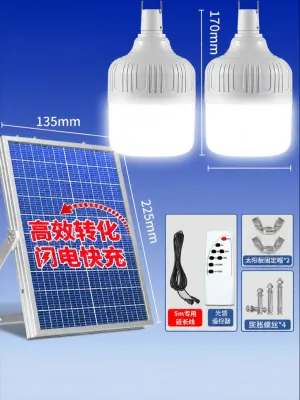
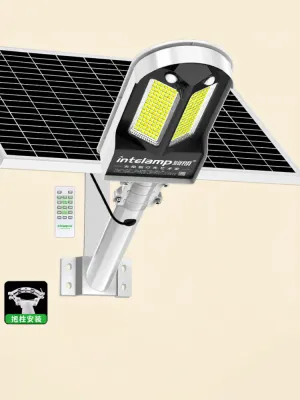
Additionally, consider split-type solar street lights rather than all-in-one designs. A split-type system features a separate solar panel connected to the light fixture by a heavy-duty, weatherproof cable. This design is incredibly useful if your ideal mounting location—such as under a roof eave or beneath a large tree—is shaded. You can mount the light fixture exactly where you need the illumination while positioning the solar panel several meters away on a rooftop or pole where it receives unobstructed, direct sunlight throughout the day.
For Garden Paths, Lawns, and Landscaping
For garden paths, flower beds, and patio perimeters, your focus should shift from raw power to visual comfort and design integration. High-lumen, cool-white light can look harsh and clinical in a garden setting. Instead, look for lawn lights with a warm white color temperature, typically between 2700K and 3000K, which creates a welcoming, relaxing ambiance.
Pay close attention to the physical construction of the stakes and bases. In the Philippines, soil conditions can vary from hard, dry clay in the hot season to soft, saturated mud during the rainy season. Choose lawn lights with sturdy, ribbed ground stakes made of heavy-duty ABS plastic or rust-resistant metals like stainless steel or powder-coated aluminum. The stakes must be long enough to anchor the light securely into the ground so they do not lean or fall over when the soil becomes saturated.
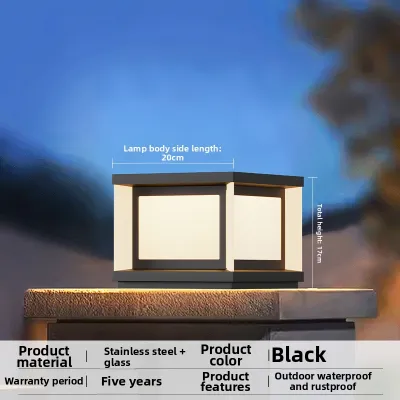
Furthermore, opt for compact, integrated designs that sit low to the ground. This minimizes the risk of accidental damage from lawn mowers, weed trimmers, or active pets. If you have paved pathways or concrete patios where ground stakes cannot be used, look for flat-profile solar disc lights that can be mounted flush with the surface or low-profile pedestal lights that can be bolted directly onto concrete or wooden decking.
Installation, Placement, and Maintenance
Even the highest-quality solar light will underperform if it is poorly positioned or neglected. Proper installation and routine maintenance are essential to maximize solar charging efficiency and extend the operational lifespan of your fixtures.
When positioning your solar panels, you must account for the sun’s path. Because the Philippines is located close to the equator, the sun passes almost directly overhead, shifting slightly north during our dry season and south during the wet season. To capture the maximum amount of sunlight year-round, solar panels should ideally face true south or be tilted slightly upward at an angle of 10 to 15 degrees. Ensure there are no overhanging tree branches, utility poles, or building structures casting shadows on the panels, as even partial shading can drastically reduce charging efficiency.
Routine cleaning is another critical task that is often overlooked. During the dry season, a thick layer of dust, pollen, and airborne grime can accumulate on the glass surface of the solar panel, blocking sunlight and reducing power generation. Wipe the panels down once every few months using a soft, damp microfiber cloth and clean water. Avoid using abrasive sponges or harsh chemical detergents, which can scratch or degrade the protective tempered glass or plastic coating.
Battery maintenance is also key to long-term performance. Over several years of continuous use, all rechargeable batteries lose their capacity to hold a charge. When you notice a light’s runtime dropping significantly despite sunny days, check the manufacturer’s guidelines to see if the battery is user-replaceable. Many high-quality fixtures feature accessible battery compartments, allowing you to swap out old cells for fresh ones of the same specification, saving you the cost of replacing the entire fixture. Always dispose of old lithium batteries responsibly at designated electronic waste collection centers.
Finally, respect safety boundaries during installation. While installing low-voltage solar lawn lights is a safe and straightforward DIY project, mounting heavy solar street lights on tall poles or high walls carries inherent risks. Working at heights requires proper ladders, safety harnesses, and secure anchoring hardware. If your installation involves mounting fixtures near overhead power lines, securing heavy poles in concrete footings, or integrating a hybrid solar system with a hardwired electrical backup, always consult a qualified professional or licensed electrician to ensure the job is completed safely and complies with local building codes.
Frequently Asked Questions (FAQ)
Do solar lights work during the rainy season in the Philippines?
Yes, solar lights do work during the rainy season, but their performance will be noticeably reduced. Solar panels do not require direct, blazing sunlight to charge; they can still generate electricity from diffuse daylight on overcast or rainy days. However, because the intensity of this light is much lower, the battery will not reach a full charge, resulting in shorter runtimes at night. To mitigate this, look for fixtures equipped with highly efficient monocrystalline solar panels and larger battery capacities. Some advanced security lights also feature intelligent power-saving modes that automatically dim the light output during consecutive cloudy days to stretch the remaining battery life over multiple nights.
How do I calculate the budget for a complete solar lighting setup?
To plan your budget accurately, start by mapping out your outdoor space and identifying the exact number of street and lawn lights required. Individual high-quality solar lawn lights typically range from ₱150 to ₱800 each, depending on materials and design, while robust solar street lights can range from ₱1,500 to over ₱8,000 per unit. Beyond the fixtures themselves, you must factor in the cost of specialized mounting hardware, such as steel poles, wall brackets, or concrete anchor bolts. If you are installing high-pole street lights, remember to allocate funds for professional installation fees. Finally, consider the long-term cost of ownership; investing slightly more upfront in fixtures with replaceable LiFePO4 batteries and solid warranties will save you money over time compared to buying cheap, sealed units that must be completely discarded when the battery fails.

Community discussion
Share your experience or ask a question. Comments are reviewed before publication.