
Creating a cozy, inviting atmosphere in a high-rise condominium requires careful planning, especially when choosing the right accent lighting. Fairy lights offer a soft, magical glow that can transform plain concrete walls into warm, relaxing sanctuaries. However, before purchasing your next set of decorative string lights, you must make a fundamental decision: should you go with solar-powered or plug-in models?
For most indoor condo spaces in the Philippines, plug-in fairy lights are the superior choice due to their consistent power supply and reliable brightness. Solar-powered options, while highly energy-efficient and cord-free, are best reserved for outdoor balconies or areas with direct, unfiltered sunlight. Understanding how your condo’s layout, window orientation, and daily routines interact with these two power sources will help you avoid dim lights, dead batteries, and safety hazards.
Assess Your Condo's Sunlight Access
Solar-powered lighting relies entirely on photovoltaic cells to convert sunlight into electrical energy, which is then stored in an integrated rechargeable battery. For indoor spaces, this poses a significant physical challenge. A common misconception is that placing a solar panel near a bright window is enough to power the lights through the night. In reality, solar panels require direct, unobstructed sunlight to charge effectively, rather than ambient indoor light.
Products mentioned in this guide
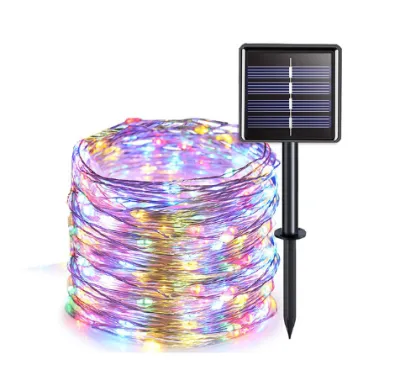
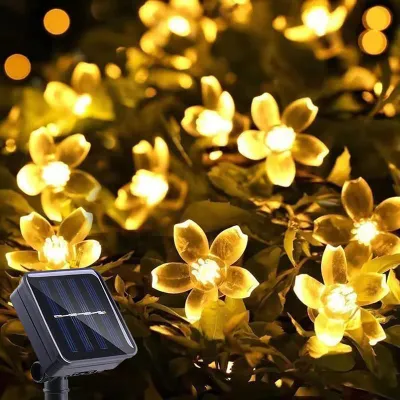
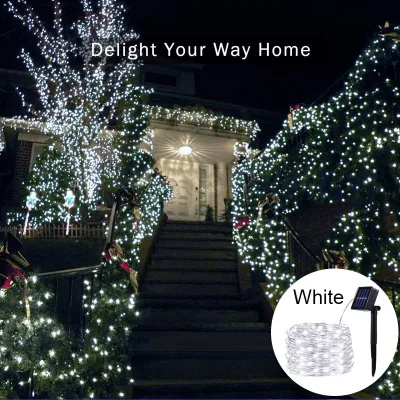
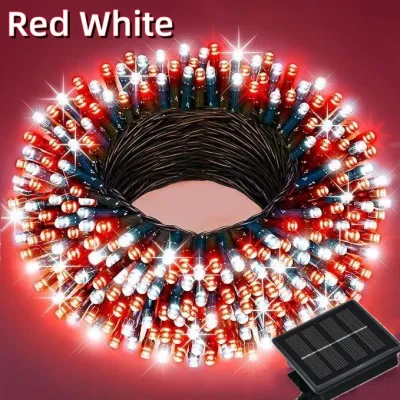
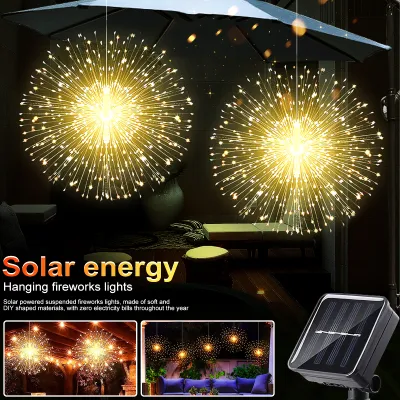
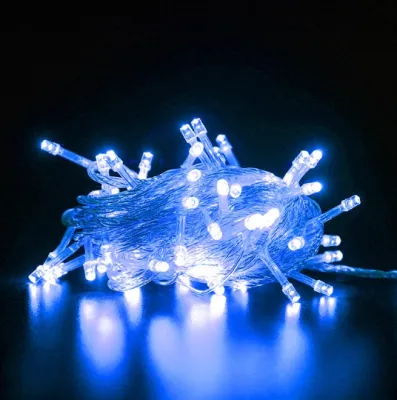
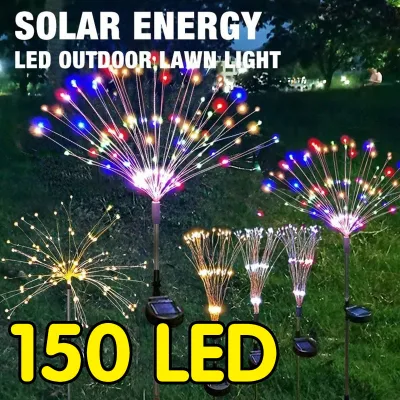
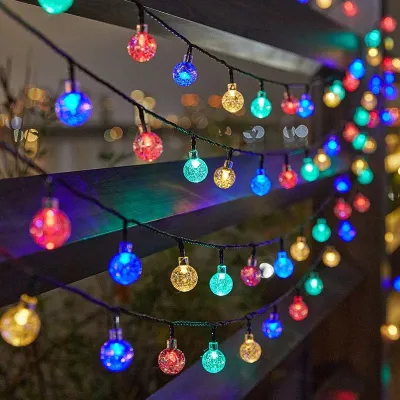
Prices are valid at publication and may change. Please refer to the product page for the latest price.
This limitation is compounded by the “glass window effect.” Modern condominium units in urban areas often feature thick, energy-efficient, or tinted glass windows designed to block heat and ultraviolet (UV) radiation. While this keeps your indoor spaces cool, it also filters out the specific wavelengths of light that solar panels need to charge. When you attempt to use Christmas lights solar setups indoors behind a closed window pane, the charging efficiency can drop by more than half, leaving you with weak, short-lived illumination in the evening.
Condominium layouts also dictate how much natural light enters your living space. Living rooms frequently feature larger windows, sliding glass doors, or direct access to a balcony, making them slightly more accommodating for solar panel placement if you can mount the panel outside. Bedrooms, on the other hand, often have smaller window frames, face narrow air shafts, or are shaded by neighboring high-rise buildings. If your bedroom windows do not receive at least four to six hours of direct, intense sunlight daily, a solar-powered set will fail to operate reliably.
To determine if solar power is viable for your space, perform a simple daylight self-check. Identify the exact spot where you plan to mount or place the solar panel. Observe this spot at hourly intervals between 9:00 AM and 3:00 PM. If the area only receives indirect glare or remains shaded by window frames, curtains, or external structures, solar fairy lights will not perform well. For indoor-only decorations, you should steer clear of solar options unless you are willing to manually move the panel to an outdoor balcony every morning.
Evaluate Your Layout and Outlet Availability
If your sunlight assessment points you toward plug-in fairy lights, your next task is to evaluate your condo’s electrical layout and furniture arrangement. Unlike spacious house layouts, condominiums often have a limited number of wall outlets, which are frequently pre-allocated to major appliances like refrigerators, televisions, and air conditioning units. Before purchasing a plug-in set, map out your desired lighting locations—such as wrapping a bed headboard, draping lights over a living room bookshelf, or outlining a television backdrop—and locate the nearest available outlet.

The visual and physical management of power cords is a critical factor in small-space design. Running extension cords across high-traffic walkways to power your fairy lights creates an immediate tripping hazard and looks cluttered. Furthermore, daisy-chaining multiple extension cords or plugging too many adaptors into a single wall socket can overload your electrical circuit. If you must run a cord behind furniture, ensure it is not pinched under heavy bed frames, sofas, or cabinets, as compressed wires can wear down, expose live copper, and create a severe fire hazard.
Daily convenience is another practical consideration when choosing plug-in lights. If your outlet is buried deep behind a heavy wardrobe or a sectional sofa, turning the lights on and off manually will quickly become a frustrating chore. While some plug-in models feature inline switches, many basic models require you to pull the plug directly from the wall. If accessing the outlet requires moving furniture every evening, the setup becomes impractical.
To verify if a plug-in set will work seamlessly in your layout, measure the distance from your target outlet to the starting point of your decorative lighting path. Many consumer fairy lights have a short “lead wire”—the unlit portion of the cord between the plug and the first LED bulb. If this lead wire is too short, you may end up with bright bulbs dangling awkwardly near the floor or behind your furniture. Ensure the product specifications list a lead wire long enough to reach your outlet safely without tension.
Match the Light to the Room's Daily Routine
Your choice between solar and plug-in fairy lights should also align with how you use your bedroom and living room on a daily basis. In the bedroom, ambient lighting is closely tied to your sleep hygiene and evening wind-down routine. Ideally, bedroom fairy lights should provide a low-intensity, warm glow that helps you transition to sleep, and they should turn off automatically once you are asleep. Plug-in lights excel in this environment because they can be easily paired with cheap mechanical outlet timers or smart plugs. You can program them to shut off at midnight, ensuring you sleep in complete darkness without wasting electricity.
In contrast, solar lights in a bedroom are highly unpredictable. If the solar panel did not receive optimal sunlight during a rainy afternoon in the monsoon season, the lights might not turn down to a comfortable level or might fail to turn on entirely when you want to relax. Additionally, solar lights typically rely on built-in dusk-to-dawn light sensors. If your bedroom has streetlights shining through the window or if you turn on a bright overhead ceiling light, the solar sensor may mistake this for daytime and automatically shut the fairy lights off, disrupting your ambient setup.
For the living room, consistent and reliable brightness is paramount, especially when hosting guests, watching movies, or reading. Plug-in fairy lights offer stable, continuous voltage, ensuring that the light output (measured in lumens) remains constant throughout the night. Solar lights naturally dim as their battery charge depletes over the hours, which can ruin the atmosphere during a long evening gathering.
Control mechanisms also differ vastly between the two types. Plug-in models often come with dedicated remote controls, dimming functions, and multiple flash patterns, allowing you to customize the ambiance of your living room instantly. Solar fairy lights are generally simpler, with basic on/off switches and automatic light sensors. If you place a solar panel in a shadowed corner of your living room, the sensor may trigger the lights to turn on in the middle of the afternoon, draining the battery before you even get home from work.
Making the Final Call: Solar, Plug-In, or Both?
To make the right decision for your condo, use a simple condition-based pathway. Choose solar-powered fairy lights only if you have a private, open-air balcony or a highly exposed window ledge that receives direct, unfiltered sunlight for several hours daily, and you want to decorate that specific outdoor area without running cords through your balcony door. For all indoor applications—including bedroom headboards, living room walls, shelving, and cozy reading corners—choose plug-in fairy lights to guarantee consistent brightness, reliable control, and effortless integration with your daily schedule.
When installing plug-in fairy lights in the Philippines, always prioritize electrical safety. Verify that the product label explicitly states compatibility with the country’s standard 220V voltage and 60Hz frequency. Look for official certification marks, such as the Import Commodity Clearance (ICC) sticker or the Philippine Standard (PS) safety mark, to ensure the product has undergone rigorous quality testing. Never overload your wall sockets by stacking high-wattage appliances on the same adapter as your decorative lights, and always route cords away from high-traffic zones.
If you decide to use solar lights on your balcony, basic maintenance is required to keep them functioning efficiently. The humid tropical climate in the Philippines can lead to a rapid buildup of dust, pollen, and condensation on the solar panel’s surface. Wipe the panel clean with a damp, lint-free microfiber cloth every few weeks to maximize solar absorption. Additionally, check the manufacturer’s care instructions regarding battery replacement; over time, the internal rechargeable batteries (typically NiMH or Li-ion) will degrade and need to be replaced to maintain their original runtime.
Frequently Asked Questions (FAQ)
Can solar fairy lights charge effectively through a closed glass window?
No, solar fairy lights do not charge effectively through a closed glass window. Modern window glass, particularly double-glazed, tinted, or low-emissivity (low-E) glass, is specifically engineered to filter out ultraviolet (UV) and infrared rays. Because solar panels rely on these specific spectrums of light to generate electricity, placing the panel indoors behind a window pane can reduce its charging efficiency by 50% to 70%. For reliable, all-night performance, the solar panel must be positioned outdoors where it has direct, unfiltered access to daylight.
Is it safe to leave plug-in fairy lights on all night in the bedroom?
While modern LED fairy lights operate at very low temperatures and generate minimal heat compared to older incandescent bulbs, leaving them plugged in and turned on all night is not recommended. Always check the manufacturer’s product label and specifications for continuous-use ratings and safety guidelines. To eliminate any potential risk of overheating, electrical short circuits, or sleep disruption, it is best practice to connect your plug-in lights to an automatic mechanical timer or a smart plug programmed to turn the lights off after you fall asleep.

Community discussion
Share your experience or ask a question. Comments are reviewed before publication.