
Choosing the right spotlight ceiling lights for your home involves more than simply picking an attractive fixture. To achieve the perfect balance of functional brightness and inviting ambiance, you must understand the technical specifications that dictate how light behaves in your space. Whether you are highlighting a favorite piece of art, illuminating a busy kitchen counter, or setting a relaxing mood in a living room, decoding these parameters ensures your lighting investment delivers the exact visual results you expect.
In tropical climates like the Philippines, where homes often feature open-plan layouts, high concrete ceilings, and varying natural light throughout the day, selecting the correct spotlight specifications becomes even more critical. By focusing on three core metrics—beam angle, lumens, and color temperature—you can transform any room from a flat, overly bright space into a dynamic, well-layered environment.
Understanding Beam Angle: Focus vs. Spread
The beam angle of a spotlight ceiling light determines how wide or narrow the light spreads from the fixture. Unlike standard ceiling lights that scatter light in all directions, spotlights are designed to direct illumination precisely where it is needed. Choosing the correct angle depends entirely on whether you want to create a dramatic focal point or provide general illumination across a larger area.
Products mentioned in this guide
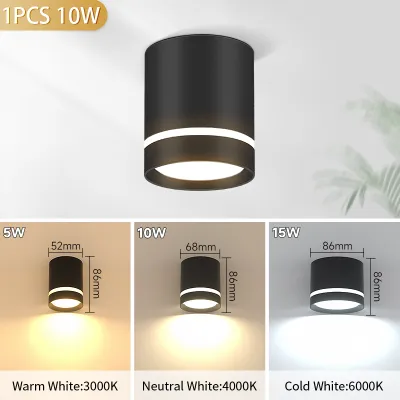
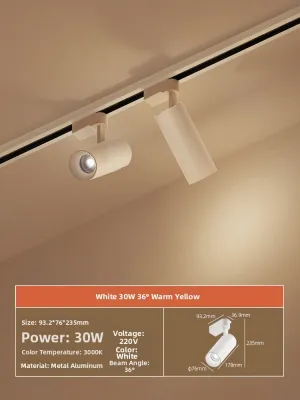
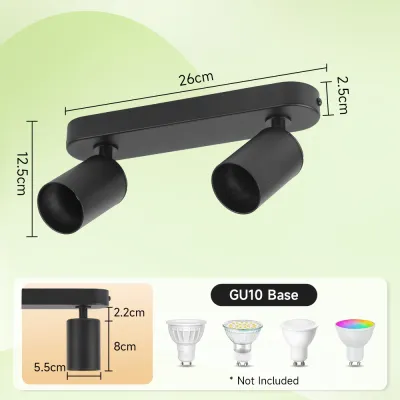
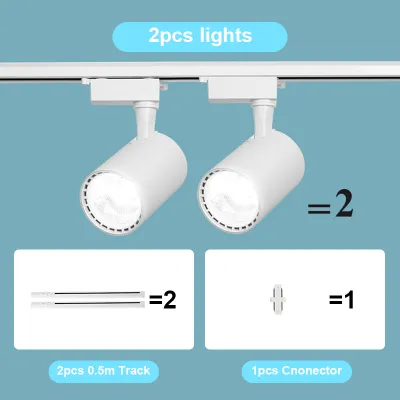
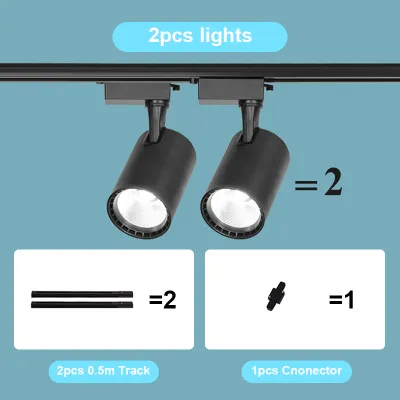
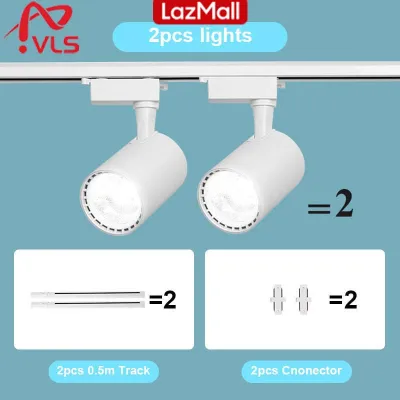
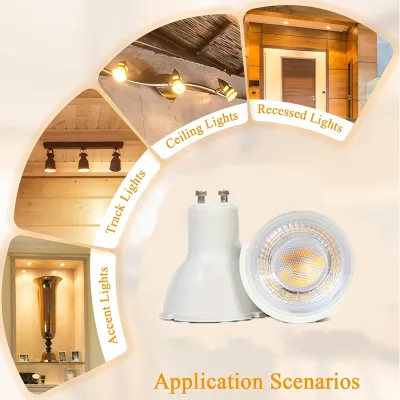
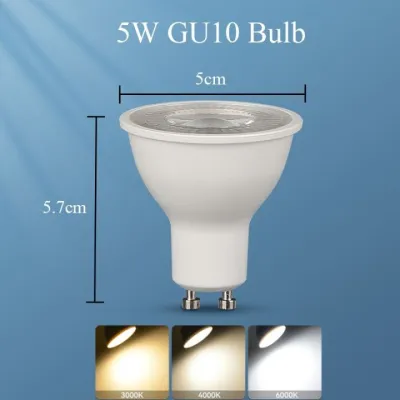
Prices are valid at publication and may change. Please refer to the product page for the latest price.
Narrow beam angles, typically ranging from 15 to 24 degrees, concentrate light into a tight, intense pool. This focused beam is ideal for accent lighting, such as highlighting framed artwork, sculptures, or architectural details. Conversely, wide beam angles of 36 to 60 degrees or more create a softer, broader spread of light. These wider angles are better suited for general ambient lighting or task areas where you want to minimize harsh shadows, such as along hallways or above kitchen countertops.
Ceiling height plays a crucial role in how a beam angle behaves in practice. As light travels from the ceiling to the floor, the beam naturally spreads out and loses intensity. If you have high ceilings, a narrow beam angle is often necessary to ensure the light actually reaches the target surface with sufficient brightness. For standard or lower ceilings, a wider beam angle prevents the light from feeling too intense or spotty, helping to create a more even and comfortable distribution of light.
Lumens vs. Watts: Measuring Actual Brightness
When shopping for modern LED spotlight ceiling lights, many homeowners mistakenly rely on wattage to judge brightness. Historically, higher wattage meant a brighter bulb, but with energy-efficient LED technology, wattage only measures the electrical power consumed. To determine the actual light output, you must look at lumens.

Selecting the right lumen output requires evaluating the room’s size, ceiling height, and primary function. For instance, task-oriented spaces like kitchens and home offices demand higher overall lumens to ensure safety and clarity during detailed work. In contrast, bedrooms and dining areas benefit from lower lumen levels that promote relaxation. To estimate your needs, consider the total area of the space and the level of brightness required for daily activities, keeping in mind that multiple lower-lumen spotlights often provide more balanced coverage than a single high-lumen fixture.
To maximize energy efficiency, always check the fixture’s luminous efficacy, which is measured in lumens per watt (lm/W). A higher ratio indicates a more efficient fixture that delivers excellent brightness while keeping your electricity consumption low. Additionally, review the manufacturer’s specifications for glare control features, such as deeply recessed light sources or baffled trims, to ensure the high lumen output does not cause uncomfortable eye strain.
Color Temperature: Setting the Right Mood and Function
Color temperature, measured on the Kelvin (K) scale, describes the warmth or coolness of the light emitted by a fixture. This specification does not affect the physical brightness of the light, but it profoundly influences the perceived atmosphere, spatial effect, and decorative style of a room. Because color preference is highly subjective, aligning the temperature with the room’s function is key to a successful lighting design.
Warm light, typically ranging from 2700K to 3000K, emits a cozy, yellowish glow reminiscent of traditional incandescent bulbs. This range is highly recommended for relaxing spaces such as bedrooms, living rooms, and dining areas, where a comfortable and inviting mood is desired. Neutral light, around 4000K, provides a clean, balanced white light that closely mimics natural daylight. It is an excellent choice for kitchens, bathrooms, and study areas, as it enhances focus without feeling overly clinical. Cool light, ranging from 5000K to 6500K, delivers a bright, bluish-white light best suited for high-focus utility rooms or commercial spaces.
Beyond color temperature, verify the Color Rendering Index (CRI) of the spotlight. CRI measures how accurately a light source reveals the true colors of objects compared to natural sunlight, rated on a scale up to 100. For spaces where color accuracy is essential—such as dressing rooms, vanity mirrors, or areas displaying colorful artwork—look for spotlight ceiling lights with a CRI of 90 or higher to ensure colors appear vibrant and true to life.
Essential Hardware and Installation Checks
Before purchasing your spotlight ceiling lights, it is vital to perform several physical and electrical compatibility checks to ensure a safe and successful installation. First, verify that the fixtures match local electrical standards, which typically require a voltage of 220V. Additionally, confirm the bulb base type, such as GU10 or MR16, to ensure you can easily source replacement bulbs when needed.
For recessed spotlight models, precise physical measurements are critical. You must verify the required cut-out dimensions and ensure there is adequate clearance depth within your ceiling cavity. This is especially important in homes with concrete slab ceilings or low-clearance gypsum board ceilings, where space for housing and heat dissipation may be limited.
Dimming compatibility is another common hurdle when upgrading to LED spotlights. Standard dimmer switches designed for older incandescent bulbs often cause modern LEDs to flicker, buzz, or fail prematurely. Always check the product packaging for an explicit “dimmable” label and verify that your dimmer switch is compatible with LED loads.
Finally, prioritize safety throughout the installation process. Always isolate the power at the main circuit breaker before inspecting, removing, or installing any electrical fixtures. Because working with fixed wiring, modifying ceiling structures, or installing fixtures in damp environments like bathrooms involves significant electrical risks, always consult a licensed electrician to handle the installation and verify load capacities.
Frequently Asked Questions (FAQ)
Can I change the beam angle after installing the spotlight?
Most standard spotlight ceiling lights feature a fixed beam angle determined by the built-in lens or reflector. While many adjustable fixtures allow you to tilt or rotate the housing to redirect the light, this physical adjustment only changes the direction of the beam, not its actual spread. If you require the flexibility to alter the light spread after installation, look for specialized zoomable spotlights or fixtures with interchangeable lenses before making your purchase.
How do I know if my existing dimmer is compatible with new LED spotlights?
To determine compatibility, first check the spotlight packaging or manufacturer specifications to ensure the fixture is explicitly labeled as dimmable. Next, inspect your existing dimmer switch to confirm it is rated for LED technology. Older dimmers often have high minimum wattage thresholds that low-draw LED spotlights cannot meet, resulting in flickering or buzzing. If your current switch is incompatible, consult a qualified electrician to upgrade to a compatible LED-rated dimmer.

Community discussion
Share your experience or ask a question. Comments are reviewed before publication.