
The right dream projector depends entirely on the specific atmosphere you want to create and the physical layout of your room. Star and galaxy projectors excel at full-ceiling immersion for sleep and relaxation, while sunset lamps provide warm, localized halos ideal for cozy corners and photography. By evaluating your primary ambiance goals, room constraints, and essential safety specs, you can confidently select the lighting style that best fits your space.
In a typical urban condo or bedroom in the Philippines, where space is often compact, selecting the right ambient light also requires looking at your room layout, wall colors, and electrical setups. By matching your primary aesthetic goals with the physical constraints of your living space, you can find a dream projector that elevates your home environment without causing visual clutter or electrical hazards.
Define Your Ambiance Goal and Room Usage
Before browsing online marketplaces, clarify what you want the light to achieve in your daily routine. If your primary goal is to wind down after a long day, a full-room projection that mimics a clear night sky can help transition your mind into a restful state. These immersive setups are highly effective for bedrooms, meditation spaces, or children’s rooms where a soothing, slow-moving visual background encourages deeper relaxation.
Products mentioned in this guide
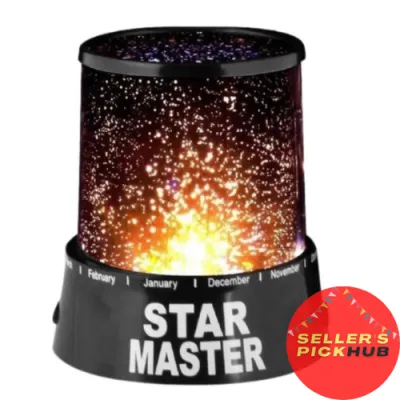
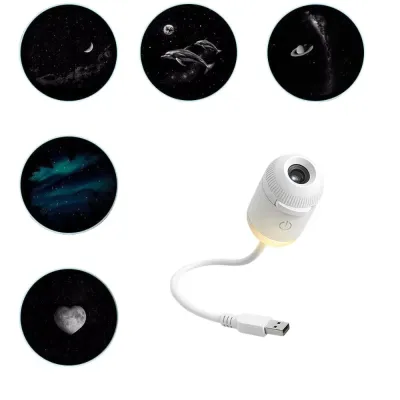
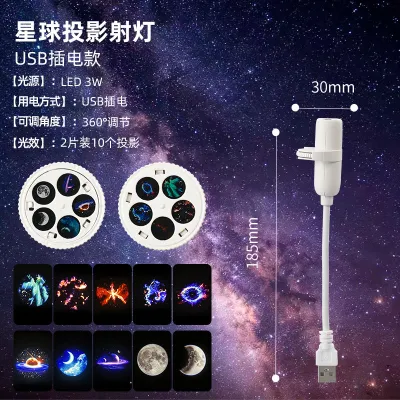
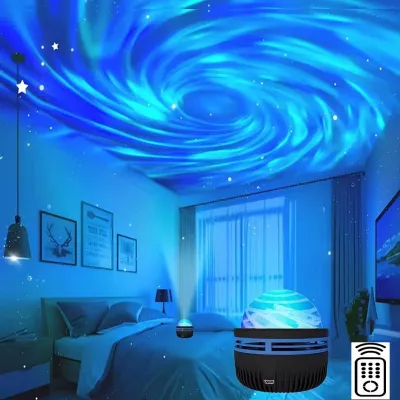
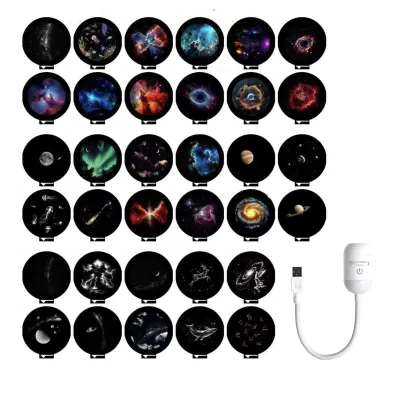

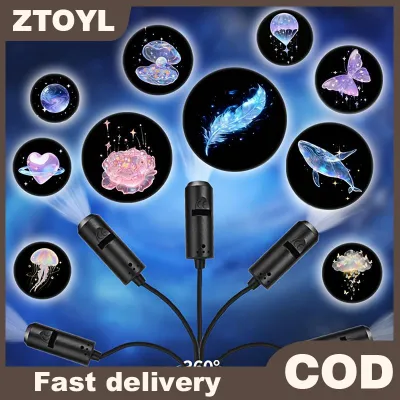
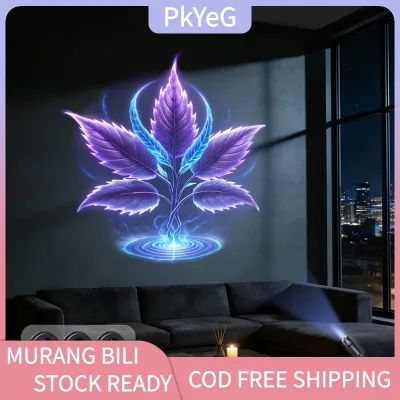
Prices are valid at publication and may change. Please refer to the product page for the latest price.
Alternatively, you might want to highlight a specific area of your room rather than filling the entire space with light. If you want to create a cozy reading nook, add warmth to a bare wall, or establish a dramatic backdrop for photography and video creation, a localized light source is much more effective. This approach allows you to control the exact placement of the glow, turning a plain corner into a visually striking focal point.
For those who host social gatherings or enjoy gaming, the ideal setup should support dynamic, high-energy environments. Some ambient lights offer color-changing modes or patterns that shift to create an active, engaging atmosphere. Identifying whether your space needs a calming sanctuary, a focused accent, or an energetic entertainment hub will immediately narrow down your options.
Compare Light Patterns: Star, Galaxy, and Sunset Effects
The visual output of these devices depends heavily on their internal light sources and lens configurations. Manufacturers use different combinations of light-emitting diodes (LEDs), lasers, and optical lenses to shape how light spreads across your walls and ceilings. Understanding these technical differences helps you anticipate how the light will actually look in your home.

Star and Galaxy Projectors
Star and galaxy projectors typically combine two distinct lighting elements to create a deep-space effect. The “star” component usually relies on a diffracted laser or a fine LED point-light source to project sharp, tiny dots of light across a wide angle. The “galaxy” or “nebula” component uses a multi-colored LED behind a rotating, textured lens to produce a soft, cloud-like wash of moving color.
These devices are engineered primarily for ceiling projection, casting a wide-angle pattern that can cover an entire room when placed centrally. The resulting ambiance feels expansive, making the ceiling appear to recede into an open night sky. This expansive quality is highly effective for creating a calming, immersive environment that helps distract the mind from daily stressors before sleep.
To achieve the best visual contrast, these projectors require a highly darkened room. Ambient light from streetlamps or open windows will quickly wash out the delicate nebula clouds and dim the star points. If your bedroom cannot be fully darkened with blackout curtains, the projection may lose its depth.
Sunset Lamps
Sunset lamps use a high-powered, warm-toned LED positioned behind a thick, spherical glass condensing lens. This optical design projects a highly concentrated, circular beam of light with a distinct, smooth gradient transition from a bright center to a softer, contrasting outer ring. The colors typically mimic natural solar phenomena, shifting from deep orange and red to soft magenta or yellow.
These lamps are designed specifically for wall projection, casting a warm, sun-like halo that adds immediate depth to flat surfaces. They are highly popular for creating cozy, intimate corners in living rooms or bedrooms, and they serve as excellent, low-glare backdrops for portrait photography. The warm color temperature can make a modern, minimalist space feel instantly more inviting and physically cozy.
The physical size and intensity of the sunset projection are highly dependent on how far the lamp is placed from the target wall. Placing the lamp close to the wall creates a small, intense, and sharply defined circle of light. Moving the lamp further away expands the halo to cover a larger area, though this also diffuses the light, reducing its overall brightness.
Assess Your Room Layout and Physical Constraints
Before finalizing your choice, measure your room to ensure the projector can perform as intended. Every device has an optimal projection distance specified by the manufacturer. If a star projector is placed too close to the ceiling, the pattern will be small and overly concentrated; if placed too far, the image may lose focus. Check the product specifications for the recommended throw distance to match your room’s height.
The color and texture of your walls and ceilings play a critical role in how light is reflected. Light-colored, flat surfaces like white, cream, or light gray plaster reflect projections beautifully, preserving the true colors of a sunset lamp or galaxy cloud. Conversely, dark paint, textured concrete, or busy wallpaper will absorb or distort the light patterns, significantly reducing the visual impact of the device.
Cable management and power source proximity are also vital considerations for a clean, safe setup. Many dream projectors require a continuous USB or wall outlet connection, meaning they must sit near a power source. Plan your placement carefully to avoid running long, loose cables across high-traffic areas of your room, which can create tripping hazards or look untidy.
Verify Electrical Specs and Practical Features
Electrical safety and compatibility should always be verified before plugging any new lighting device into your home outlets. In the Philippines, the standard nominal voltage is 220V at 60Hz. Many imported dream projectors come with USB cables but may not include a wall adapter, or they may package an adapter rated only for 110V. Always check the input voltage rating printed on the power adapter or the device itself to ensure it is compatible with local power standards, or use a certified, high-quality USB wall charger that matches the required amperage.
Practical usability features can greatly enhance your daily experience. Look for models that include built-in auto-off timers, which automatically shut down the device after a set period, such as one or two hours. This feature is particularly useful if you use the projector to fall asleep, as it prevents the light from running all night, conserving energy and extending the lifespan of the light source. Brightness adjustment and remote control options are also highly valuable, allowing you to dim the light to a comfortable level for sleeping.
Finally, pay close attention to the manufacturer’s guidelines regarding continuous operating hours and heat dissipation. High-powered LEDs and laser diodes generate internal heat that must be dissipated safely to prevent overheating. Ensure the projector has adequate ventilation slots and is placed on a hard, flat surface rather than soft bedding or carpet that could block airflow.
Frequently Asked Questions (FAQ)
Can I use a sunset lamp and a star projector together?
Yes, you can combine a sunset lamp and a star projector, but you must position them carefully to prevent their light outputs from washing each other out. Because a sunset lamp produces a bright, warm, and highly concentrated halo, it can easily overpower the delicate, diffuse nebula clouds of a galaxy projector if pointed at the same surface. To create a balanced, layered effect, direct the sunset lamp toward a lower wall corner to act as a warm ground-level accent, while projecting the star pattern onto the ceiling. Alternatively, you can use them at different times of the evening to transition your room’s mood from an active sunset glow to a quiet, dark night-sky atmosphere.
Do dream projectors consume a lot of electricity?
Most modern dream projectors use energy-efficient LED technology, but you should always check the exact wattage rating printed on the product label or power adapter to verify its consumption. To estimate your basic energy cost, multiply the device’s wattage (typically between 5W and 15W) by the number of hours you plan to run it daily, then divide by 1,000 to convert the value to kilowatt-hours (kWh). Multiplying this daily kWh consumption by your local electricity provider’s rate per kWh will give you the approximate cost in ₱. For example, running a low-wattage LED projector for a few hours each night generally results in a negligible addition to your monthly electricity bill.

Community discussion
Share your experience or ask a question. Comments are reviewed before publication.