
Finding the right balance of light on your desk is one of the most effective ways to protect your eyes during long hours of reading, writing, or working on a computer. To minimize eye strain, a study lamp should ideally offer adjustable color temperatures ranging from a warm 2700K to a cool 6500K, alongside adjustable brightness levels that can deliver between 300 and 500 lux of light to your workspace. Because your eyes adapt differently depending on the time of day and the task at hand, relying on a single, fixed light setting often leads to fatigue. Selecting a lamp that allows you to customize both the warmth and the intensity of the light ensures your workspace remains comfortable, whether you are reviewing printed documents under the midday sun or studying on a humid tropical evening.
Understanding Color Temperature (Kelvin) for Reading
Color temperature is measured on the Kelvin (K) scale, which describes the visual appearance of the light emitted by a bulb. Lower numbers on this scale, typically between 2700K and 3000K, represent warm white light, which has a distinct yellow or amber hue. As the Kelvin rating increases to 4000K, the light transitions to a neutral white, while ratings of 5000K to 6500K produce a cool white or daylight appearance with a bluish undertone. Understanding these numbers helps you match the light quality to your specific cognitive needs.
Warm white light is highly effective for relaxed, casual reading or winding down in the evening. The softer yellow tones are gentle on the eyes and do not mimic daytime sunlight, making them ideal for late-night study sessions when you want to prepare your body for sleep. Conversely, cool white light is excellent for high-focus, detailed tasks such as proofreading, drawing, or studying complex diagrams. The bluish spectrum of cool light enhances contrast and makes text appear sharper, which can help maintain alertness during daytime study blocks.
Products mentioned in this guide
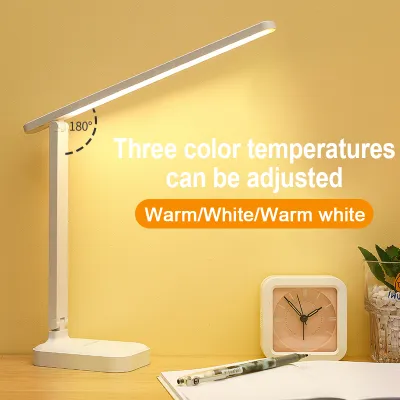
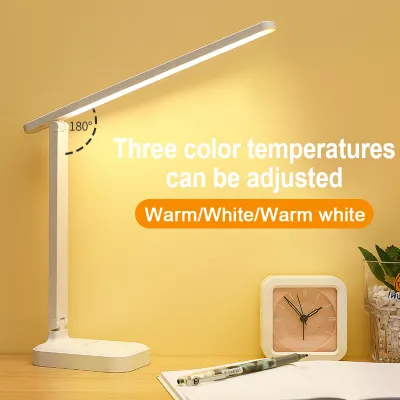
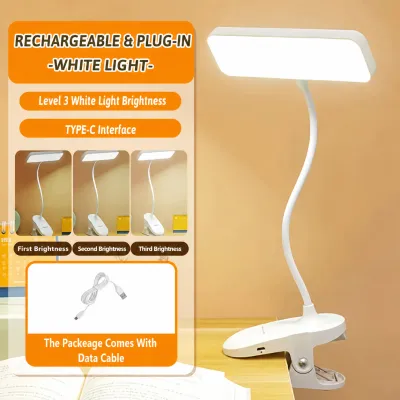
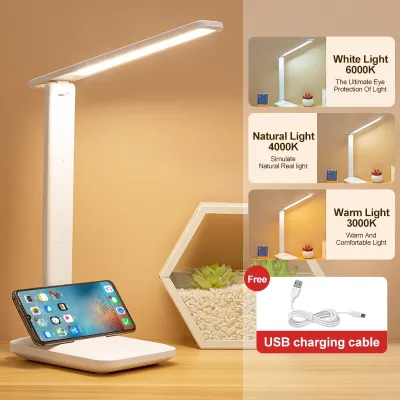
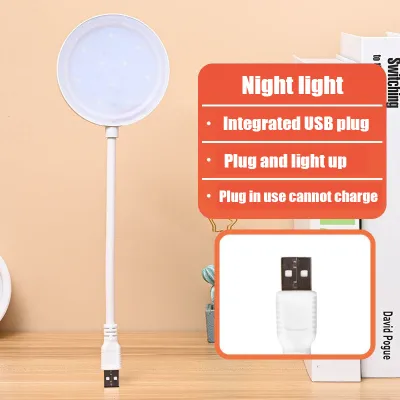
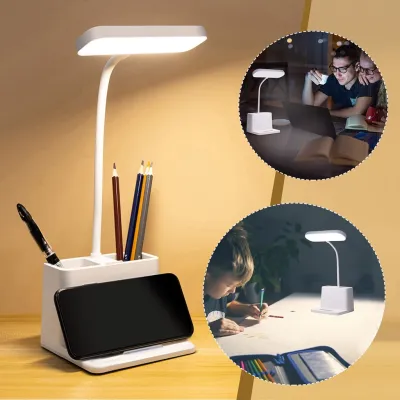
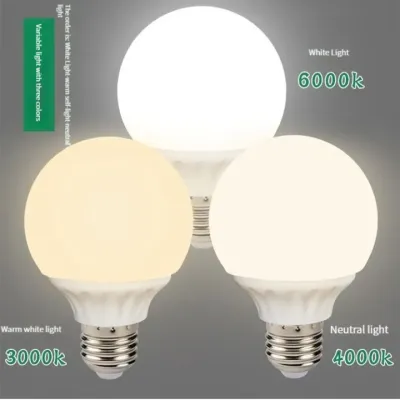
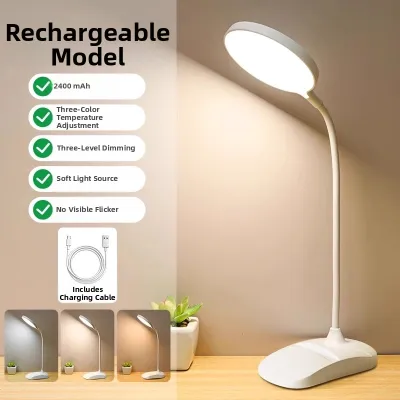
Prices are valid at publication and may change. Please refer to the product page for the latest price.
Because your lighting needs shift throughout the day, a static light source is rarely sufficient. For instance, studying during a bright afternoon requires a different light quality than studying late at night when the rest of the house is dark. This is why choosing a study lamp with adjustable color temperature controls is highly recommended. These modern fixtures allow you to transition seamlessly from a crisp, energizing cool white during the day to a soft, soothing warm white as bedtime approaches, matching your natural circadian rhythm.
Decoding Brightness: Lumens, Lux, and Wattage
When evaluating a study lamp, it is essential to distinguish between how much light a bulb produces and how much of that light actually reaches your desk. Lumens measure the total amount of light emitted by the source in all directions. Lux, on the other hand, measures the intensity of light falling on a specific surface area, such as your open textbook or keyboard. For comfortable reading and writing, aim for a setup that delivers a surface illumination of roughly 300 to 500 lux on your workspace.

In the past, shoppers relied on wattage to estimate how bright a lamp would be, but this method is no longer reliable for modern LED study lamps. Wattage simply measures electrical power consumption, not light output. Because energy-efficient LEDs can produce high lumen levels while consuming very little power, comparing lamps based on wattage will not give you an accurate picture of their brightness. Instead, look directly at the lumen rating on the product packaging to gauge the lamp’s true light output.
Both insufficient light and excessive brightness pose significant risks to your visual comfort. If your lamp is too dim, your pupils must dilate fully to let in more light, forcing you to squint and lean closer to your work, which quickly leads to physical fatigue and headaches. Conversely, an overly bright lamp creates harsh glare and intense reflections, especially when light bounces off white paper or glossy digital screens. To prevent these issues, prioritize lamps that feature stepless dimming controls, which allow you to fine-tune the brightness smoothly to your exact comfort level rather than forcing you to choose between a few rigid, pre-set levels.
Adjusting Light to Your Study Environment and Tasks
Achieving comfortable study lighting requires looking beyond the lamp itself to assess the overall ambient light in your room. Operating a high-intensity study lamp in a completely dark room creates a stark, high-contrast environment that forces your eyes to constantly adjust when you look away from your desk. In many homes in the Philippines, where rooms may rely on a single overhead fixture, it is best to keep a soft ambient light active in the background while using your study lamp to illuminate your immediate workspace. This balanced approach minimizes the visual transition shock when you look up from your books.
The material you are studying also dictates how you should position and adjust your light. When reading glossy textbooks, photo paper, or digital screens, direct light can bounce straight into your eyes, causing blinding reflections. To prevent this, angle the lamp head so the light washes across your workspace from the side rather than shining directly from above. If you are right-handed, place the lamp on your left side to prevent your hand from casting shadows over your writing; if you are left-handed, position it on the right.
Even with an optimized lighting setup, prolonged near-focus work naturally tires the eye muscles. Pay close attention to physical warning signs such as dry eyes, frequent blinking, or a dull ache behind your temples. Incorporate a regular visual break routine, such as looking at an object at least twenty feet away for twenty seconds every twenty minutes. This simple habit allows your eye muscles to relax and recover, preventing long-term strain.
What to Check on the Product Label Before Buying
Before purchasing a study lamp from a local retail store or an online marketplace, carefully review the specifications printed on the product label or detailed in the online description. First, verify that the lamp features independent controls for both adjustable brightness and color temperature. This dual adjustability is the foundation of a versatile, eye-friendly workspace.
Next, look for explicit mentions of flicker-free technology. Low-quality LED lamps can exhibit a rapid, invisible flicker that causes severe eye strain and headaches over time, even if you cannot consciously perceive the flashing. Additionally, ensure the product carries recognized electrical safety certifications relevant to your region, such as the Philippine Standard (PS) mark or the Import Commodity Clearance (ICC) sticker. Always verify that the lamp is rated for the standard local voltage of 220V to prevent electrical hazards or premature product failure.
The physical design of the lamp is just as important as its electrical specifications. Check the product details for a highly adjustable arm and head, such as a flexible gooseneck or multi-axis rotating joints, which allow you to direct the light precisely where you need it without moving the entire base. Finally, confirm the power source compatibility—whether it uses a standard wall plug, a USB connection, or a built-in rechargeable battery that can keep your workspace illuminated during unexpected power interruptions—and check if the light source is an integrated, non-replaceable LED or if it requires specific bulb replacements.
Frequently Asked Questions (FAQ)
Is a cooler color temperature always better for studying?
While cooler color temperatures (around 5000K to 6500K) promote alertness and make fine text easier to read, they are not always the best choice. Cool light contains more blue wavelengths, which can cause intense glare on white paper and disrupt your body’s natural sleep cycle if used late in the evening. For nighttime study sessions, transitioning to a warmer, softer light is much gentler on your eyes and helps your mind prepare for rest.
Can a study lamp completely prevent eye strain?
No, a high-quality study lamp cannot completely prevent eye strain on its own. While proper lighting significantly reduces visual fatigue by eliminating glare and low-contrast squinting, eye strain is also caused by prolonged focusing, poor posture, and uncorrected vision issues. To protect your eyes fully, combine good lighting with regular screen breaks, a comfortable desk setup, and routine visits to an eye care professional.

Community discussion
Share your experience or ask a question. Comments are reviewed before publication.