
To prevent eye strain during prolonged reading or working, a study light lamp should ideally feature an adjustable color temperature ranging from cool white (around 4000K to 5000K) for active focus to warm white (around 2700K to 3000K) for evening wind-down, paired with a brightness level of approximately 300 to 500 lumens. Achieving visual comfort is not just about picking a single bulb; it requires balancing task illumination with ambient room light, ensuring high color rendering, and eliminating invisible flicker. By understanding how to read product specifications and set up your workspace, you can create a comfortable environment that supports focus without fatiguing your eyes.
Understanding Color Temperature for Studying
The Kelvin (K) scale measures the color appearance of light, ranging from warm, yellowish tones to cool, bluish tones. Lower numbers like 2700K to 3000K represent warm light, which mimics traditional incandescent bulbs and creates a relaxing atmosphere. As the Kelvin rating increases to 4000K or 5000K, the light transitions to a neutral or cool white, which closely resembles natural daylight and is often associated with alertness and detail-oriented tasks.
Cooler light tones conditionally support focus and alertness by mimicking daytime conditions, making them suitable for intense reading, writing, or technical work. Conversely, warmer light tones are gentler on the eyes during late-night sessions, helping you transition to sleep without the stimulating effects of blue-rich light. Because individual preferences and study schedules vary, having access to both warm and cool settings is highly beneficial.
Products mentioned in this guide
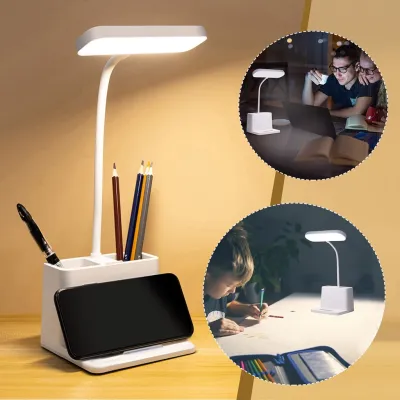
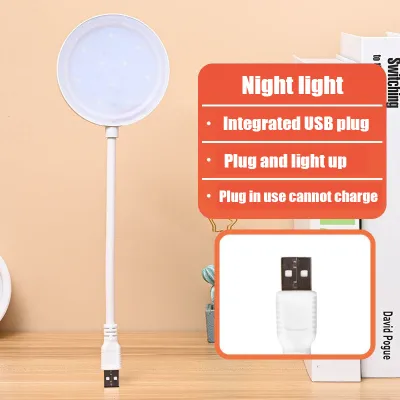
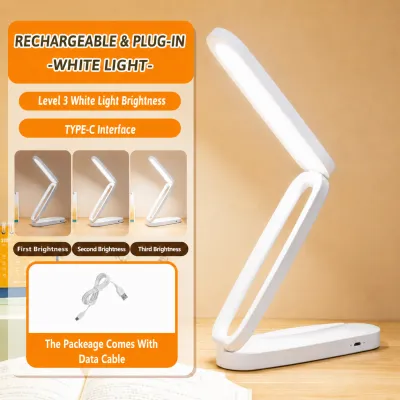
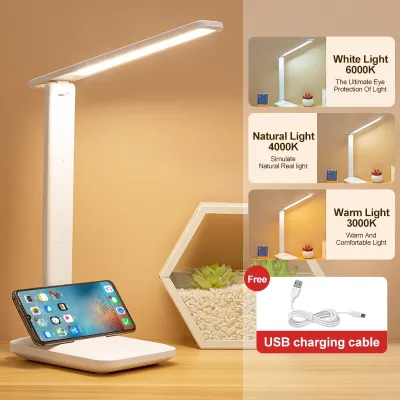
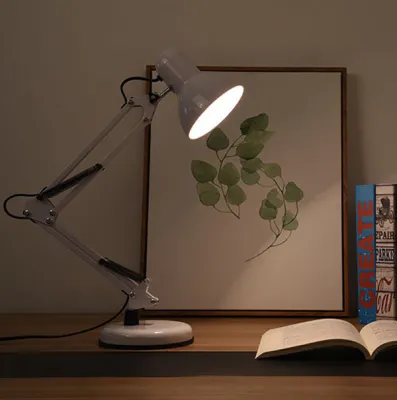
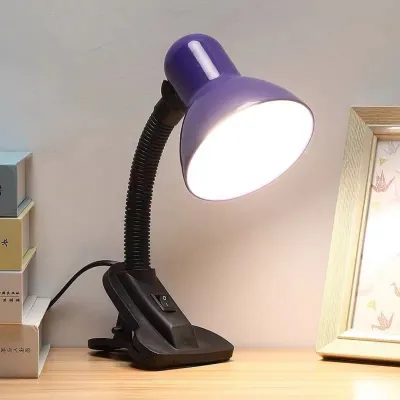
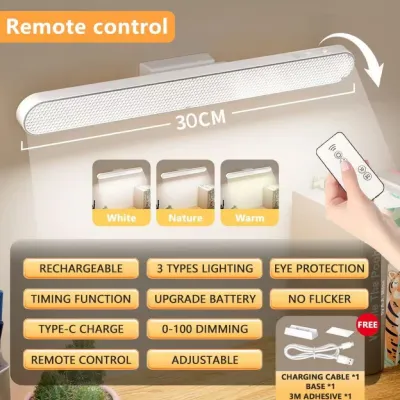
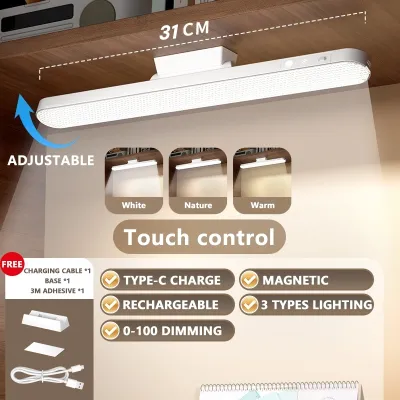
Prices are valid at publication and may change. Please refer to the product page for the latest price.
When shopping for a study light lamp, avoid relying solely on vague marketing terms like “cool white,” “warm white,” or “daylight,” as these descriptions can vary significantly between manufacturers. Instead, locate the exact Kelvin rating printed on the product packaging, specification sheet, or online product description to ensure the lamp matches your specific study habits.
Choosing the Right Brightness and Lumens
Lumens measure the total amount of visible light emitted by a source, whereas wattage simply indicates how much electrical power the lamp consumes. With modern energy-efficient LED study lamps, a high wattage is no longer necessary to achieve bright light, making lumens the primary metric to evaluate when assessing brightness. A lamp emitting 300 to 500 lumens generally provides sufficient illumination for reading and writing without overwhelming the eyes.

The ideal brightness of your task lamp depends heavily on the surrounding room lighting. Using a highly concentrated, bright lamp in a pitch-black room creates a harsh contrast that forces your pupils to constantly adjust, leading to rapid eye fatigue. To prevent this, aim for a balanced setup where the task lamp gently highlights your workspace while the ambient room light remains soft and even.
Selecting a study light lamp with adjustable brightness levels or multiple dimming modes allows you to adapt the illumination to different times of day. This flexibility is particularly useful in tropical environments like the Philippines, where natural daylight shifts dramatically from bright afternoons to sudden, dark rainy-day downpours, requiring quick adjustments to your desk setup.
Why CRI and Flicker Matter for Eye Comfort
The Color Rendering Index (CRI) measures how accurately a light source reveals the true colors of objects compared to natural light, scored on a scale up to 100. A higher CRI rating, typically 80 or above, conditionally helps you distinguish text, diagrams, and color-coded notes more clearly, reducing the cognitive effort required to read fine print. This is especially important for students and professionals working with physical textbooks, art materials, or detailed architectural plans.
Invisible flicker occurs when a lamp’s light output fluctuates rapidly, often due to a low-quality internal driver or unstable power supply. While you might not consciously see this flickering, your eyes still register the rapid changes, which can lead to unexplained eye strain, headaches, and general fatigue during long study sessions. Ensuring your lamp has a high-quality driver is essential for maintaining a stable, continuous light beam.
To protect your eyes, look for explicit “flicker-free” claims and verified CRI ratings in the manufacturer’s official documentation or product labels. High-quality lighting brands often highlight these specifications or reference recognized testing certifications on their packaging, giving you a reliable indicator of the lamp’s internal component quality.
How to Check Lamp Specifications Before Buying
Before making a purchase, systematically verify the essential details on the product label: the exact Kelvin range, the maximum lumen output, the CRI rating, and whether the lamp features dimming capabilities. Additionally, inspect the physical build to ensure it has an adjustable head or arm mechanism, allowing you to direct the light precisely where you need it. Checking these specifications beforehand prevents the hassle of returning an incompatible product.
Pay close attention to the lamp’s shade design and the presence of a diffuser over the LEDs. A well-designed shade directs light downward onto your desk rather than outward into your eyes, while a frosted diffuser softens the light beam to eliminate harsh, direct glare and distracting hot spots on your working surface. This physical shielding is just as important as the electrical specifications for preventing glare.
For safe operation in the Philippines, verify that the study light lamp is compatible with the standard local voltage of 220V at 60Hz and features the appropriate plug type. Look for official electrical safety marks, such as the Philippine Standard (PS) mark or Import Commodity Clearance (ICC) sticker, to ensure the device has undergone proper safety testing before connecting it to your home’s electrical outlets. Always follow the manufacturer’s instructions regarding wattage limits and power-isolation when setting up your device.
Setting Up Your Study Light for Maximum Comfort
Position your study light lamp so that the light illuminates your entire task area evenly without casting shadows from your hand or pen. If you are right-handed, place the lamp on the left side of your desk (and vice versa for left-handed writers) to keep your writing hand from blocking the light. Ensure the light source is angled away from your digital screens to prevent distracting reflections and glare.
Avoid studying in a dark room with only your desk lamp turned on. Instead, combine your task lamp with soft ambient room lighting, such as a ceiling light or a secondary floor lamp, to maintain a balanced visual environment that minimizes contrast-related eye strain. This dual-source approach keeps the eyes relaxed during extended reading sessions.
While optimizing your lighting setup is crucial, the primary behavioral method to manage eye fatigue over time is taking regular visual breaks. Practice the 20-20-20 rule by looking at an object 20 feet away for at least 20 seconds every 20 minutes, and adjust your lamp’s position or brightness as daylight conditions change throughout your study session.
Frequently Asked Questions (FAQ)
Is a warm or cool light better for reading at night?
For nighttime reading, warmer light tones (around 2700K to 3000K) are generally better because they support relaxation and help your body wind down for sleep. Cooler light tones (4000K and above) conditionally aid alertness and focus, which can interfere with your sleep cycle if used late in the evening. If your study schedule spans both day and night, choosing an adjustable study light lamp that allows you to switch between warm and cool modes offers the best of both worlds.
How far should the study lamp be from my book or screen?
As a general rule, your study lamp should be positioned about 30 to 50 centimeters away from your book or workspace, depending on the specific lamp’s beam spread and brightness. The key is to position the lamp head high enough to illuminate your entire working area evenly, but low enough that the bulb itself remains hidden from your direct line of sight. Always angle the lamp head to prevent light from reflecting directly off your computer screen or glossy book pages into your eyes.

Community discussion
Share your experience or ask a question. Comments are reviewed before publication.