
Choosing a swan figurine display for a garden in the Philippines requires balancing aesthetic charm with high resistance to tropical weather. Because outdoor ornaments face intense solar heat, high humidity, and torrential seasonal rains, the ideal choice depends heavily on material durability, proper placement, and scale. By understanding how different materials react to local environmental conditions and how to scale the decor to your garden’s layout, you can select an ornament that remains beautiful for years.
A well-chosen swan figurine serves as a graceful focal point, transforming a simple lawn, pond-side area, or veranda into an elegant sanctuary. Whether you prefer a classic, lifelike representation or a sleek, modern interpretation, verifying the specifications and preparing the display site properly will ensure your garden decor stands the test of time.
How to Assess Your Garden Space and Style Needs
Before purchasing any garden ornament, measuring the physical space where you plan to display it is essential. A swan figurine that looks perfectly proportioned on a computer screen might overwhelm a small pocket garden or get lost in a sprawling lawn. To avoid this, take note of the physical dimensions of your target area and consider using a temporary marker, like a cardboard cutout, to visualize the figurine’s footprint.
Products mentioned in this guide
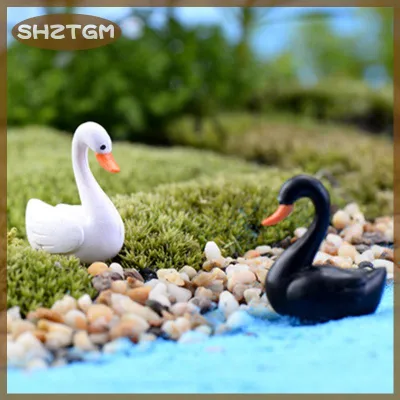
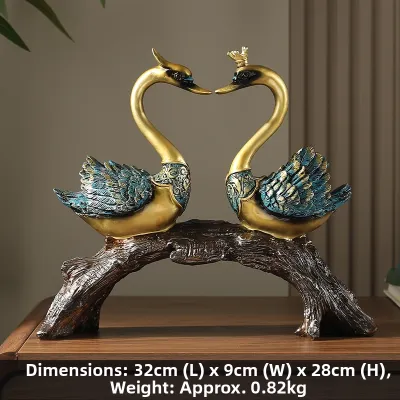
Prices are valid at publication and may change. Please refer to the product page for the latest price.
For large lawns, expansive flowerbeds, or natural ponds, life-size swan figurines make excellent focal points. These larger pieces draw the eye from a distance and establish a sense of structure in open landscapes. They work well as standalone features that anchor a specific zone of your yard, preventing the surrounding greenery from swallowing the design.
Conversely, smaller gardens, patio corners, or balcony setups benefit from miniature or medium-sized accents. Placing a small figurine on a side table, nestled among potted plants, or along a narrow pathway prevents the space from feeling cluttered while still adding a touch of whimsy. These smaller pieces invite closer inspection and work best in intimate, high-traffic areas.
The local climate in the Philippines is a critical factor when planning your outdoor display. Gardens in tropical regions experience prolonged exposure to intense ultraviolet rays, high humidity, and heavy rainfall during the wet season. These environmental factors can rapidly degrade low-quality materials, causing colors to fade, surfaces to crack, or mold to accumulate.
Direct sunlight can cause colors to fade rapidly and can degrade certain low-grade plastics or untreated materials. High humidity levels also create a breeding ground for mold, mildew, and moss, which can cling to porous surfaces and alter the appearance of your figurine. Understanding these climate challenges allows you to select materials designed to withstand tropical weathering.
Matching the figurine’s style with your existing landscape theme ensures a cohesive look. For instance, a lush tropical garden filled with ferns, pocket palms, and colorful hibiscus pairs beautifully with naturalistic, stone-textured, or concrete swan designs. The organic textures blend seamlessly with the dense foliage, creating a harmonious, established appearance.
If your home features a minimalist or modern architectural style, abstract or geometric swan figurines in neutral tones or metallic finishes can complement the clean lines of your hardscaping. These designs emphasize form and silhouette, serving as sophisticated art pieces rather than traditional garden ornaments.
For cottage-style gardens or traditional front yards filled with flowering shrubs, classic white ceramic or detailed resin swans add a romantic, vintage charm. This style blends beautifully with soft, informal planting schemes, adding a nostalgic touch that enhances the natural beauty of your blooms.
Choosing the Right Material for Outdoor Durability
The material of your swan figurine determines how well it will withstand the elements and how much maintenance it will require over time. Selecting the right material involves balancing aesthetic preferences with practical considerations like weight, weather resistance, and ease of cleaning.

Resin and polyresin are highly popular choices for outdoor decor because they are lightweight and can be molded into intricate, highly detailed shapes. These materials allow manufacturers to replicate the look of carved stone, weathered wood, or polished metal at a fraction of the weight and cost. This makes them easy to reposition whenever you decide to redesign your garden layout.
However, when selecting resin figurines for outdoor use, it is crucial to check the product labels for UV-resistant coatings. Without proper UV protection, resin can become brittle over time when exposed to intense tropical sunlight, leading to cracking and color fading. Applying a clear, outdoor-safe protective spray can help extend the lifespan of these pieces.
Ceramic and terracotta figurines offer a classic, artisanal look with rich glazes or natural, earthy textures. These materials bring a traditional, handcrafted feel to garden beds and covered patios, reflecting light beautifully when glazed or blending warmly with the soil when left unglazed.
The primary drawback of ceramic and terracotta is their fragility. They can easily chip or shatter if knocked over by pets, strong winds, or accidental bumps during garden maintenance. Because of this, they are best suited for sheltered areas, such as covered verandas, lanai spaces, or nestled securely within dense shrubbery that offers physical protection.
Metal figurines, typically made from cast iron, aluminum, or bronze, provide exceptional durability and a heavy, stable presence in the garden. They are highly resistant to wind damage and can develop a beautiful, natural patina over time, adding antique character to your outdoor space.
To prevent rust and corrosion in humid environments, it is important to verify that metal figurines have been treated with rust-prevention coatings or powder finishes. Regular inspection for paint chips and applying a clear protective sealant can help maintain their structural integrity and prevent rust stains from dripping onto your patio tiles or garden stones.
Concrete and cast stone are the most robust options for permanent outdoor installations. These materials are extremely heavy, highly weather-resistant, and virtually immune to being blown over by strong winds. They age gracefully, often developing a layer of moss or lichen that enhances their natural, rustic appeal.
While concrete figurines are incredibly durable, their weight makes them difficult to relocate once placed. They are best suited for permanent garden features, though they may require a solid, level foundation to prevent them from sinking into soft garden soil over time. Ensure you are completely satisfied with their placement before setting them down.
Exploring Swan Figurine Styles and Functional Designs
Swan figurines come in a wide variety of styles, ranging from highly realistic depictions to abstract art pieces and functional garden tools. Choosing the right style depends on your personal taste and how you intend to use the figurine in your landscape.
Classic and realistic swan designs feature traditional poses, such as a swan gliding gracefully on water, nesting with its wings tucked, or arching its neck in a classic S-curve. These figurines are ideal for formal garden layouts, traditional lawns, or placement near water features like ponds and swimming pools.
Realistic designs often feature detailed feather textures and lifelike paint schemes, creating a serene, naturalistic atmosphere. When placed near water, they mimic the presence of real wildlife, adding a peaceful, organic element to your garden design.
Modern and abstract swan figurines focus on clean lines, geometric shapes, and stylized silhouettes. These pieces often prioritize form and movement over realistic detail, making them perfect for contemporary outdoor spaces, minimalist courtyards, or urban balconies.
Abstract designs may use materials like polished metal, matte-finished resin, or smooth concrete to create a sophisticated, artistic statement. They pair exceptionally well with modern outdoor furniture, architectural concrete, and structured plantings like ornamental grasses or architectural succulents.
Functional hybrid designs combine the aesthetic appeal of a swan figurine with practical garden utility. Swan-shaped planters are a highly popular option, allowing you to plant colorful flowers, trailing vines, or small succulents directly into the back of the figurine, creating a living sculpture.
Other functional options include solar-powered swan lights, which feature integrated solar panels that charge during the day and illuminate your garden paths at night. You can also find swan-shaped water fountain spouts that add a dynamic water element to your pond or pool, combining visual beauty with the soothing sound of running water.
Landscaping Tips for Placing Your Swan Figurine
Strategic placement is key to making your swan figurine look like a natural part of your garden rather than an afterthought. By considering sightlines, surrounding plants, and ground conditions, you can maximize the visual impact of your decor.
Positioning your swan figurine near water features, such as a small garden pond, a birdbath, or a simple water basin, creates a highly naturalistic and visually pleasing scene. The association of swans with water makes these placements feel organic and intentional, drawing the eye naturally to the water’s edge.
If you do not have a water feature, you can nestle the figurine among lush foliage, such as clusters of ferns, broad-leafed hostas, or ornamental grasses. This creates a sense of discovery, as if the swan is resting in its natural habitat, and helps soften the transition between the hard ornament and the soft plants.
Using symmetrical pairs of swan figurines can create a formal, elegant entrance along garden pathways, driveways, or on either side of a garden gate. Symmetrical placement establishes balance and guides the eye toward key areas of your property, giving your home a stately, welcoming feel.
For a more relaxed, organic feel, opt for asymmetrical placement. Placing a single swan or a small group of varying sizes off-center in a flowerbed or under a shade tree mimics the natural, random patterns found in the wild, creating a casual and inviting garden atmosphere.
Ensuring the base of your figurine is level and slightly elevated is crucial for protecting both the ornament and your garden. Placing the figurine directly on damp soil can lead to water pooling around the base, causing soil staining, algae growth, or material degradation over time.
To prevent this, place your figurine on a flat stepping stone, a bed of decorative gravel, or a low concrete pedestal. This keeps the base dry, improves stability, and elevates the figurine slightly so it remains visible above growing grass and low-lying plants, protecting your investment from ground moisture.
A Buyer’s Checklist for Ordering Garden Decor Online
Purchasing garden decor from online marketplaces offers convenience and a wide selection, but it also requires careful verification to ensure you receive a high-quality product that matches your expectations.
Always verify the exact dimensions of the swan figurine before placing your order. Product photos can sometimes be misleading, making items appear larger than they actually are. Compare the listed measurements against everyday household objects or use a measuring tape to visualize the size in your garden before purchasing.
Check buyer reviews for real-world photos and honest feedback regarding the product’s actual color, paint quality, and structural durability. Reviews often reveal how well the figurine survives shipping and whether the material feels sturdy or cheap, helping you avoid low-quality imitations.
Review the seller’s return policy, shipping fees, and packaging guarantees, especially when ordering fragile materials like ceramic or heavy items like concrete. Ensure the seller uses adequate protective packaging, such as bubble wrap or molded foam, to prevent damage during transit across long distances.
Frequently Asked Questions (FAQ)
How do I clean and maintain outdoor swan figurines?
To clean your outdoor swan figurine, start by brushing away loose dirt, leaves, and cobwebs with a soft-bristled brush. Wash the surface using a mixture of mild dish soap and warm water, gently scrubbing any stubborn spots with a soft cloth or sponge without applying excessive pressure.
Avoid using harsh chemical cleaners, bleach, abrasive sponges, or high-pressure washers, as these can strip away protective UV coatings, damage delicate paint finishes, or erode porous materials like terracotta and concrete. Rinse the figurine thoroughly with clean water and let it air dry completely.
Consult the manufacturer’s guidelines or product manual for specific maintenance recommendations. For long-term protection, you can apply a clear, outdoor-safe acrylic sealer once a year to protect the paint from UV damage, or apply a thin coat of paste wax to metal figurines to prevent rust.
Can I leave my swan figurine outside during heavy rain or typhoons?
Whether you can leave your swan figurine outside during severe weather depends entirely on its material and weight. Lightweight figurines made of resin, plastic, or unglazed ceramic should always be moved indoors or secured in a garden shed before a storm to prevent them from being blown away or damaged by flying debris.
Heavy figurines made of concrete, cast stone, or solid metal are generally safe to leave outdoors, provided they are placed on stable, level ground where they cannot easily tip over or sink into mud. However, if they are positioned near overhanging tree branches, consider moving them to prevent damage from falling limbs.
Always check the product care instructions for specific weather tolerance limits, as some manufacturers may specify that warranties do not cover damage caused by extreme weather events. Taking proactive steps to protect your decor during severe storms will ensure its longevity.

Community discussion
Share your experience or ask a question. Comments are reviewed before publication.